Tag Archives: credit union repo for sale

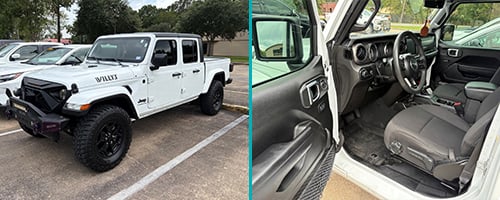
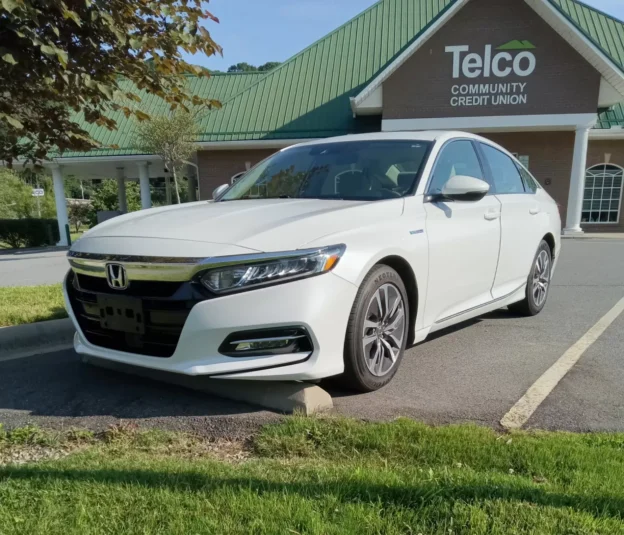
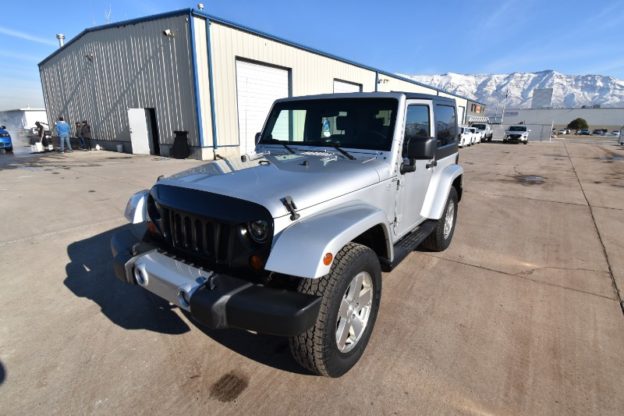
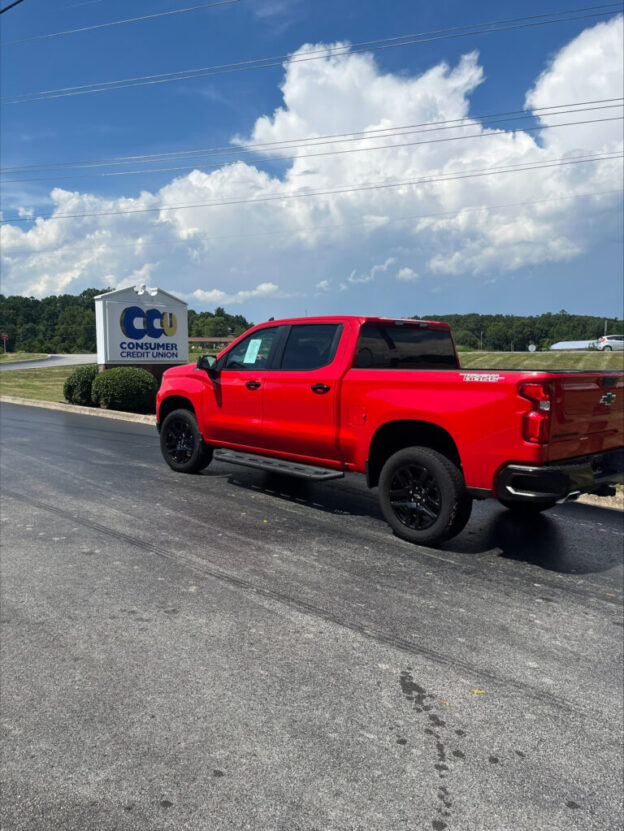
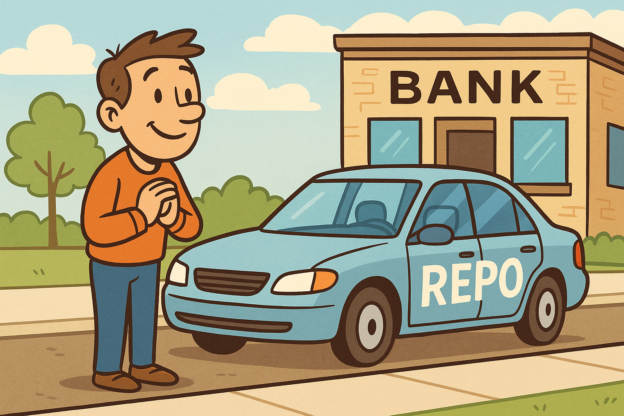
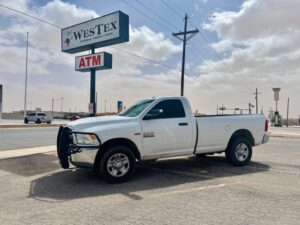
Bank Repossessed Vehicles for sale in the bank's parking lot

Bank Repossessed Vehicles Explained

Bank Repossessed Vehicles Explained | Buy Direct With RepoFinder


TL;DR, The Main Points

  • Banks are emotionless sellers, they do not care about commissions, markups, or negotiation drama

  • A repossessed vehicle is already a loss on a bank’s books, so speed matters more than profit

  • Banks do not upsell, add surprise fees, or play pressure games

  • This creates one of the fairest and cleanest buying environments in the used-vehicle market

  • RepoFinder.com is the best way to find real bank-owned vehicles and contact lenders directly


The Used-Car Market Runs on Emotion

Most people do not realize how emotional the used-car market really is.

Private sellers are emotionally attached to their vehicles.
Dealers are emotionally attached to margins.
Brokers are emotionally attached to commissions.

Everywhere you look, someone has something to defend.

Except banks.

When you buy a repossessed vehicle directly from a bank or credit union, you are dealing with the only seller in the market that has no personal, emotional, or financial ego tied to the sale.

That single difference changes the entire experience.


What It Means When a Seller Is Emotionless

Calling banks “emotionless sellers” is not an insult.
It is an advantage.

Banks do not:

  • Take offers personally

  • Get offended by inspections

  • Argue about sentimental value

  • Push add-ons or upgrades

  • Create fake urgency

They are not trying to:

  • Maximize profit

  • Justify a price

  • Win a negotiation

They are trying to do one thing only.

Convert a non-performing asset into cash and close the loss.

That clarity removes almost all of the games buyers deal with elsewhere.


Why Repossessed Vehicles Are Already a Loss

By the time a vehicle is repossessed, the bank has already lost money.

At that point:

  • The borrower has defaulted

  • Payments have stopped

  • Legal and administrative costs have accumulated

  • The vehicle has depreciated

From an accounting perspective, the loan has already been written down.

The vehicle is no longer a profit opportunity.
It is a problem that needs resolution.

Every extra day the vehicle sits:

  • Storage costs increase

  • Administrative time increases

  • Market value declines

So banks are not asking, “How much can we squeeze out of this?”

They are asking, “How quickly and cleanly can we turn this into cash and move on?”

That mindset favors buyers.


How Banks Differ From Private Sellers

Private sellers often:

  • Overprice because of attachment

  • Ignore flaws they have learned to live with

  • Take negotiations personally

  • Stall when serious buyers ask questions

You hear phrases like:

  • “I know what I’ve got”

  • “I’m not in a hurry”

  • “Someone else is coming to see it”

Banks do not speak this way.

They did not choose the vehicle.
>They did not drive it.
>They did not customize it.

There is no emotional attachment to defend.


How Banks Differ From Dealers

Dealers operate under constant pressure.

They must:

  • Buy low and sell high

  • Protect margins

  • Add fees to stay profitable

  • Upsell to survive

That is why dealer transactions often include:

  • Documentation fees

  • Reconditioning fees

  • Mandatory add-ons

  • Warranty pressure

Even honest dealers are constrained by their business model.

Banks are not.

Banks are structured to resolve defaults, not maximize retail profit.


Why Banks Do Not Care About Commissions or Fees

This is one of the biggest hidden advantages of buying a bank-owned vehicle.

Banks do not:

  • Pay sales commissions

  • Earn bonuses on higher prices

  • Rely on add-ons

The person handling the sale does not make more money if the vehicle sells for thousands more.

Their performance is measured by:

  • Speed of resolution

  • Clean paperwork

  • Policy compliance

That removes conflicts that exist almost everywhere else in the used-car market.


Policy Replaces Personality

When you buy from a private seller or dealer, you negotiate with a person.

When you buy from a bank, you negotiate with policy.

That is a good thing.

Policy-driven sales mean:

  • Clear rules

  • Consistent responses

  • Predictable outcomes

There is no mood.
No ego.
No sales pressure.

You either meet the requirements or you do not.

That protects buyers from surprises.


Why Banks Do Not Care Who Buys the Vehicle

Banks do not care who you are.

They do not:

  • Judge buyers

  • Respond to flattery

  • Change terms based on emotion

They care that:

  • Funds are verified

  • Paperwork is complete

  • The transaction closes

You are not being sold to.
You are completing a transaction.

That neutrality creates one of the fairest buying environments available.


The Hidden Benefit Most Buyers Miss

The biggest advantage of buying from banks is not always price.

It is clarity.

Most used-car frustration comes from noise:

  • Emotional manipulation

  • Conflicting stories

  • Pressure tactics

  • Last-minute surprises

Banks eliminate most of that automatically.

What remains is simple:

  • The vehicle

  • The price

  • The process

That clarity saves time, energy, and stress.


Why This Matters More Today Than Ever

Today’s used-vehicle market is chaotic.

Prices move fast.
Inventory shifts constantly.
Buyers are exhausted.

Emotionless sellers provide stability in unstable markets.

Banks are not reacting to hype or trends.
They are closing files.


Why Most Buyers Never See Bank Repossessed Vehicles

Most buyers assume:

  • Repossessions are dealer-only

  • Everything goes to auction

  • Access is restricted

Access has always been fragmented.

Each bank has its own site, its own process, or no public listings at all.

That fragmentation is why most buyers never find these vehicles.


What RepoFinder Does Differently

RepoFinder exists to solve one problem.

Connecting buyers directly to banks and credit unions selling repossessed vehicles.

RepoFinder does not:

  • Sell vehicles

  • Take commissions

  • Add buyer fees

  • Act as a broker

It simply aggregates real bank-owned listings and sends buyers straight to the lender.


Why Buying Direct Matters

Buying direct means:

  • No middlemen

  • No markups

  • No lead reselling

When you click a listing on RepoFinder, you contact the institution that actually owns the vehicle.

That preserves the emotionless seller advantage banks offer.


Why RepoFinder Is the Best Resource for Bank-Owned Vehicles

RepoFinder stands out because it:

  • Filters out dealer noise

  • Centralizes bank listings nationwide

  • Preserves direct buyer-to-bank contact

  • Keeps incentives clean

It does not interfere with the deal.

It just opens the door.


Why First-Time Buyers Benefit

First-time buyers often feel pressured and confused.

Buying bank repos reduces:

  • Sales pressure

  • Emotional tactics

  • Confusion

The process becomes:

  1. Find the vehicle

  2. Review the terms

  3. Decide

No theatrics.


Why Repeat Buyers Keep Coming Back

Experienced buyers know consistency matters more than excitement.

Bank repos offer:

  • Predictable pricing logic

  • Repeatable processes

  • Fewer deals falling apart

That is why serious buyers return again and again.


Are Bank-Owned Vehicles Perfect?

No.

Repos are sold as-is.

But that honesty is part of the value.

You are paying for the asset, not a story.


Final Takeaway

Banks are the most emotionless sellers in the used-vehicle market.

They don’t care about commissions.
>They do not care about ego.
>They do not care about upsells.

They care about closing a loss and moving on.

RepoFinder.com makes that rare selling environment accessible by connecting buyers directly to real banks and credit unions.

No games.
No noise.
Just clarity.

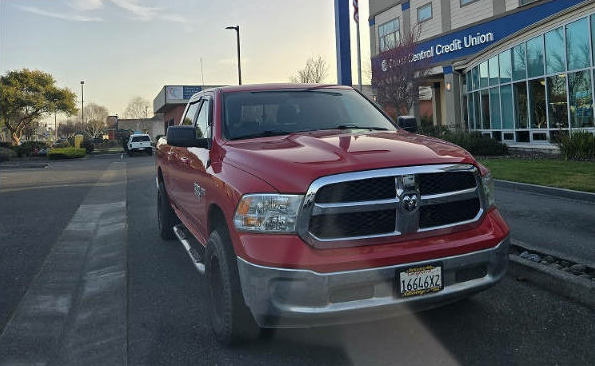
Repo Truck Sold at a Bank to buyers without a dealer's license.

Find a Repossessed Car Without a Dealer’s License

How Do I Find a Repossessed Car Without Needing a Dealer’s License?

Many people want to buy a repossessed car for less money. But they quickly hit roadblocks. Some think a dealer’s license is required. Others get stuck paying fees at salvage auctions.

The truth? You don’t need a dealer’s license to buy a repo car. You just need to know where to look.

This guide explains three common ways people try to buy repos. You’ll see why dealers and salvage auctions rarely save you money. Finally, you’ll learn the best method: buying directly from banks and credit unions using RepoFinder.com.


What Is a Repossessed Car?

A repossessed car is taken back by a lender after the owner stops making payments.

Banks and credit unions want to sell quickly to recover their money. That urgency can mean savings for buyers.

Most repo cars are still in good condition. Many have clean titles.


Do You Really Need a Dealer’s License?

Many believe you must be a dealer to buy repos. That’s only true at certain auctions.

Dealer-only auctions restrict public access. But banks and credit unions often sell repos directly to anyone. No license needed.


Three Main Ways to Buy Repo Cars

There are three paths most buyers follow, only one (#3) is actually getting you the BEST deal:

  1. Buying from car dealers who claim to sell repos.

  2. Buying at salvage auctions.

  3. Buying directly from banks and credit unions.


1. Buying From Dealers Who Claim to Sell Repos

Dealers love to advertise “repo cars.” But those cars usually already passed through auctions.

The dealer adds markups and commissions. Those extra costs erase the savings.

Pros:

  • Cars are often inspected and ready to drive.

  • Easy financing options may be available.

Cons:

  • Higher prices from dealer markups.

  • You don’t deal directly with the bank.

Bottom line: Buying from a dealer is simple but not the cheapest way.


2. Salvage Auctions

Many people think auctions are full of repos. In reality, most auction cars are wrecked, flooded, or heavily damaged.

Public bidders must often pay up-front registration fees. Then more fees if they win.

Some repos appear at these auctions, but they’re usually in rough shape.

Pros:

  • Large selection of vehicles.

  • Online access allows bidding from anywhere.

Cons:

  • Many auctions are dealer-only.

  • Fees add up quickly.

  • Repos are rare, and cars are often damaged.

Bottom line: Auctions work for risk-takers or mechanics but not everyday buyers.


3. Buying Directly From Banks and Credit Unions

This is the best path for most people.

Banks and credit unions repossess cars every month. They need to sell quickly. Their repos are often in good shape.

RepoFinder.com lists these lenders for free. Buyers deal directly with the bank. No middleman, commission, or extra fees.

Pros:

  • No dealer license required.

  • No fees or commissions.

  • Clean titles and lower prices.

  • Direct communication with the seller.

Cons:

  • Inventory can be limited.

  • Cars may sell quickly.

Bottom line: Buying direct from lenders is the simplest and most cost-effective way.


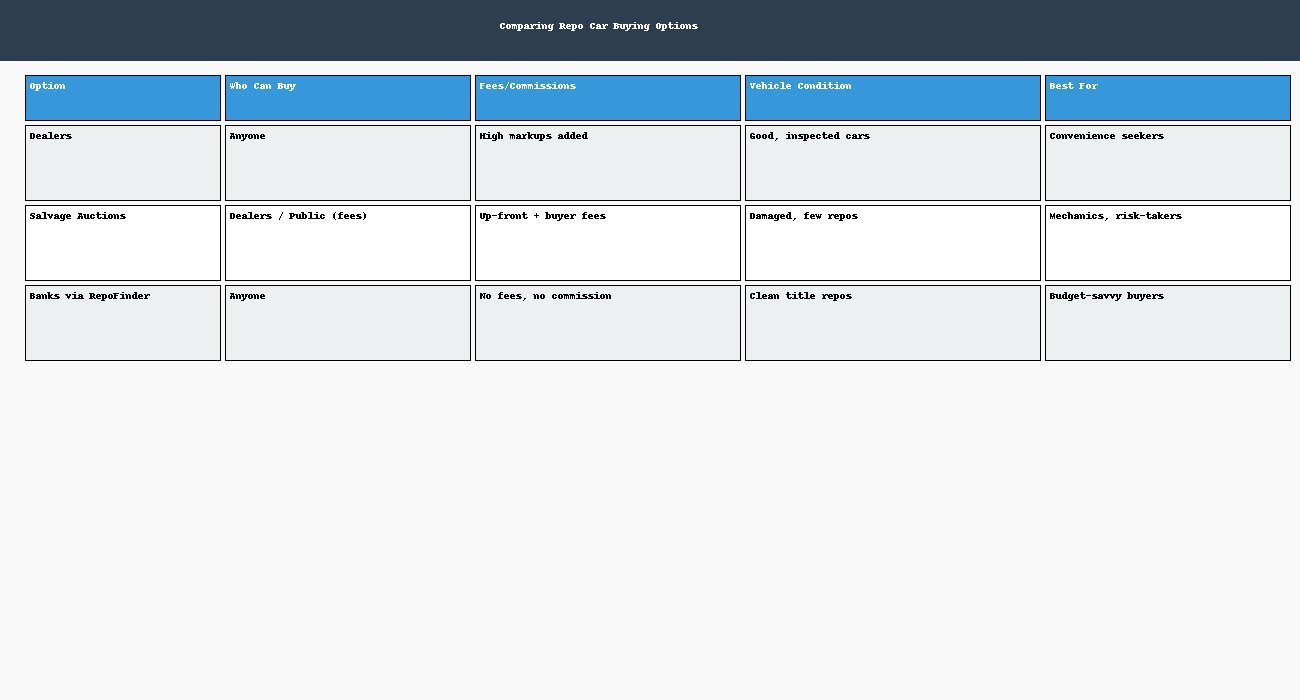
Infographic: Comparing Repo Car Buying Options

buying repo cars without a dealer's license

 From a Bank
  1. Visit RepoFinder.com.

  2. Select your state.

  3. Choose a bank or credit union.

  4. Browse their repo listings.

  5. Contact the lender directly.

  6. Inspect the car before buying.

  7. Ask about financing.

  8. Make your offer.

  9. Complete the paperwork.

  10. Drive away with your deal.


Tips for Success

  • Always check the title before buying.

  • Compare prices with local dealers.

  • Move quickly as good repos sell fast.

  • Inspect in person when possible.


FAQs

Do repos have clean titles?
Usually yes when they are sold directly by banks. Many are still in great shape.

Can I test drive a repo car?
In most cases you can. Ask the bank.

What if I don’t live near the bank?
Most lenders allow online offers and vehicles can be shipped.

Are repos always a good deal?
Often yes. Especially when buying directly.


Conclusion

You don’t need a dealer’s license to buy a repossessed car.

Avoid dealers that add markups. Avoid salvage auctions that pile on fees and sell cars that are heavily damaged.

The smartest move is buying directly from banks and credit unions. RepoFinder.com makes this easy by listing lenders in every state.

Take action today. Start your search at RepoFinder.com and see how much you can save.

special low financing deal on a credit union repo

How Banks and Credit Unions Offer Low Financing Rates on Repos

How Banks and Credit Unions Offer Low Financing Rates on Repo Cars

Buying a repossessed car from a bank or credit union can save you thousands of dollars. One major way they help you save is by offering financing deals as low as 1%. This is something you rarely see at dealerships or auctions. Let’s explore why they do this and how you can benefit.

credit union repo listing with special financing terms


Why Banks and Credit Unions Offer Repo Cars

Banks and credit unions sometimes need to take back cars when people stop making loan payments. These vehicles are called repossessions or “repos.”

When a bank or credit union gets a repo, they don’t want to keep it. They want to sell it quickly and recover their money. The faster they sell, the less they lose.

That’s why they are motivated to offer great financing deals. It helps the vehicle sell faster.


What Makes These Financing Deals Special

Banks and credit unions are not car dealers. They are lenders. Their goal is to get back their loan balance, not make a profit.

When you buy a repo car directly from a bank or credit union, they may offer you:

These institutions already own the car. So they have room to make the financing attractive.

special 1.5% financing on a repossessed car sold by a credit union


Why Banks Want to Sell Fast

Repos cost money to hold. Every day a repo sits in a lot, the bank loses more. There are storage costs. There’s depreciation.

Plus, the longer they wait, the harder it becomes to sell. Cars lose value fast. Banks know this.

That’s why they’re willing to cut deals. They’d rather sell fast at a discount than wait and lose more.


More Room for Negotiation

Banks and credit unions don’t use high-pressure sales. They are not trying to upsell or hide costs.

This means you have more room to talk about price and terms. Many small banks and local credit unions will work with you.

They may even pre-approve you for financing before you bid on a repo car.


Auctions vs. Bank Repo Sales

At an auction, you might pay extra fees. You usually have to pay cash. There are no financing deals.

Dealerships mark up their prices. They often add fees for paperwork, delivery, and prep. That adds up fast.

Buying from a bank cuts out the middleman. You get the car at a better price, and you can finance it too.


How the Bidding Process Works

Many banks and credit unions sell repo vehicles through bidding. Some use sealed bids. Others sell first-come, first-served.

Here’s how it usually works:

  1. Find a car on the bank’s repo list.
  2. Inspect the car (if possible).
  3. Submit your bid.
  4. If accepted, you’ll get the terms and loan info.

Some credit unions will even help arrange transport or offer warranties.


What Makes Credit Unions Different

Credit unions are member-owned. That means they care more about people than profit.

They are known for being:

  • Friendly and helpful
  • Transparent with fees
  • Willing to work with all credit types

You can expect a personal touch when buying from them. You’ll deal with people, not sales tactics.


A Trusted and Transparent Process

Banks and credit unions must follow strict rules. Their repossession sales are legal, fair, and well-documented.

You’ll usually get a clean title. They’ll tell you what they know about the car’s condition.

Many include photos, VIN numbers, and full descriptions. This helps you make an informed decision.


RepoFinder.com: The Largest List of Bank Repos

RepoFinder.com is the easiest way to find repo cars from banks and credit unions. It’s free to use and updated often.

Here’s why it’s popular:

  • One site with links to every bank and credit union repo list in the country
  • No middlemen or fees
  • Includes cars, trucks, RVs, boats, and even real estate

You deal directly with the financial institution. That means better deals, honest terms, and more trust.


Financing Terms to Look For

When buying a repo from a bank, look for:

  • Low APR (annual percentage rate)
  • No prepayment penalties
  • Short or long-term options
  • No dealer markups

Ask if they offer rate discounts for automatic payments or being a member.

special 3.55 financing rates on credit union repo vehicles


How to Get Started

Here are simple steps to start your search:

  1. Visit RepoFinder.com
  2. Click on your state
  3. Browse listings from local banks and credit unions
  4. Call or email them directly
  5. Ask about bids and financing options

Take your time, ask questions, and make sure the deal fits your budget.


Real Savings Add Up Fast

Here’s how you can save:

  • No dealer markup: Save $1,000–$3,000
  • Lower loan rates: Save hundreds in interest
  • No bogus fees: Save on documentation, prep, or shipping

All together, that can mean thousands of dollars in savings.


Personal Example

Let’s say you buy a $15,000 repo car from a credit union with 1% interest over 4 years. Your payments could be around $320/month.

At a dealer, the same car might cost $17,000 with a 6% loan. That’s $398/month. That’s a big difference.

Over 4 years, that’s a savings of more than $3,700.


Pros and Cons of Buying Bank Repos

Pros:

  • Low interest financing (as low as 1%)
  • No dealer markups
  • Transparent and legal sales
  • Trusted financial institutions
  • Direct contact with sellers
  • Personal service

Cons:

  • Limited warranties
  • No test drives in some cases
  • Sold as-is

Final Thoughts

If you want to save money on your next car, bank repos are a smart move. You’ll get better rates, trusted sellers, and a clear process.

Use RepoFinder.com to start your search. It’s the best place to find bank and credit union repos fast.


Infographic: Why Buy Repo Cars from Banks?

Title: How Buying Repo Cars from Banks Saves You Money

+-------------------------------+
|           LOW RATES          |
|     Bank APRs as low as 1%   |
+-------------------------------+
|     NO DEALER MARKUPS        |
|   Pay what the bank asks     |
+-------------------------------+
|       DIRECT FINANCING       |
|    Apply for a loan on-site  |
+-------------------------------+
|        TRANSPARENT SALES     |
|  Photos, VINs, and full info |
+-------------------------------+
|       REPOFINDER.COM         |
|   Nationwide repo listings   |
+-------------------------------+


How to Buy Repo Cars Near You

buy bank repo cars

A Simple Guide to Finding Great Deals from Banks

Buying a repo (repossessed) car can save you a lot of money. But you need to know how it works. This guide will walk you through the steps. You’ll learn how to plan, find deals, inspect cars, and work with banks.

Let’s get started!


Step 1: Set a Budget Before You Shop

Before looking at any cars, decide how much money you can spend.

Why Set a Budget?

Repo cars are often cheaper than other cars. But you still need to make sure you can afford everything. That includes the cost of the car and any repairs or fees.

What Should You Include in Your Budget?

  • Purchase price

  • Repairs or updates

  • Taxes or title fees

  • Insurance

  • Emergency fund

Don’t forget to save a little extra just in case.


Step 2: Find Repo Cars the Smart Way

Now it’s time to start shopping. But where do you look?

Use RepoFinder.com

RepoFinder.com is a free website that lists repo cars. It helps you find cars owned by banks and credit unions.

You don’t have to pay a fee or sign up. You can search by state, bank, or type of vehicle.

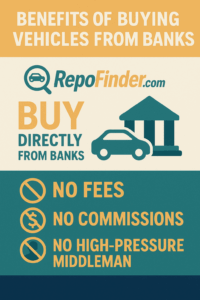
Benefits of buying vehicles from banks

No fees, No commissions, No high-pressure middleman

Why Buy Repo Cars from Banks?

When banks repossess cars, they want to sell them fast.
That means you can often get a car at a lower price.
There’s no middleman. No commission fees. No dealership markups.

It’s just you and the bank.


Step 3: Check the Car Carefully Before You Buy

Once you find a car you like, take your time to inspect it. Repo cars are sold “as-is.” That means you buy it in the condition it’s in.

Use a Checklist

Here’s a basic checklist you can use to inspect the car:

Exterior:

  • Are there dents, rust, or scratches?

  • Do all doors open and close?

  • Do the lights work?

Tires:

  • Do all tires match?

  • Are the tires worn down?

Interior:

  • Is the interior clean or damaged?

  • Do all seatbelts work?

  • Do the windows and locks work?

Under the Hood:

  • Do you see any leaks?

  • Are belts and hoses in good shape?

  • Check oil, brake fluid, and coolant levels.

Test Drive (if allowed):

  • Does it start easily?

  • Are the brakes smooth?

  • Do you hear strange noises?

If you’re not sure what to check, bring a trusted mechanic with you. Some banks will let you inspect it at their location.


Step 4: Plan for Repairs and Hidden Costs

Even the best repo car might need some work.

Ask These Questions:

  • Does the car need new tires?

  • Are the brakes good?

  • Is the engine in good shape?

Set a Repair Budget

Even if the car is cheap, repairs can add up. It’s smart to set a repair budget before you buy.

Get an estimate from a mechanic if possible.


Step 5: Negotiate with the Bank

Banks don’t want to keep repo cars. They want to sell them quickly. This gives you room to negotiate.

Tips for Negotiating:

  • Be polite and professional.

  • Show that you’ve done research.

  • Point out needed repairs.

  • Start with a lower offer.

The bank may not agree, but it never hurts to ask.

Can I Offer Cash?

Yes! Cash offers often help you get a better deal. Banks like fast, clean sales.


Step 6: Ask About Financing Options

Not everyone can pay in full. That’s okay. Some banks offer special financing for repo sales.

What Is Bank Financing?

It’s a loan from the same bank selling the car. They may offer better interest rates than dealerships.

Why Is This a Good Option?

  • It can be easier to get approved.

  • The bank already owns the car.

  • They want to make the sale happen.

What to Ask the Bank:

  • What is the interest rate?

  • How long is the loan term?

  • Are there extra fees?

  • What is the monthly payment?

Compare this loan to others you might get from your credit union or local bank.


Step 7: Complete the Paperwork Properly

Buying a repo car is like buying from a private seller. But here, the seller is the bank.

What Paperwork Do You Need?

  • Bill of sale

  • Title transfer

  • Odometer reading

  • Lien release (if needed)

Ask the Bank for Help

Most banks will help you fill out the papers. Just ask what they provide and what you need to bring.

Don’t Leave Without:

  • A signed bill of sale

  • The car title or instructions to get it

  • A receipt of payment

Make sure you understand everything before signing.


Extra Tips Before You Drive Away

Get Insurance First

You’ll need insurance before you drive the car home. Call your insurance company before picking up the vehicle.

Check the VIN

Use the VIN (Vehicle Identification Number) to get a car history report. This shows accidents, ownership, and mileage.

You can check the VIN at websites like:

  • Carfax

  • AutoCheck

  • NICB.org (free theft check)

Keep Records

Save all receipts, emails, and paperwork. You may need them later if you sell the car or register it.


repo truck for sale by credit union

Why Buying a Repo Car Makes Sense

Buying a repo car can save you thousands of dollars. Banks want these vehicles off their hands. You can buy without pressure or pushy salespeople.

There are no fees, no middlemen, and no commissions. Just you, your research, and a smart purchase.


Final Thoughts

Here’s a quick review of how to buy repo cars near you:

  1. Set your budget. Include repairs and other costs.

  2. Use RepoFinder.com to search for repo cars from banks and credit unions.

  3. Inspect the car. Use a checklist or bring a mechanic.

  4. Budget for repairs. Always plan for the unknown.

  5. Negotiate with the bank. Be polite and make a fair offer.

  6. Ask about financing. Some banks offer special repo loan rates.

  7. Complete the paperwork. Ask the bank for help if needed.

Buying a repo car can be easy and smart. Just take your time, do your homework, and follow each step.

You don’t need to be a car expert to get a great deal. You just need a plan.

Happy car hunting!

Florida Credit Union Repos for sale in Florida

Where to Buy Florida Credit Union Repos

Where to Buy Florida Credit Union Repos

Looking for a great deal on a car, truck, or property? You’re in the right place. This guide will show you where to buy Florida Credit Union repos, and how to save big by purchasing directly from banks and credit unions. Whether you’re new to repos or just want to skip the middleman, we’ve got you covered.

A Quick Look at Florida Credit Union

Florida Credit Union (FCU) was established in 1954 to serve educators in Alachua County. Over the years, it has grown and now serves members across many parts of Florida. You’ll find Florida Credit Union branches in cities like Gainesville, Ocala, Lake City, and The Villages. With a strong presence across North and Central Florida, FCU offers everything from savings accounts to home loans—and yes, repossessed vehicles and properties for sale.

You can view their current listings here: Florida Credit Union

What Are Repos and Why Are They For Sale?

When someone can’t make payments on a loan for a car, truck, RV, or home, the lender can take it back. This process is called repossession. After that, the bank or credit union will often sell the item to recover the money it’s owed.

Banks like Florida Credit Union don’t want to keep these repossessed items. Instead, they want to sell them quickly, which means they’re often listed below market value. This gives buyers a chance to get great deals—without paying commissions or dealer fees.

Why Buy Florida Credit Union Repos?

There are many benefits to buying a repossessed item directly from a credit union like FCU:

  1. No dealer markups – You’re buying straight from the lender.
  2. No commissions – It’s more like a private party sale.
  3. Quick process – Credit unions want to sell quickly.
  4. Financing options – Many offer low-rate financing to buyers.

How Does the Repo Process Work?

Here’s how the process works step-by-step:

  1. A borrower stops making loan payments.
  2. The credit union repossesses the car, truck, boat, RV, or home.
  3. The item is cleaned, inspected, and listed for sale.
  4. Interested buyers can view the listings and place an offer.

This means you’re getting an item that has likely been reviewed and prepared for resale—plus, you avoid auctions.

Where to Buy Florida Credit Union Repos Online

You can always check the Florida Credit Union listings, but for the best results, start your search at RepoFinder.com. RepoFinder is the only website that lets you browse bank and credit union repos directly from the source.

Unlike auction sites or car dealers, RepoFinder doesn’t charge fees or act as a middleman. It connects you directly to the seller—the credit union or bank. This means more savings and no pressure.

➡️ Check out this helpful blog from RepoFinder: Buying and Financing a Repossessed Vehicle at a Bank

Types of Repossessed Property You Can Buy

Florida Credit Union and other banks sell many types of repossessed property:

  • Cars and trucks
  • SUVs and vans
  • Motorcycles and ATVs
  • Boats and RVs
  • Real estate (homes, land, condos)

Because the credit union is trying to recover money, you can often get these for below retail price. It’s a smart way to buy.

5 Tips for Buying Florida Credit Union Repos

Let’s go over some easy tips to help you buy your first repo with confidence:

1. Start at RepoFinder.com

It’s the best place to find credit union and bank repo listings all in one place.

2. Research the Vehicle

Look up the car’s value using Kelley Blue Book. Check its vehicle history with a VIN report.

3. Ask Questions

Before you buy, ask about the condition.

4. Get Pre-Approved

See if Florida Credit Union will finance your repo purchase. Many credit unions offer this to buyers.

5. Act Quickly

Repos can sell fast. If you find a good deal, don’t wait too long.

How RepoFinder Makes Buying Repos Easy

RepoFinder stands out from dealer auctions and used car websites. Here’s why:

  • No salespeople or pressure.
  • No middleman or hidden fees.
  • It’s like buying from a friend—not a business.
  • It’s the only site that connects you to banks and credit unions directly.

Final Thoughts on Where to Buy Florida Credit Union Repos

Buying a repossessed car or property might sound complicated, but in reality it’s not. It’s easier and cheaper than going through a dealer because you avoid all the high pressure sales and back and forth. Florida Credit Union repos are well worth looking into if you want to save money, avoid fees, and buy directly from the lender.

Remember, use RepoFinder.com as your first step. It’s the only website that brings all bank and credit union repo listings together in one easy-to-use place.


MC Federal Credit Union repos for sale in Pennsylvania

Where to Buy MC Federal Credit Union Repos

Looking for a great deal on a car, truck, RV, or even real estate? Buying repossessed vehicles and properties directly from MC Federal Credit Union can save you thousands. Unlike dealerships or auctions, purchasing bank and credit union repo cars for sale means no middleman, no commissions, and no extra fees—just real savings.

MC Federal Credit Union, headquartered in Pennsylvania, has been serving its members for decades. It provides financial services to communities like Danville, Bloomsburg, Lewisburg, and Sunbury. Like most financial institutions, MC Federal occasionally repossesses vehicles and properties when borrowers default on their loans. These repossessions are then resold—often at significantly lower prices than what you’d find at a dealership.

Why Buy MC Federal Credit Union Repos?

Purchasing a repossessed vehicle or property from a credit union comes with major benefits:

  1. Lower Prices – Credit unions are not car dealerships. Their goal is to recover the remaining loan balance, so repo prices are often far below market value.
  2. No Dealer Markups – Buying directly from MC Federal means no hidden fees or dealership markups.
  3. Diverse Inventory – Repossessions can include cars, motorcycles, boats, RVs, ATVs, and even real estate.
  4. Private Party-Like Sales – Since you’re dealing directly with the credit union, the process is similar to a private party sale, not a dealer transaction.

How MC Federal Credit Union Repossessions Happen

When a borrower fails to make payments on their loan, MC Federal Credit Union may need to repossess the asset. This could be a car, truck, boat, or even a house. Once the credit union takes possession, they list the items for sale to recover their losses. This creates a unique opportunity for buyers to purchase vehicles or real estate at a discounted price.

Where to Buy MC Federal Credit Union Repos

If you want to see the latest repossessed vehicles and properties from MC Federal Credit Union, visit their official repo listings: MC Federal Credit Union Property for Sale.

For even more bank and credit union repo cars for sale, check out RepoFinder.com—the only website that directly connects buyers to banks and credit unions selling repossessions. Unlike dealer-only auctions, RepoFinder makes these listings available to the public with no middleman fees.

How to Buy a Repossessed Vehicle from MC Federal Credit Union

  1. Visit the Repo Listings – Browse available repossessions on MC Federal’s repo page.
  2. Research the Vehicle – Look up the make, model, and history. Use a service like Carfax to check for accidents or title issues.
  3. Inspect the Repo – Many repos are sold as-is, so it’s a good idea to inspect them before buying.
  4. Make an Offer – Some repos have set prices, while others allow bidding.
  5. Complete the Purchase – If your offer is accepted, work with MC Federal to finalize the payment and paperwork.

Common Questions About Buying Repossessed Vehicles

Are repo cars in bad condition?

Not always! Many repo cars are in great shape, but some may need minor repairs. Always inspect before purchasing.

Can I finance a repossessed vehicle?

Yes! Many credit unions, including MC Federal, offer financing for repossessed vehicles.

What kinds of repossessions are available?

MC Federal lists a variety of repos, including cars, trucks, motorcycles, RVs, boats, ATVs, and homes.

Why RepoFinder.com is the Best Place to Start

If you want access to even more repo deals, RepoFinder.com is the best resource. Unlike other sites that charge fees or limit access to dealers, RepoFinder provides a free, public directory of bank and credit union repos across the U.S..

RepoFinder Benefits:

  • Direct access to bank and credit union repos
  • No dealer fees or commissions
  • Regularly updated repo listings
  • Easier, more affordable buying process

With RepoFinder, you can buy like a private party sale—not a dealership transaction. It’s the only website that connects buyers directly to banks and credit unions for hassle-free, fee-free repo purchases.

Final Thoughts

Buying repo vehicles or properties from MC Federal Credit Union is a smart way to save money. With no dealer fees, no commissions, and direct access to credit union sales, you get the best possible deal. Whether you’re shopping for a car, truck, boat, or home, checking out repossessed listings is a smart financial move.

Start by browsing MC Federal Credit Union’s repo listings here or visit RepoFinder.com to explore even more repo opportunities!


Wesla Federal Credit Union Repos for sale in Louisiana

Where to Buy Wesla Federal Credit Union Repos

Where to Buy Wesla Federal Credit Union Repos

Looking for a great deal on a car, truck, or even a boat? You’re in the right place! Buying repossessed vehicles directly from banks and credit unions like Wesla Federal Credit Union repos can help you save big—without dealer markups or commissions. And when it comes to finding these deals, RepoFinder.com is your best starting point.

Why Buy a Repo? The Savings Are Real

When someone misses too many payments on a loan, banks and credit unions often repossess the vehicle. Instead of letting these repossessed (repo) items sit, they resell them—usually at a lower price than you’d find at a dealership.

Here’s the big win for you:

  • No commissions: Buying directly from banks like Wesla FCU cuts out the middleman.
  • Lower prices: Financial institutions just want to recover their loan balance, not turn a profit.
  • Direct deals: Think of it as buying straight from the source—like a private party sale, but safer.

A Quick History of Wesla Federal Credit Union

Founded in 1968, Wesla Federal Credit Union has been serving the financial needs of communities in Shreveport and surrounding areas in Louisiana. With a strong focus on supporting local families, Wesla FCU offers everything from savings accounts to affordable car loans. Over the decades, it’s become a trusted name in northwest Louisiana’s financial scene.

Now, they also help people save money through their repossessed vehicle sales.


How to Buy Wesla Federal Credit Union Repos

You’re probably wondering, “How do I even start buying a repo vehicle?” Here’s a step-by-step breakdown.

1. Find Available Listings

The first step is simple: check out the Wesla Federal Credit Union repossessed vehicles page. This is where you’ll find the latest cars, trucks, or SUVs they’re selling directly.

2. Research the Vehicle

Do your homework! Look up:

  • The car’s market value (use sites like Kelley Blue Book).
  • Vehicle history reports (services like Carfax).
  • Any mechanical issues through a trusted mechanic.

3. Inspect the Repo in Person

If possible, set up a time with Wesla FCU to inspect the vehicle. Always check:

  • The condition of the tires and brakes.
  • Any signs of previous accidents or damage.
  • Mileage and overall cleanliness.

4. Make an Offer

Most repos are sold as-is, meaning there’s no room for negotiation—but sometimes, you can submit an offer. Be ready to pay quickly if your offer is accepted.

5. Finalize the Purchase

Once your offer is accepted:

  • Sign any necessary paperwork.
  • Handle registration and insurance.
  • Drive away with your new (to you) vehicle!

Why Use RepoFinder.com?

Sure, you could search every bank and credit union website one by one—but why bother? RepoFinder.com is the only website that links you directly to banks and credit unions nationwide, including Wesla Federal Credit Union.

Here’s why it stands out:

  • No middlemen: You deal directly with the lender.
  • No commissions or extra fees: Unlike dealer auctions.
  • Nationwide listings: Access repos from across the U.S.

Check out this helpful guide from RepoFinder: How to Buy Bank Repossessed Cars.


What Types of Repos Can You Buy from Wesla FCU?

At Wesla Federal Credit Union, you’ll find more than just cars. Here’s what might be available:

  1. Cars and Trucks
    From sedans to pickups—get reliable transportation for less.

  2. Motorcycles and ATVs
    Perfect for weekend adventures at a fraction of dealership prices.

  3. Boats and RVs
    Ready for summer? Snag a repo boat or RV and hit the water (or road) without draining your wallet.

  4. Real Estate
    Occasionally, banks repossess homes or land. These listings offer potential for huge savings if you’re looking to invest.


Local Cities Wesla FCU Serves

Wesla Federal Credit Union mainly serves cities in northwest Louisiana like:

  • Shreveport
  • Bossier City
  • Minden
  • Blanchard
  • Keithville

If you live nearby, this is a great opportunity to buy a repo car close to home.


FAQs: Buying Repos from Banks and Credit Unions

Q: Are repo cars a good deal?
A: Yes! Banks and credit unions like Wesla FCU aren’t trying to make a profit—they just want to recover their loan losses.

Q: Can I test-drive a repossessed car?
A: It depends on the bank’s policies. Contact Wesla FCU directly to ask about inspections and test drives.

Q: Do repo cars come with warranties?
A: Most repos are sold as-is without a warranty. Always inspect the vehicle thoroughly.

Q: How do banks get repo cars?
A: When borrowers default on their loans, the lender has the legal right to repossess the vehicle. They then sell it to recover the unpaid loan amount.


Final Thoughts: The Best Place to Buy Wesla Federal Credit Union Repos

If you’re ready to snag a great deal, start with RepoFinder.com. It’s the only site that connects you directly with banks and credit unions like Wesla Federal Credit Union—no middlemen, no commissions, and no wasted time.

Plus, you’ll find a variety of repossessed vehicles and properties from all over the country in one easy-to-use spot.

Start browsing the Wesla Federal Credit Union repo listings today. Happy car hunting!


ZIA Credit Union Repos for sale in New Mexico

Where to Buy ZIA Credit Union Repos

Where to Buy ZIA Credit Union Repos

Looking for a great deal on a car, truck, or even a boat? You might be surprised to learn that some of the best deals come from repossessed property sales—especially when buying directly from financial institutions like ZIA Credit Union in New Mexico. These repossessed vehicles and properties are often sold at prices far below market value. Why? Because banks and credit unions just want to recover the money owed, not make a profit.

In this post, we’ll explore everything you need to know about where to buy ZIA Credit Union repos, how the process works, and why RepoFinder.com is the smartest place to begin your search for repo deals.

A Brief History of ZIA Credit Union

Founded in 1955, ZIA Credit Union started as a small institution designed to serve employees of the Los Alamos National Laboratory. Over the decades, ZIA expanded its membership, now serving communities across northern New Mexico. Cities like Los Alamos, Española, Taos, and Santa Fe benefit from its commitment to providing competitive financial services while supporting the local economy.

ZIA Credit Union is a member-owned, non-profit organization, meaning its goal isn’t to generate profits but to serve its members. This philosophy extends to its repo sales—offering members and non-members alike a fair shot at buying vehicles and property at reduced prices.

What Are Repos, and Why Do Banks Sell Them?

When someone can’t keep up with their loan payments, the bank or credit union has the legal right to take back the financed property—whether that’s a car, motorcycle, RV, or even real estate. This process is called repossession. Financial institutions like ZIA Credit Union then sell these assets to recover the money owed.

For buyers, this opens the door to major savings. Since banks aren’t trying to turn a profit on these sales, they often price the repossessions below market value. The goal is simple: cover the remaining loan balance quickly and efficiently. That’s where savvy buyers like you come in.

Why Buy ZIA Credit Union Repos?

Here are some solid reasons to consider buying a repo from ZIA Credit Union:

  1. Lower Prices
    Repossessed cars, trucks, and other assets are often sold for less than their market value since banks only aim to recover their losses.

  2. No Dealer Fees or Hidden Costs
    Buying directly from a credit union like ZIA means avoiding the dealer markups, fees, or commissions that inflate the price.

  3. Good Condition Vehicles
    Many repos are in great condition and come with maintenance records, making them a smart buy compared to private sales.

  4. Transparent Buying Process
    There’s no guesswork here—you’ll deal directly with ZIA Credit Union, making for a simple and straightforward transaction.

  5. Flexible Financing Options
    Since ZIA offers loans to qualified buyers, financing a repo purchase can be a smooth process if you’re eligible.

How to Find ZIA Credit Union Repos for Sale

The first place to look is ZIA Credit Union’s official repo listing page. You can check out available vehicles and property on their repo sales page. Each listing includes details like price, mileage, and condition.

If you’re looking for even more options, RepoFinder.com is your best bet. It’s the only website that connects buyers directly to banks and credit unions across the country—no middlemen, no dealer fees, and no inflated prices.

How to Buy a Repo from ZIA Credit Union

Buying a repo vehicle from a credit union like ZIA is easier than you think. Here’s a step-by-step guide to help you through the process:

  1. Browse Listings
    Start with the ZIA repo listings or explore national options on RepoFinder.com.

  2. Inspect the Vehicle or Property
    Before you commit, schedule a time to inspect the repo. Some listings may also offer professional inspection reports.

  3. Get Pre-Approved for Financing
    ZIA Credit Union offers financing options, often with better interest rates than traditional banks.

  4. Submit an Offer or Bid
    Depending on the process, you might need to place a bid or submit a purchase offer directly to ZIA Credit Union.

  5. Finalize Paperwork
    Once your offer is accepted, handle the paperwork directly with ZIA, pay any necessary fees, and arrange for pickup or delivery.

Common Questions About Buying Repos

1. Are repossessed vehicles in bad shape?
Not always. Many repos are still in great condition and come with service records. Still, it’s wise to have a mechanic inspect the vehicle before buying.

2. Can I finance a repo purchase?
Yes, ZIA Credit Union offers competitive loan options for repo purchases, making it easy to finance your new ride.

3. Are there hidden fees involved?
No! When you buy directly from ZIA Credit Union, there are no dealer fees or hidden commissions. You’ll pay only what’s listed.

Why Buying Direct from Banks and Credit Unions Saves Money

When you purchase a repo from a credit union or bank:

  • You save money by avoiding dealer markups and commissions.
  • You enjoy transparency because there are no hidden fees.
  • You get direct access to available vehicles, without going through a dealer-only auction.

Why RepoFinder.com Should Be Your First Stop

Unlike dealer-only auctions or websites loaded with hidden fees, RepoFinder.com connects buyers directly with financial institutions like ZIA Credit Union. You’ll skip the middlemen and avoid paying extra commissions.

Here’s why RepoFinder stands out:

  • It offers the largest database of bank and credit union repo listings.
  • It’s completely transparent—no hidden fees, middleman, or commissions..
  • It’s easy to use, with listings organized by state, making it simple to find repos near you.

Cities Served by ZIA Credit Union

ZIA Credit Union primarily serves communities across northern New Mexico, including:

  • Los Alamos
  • Española
  • Taos
  • Santa Fe

If you live in any of these areas—or nearby—you’ll find buying from ZIA convenient and cost-effective.

Final Thoughts: Where to Buy ZIA Credit Union Repos

If you’re wondering where to buy ZIA Credit Union repos, your first stop should be their official repo listings. If you want even more options, head over to RepoFinder.com for the best nationwide deals.

Buying a repo directly from a credit union like ZIA means cutting out dealer fees and scoring a great deal on a quality vehicle. Plus, you’ll enjoy a transparent and stress-free process from start to finish. Whether you’re buying your first car or searching for an affordable upgrade, repossessions are a smart way to save big while getting the vehicle or property you need.


southwest Heritage Credit Union Repos for sale in Texas

Where to Buy Southwest Heritage Credit Union Repos

Where to Buy Southwest Heritage Credit Union Repos

Buying a car, truck, or even a boat can be expensive—but what if you could snag a great deal directly from a credit union? Southwest Heritage Credit Union (SHCU), based in Texas, offers repossessed vehicles for sale at significant discounts. In this guide, we’ll cover everything you need to know about where to buy Southwest Heritage Credit Union repos and how RepoFinder.com makes the process simple and affordable.

Why Buy Repossessed Vehicles from SHCU?

When borrowers can’t keep up with their loan payments, banks and credit unions reclaim (or “repossess”) the vehicles or property tied to those loans. Instead of storing them indefinitely, these financial institutions sell repossessed vehicles to recover their losses. Here’s the good news for buyers: You can get high-quality cars, trucks, motorcycles, boats, or even real estate at a fraction of the market price.

Key Benefits:

  1. Lower Prices: Banks and credit unions are motivated to sell quickly, often offering vehicles at below-market rates.
  2. No Commissions or Middlemen: Unlike dealers or auctions, buying directly from SHCU means no extra fees.
  3. Better Transparency: Credit unions provide clear vehicle histories and fair pricing.

A Brief History of Southwest Heritage Credit Union

Founded in 1949, Southwest Heritage Credit Union was established to serve the employees of El Paso Natural Gas Company. Over time, SHCU expanded its membership, offering financial services to communities across Texas. Today, SHCU is known for its dedication to providing affordable loans, savings accounts, and, yes—repossessed vehicles at great prices.

Cities Served by SHCU:

  • Odessa
  • Midland
  • Andrews
  • Big Spring

If you live in West Texas, SHCU might have the perfect deal waiting for you.

Where to Find SHCU Repos for Sale

The easiest way to browse available SHCU repossessions is through their official listings page. Click here to see SHCU repos for sale.

But there’s another tool you shouldn’t ignore—RepoFinder.com.

Why RepoFinder is the Best Place to Start

RepoFinder is the only website that connects buyers directly to banks and credit unions across the U.S. It’s simple, easy to use, and eliminates third-party fees. Here’s what makes it unique:

  1. No Commissions: Skip the dealer fees and buy directly from banks and credit unions.
  2. Nationwide Listings: Search for repossessed vehicles from institutions all over the country.
  3. Free Access: Unlike auction sites that require memberships, RepoFinder is free to use.

Want to learn more? Check out this helpful RepoFinder blog post on buying repos directly from credit unions.

The Process of Buying SHCU Repos

Never bought a repossessed vehicle before? Don’t worry! The process is simpler than you think:

  1. Browse Listings: Start by exploring SHCU’s repo listings or search through RepoFinder.com.
  2. Inspect the Vehicle: Always ask for a vehicle history report and, if possible, schedule a test drive.
  3. Make an Offer: Contact SHCU directly to negotiate a fair price.
  4. Complete the Paperwork: Once your offer is accepted, you’ll finalize the paperwork, including transferring the title.
  5. Drive Away: Congratulations! You just scored a great deal without paying unnecessary commissions.

Common Questions When Buying Repos

1. Are repossessed cars reliable? Yes! Most repos are in good condition but always check the vehicle’s history report.

2. Can I get financing for a repo vehicle? Yes. SHCU and other credit unions often offer financing options for repo purchases.

3. Are there any hidden fees? When buying directly from a credit union like SHCU, you avoid dealer commissions and hidden fees.

Final Thoughts

Buying from Southwest Heritage Credit Union repos offers incredible savings and peace of mind. You avoid dealership markups, cut out the middleman, and deal directly with a trusted financial institution.

If you’re ready to dive into the world of bank and credit union repos, start your search on RepoFinder.com—the only site connecting you directly to banks and credit unions with no fees or commissions.


One Credit Union repos for sale in Vermont

Where to Buy One Credit Union Repos

Where to Buy One Credit Union Repos

Buying a repossessed vehicle directly from a credit union can be a great way to save money. One Credit Union, based in Vermont, offers repossessed vehicles and other properties at competitive prices. This guide will help you understand how to find and purchase One Credit Union repos while also introducing you to RepoFinder.com, a useful tool for locating bank and credit union repossessions.

What Are Repossessed Vehicles?

Repossessed vehicles, or “repos,” are cars, trucks, boats, motorcycles, RVs, ATVs, and even real estate taken back by financial institutions when borrowers fail to make their payments. Once repossessed, these vehicles are sold to recover the remaining loan balance. Buyers can often purchase these items at lower prices compared to traditional dealerships.

Benefits of Buying Repossessed Vehicles

  1. Lower Prices – Since there are no dealer markups or commissions, repossessed vehicles often cost less.
  2. Transparent History – Credit unions provide vehicle history reports, making it easier to understand the car’s condition.
  3. Diverse Inventory – Buyers can choose from a variety of vehicles and even real estate properties.
  4. Direct Purchase – Unlike auctions or dealerships, purchasing from a credit union means you deal directly with the seller.

One Credit Union: A Brief Overview

One Credit Union has been serving members for over 50 years, offering financial products and services throughout Vermont and New Hampshire. Some of its key locations include Chester, Essex, Springfield (VT), and Claremont, Newport (NH). This credit union is known for its commitment to helping members with loans, banking services, and financial education.

Where to Find One Credit Union Repos

One Credit Union lists its repossessions on its Property for Sale page. This page features vehicles and properties available for purchase, updated regularly as new repossessions occur.

Steps to Buying a Repossessed Vehicle from One Credit Union

  1. Visit the Website – Check One Credit Union’s repossession listings to see available vehicles and properties.
  2. Review Listings – Look at vehicle details, mileage, condition, and other important specifications.
  3. Contact the Credit Union – If you’re interested in a vehicle, reach out to One Credit Union for more details or to schedule an inspection.
  4. Secure Financing – Consider financing options, either through One Credit Union or another lender.
  5. Make an Offer – Once you’re ready, submit an offer and negotiate the price if necessary.
  6. Complete the Purchase – Finalize the transaction and take ownership of your new vehicle or property.

RepoFinder.com: The Best Resource for Repo Vehicles

If you’re looking for more repossession listings beyond One Credit Union, RepoFinder.com is the best place to start. Unlike dealer-only auction sites, RepoFinder connects buyers directly to banks and credit unions. This means no extra fees, commissions, or middlemen—just direct access to repo vehicles for sale.

How RepoFinder.com Works:

  1. Choose Your State – Select your state to see repossessed vehicles available in your area.
  2. Browse Listings – Find credit unions and banks with repo sales and check out their offerings.
  3. Visit the Financial Institution’s Website – Access each credit union’s listings directly to view repossessions.
  4. Contact the Seller – Inquire about pricing, financing, and purchase options.
  5. Buy and Save – Get a great deal by buying directly from a financial institution.

RepoFinder is unique because it provides this information in one easy-to-navigate platform, making it simple to find and buy repossessed vehicles.

Tips for First-Time Repo Buyers

  1. Research Market Value – Compare similar models to ensure you’re getting a fair price.
  2. Inspect the Vehicle – Repossessed vehicles are typically sold “as is,” so a thorough inspection is essential.
  3. Understand Financing Options – Some credit unions offer financing for their repossessed vehicles.
  4. Check Vehicle History Reports – Look for previous accidents, maintenance records, and other important details.
  5. Be Patient – Repossession listings change frequently, so check back regularly for new opportunities.

Why Banks and Credit Unions Sell Repos

Banks and credit unions offer loans for vehicle purchases. If borrowers fail to make payments, the institution repossesses the vehicle to recover its losses. Instead of holding onto these vehicles, financial institutions sell them directly to the public. This process allows buyers to get cars at lower prices while helping the credit union recoup its funds.

Final Thoughts

Buying a repossessed vehicle from One Credit Union can be a smart way to save money. By purchasing directly from a credit union, you avoid dealer markups and commissions. For a wider selection of repo vehicles, RepoFinder.com is the best resource to explore more options from multiple banks and credit unions.