

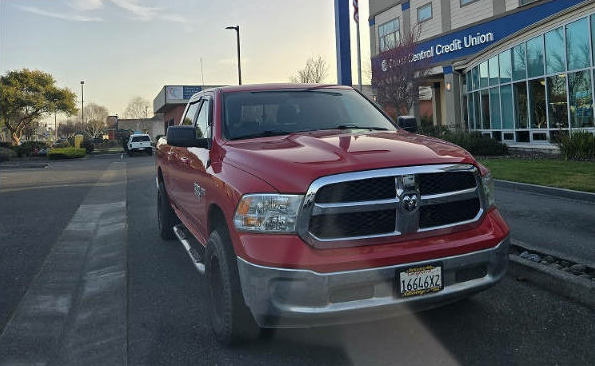
Want to skip auctions and browse repo cars directly from banks?
TL;DR, The Main Points
- Banks are emotionless sellers, they do not care about commissions, markups, or negotiation drama
- A repossessed vehicle is already a loss on a bank’s books, so speed matters more than profit
- Banks do not upsell, add surprise fees, or play pressure games
- This creates one of the fairest and cleanest buying environments in the used-vehicle market
- RepoFinder.com is the best way to find real bank-owned vehicles and contact lenders directly
The Used-Car Market Runs on Emotion
Most people do not realize how emotional the used-car market really is.
Private sellers are emotionally attached to their vehicles.
Dealers are emotionally attached to margins.
Brokers are emotionally attached to commissions.
Everywhere you look, someone has something to defend.
Except banks.
When you buy repo cars for sale directly from a bank or credit union, you are dealing with the only seller in the market that has no personal, emotional, or financial ego tied to the sale.
That single difference changes the entire experience.
What It Means When a Seller Is Emotionless
Calling banks “emotionless sellers” is not an insult. It is an advantage.
Banks do not:
- Take offers personally
- Get offended by inspections
- Argue about sentimental value
- Push add-ons or upgrades
- Create fake urgency
They are trying to do one thing only.
Convert a non-performing asset into cash and close the loss.
That clarity removes almost all of the games buyers deal with elsewhere.
Why Repossessed Vehicles Are Already a Loss
By the time a vehicle is repossessed, the bank has already lost money.
That is why pricing is often competitive compared to traditional listings, especially when browsing repo cars near you from local lenders.
The vehicle is no longer a profit opportunity. It is a problem that needs resolution.
That mindset favors buyers.
How Banks Differ From Private Sellers
Private sellers often:
- Overprice because of attachment
- Ignore flaws they have learned to live with
- Take negotiations personally
- Stall when serious buyers ask questions
Banks do not speak this way.
There is no emotional attachment to defend.
How Banks Differ From Dealers
Dealers operate under constant pressure.
- Buy low and sell high
- Protect margins
- Add fees to stay profitable
- Upsell to survive
That is why dealer transactions often include extra costs and pressure.
Banks are structured differently.
They are resolving loans, not maximizing retail profit.
Why Banks Do Not Care About Commissions or Fees
This is one of the biggest hidden advantages of buying a bank-owned vehicle.
Banks do not:
- Pay sales commissions
- Earn bonuses on higher prices
- Rely on add-ons
This removes conflicts that exist almost everywhere else in the used-car market.
Policy Replaces Personality
When you buy from a private seller or dealer, you negotiate with a person.
When you buy from a bank, you negotiate with policy.
That is a good thing.
Policy-driven sales mean clear rules, consistent responses, and predictable outcomes.
Why Banks Do Not Care Who Buys the Vehicle
Banks do not care who you are.
They care that:
- Funds are verified
- Paperwork is complete
- The transaction closes
You are not being sold to. You are completing a transaction.
The Hidden Benefit Most Buyers Miss
The biggest advantage of buying from banks is not always price.
It is clarity.
Most used-car frustration comes from noise.
Banks eliminate most of that automatically.
Why Most Buyers Never See Bank Repossessed Vehicles
Access has always been fragmented.
That is why directories that organize banks that sell repo cars are so valuable.
They bring scattered listings into one place.
What RepoFinder Does Differently
RepoFinder exists to solve one problem.
Connecting buyers directly to banks and credit unions selling repossessed vehicles.
You can explore everything from nationwide listings to repo cars for bad credit depending on your situation.
Why Buying Direct Matters
Buying direct means:
- No middlemen
- No markups
- No lead reselling
When you use RepoFinder, you contact the institution that actually owns the vehicle.
Final Takeaway
Banks are the most emotionless sellers in the used-vehicle market.
They care about closing a loss and moving on.
RepoFinder.com makes that rare selling environment accessible by connecting buyers directly to real banks and credit unions.
To start browsing, explore repo cars for sale or check repo cars near you.