

Tag Archives: financing a repo

special low financing deal on a credit union repo

How Banks and Credit Unions Offer Low Financing Rates on Repos

How Banks and Credit Unions Offer Low Financing Rates on Repo Cars

Buying a repossessed car from a bank or credit union can save you thousands of dollars. One major way they help you save is by offering financing deals as low as 1%. This is something you rarely see at dealerships or auctions. Let’s explore why they do this and how you can benefit.

credit union repo listing with special financing terms


Why Banks and Credit Unions Offer Repo Cars

Banks and credit unions sometimes need to take back cars when people stop making loan payments. These vehicles are called repossessions or “repos.”

When a bank or credit union gets a repo, they don’t want to keep it. They want to sell it quickly and recover their money. The faster they sell, the less they lose.

That’s why they are motivated to offer great financing deals. It helps the vehicle sell faster.


What Makes These Financing Deals Special

Banks and credit unions are not car dealers. They are lenders. Their goal is to get back their loan balance, not make a profit.

When you buy a repo car directly from a bank or credit union, they may offer you:

These institutions already own the car. So they have room to make the financing attractive.

special 1.5% financing on a repossessed car sold by a credit union


Why Banks Want to Sell Fast

Repos cost money to hold. Every day a repo sits in a lot, the bank loses more. There are storage costs. There’s depreciation.

Plus, the longer they wait, the harder it becomes to sell. Cars lose value fast. Banks know this.

That’s why they’re willing to cut deals. They’d rather sell fast at a discount than wait and lose more.


More Room for Negotiation

Banks and credit unions don’t use high-pressure sales. They are not trying to upsell or hide costs.

This means you have more room to talk about price and terms. Many small banks and local credit unions will work with you.

They may even pre-approve you for financing before you bid on a repo car.


Auctions vs. Bank Repo Sales

At an auction, you might pay extra fees. You usually have to pay cash. There are no financing deals.

Dealerships mark up their prices. They often add fees for paperwork, delivery, and prep. That adds up fast.

Buying from a bank cuts out the middleman. You get the car at a better price, and you can finance it too.


How the Bidding Process Works

Many banks and credit unions sell repo vehicles through bidding. Some use sealed bids. Others sell first-come, first-served.

Here’s how it usually works:

  1. Find a car on the bank’s repo list.
  2. Inspect the car (if possible).
  3. Submit your bid.
  4. If accepted, you’ll get the terms and loan info.

Some credit unions will even help arrange transport or offer warranties.


What Makes Credit Unions Different

Credit unions are member-owned. That means they care more about people than profit.

They are known for being:

  • Friendly and helpful
  • Transparent with fees
  • Willing to work with all credit types

You can expect a personal touch when buying from them. You’ll deal with people, not sales tactics.


A Trusted and Transparent Process

Banks and credit unions must follow strict rules. Their repossession sales are legal, fair, and well-documented.

You’ll usually get a clean title. They’ll tell you what they know about the car’s condition.

Many include photos, VIN numbers, and full descriptions. This helps you make an informed decision.


RepoFinder.com: The Largest List of Bank Repos

RepoFinder.com is the easiest way to find repo cars from banks and credit unions. It’s free to use and updated often.

Here’s why it’s popular:

  • One site with links to every bank and credit union repo list in the country
  • No middlemen or fees
  • Includes cars, trucks, RVs, boats, and even real estate

You deal directly with the financial institution. That means better deals, honest terms, and more trust.


Financing Terms to Look For

When buying a repo from a bank, look for:

  • Low APR (annual percentage rate)
  • No prepayment penalties
  • Short or long-term options
  • No dealer markups

Ask if they offer rate discounts for automatic payments or being a member.

special 3.55 financing rates on credit union repo vehicles


How to Get Started

Here are simple steps to start your search:

  1. Visit RepoFinder.com
  2. Click on your state
  3. Browse listings from local banks and credit unions
  4. Call or email them directly
  5. Ask about bids and financing options

Take your time, ask questions, and make sure the deal fits your budget.


Real Savings Add Up Fast

Here’s how you can save:

  • No dealer markup: Save $1,000–$3,000
  • Lower loan rates: Save hundreds in interest
  • No bogus fees: Save on documentation, prep, or shipping

All together, that can mean thousands of dollars in savings.


Personal Example

Let’s say you buy a $15,000 repo car from a credit union with 1% interest over 4 years. Your payments could be around $320/month.

At a dealer, the same car might cost $17,000 with a 6% loan. That’s $398/month. That’s a big difference.

Over 4 years, that’s a savings of more than $3,700.


Pros and Cons of Buying Bank Repos

Pros:

  • Low interest financing (as low as 1%)
  • No dealer markups
  • Transparent and legal sales
  • Trusted financial institutions
  • Direct contact with sellers
  • Personal service

Cons:

  • Limited warranties
  • No test drives in some cases
  • Sold as-is

Final Thoughts

If you want to save money on your next car, bank repos are a smart move. You’ll get better rates, trusted sellers, and a clear process.

Use RepoFinder.com to start your search. It’s the best place to find bank and credit union repos fast.


Infographic: Why Buy Repo Cars from Banks?

Title: How Buying Repo Cars from Banks Saves You Money

+-------------------------------+
|           LOW RATES          |
|     Bank APRs as low as 1%   |
+-------------------------------+
|     NO DEALER MARKUPS        |
|   Pay what the bank asks     |
+-------------------------------+
|       DIRECT FINANCING       |
|    Apply for a loan on-site  |
+-------------------------------+
|        TRANSPARENT SALES     |
|  Photos, VINs, and full info |
+-------------------------------+
|       REPOFINDER.COM         |
|   Nationwide repo listings   |
+-------------------------------+
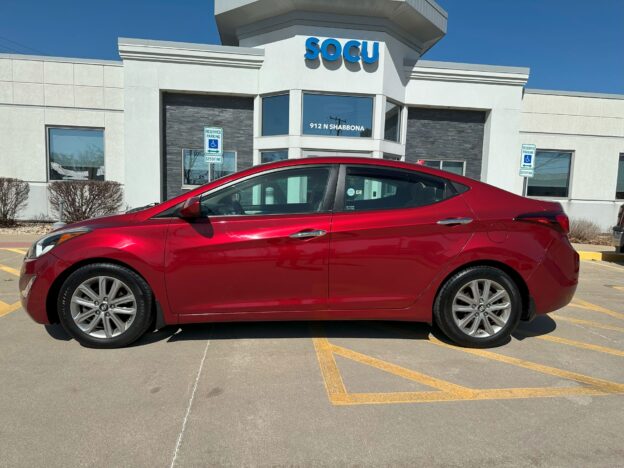

 

Financing a Repossessed Vehicle at a bank

Buying and Financing a Repossessed Vehicle at a Bank

Financing a repo for sale at a local bank or credit union

Buying and Financing a Repossessed Vehicle at a Bank

Buying a car doesn’t have to be expensive or complicated. One smart way to save money is by buying a repossessed vehicle directly from a bank or credit union. Yes! You heard that right. Banks and credit unions sell and finance repossessed vehicles directly to the public. Often times right out of the bank parking lot. Even better, some banks will offer special financing options just to move their inventory faster.

In this guide, I’ll coach you through everything step by step. You’ll learn how to:

  • Find repossessed cars through local banks using websites like RepoFinder.com.

  • Inspect and research the vehicle so you know what you’re getting.

  • Ask the bank about special financing options for a repossessed vehicle.

Let’s get started!


What Is a Repossessed Vehicle?

A repossessed vehicle, or “repo,” is a car that was taken back by a lender. This usually happens when the person who bought it couldn’t make their loan payments. The bank or credit union then sells the vehicle to recover their money.

Repos are usually:

  • Sold “as-is,” meaning no repairs or upgrades before you buy.

  • Priced lower than dealership cars.

  • Available directly from banks or credit unions.


a repo motorcycle parked in a bank lobby for sale

Why Buy and Finance a Repossessed Vehicle?

Great question. Here are some solid reasons to consider a repo:

✅ Lower Prices

Repos are often cheaper than similar cars at dealerships. Banks just want to get their money back fast.

✅ Less Competition

Not as many people know they can buy repos directly from banks. That means more options for you.

✅ Financing Flexibility

Some banks offer special financing for repossessed vehicles. They’d rather work with you than let the car sit in a lot.


Step 1: Find Repossessed Vehicles Through Banks

Okay, let’s talk about how to actually find these hidden deals.

🔍 Use RepoFinder.com to Visit Local Bank and Credit Union Websites

The easiest place to start is RepoFinder.com. It lists repos from banks and credit unions all over the country.

Here’s how it works:

  1. Go to the website.

  2. Choose your state or click “National Listings.”

  3. Browse repos by vehicle type: cars, trucks, RVs, boats, and more.

  4. Click on a repo to view details and seller contact info.

Best part? There are no fees, no middlemen, and no commissions when you buy from the bank.


Step 2: Inspect and Research the Vehicle

Now that you’ve found a car, it’s time to make sure it’s a good one.

🛠️ Step 1: Get a Vehicle History Report

Before anything else, check the car’s history. Use websites like:

Look out for:

  • Accidents

  • Flood damage

  • Odometer rollbacks

  • Title issues

A clean title is best! Ask the bank if they already have a vehicle history report. Many of them will.

👀 Step 2: Do a Visual Inspection

If the car is nearby, visit the lot and take a look.

Things to check:

What to Check What to Look For
Tires Even wear, no bald spots
Body Rust, dents, and paint damage
Windows/Lights Cracks, chips, working condition
Interior Clean seats, working electronics
Engine Compartment Leaks, smells, loose parts

Pro tip: Take pictures or a video to review later.

🔧 Step 3: Ask for a Pre-Purchase Inspection

If the bank allows it, bring a mechanic to inspect the car. Or ask if you can take it to a shop.

A mechanic can spot:

  • Transmission problems

  • Brake issues

  • Leaks

  • Engine wear

This step could save you thousands down the road.

🧠 Step 4: Compare Prices Online

Use websites like:

Compare the repo’s price to similar models. Make sure you’re getting a fair deal.


Step 3: Ask the Bank About Special Financing

Okay, so you’ve found a good repo and done your research. Now comes the best part: financing a repossessed vehicle—directly from the bank.

💰 Why Banks Offer Better Deals

Banks and credit unions want to move repossessed cars quickly. The longer a repo sits, the more it costs them.

To speed things up, they may:

  • Offer lower interest rates

  • Provide in-house financing options

  • Skip credit checks or be flexible with your score

  • Accept smaller down payments

That’s why buying from a bank can be a win-win.

📞 Questions to Ask the Bank

Before signing anything, ask the bank these key questions:

Question Why It Matters
Do you offer financing for repossessed vehicles? You want to work directly with the lender.
Is the interest rate lower than typical auto loans? Lower rates = lower payments.
Are there any special terms for buying repos? Some deals are short-term, interest-free, or skip payments for 60 days.
Can I apply even if my credit isn’t perfect? Many banks are more flexible with repo buyers.
What documents do I need? Be ready with ID, proof of income, and insurance info.

Don’t be afraid to ask questions. Banks are often happy to explain everything.

📝 Be Prepared to Apply

If the bank offers financing for a repossessed vehicle, you’ll usually need:

  • Valid ID

  • Proof of income (like pay stubs)

  • Proof of insurance

  • Down payment (sometimes)

Tip: Some banks may ask you to become a member first, especially credit unions. It’s usually easy and free. After that you’re able to buy and finance repossessed vehicles without any problem.


 repo vehicle for sale at a local credit union

Real-Life Example: Buying and Financing a Repo from a Credit Union

Let’s say you find a 2020 Ford Escape listed by a credit union on RepoFinder.com.

Here’s how the process might go:

  1. You call the credit union and ask if it’s still available.

  2. They confirm and give you details.

  3. You check the car’s history online.

  4. You ask a mechanic to look at it.

  5. You apply for financing a repossessed vehicle through the credit union.

  6. You’re approved at 4.5% interest (lower than your bank’s 7.5% offer).

  7. You sign paperwork and drive off with a great deal!

Total savings? Could be thousands over the life of the loan.


Final Tips Before You Buying of Financing a Repo

Let’s wrap things up with a few extra pointers.

✅ DO:

  • Use RepoFinder.com to make searching banks selling repos easier.

  • Research the vehicle’s value and history.

  • Ask the bank about special financing for repos.

  • Compare loan offers before you decide.

❌ DON’T:

  • Assume all repos are in bad shape—some are nearly new.

  • Skip the inspection, even if the price looks good.

  • Be afraid to negotiate—some banks are open to offers.

  • Forget to check loan terms like interest rate and length.


Conclusion: Make a Smart Move

Buying and financing a repossessed vehicle through a bank or credit union can be a smart move. You’ll often find lower prices, more flexible financing, and less competition compared to regular dealerships.

Just remember:

  • Start your search at RepoFinder.com.

  • Inspect and research each vehicle.

  • Ask the bank how they can help with financing.

You’ve got this. And I’m cheering you on every step of the way.


a repossessed truck sold at a bank