
Tag Archives: credit union repo cars

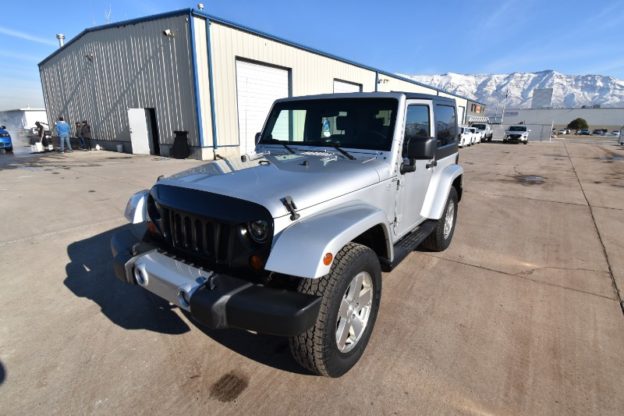
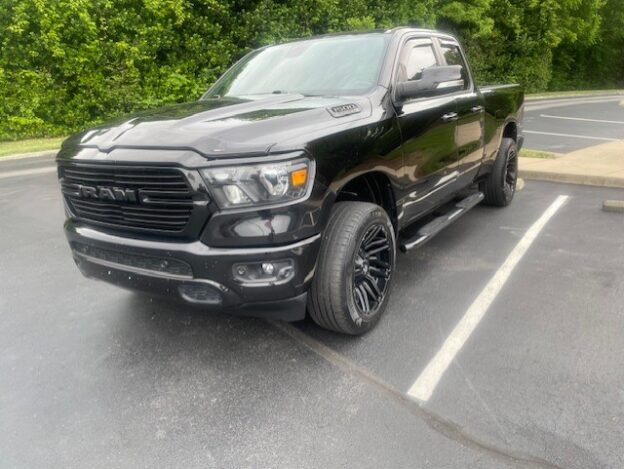
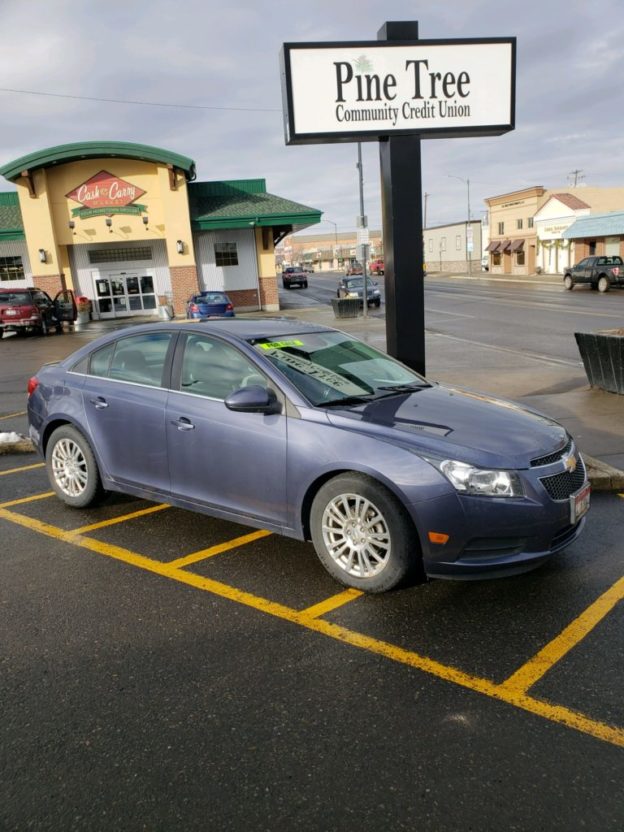
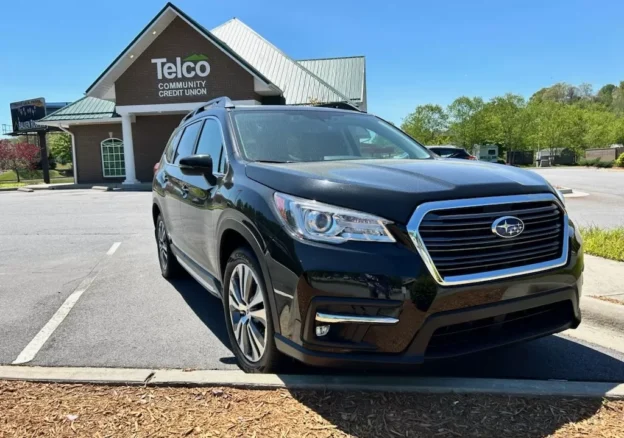
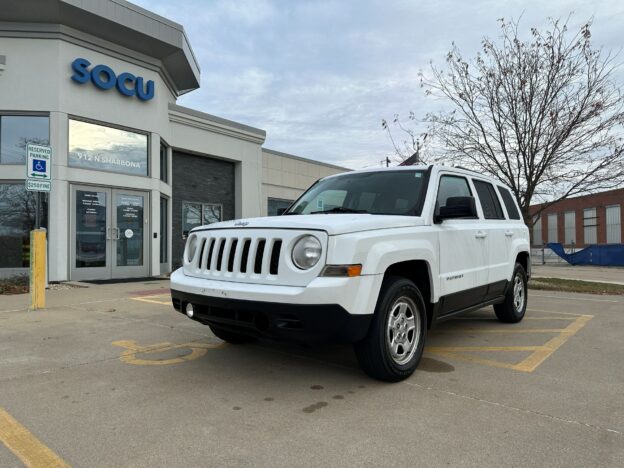
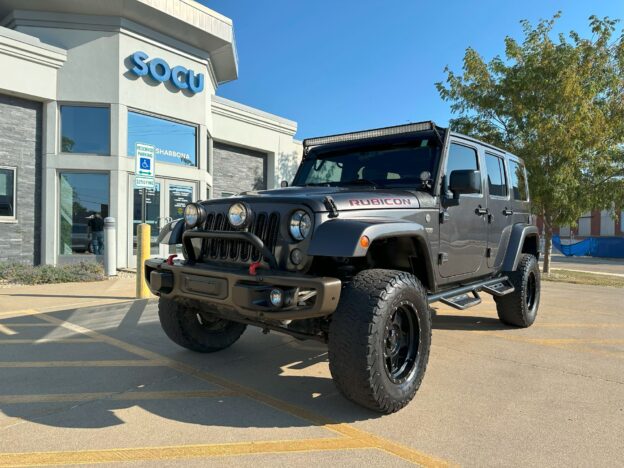
repo car for sale at a credit union

What Is a Repo Car?

What Is a Repo Car? The Clear, Professional Definition Buyers Need

If you search online for “repo cars,” you’ll find everything from clean-title bank vehicles to heavily damaged insurance write-offs mislabeled as repos. The result is a confusing marketplace where many buyers struggle to tell the difference between true repossessed vehicles and cars that simply use the word “repo” as a marketing hook.

This guide breaks through that noise with a clear definition of what a repo car actually is, how it differs from salvage and government-seized vehicles, and why true bank repos often represent some of the best-value used-car purchases available today.

Whether you’re researching your first repo purchase or strengthening your dealership or consumer-education content strategy, this article gives you an authoritative foundation.


What Is a Repo Car?

A repo car is a vehicle that has been repossessed by a bank, credit union, or financial institution because the borrower defaulted on the loan.
That’s it. No accident, flooding, insurance claim, or structural failure.

✔ The key point:

Repo cars are generally clean-title vehicles where the only “problem” is that someone stopped making their payments.

Why is this important?

Because a clean title and normal usage history make repo cars fundamentally different from salvage vehicles, flood-damaged cars, and government-seized vehicles. In the purest form, a bank repo is a mechanically sound, street-legal vehicle that went unpaid—not a vehicle that has been written off or recovered after significant damage.

Financial institutions are not in the automotive business. When a default happens, they repossess the vehicle, secure it, inspect it, and make it available for resale—typically without dealer markups, buyer fees, commissions, or hidden middlemen.

This is why many banks list their repos directly or partner with platforms like RepoFinder, which connect buyers to bank-owned inventory without additional layers of cost.


Why Repo Cars Are Generally Clean Title Vehicles

When a vehicle is repossessed, the bank expects the vehicle to be resold quickly. Unlike insurance companies, banks do not brand titles unless required by law. If a repo vehicle had a clean title before the borrower defaulted, it will almost always remain a clean title when the bank resells it.

A bank has no incentive to alter the title status because the underlying issue is financial—not mechanical.

Common misconceptions:

  • “A repo car must have problems.”
    Not necessarily. Millions of repos happen each year due to financial hardship, job loss, divorce, or unexpected medical expenses—not because the vehicle was unsafe.

  • “A repo car is risky.”
    Repo cars typically receive an inspection or condition report, and the bank has no incentive to hide issues. They simply want to recover the remaining loan balance.

If you want a deeper explanation of clean titles, see our internal guide:
👉 Understanding What a Clean Title Means (insert link to your clean-title blog)


How Repo Cars Differ From Salvage Cars

This is the area where most consumers get misled, and where salvage-auction marketing creates confusion on purpose.

A Salvage Car Is NOT a Repo Car

A salvage vehicle is a vehicle that has been declared a total loss by an insurance company because of:

  • collision damage

  • flood or fire damage

  • hail destruction

  • theft recovery

  • repair costs exceeding a certain percentage of value

Salvage cars typically go through dealer-only auctions such as Copart or IAAI, where they are sold “as is” with varying levels of damage.

Why the distinction matters

A true repo is taken for non-payment.
A salvage vehicle is taken because it was deemed unsafe or uneconomical to repair.

They are not the same.


The Salvage Industry and the Hijacking of the Word “Repo”

In recent years, some salvage sellers and auction platforms have begun labeling severely damaged vehicles as “repos” to attract buyers who associate repos with clean-title bargains. This is misleading at best—and intentionally deceptive at worst.

Examples of misleading usage you may see:

  • “Finance Repo” slapped onto a flood-damaged car

  • “Bank Repo!” describing a hail-total loss

  • “Repossession Sale!” for a theft-recovered vehicle with a salvage title

  • “Repo blowout!” for insurance write-offs

  • “Recovered Repo” for a fire or collision loss

None of these are actual repossessions by a lender.

Why the salvage industry misuses the term

Because “repo car” signals value, while “salvage” signals risk.
If a platform sells mostly salvage vehicles, rebranding them as “repo” increases traffic and conversion at the expense of buyer clarity.

Why this matters for consumers

When buyers confuse salvage vehicles with bank repos, they assume:

  • the vehicle has a clean title

  • the price reflects normal market value

  • financing may be available

  • there are no structural or mechanical issues

But salvage vehicles often need substantial repairs, may not pass safety inspections, and may be impossible to finance through traditional lenders.

This article aims to correct that industry-wide confusion.


Repo Cars vs. Government-Seized Vehicles

Government-seized cars enter the market for completely different reasons and through completely different buying channels.

What is a government-seized car?

A vehicle confiscated by:

  • U.S. Marshals

  • IRS

  • DEA

  • Local police departments

  • Homeland Security

  • Customs and Border Protection

These vehicles may come from criminal investigations, unpaid taxes, smuggling operations, or assets seized under forfeiture laws.

Why they are not repo cars

Repo cars are repossessed by lenders for loan default.
Government-seized cars are taken by authorities as legal evidence or assets.

Can government-seized cars be good deals?

Yes — but with important caveats:

  • Buying processes vary by agency, auction type, and location.

  • History may be unknown, especially if the vehicle was abandoned or seized during an arrest.

  • Damage is common, especially interior wear, storage damage, or neglect.

  • Condition reports may be limited or inconsistent.

In contrast, bank repos are much more predictable—clean titles, normal usage history, and standardized sale procedures.


How True Bank Repos Are Sold

Banks have no desire to store cars. Their goal is to:

  1. Recover the unpaid loan amount

  2. Avoid fees and commissions

  3. Sell the vehicle as efficiently as possible

Where bank repos typically get sold:

  • Directly on their website

  • Through local credit-union listings

  • Through regional lending associations

  • Through platforms like RepoFinder, which aggregate bank and credit union repo links

  • Occasionally through dealer-only auctions (not consumer-friendly)

Why direct-bank repos offer the best value

No middleman.
>No commissions.
>No buyer fees.
>No hidden markups.

When you buy directly from a lender, the price you pay is the price the bank wants for the asset—not an inflated reseller price.

Real-World Example:

  • Many credit unions and banks in the United States list repos directly on their websites.

  • Some of these list:

    • a 2021 Honda Accord with a clean title

    • priced below book value

    • inspected, detailed, and ready for sale

    • financing available through the same credit union

This is fundamentally different from a salvage auction selling a total-loss vehicle misbranded as a “repo.”


Why Repo Cars Offer Exceptional Value

1. Clean Title Advantage

Because repos aren’t insurance write-offs, most maintain a clean title—meaning fewer legal and mechanical unknowns.

2. Lower Prices Without Dealer Add-Ons

Banks don’t add:

  • documentation fees

  • dealership markups

  • auction buyer premiums

You often negotiate directly with the institution.

3. Potential for Low-Rate Financing

Some lenders even offer special interest rates on their own repos to encourage purchases and clear inventory.
(For example, many credit unions periodically advertise repo financing rates lower than standard used-vehicle loans.)

4. Transparent Process

Unlike seized-vehicle auctions or salvage platforms, banks typically provide:

  • inspection reports

  • photos

  • maintenance notes (when available)

  • simple offer forms

This creates a more predictable buying experience.

5. No Emotional Seller Factors

Private-party sellers may hide issues. Banks do not. They simply want the asset sold.


Where Buyers Can Find Legitimate Repo Cars

The best sources are always banks and credit unions. Some buyers prefer to check:

  • Local credit-union websites

  • State lending associations

  • Banks that publish repos quarterly

  • Regional financial cooperatives

To streamline this process, platforms like RepoFinder.com organize these links by state and institution, helping buyers navigate directly to the repossession inventory rather than wading through salvage marketing tactics.


Common Myths About Repo Cars

Myth #1: Repo cars have bad engines or major issues.

Reality: Most repos were daily drivers before a financial hardship.

Myth #2: Repo means “damaged.”

Reality: Repo means “loan default,” not “accident,” “fire,” or “flood.”

Myth #3: Repos are the same as seized cars.

Reality: Completely different categories, histories, and auction processes.

Myth #4: Repo cars come from shady sources.

Reality: Most come from reputable banks and regulated financial institutions.


How to Verify You’re Looking at a Real Repo Car

Here’s a simple checklist:

  • ✔ Listed by a bank or credit union

  • ✔ Clean-title status

  • ✔ No insurance company involvement

  • ✔ Price aligns with market value

  • ✔ Listing includes a neutral inspection report

  • ✔ No “salvage,” “rebuilt,” “flood,” or “total loss” language

If a seller uses the word “repo” but the vehicle carries a salvage title—or the photos show obvious damage—you’re likely looking at a misleading listing.


Why Salvage Vehicles Should Not Be Marketed as Repo Cars

This is worth stating clearly:

A salvage vehicle is not a repo vehicle in any sense of the term.

When platforms blur the distinction, consumers lose:

  • transparency

  • trust

  • safety confidence

  • financing options

  • resale value

This misuse of the term “repo” harms buyers and inflates expectations. Your ability to clarify this difference helps consumers make better decisions and protects the integrity of true bank-repo markets.


Final Thoughts: Repo Cars Are Some of the Best Deals in Today’s Used-Car Market

A repo car is simple to define:

A clean-title vehicle repossessed due to unpaid loans, not because of damage, insurance claims, or accidents.

This makes repo cars fundamentally different from:

  • salvage vehicles

  • rebuilt-title cars

  • totaled vehicles

  • government-seized cars

Banks and credit unions favor fast, transparent sales—meaning the buyer often benefits from lower prices, no middlemen, and no hidden fees.

If you want to explore real, verified bank and credit-union repo listings, you can start here:

👉 Explore bank repo listings today.

repo car for sale at a credit union in Texas where people are Bidding on Repo Cars

Step-by-Step Guide to Bidding on Repo Cars at Auctions

Step-by-step guide to bidding on repo cars at auctions

Bidding on repo cars from a bank can feel confusing.
Many people think they must use big “repo auctions” online.
That is not actually true.

There is a better way.
You can buy true repossessed cars directly from banks and credit unions.
You can do this without middlemen, games, or hidden fees.

This guide walks you through that process step by step.
You will also see how RepoFinder helps you find these cars fast.


What is a true bank repo car?

A repossessed car is a vehicle a bank took back for non-payment.
The borrower missed too many payments on the loan.

The bank does not want the car long term.
It only wants to recover as much of the loan as it can.

A true bank repo car is:

  • Taken back by a bank or credit union

  • Usually a clean title vehicle

  • Sold to reduce the bank’s loss, not to make a profit

Banks are not car dealers.
They do not need extra profit from the sale.
In fact, they expect to lose money on most repossessions.

If they send a car to a dealer auction, they may get only a fraction of value.
So they often prefer to sell it themselves to the public.


Why you must not confuse repo cars with salvage cars

Many shoppers search for “repo auctions” online.
They often land on salvage auctions instead.

This is a huge problem.

Salvage auctions usually sell:

  • Insurance total loss vehicles

  • Flood, fire, or severe collision damage cars

  • Cars that now carry a branded title, not a clean title

These are not the same as true bank repos.

Why salvage or branded title cars are risky

  • They may have hidden structural damage.

  • Future repairs can be very expensive.

  • Safety can be reduced in a future crash.

  • Many buyers and lenders avoid them.

This also hurts resale value.
Branded title cars often sell for much less later.

When you buy from a bank’s repo list, you are usually getting a clean title car.
You avoid many of the dangers that come with salvage or rebuilt vehicles.


Why banks sell repo cars cheaply

Banks and credit unions are in the money business.
They are not in the car selling business.

When a car is repossessed, the bank:

  1. Already lost time and money on missed payments.

  2. Must pay storage, insurance, and handling costs.

  3. Wants the car gone from its books as soon as possible.

Every week that car sits, the bank loses more money.

So the bank’s main goals are simple:

  • Sell the car quickly

  • Recover as much of the loan as possible

  • Move on to regular banking business

The bank is not trying to “squeeze” you like a dealer might.
It just wants a reasonable offer and a clean, fast sale.


How banks usually take bids on repo cars

Most banks use a simple bid process for repo cars.

Common methods include:

  • Highest bid wins:
    They collect offers until a deadline.
    Then they accept the best reasonable offer.

  • “Buy it now” price:
    They list a firm asking price.
    You can offer to pay that price and end the process.

Sometimes they use both.
They may list an asking price but still accept bids below that.

Remember, the bank is not required to accept every offer.
It will compare each bid with the car’s value and the loan balance.


Why RepoFinder is useful in this process

True bank repo cars can be hard to find alone.
Each bank or credit union often lists its own vehicles.
Links can be buried deep on their websites.

RepoFinder has done the hard work for you since 2009.

RepoFinder:

  • Lists banks and credit unions across the country

  • Links you directly to their repo pages

  • Focuses on true repossessions, not salvage auctions

  • Is free to use for shoppers

You are not bidding on RepoFinder itself.
You use RepoFinder to find the bank or credit union that owns the car.
Then you deal with that lender directly.


Step-by-step guide to bidding on bank repo cars

Step 1: Use RepoFinder to locate bank repo cars

Start at RepoFinder.com.

  • Choose your state or nearby states.

  • Browse the list of banks and credit unions.

  • Click through to their repo or “for sale” pages.

You will see various vehicles.
These may include cars, trucks, SUVs, RVs, and more.

Focus only on vehicles listed as repossessed or “bank owned.”


Step 2: Check the basic details and title status

Click on a vehicle that interests you.

Look for:

  • Year, make, and model

  • Mileage

  • Basic options and trim

  • Asking price or starting bid

  • Title status information

If the listing does not clearly state title status, ask the bank.
You want to confirm that it is a clean title, not salvage or rebuilt.

If the title is anything other than clean, think very carefully.
Most buyers should avoid these cars for safety and resale reasons.


Step 3: Run a vehicle history report

Before you bid, get the VIN from the listing.

Use the VIN to run a vehicle history report.
This can reveal:

  • Past accidents

  • Title changes or branding

  • Odometer issues

  • Previous owners and locations

If you see major accidents or flood damage, move on.
There are many other bank repos that may be cleaner.


Step 4: Inspect the car in person when possible

Whenever you can, see the vehicle in person.

Ask the bank:

  • Where the car is stored

  • When you can view it

  • Whether you can bring a mechanic

If they allow it, bring a trusted mechanic or knowledgeable friend.

Check:

  • Body and paint condition

  • Frame and undercarriage rust or damage

  • Tires and brakes

  • Engine noise, leaks, and smoke

  • Transmission shifting and test drive feel

If a test drive is not allowed, at least start the engine.
Listen for odd knocks, rattles, or warning lights.

Take photos and notes.
Compare the car’s condition with its price and book value.


Step 5: Talk to the bank about how bidding works

Next, speak with the bank’s contact person.

Ask clear questions like:

  • “How do you accept offers or bids?”

  • “Is there a minimum bid or reserve price?”

  • “Is there a deadline for offers?”

  • “Do you have a ‘buy it now’ price?”

  • “How will you notify me if my bid wins?”

Get these details before you submit your offer.
This prevents confusion later.

Remember, banks often collect multiple bids.
They usually accept the highest reasonable offer that meets their internal target.


Step 6: Ask about special bank repo financing

Here is a big advantage many people miss.

Because the bank already owns the car, it may offer special financing.
Sometimes, this can be as low as one percent interest for a well-qualified buyer.

Why would the bank do that?

  • You are helping remove a bad loan from their books.

  • They can turn a non-paying loan into a new, current loan.

  • They keep you as a happy new customer.

Ask questions like:

  • “Do you offer special financing if I’m bidding on repo cars?”

  • “What is the lowest interest rate available?”

  • “What are the terms and required down payment?”

Do not assume the bank rate is high.
In many repo cases, the rate is better than typical dealer financing.


Step 7: Decide your maximum bid or offer

Based on your research, set a maximum price in your mind.

Consider:

  • Book value for a clean title, similar mileage car

  • Any repairs needed now or very soon

  • Taxes, registration, and insurance

  • Your personal budget

Never bid more than your maximum.
It is easy to get caught up in winning.
Remember, you want a good deal, not just a win.


Step 8: Submit your bid or buy-it-now offer

Now you are ready to bid.

Follow the bank’s instructions exactly.
They may ask you to:

  • Fill out a bid form

  • Email your offer

  • Deliver a sealed bid to a branch

  • Place a bid through an online form

Include:

  • Your full name and contact information

  • The vehicle details and VIN

  • Your offer amount

  • Any conditions, like required inspection or financing approval

If the bank has a “buy it now” price you like, you can offer that amount.
This can beat other bidders instantly.


Step 9: Wait for the bank’s decision

After bids close, the bank will review the offers.

This process may take a few days.
They will choose the best offer based on price and the buyer’s strength.

If you win, they will contact you with next steps.
If you do not win, stay polite and thank them.
You can always bid on another vehicle later.


Step 10: Complete financing and paperwork

If your bid is accepted, move quickly.

You will usually need to:

  • Sign a purchase agreement or bill of sale

  • Finalize your loan with the bank or your own lender

  • Provide proof of insurance

  • Pay any required fees and taxes

The bank will then sign over the title to you.
Make sure the title status matches what you were promised.

Keep copies of all documents for your records.


Step 11: Take delivery and enjoy your new car

Finally, schedule pickup of the vehicle.

Inspect it again when you arrive.
Confirm that nothing has changed since your earlier visit.

  • Once you are satisfied, drive it home.
  • You now own a repo car bought directly from a bank.
  • You’ve avoided dealer games.
  • You also avoided risky salvage auctions.
  • You’ve likely saved a lot of money in the process.

Common questions about bidding on bank repo cars

Are repo cars always in bad shape?

No.
Some are rough, but many were daily drivers.
They often ended up as repos due to money problems, not abuse.

Always inspect each car on its own.


Can I get a warranty with a repo car?

Usually, repo cars are sold as-is.
That means no warranty from the bank.

You can ask about buying an extended warranty from a third party.


Do I need cash to buy a bank repo car?

Not always.
Many banks and credit unions offer financing on their own repos.
This may include special low rates, sometimes around one percent.


Is it safe to bid on repo cars online?

It can be safe if you know the bank is real.

Use RepoFinder to reach actual banks and credit unions.
Avoid random sites that mix in salvage auction cars.


Why are bank repo cars harder to find than salvage auction cars?

Banks do not spend much on marketing.
They post repos on their own websites, but usually not on giant ad platforms.

RepoFinder brings these scattered links together in one place.


Final tips when bidding on repo cars

  • Only buy clean title vehicles when possible.

  • Never confuse bank repos with salvage auction cars.

  • Use RepoFinder to find real banks and credit unions.

  • Inspect each car and run a history report.

  • Ask about special repo financing.

  • Set a firm maximum bid and stick to it.

With a little patience, you can get a safe, clean title car at a strong price.
You also help a bank cut its losses and move forward.

That is a win for both sides.

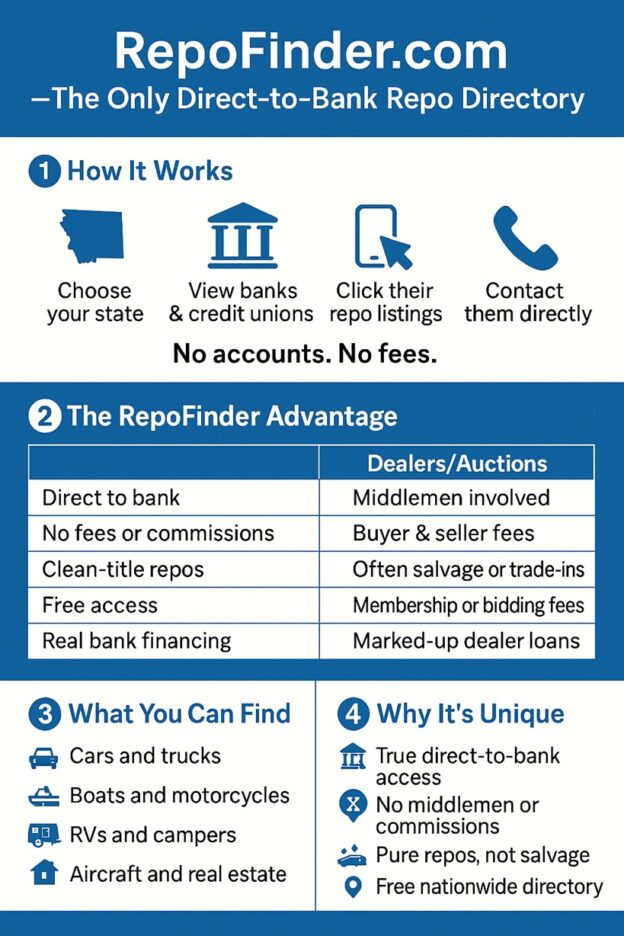
direct to bank sales with RepoFinder infographic

Why RepoFinder Is the Only True Direct-to-Bank Repo Marketplace

repo car for sale at a credit union in Texas

Why RepoFinder Is the Only True Direct-to-Bank Repo Marketplace

When most people hear the word repo, they think of cars being taken away in the middle of the night. But what happens next is what few buyers understand. Once a bank or credit union repossesses a vehicle, boat, or RV, it needs to sell it — often fast.

This is where RepoFinder.com changes the game. It’s the only website that lets regular people find and buy repos directly from banks and credit unions, without paying middlemen or dealer fees.

Let’s explore what makes RepoFinder truly unique, why banks sell this way, and how buyers can use it to save thousands.


1. The Problem With “Repo” Websites Today

Search online for repo cars or bank repos and you’ll see dozens of sites claiming to list repos. But if you click around, most of them are not direct listings from banks. Instead, they’re:

  • Dealer or auction sites that charge fees

  • Salvage auction platforms full of wrecked vehicles

  • “Middleman” listing sites that mark up prices

These sites often advertise “bank repos” but deliver something entirely different insurance totals, salvage titles, or dealer-only inventory.

The result? Buyers waste time and money chasing what they think are great deals, only to find hidden fees, bidding wars, and damaged vehicles.

RepoFinder was built to end that confusion.


2. How RepoFinder.com Works

RepoFinder.com doesn’t sell repos itself. Instead, it acts as a directory a map that shows where real bank repos are listed.

You simply choose your state, and RepoFinder gives you a list of banks and credit unions that sell repos to the public.

When you click a name, you’re taken directly to that financial institution’s own repo page. There are no markups, no commissions, and no bidding fees.

It’s like having a national phonebook for real bank repos, all in one place.

That simplicity is what makes RepoFinder one of a kind.


3. The Most Unique Attribute: Direct-to-Bank Access

Other sites insert themselves between the buyer and the bank. RepoFinder doesn’t.

This direct access is what makes it special. You’re not buying through a third party, you’re dealing directly with the source, the bank or credit union that owns the vehicle.

Why that matters:

  • You can ask questions directly about the vehicle or property.

  • You can often negotiate the price with the lender.

  • You might qualify for special repo financing, sometimes as low as 1% APR.

  • You avoid auction fees, dealer markups, and “buyer premiums.”

In short, you’re cutting out the middleman, and keeping the savings.


4. Why Banks Sell Repossessions

Banks and credit unions don’t want to own cars or boats. They’re in the lending business, not the retail business.

When a borrower stops paying, the bank repossesses the asset and tries to recover its losses. Selling directly to the public helps them do that faster.

Here’s why banks prefer direct sales:

  • They save time by avoiding auctions.

  • They keep control over the sale and paperwork.

  • They can offer better terms to qualified buyers.

  • They maintain transparency with members or customers.

That’s why so many institutions across the country now list repos online. And RepoFinder pulls them all together in one place.


5. The Benefits for Buyers

Buying a repossession through a bank offers major advantages over buying from a used-car dealer or auction.

Lower Prices

Banks aren’t trying to make a profit. They’re trying to recover what’s owed. That means many repos are priced below book value.

No Dealer Fees

Dealers often charge hundreds even thousands in “documentation,” “prep,” or “market adjustment” fees. Banks don’t.

No Commissions

When you buy from a dealer, someone’s earning a commission. With banks, there’s no sales commission ever.

Easier Paperwork

Most lenders help handle title transfers and bills of sale. That saves buyers time and reduces mistakes.

Financing Options

Some banks even reward repo buyers with special financing. A low interest rate can save hundreds of dollars every month.

With RepoFinder, all those benefits become easy to find, state by state.


6. How RepoFinder Helps You Avoid Scams

In today’s online car world, scams are everywhere. Many fake “repo” websites are set up just to collect deposits or personal information.

RepoFinder eliminates that risk by linking only to verified financial institutions. You’re never wiring money to a stranger. You’re dealing directly with legitimate banks and credit unions.

Each listing you click on takes you straight to the bank’s own website. If a site doesn’t belong to a real institution, it doesn’t appear on RepoFinder.

That’s a huge layer of safety that’s missing on most other platforms.


7. The Types of Repos You Can Find

RepoFinder isn’t just for cars. Banks repossess a wide range of assets, and you can find them all here:

  • Cars and trucks

  • SUVs and vans

  • Motorcycles

  • RVs and campers

  • Boats and personal watercraft

  • Aircraft

  • Real estate and land

From a fishing boat in Minnesota to a pickup truck in Texas, every state has something different to offer.


8. How to Use RepoFinder Step by Step

Here’s a simple guide anyone can follow:

  1. Visit RepoFinder.com

  2. Choose your state

  3. Browse the list of banks and credit unions

  4. Click any name to view its repo listings

  5. Contact the seller directly

That’s it. No login required. No membership fees. Just pure, open access to lender-owned repos.


9. RepoFinder vs. Dealer and Auction Sites

Let’s compare how RepoFinder stacks up against other “repo” platforms.

Feature RepoFinder Typical Auction Site Used Car Dealer
Direct access to bank ✅ Yes ❌ No ❌ No
Middleman or markup ❌ None ✅ Yes ✅ Yes
Buyer fees or commissions ❌ None ✅ Yes ✅ Yes
Financing options ✅ Bank offered ❌ Rare ✅ Dealer arranged
Title transfer help ✅ Yes ❌ No ✅ Yes
True repossessions ✅ Always ⚠️ Often salvage ⚠️ Trade-ins
Free to browse ✅ Always ❌ Sometimes ✅ Yes

This is why buyers trust RepoFinder. It’s simple, fair, and transparent.


10. Who Uses RepoFinder

RepoFinder isn’t just for car flippers or dealers. It’s designed for everyday people who want a fair deal.

  • Families looking for an affordable vehicle

  • DIY buyers who enjoy fixing up used cars

  • Boat lovers searching for discounted watercraft

  • RV travelers planning their next road trip

  • Investors buying properties or land

Since its launch in 2009, RepoFinder has helped millions of users find real repos without the hassle of auctions or salesmen.


11. What Makes “Pure Repo” Listings Different

One of the biggest misconceptions online is that every used car auction is a “repo.” Not true.

Many auction sites mix repos with:

  • Insurance write-offs

  • Dealer trade-ins

  • Salvage and flood vehicles

A pure repo means the asset was repossessed by a bank or credit union because of nonpayment, not damaged or destroyed.

These vehicles usually have clean titles and normal histories. That’s a big difference, and RepoFinder focuses exclusively on those.


12. Transparency and Trust Matter

Buying any used vehicle requires trust. RepoFinder has earned that trust by staying transparent.

It doesn’t take a cut of any sale. It doesn’t favor certain lenders. And it doesn’t hide listings behind paywalls.

The site’s only goal is to help people find genuine repos, straight from the source.

That honesty has made it one of the most respected names in the repo world.


13. How RepoFinder Helps Banks Too

RepoFinder isn’t just great for buyers, it’s valuable for lenders too.

Banks and credit unions can list their repos at no cost, reaching buyers who are already looking for direct sales.

By cutting out the auction process, lenders:

  • Recover losses faster

  • Avoid storage and towing costs

  • Keep repossessions transparent for members

That win-win model helps both sides, buyers save money, and lenders save time.


14. How to Spot a Genuine Bank Repo

When browsing any repo listing, look for these clues to confirm it’s legitimate:

  • The listing is hosted on a bank or credit union website

  • It includes a VIN, mileage, and clear title information

  • The contact info uses an official domain (like .org or .bank)

  • You’re asked to contact the bank directly, not a third party

All listings on RepoFinder meet those standards.


15. The Future of Direct Repo Sales

As more buyers demand transparency and online access, the repo world is shifting. Banks now see the value in listing repos online themselves.

RepoFinder has become the bridge between lenders and buyers, a simple tool that brings trust back to the process.

It’s not a dealership or an auction. It’s something better: a nationwide directory of genuine, bank-owned repos available to the public.

That’s what makes it one of the most unique automotive sites in America.


16. Final Thoughts

If you want to find a repo without the risks and hidden costs of auctions, start with RepoFinder.com.

It’s free, simple, and transparent, and it connects you straight to the source.

No middlemen.
>No markups.
>No nonsense.

Just real bank repos waiting for real buyers.


repo vehicle deal with vehicle for sale in front of a local credit union

Where Is the Best Place to Get a Deal on a Repo Vehicle?

Where Is the Best Place to Get a Deal on a Repo Vehicle?

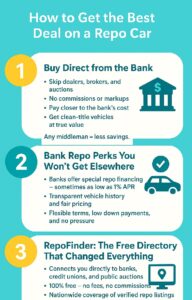
infographic on how to get the best deal on a repo

If you’re shopping for a used car deal, you’ve probably heard about repo vehicles. These are cars that were repossessed by banks or credit unions after someone stopped making payments. Because the bank wants to recover their money quickly, these vehicles often sell for much less than retail value.

But the big question is:
Where can you actually get the best deal on a repo vehicle?

After years of watching how the industry works, one truth stands out:

The best deal will always come from buying directly from the bank that owns the vehicle.

Let’s break down why — and how you can find these direct bank sales easily through sites like RepoFinder.com.


1. The Best Deal Always Comes from Buying Directly from the Bank

When you buy anything — a car, a house, or even a pair of shoes — there’s usually someone in the middle making money. That person or company is called a middleman. They buy low and sell high to make a profit.

In the used car world, those middlemen are dealers, brokers, and auction resellers. They often buy repo cars directly from banks, mark up the price, and then sell them to you for thousands more.

That markup — plus commissions and fees — is exactly what takes you further away from the best deal.

How the Markup Happens

Let’s say a bank repossesses a 2020 Honda Accord.

  • The bank might list it for $10,000 to recover their loss.

  • A dealer buys it, cleans it up, and lists it for $14,000.

  • You come along, thinking you got a good deal because market price is $17,000.

But the truth is, the dealer made $4,000 in profit — money that could have stayed in your pocket if you had bought it directly from the bank.

That’s why the best deal always starts with cutting out the middleman.


2. The Hidden Cost of Middlemen: Fees, Commissions, and Fine Print

Middlemen rarely advertise how much they make from each deal. Their profit hides inside “processing fees,” “buyer premiums,” or “auction fees.”

For example:

  • Some auction websites charge a 10% buyer’s fee.

  • Dealers may add reconditioning fees or documentation fees.

  • Brokers often take flat commissions on each sale.

These charges can easily add $500 to $2,000 to what you pay.

And it’s not just the price. Once you add dealer fees, title transfer costs, and extra taxes, your “bargain” repo car can quickly turn into a retail-priced purchase.

Buying directly from the bank eliminates all of that.
There’s no dealer, no markup, no commission — and no games.

You pay what the bank is asking, usually below wholesale value.


3. Buying Direct from the Bank Comes with Hidden Perks

Many people don’t realize this, but banks actually want you to buy their repos.
Every repo car sitting on their lot represents a loss. The faster they sell it, the faster they recover that loss.

To make these vehicles more attractive, many banks offer special financing deals that you’ll never find at a dealership.

Examples of Bank Repo Perks

  • Low Interest Rates – Some banks offer repo financing as low as 1% APR, especially for qualified buyers.

  • Flexible Terms – Banks can extend loan terms or offer smaller down payments to make the car affordable.

  • Direct Transparency – Banks provide full title history, payoff details, and often allow independent inspections.

  • No Pressure Sales – Bank sales reps don’t work on commission. Their goal isn’t to “sell you something,” it’s to clear inventory.

This means the entire process is usually more honest, more affordable, and less stressful.

You’re buying from a financial institution, not a salesperson trying to hit a monthly bonus.


4. How RepoFinder Changed the Repo Buying Game

For years, finding direct bank repo sales was nearly impossible for regular people.
Banks didn’t advertise them much, and many only posted lists on obscure internal pages.

Then came RepoFinder.com — a site that completely disrupted the repo car industry.

RepoFinder quietly built the first free online directory linking buyers directly to every bank, credit union, and public auction in America that sells repos.

What Makes RepoFinder Different

  • No Fees or Membership Costs – It’s completely free to use.

  • Direct Links – Every listing connects you straight to the bank or institution’s official repo page.

  • Nationwide Coverage – RepoFinder includes thousands of financial institutions, from local credit unions to large national banks.

  • No Middlemen – There are no dealers or brokers involved.

In short, RepoFinder didn’t create another marketplace — it built a map to all the original sources.

You’re not buying “through” RepoFinder. You’re using it to go straight to the source — the banks themselves.

That’s what makes it so powerful.


5. The Smoke and Mirrors of the Salvage Industry

Now, here’s where things get tricky.

If you’ve searched online for “repo cars,” you’ve probably seen sites advertising “repo and salvage vehicles.”
But most of these sites aren’t selling true repos at all.

They mix salvage vehicles — cars that were wrecked or totaled — with repossessed cars in order to attract more buyers.

This creates confusion. And for many shoppers, it leads to disappointment.

Salvage ≠ Repo

A repo vehicle was repossessed because the owner didn’t make payments. It’s usually still in good mechanical condition and has a clean title.

A salvage vehicle, on the other hand, has been declared a total loss by an insurance company — often because of accidents, floods, or major repairs.

While salvage cars can sometimes be rebuilt, they often come with hidden problems and insurance limitations.

Some sites use the word “repo” loosely just to draw in buyers. Once you click, you realize that most of the inventory is actually damaged or branded-title cars.

That’s the classic bait-and-switch tactic.


6. Why Big Salvage Sellers Blur the Line

Salvage auctions make huge profits from fees.
Every time someone bids, wins, or even registers, they pay something.

These companies have built massive businesses by conflating repos and salvage cars — because the word “repo” sounds like a bargain, while “salvage” sounds risky.

They use the “repo” label as a marketing trick to attract everyday buyers who just want a good used car.

But the truth is, very few of their listings are real repos from banks.

That’s why educated buyers know:

If it doesn’t come directly from a bank, it’s probably not a true repo deal.


7. The Difference Between Real Repo Deals and Auction Resales

Let’s compare a real bank repo sale versus a salvage auction sale:

Feature Bank Repo Salvage Auction
Vehicle Title Usually clean Often branded or rebuilt
Condition Normal wear May have major damage
Fees None or minimal High buyer and storage fees
Financing Often available Usually cash only
Transparency Full ownership history Limited disclosure
Middlemen None Many layers
Buyer Risk Low High

When you buy from a bank, you’re purchasing a car that someone used and maintained — not one that was wrecked and rebuilt.

It’s simply a better value and a safer investment.


8. How RepoFinder Keeps It Simple and Honest

RepoFinder doesn’t sell cars.
It doesn’t take a commission.
It doesn’t collect fees.

It’s just a directory that points you straight to the banks.

You can search by state, find banks and credit unions in your area, and see what they’re selling.

Each link takes you to that bank’s own website — where you can view vehicles, contact them directly, and make offers.

That’s the key difference: transparency.

RepoFinder doesn’t stand between you and the bank. It connects you.


9. The Process: How to Buy a Repo Car from a Bank

If you’ve never bought directly from a bank before, don’t worry — it’s simple.

Here’s how it works:

  1. Visit RepoFinder.com.
    Choose your state and browse the list of banks and credit unions.

  2. Click on the bank’s repo page.
    You’ll see a list of vehicles, sometimes with photos and descriptions.

  3. Contact the bank directly.
    You can email or call to ask about inspection, financing, and bidding.

  4. Inspect the vehicle.
    Many banks allow third-party inspections or test drives.

  5. Make your offer.
    Banks may accept bids or list fixed prices.

  6. Arrange financing or payment.
    Some banks offer special repo loans with rates as low as 1%.

  7. Close the deal and take the keys.

That’s it. No sales pitch. No buyer’s fee. Just a direct, honest transaction.


10. Why the “Quiet” Buyers Get the Best Deals

Here’s a secret: the best repo deals aren’t advertised everywhere.

Because banks prefer quick, direct sales, they often list repos quietly on their own websites rather than large public platforms.

That’s why so many great deals go unnoticed.

Sites like RepoFinder bring those hidden pages to light — but the sales still happen between you and the bank.

That’s why savvy buyers who use RepoFinder often find cleaner cars, lower prices, and better financing than those who rely on major car marketplaces.


11. Transparency Is the Real Value

When it comes to repo cars, transparency is everything.

Banks have no reason to hide a vehicle’s history. They’ll usually show:

Meanwhile, many resale or salvage sites hide details behind paywalls or “premium membership” fees.

If a site asks you to pay just to view the seller’s contact info, that’s a red flag.

With RepoFinder, everything is open and public.


12. The Future of Repo Buying: Direct, Digital, and Fair

The used car world is changing fast.
Buyers are smarter. They research everything. They want direct access and fair pricing.

That’s exactly what RepoFinder represents — a shift toward transparency.

Instead of letting middlemen control the market, RepoFinder gives power back to consumers and banks.

It’s a win-win:

  • Banks move inventory faster.

  • Buyers get better cars for less money.

And the best part?
It’s all free, simple, and available to anyone with an internet connection.


13. Tips for Getting the Absolute Best Deal on a Repo Car

If you’re ready to start searching, keep these tips in mind:

  • Start with RepoFinder. It’s the easiest way to find legitimate repo listings.

  • Avoid “repo and salvage” combo sites. Most are salvage auctions with inflated fees.

  • Check title status carefully. Make sure the car has a clean title.

  • Ask about bank financing. You could qualify for rates as low as 1%.

  • Inspect before you buy. Even repos can have wear, so check thoroughly.

  • Act quickly. Bank repo deals often sell fast.

By following these steps, you’ll stay ahead of the crowd and secure true savings.


14. Why Dealers Don’t Want You to Know This

It’s no secret that used car dealers make big profits from bank repos.
They depend on buyers not knowing where the cars originally came from.

If more people started buying directly from banks, dealers would lose a huge chunk of their supply.

That’s why you don’t see many ads saying,

“Buy direct from the bank and skip us!”

But now you know the truth.
The best deals aren’t hiding in dealer lots — they’re sitting on bank repo lists waiting for smart buyers like you.


15. The Bottom Line: The Best Deal Is Always a Bank Direct Deal

Let’s sum it up clearly:

If you truly want the best deal on a repo vehicle, don’t overthink it.
Start where the real sellers are — at the banks themselves.

And the easiest way to find them all in one place is RepoFinder.com.


when a repo man finds your car it is later sold at a bank

What Happens if the Repo Man Never Finds Your Car?

What Happens if the Repo Man Never Finds Your Car?

Have you wondered what happens if the repo man can’t find your car? The following information will help you understand the bank repossession process and what to expect.


How Repossession Usually Works

When you take out a car loan, the vehicle becomes “collateral” for that loan.
That means the lender has the right to take the car back if you stop making payments.
In most states, lenders can repossess a car without needing a court order.
This is called “self-help” repossession, and it is legal as long as it doesn’t cause a disturbance.
The repo agent cannot enter locked garages, damage property, or threaten anyone to take the car.
Usually, the car is quietly towed away while you’re at work or sleeping.


What Happens When the Car Can’t Be Found

Sometimes, the repo agent just can’t locate the vehicle.
You might have parked it in a locked garage, moved it to a new address, or kept it off the streets.
You might think you’ve avoided repossession, but that’s rarely the end of the story.
Lenders have legal options, and they will almost always use them to recover their losses.


The Lender Keeps Searching

If the lender can’t find your car, they won’t just give up.
They may hire a skip tracer or private investigator to track down the vehicle.
These professionals use databases, parking ticket records, toll payments, credit reports, and even social media.
A photo of your car in a friend’s driveway could give away its location.
Some cars also have GPS trackers or remote kill switches installed by the lender.
These devices can help disable or locate the vehicle remotely, forcing you to make contact.
Every hour spent searching adds to the cost you may eventually have to pay.


Replevin Lawsuits: When the Court Gets Involved

If the lender still can’t recover the car, they can file something called a “replevin” lawsuit.
This legal action asks a judge to order you to return the vehicle.
You’ll receive official court papers, and the case will move forward in your local court system.
If you don’t respond or fail to show up, the court will likely rule in the lender’s favor by default.
If you attend the hearing, you can explain your side, but lenders usually win these cases if you are behind on payments.


What a Court Order Really Means

Once a judge signs the replevin order, you are legally required to return the car.
Ignoring the order is considered contempt of court, which can lead to serious penalties.
In some cases, that means large fines, additional legal fees, or even jail time.
The court may also give the sheriff permission to enter your property and seize the car.
If damage occurs during that process, the cost could be added to your debt.


You Still Owe Money After the Repo

Many people believe that once the car is taken back, the loan is over—but that’s not true.
Lenders usually sell repossessed cars at wholesale auctions for a much lower price than the car’s value.
If the car sells for less than what you owe on the loan, you’re still responsible for the rest.
This is called a deficiency balance, and it can be thousands of dollars, depending on your loan.
The lender can take you back to court and ask for a money judgment to collect the remaining balance.
They will also include things like towing fees, storage costs, skip tracing expenses, legal fees, and court costs.


How Judgments Turn Into Garnishments

Once the lender gets a money judgment, they can begin collecting the debt by force.
One of the most common tools they use is wage garnishment.
This means a portion of your paycheck is sent directly to the lender until the debt is paid.
Federal law allows lenders to take up to 25% of your disposable income, though some states set lower limits.
This can continue for months or even years, depending on how much you owe.


Bank Account Levy

Another way the lender can collect is through a bank levy.
This lets them freeze your bank account and remove money to pay down your debt.
You often find out about the freeze when your card is declined or checks bounce.
Some types of income—like Social Security, child support, or veterans’ benefits—may be protected.
But in most cases, if your paycheck is already in your account, it can be taken.
You’ll need to act fast and file the right paperwork to protect those funds, if allowed by law.


Is Hiding the Car Against the Law?

Deliberately hiding your car to avoid repossession is usually a breach of your loan agreement.
In many states, it can also be considered a criminal act, especially if you do it on purpose.
Laws vary, but charges may include fraud, concealment of property, or even theft.
Some states consider it a misdemeanor, while others treat it as a felony.
If the police get involved, you could be arrested and face additional fines or probation.


Extra Fees Add Up Quickly

Even if the lender hasn’t found your car, the costs are growing every day.
Here are just a few of the extra charges that may be added to your balance:

  • Towing and Storage Fees: These are charged daily and can add up fast.

  • Skip-Tracing Costs: The lender may charge you for hiring an investigator.

  • Attorney Fees: If a lawsuit is filed, you may pay both your legal fees and theirs.

  • Court Costs: These include filing fees, service charges, and administrative expenses.

  • Property Damage: If your property is damaged during vehicle recovery, those costs may be added too.


How Repossession Hurts Your Credit

Repossession damages your credit in several ways.
First, late payments are reported to credit bureaus within 30 days of being overdue.
Each missed payment lowers your credit score more.
Once the car is repossessed, that’s listed as a major negative event on your credit report.
If the lender gets a money judgment, that too shows up on your record.
These marks can stay on your credit report for up to seven years.
During that time, it may be hard to get loans, rent an apartment, or even qualify for good insurance rates.


State Laws and Consumer Protections

Every state has different rules about repossession, vehicle seizures, and loan contracts.
Some states require lenders to send a final warning before they can repossess a vehicle.
Others may require them to wait a certain number of days after a missed payment.
A few states even require court approval before the lender can take the car back.
There may also be laws limiting how much lenders can charge for fees or how much they can garnish.
To understand your rights fully, it’s important to check your state’s consumer protection laws or speak to a lawyer.


Smart Choices to Avoid Repossession

The best time to take action is before repossession happens.
If you know you’re going to miss a payment, contact your lender as soon as possible.
Here are some smart ways to avoid the worst outcomes:

  1. Communicate with the Lender: They may offer a payment plan or delay.

  2. Refinance or Trade Down: A smaller loan or cheaper car could reduce your monthly payment.

  3. Voluntary Surrender: If you return the car willingly, it may lower fees.

  4. Sell the Car Yourself: You might get more money selling privately than the lender would at auction.

  5. Get Help from a Credit Counselor: Nonprofits can negotiate with lenders on your behalf.

  6. File for Bankruptcy: In some cases, bankruptcy may stop garnishments and reorganize your debt.

Each of these steps can help minimize the damage and give you more control over the outcome.


Why You Should Talk to a Legal Expert

Repossession laws are complicated and vary depending on where you live.
A qualified attorney can explain your rights and what options are available to you.
They may also spot illegal actions by the lender or repossession agent.
Some legal aid groups offer free help to people who can’t afford a lawyer.
Even one consultation can make a big difference in how you handle the situation.
Getting help early may reduce costs, protect your property, and avoid legal trouble.


Key Takeaways

  • Lenders rarely abandon the chase.

  • Hide the car and risk civil and criminal trouble.

  • Court orders add fines and force compliance.

  • Deficiency balances live long after the car disappears.

  • Wage garnishment and levies turn judgments into cash.

  • Extra costs and credit damage linger for years.

  • Contact the lender early and seek professional advice.

Final Thoughts

If a repo agent can’t find your car, it does not mean the problem goes away.
The lender can still sue you, and the court can force you to return the vehicle.
You may also owe thousands of dollars, even after the car is gone.
Wage garnishments, bank levies, and damaged credit can affect your life for years.
Trying to hide the car usually makes things worse and could lead to criminal charges.
Instead, take action early, talk to professionals, and look for solutions that protect your future. If you want to know more about what happens after cars are repossessed you can find local bank repo sales here at RepoFinder.com.

ALB Trailers by Owner for sale at banks

Albuquerque New Mexico Trailers for Sale by Owner

Albuquerque New Mexico Trailers for Sale by Owner: The Smart Way to Shop with RepoFinder

Repo trailer for sale by a credit union

Looking for Albuquerque New Mexico trailers for sale by owner? You’re not alone. Many buyers want to skip the middleman and avoid extra fees. But where can you find “alb trailers by owner” listings that are safe, affordable, and hassle-free?

That’s where RepoFinder.com comes in.

RepoFinder helps you find trailers for sale directly from banks and credit unions. These are true private sales—no dealers involved. That means no markups, no commissions, and no pressure.

Let’s explore how you can save money and find the right trailer using RepoFinder.


Why Look for “Alb Trailers by Owner”?

Buying a trailer from a dealership can be expensive. You pay retail prices, sales commissions, and sometimes hidden fees.

When you buy from a private seller, you often get a better deal. However, private sellers on classified websites might not be trustworthy. Some don’t provide full trailer history or may not keep their listings updated.

So what’s the solution?

RepoFinder combines the savings of private sales with the safety of buying from a verified source.

These are repos—trailers that banks have taken back after a loan default. The banks want to sell them fast and cheap. So, they list them directly to the public, without using dealerships.

This puts you, the buyer, in control.


What Makes RepoFinder Different?

RepoFinder is not a dealer. It’s also not a classifieds site. Instead, it connects you directly to banks and credit unions.

Here’s how it works:

  • Banks post their repossessed trailers for sale

  • Listings are available to the public with no signup or fees

  • You contact the bank directly—just like buying from an owner

That’s why these listings qualify as “alb trailers by owner.”

You deal with the lender who holds the title. This cuts out the middleman entirely.


Trailers You Can Find on RepoFinder

You might think repos are all damaged or outdated. Not true. Many repossessed trailers are in great shape and priced to move.

RepoFinder lists a wide range of trailers, including:

🔧 Utility Trailers

Great for hauling tools, equipment, or supplies. Perfect for small business owners or contractors.

🏕️ Recreational Trailers

Like campers and travel trailers. Ideal for weekend getaways or full-time RV living.

🐴 Horse Trailers

Common in New Mexico ranching areas. These trailers are often well-kept and gently used.

🚛 Flatbeds and Enclosed Trailers

Used for moving goods, landscaping tools, or ATVs. You’ll find all sizes and brands.

🛻 Car Haulers and Toy Haulers

Haul vehicles, bikes, or gear to your next destination.

So, whether you’re working or adventuring, there’s likely a repo trailer to fit your needs.

repossessed trailer for sale by a bank


Benefits of Buying Trailers from RepoFinder

Here’s why smart buyers start their trailer search on RepoFinder.com:

✅ No Dealer Fees

You skip dealer commissions and handling charges. That could save you hundreds—or thousands.

✅ Direct Contact

You deal straight with the bank. This is truly a private sale without pressure.

✅ Clean Titles

Most bank repos come with clear titles. No liens or shady paperwork.

✅ Fair Prices

Banks want to sell repos quickly. That means you get below market prices.

✅ Safer Than Craigslist

RepoFinder only shows listings from verified financial institutions. No scams, no sketchy sellers.


How to Buy a Trailer Through RepoFinder

Buying through RepoFinder is simple. Follow these easy steps:

  1. Visit RepoFinder.com
    Use the search tool to select New Mexico and the trailer category.

  2. Browse the Listings
    Look at photos, prices, and condition reports. Some banks list auction dates or “buy now” options.

  3. Contact the Bank
    Each listing includes bank contact info. You’ll call or email them just like you would a private seller.

  4. Inspect the Trailer
    Most banks allow in-person inspections or will share detailed reports.

  5. Make an Offer
    You may be able to negotiate. Or you can submit a bid if the bank uses an auction format.

  6. Arrange Payment
    Once the deal is done, you’ll pay the bank directly.

  7. Pick Up Your Trailer
    After payment clears, you take possession. Some banks even offer delivery or help with paperwork.

That’s it! Fast, simple, and totally transparent.


Bank owned 5th wheel trailer for sale

Albuquerque Buyers: What to Know

Albuquerque, New Mexico is a great place to own a trailer. Whether you’re towing for work or fun, you need a deal you can trust.

RepoFinder listings often come from local banks or regional credit unions. That means the trailers are usually located near Albuquerque, Rio Rancho, or surrounding areas.

Buying close to home saves on transport costs and makes inspections easier.

Even better, New Mexico’s dry climate means many used trailers are in better condition than you’d expect.


Tips for Buying a Bank-Owned Trailer

If you’re new to repos, here are some tips to help:

  • Act Fast: Good deals don’t last long. Trailers can sell within days.

  • Be Prepared: Have your payment method ready. Some banks require cash, certified check, or pre-approved financing.

  • Inspect Thoroughly: Don’t assume the trailer is perfect. Look for signs of wear, water damage, or missing parts.

  • Ask Questions: Contact the bank about maintenance history, registration, or known issues.

  • Bring ID: When finalizing your purchase, most banks will ask for ID and title transfer documents.


Frequently Asked Questions (FAQ)

Are these trailers sold at auction?

Some are. Others are sold on a first-come, first-served basis. Listings will usually say which format.

Do I need a dealer’s license?

No. Anyone can buy from RepoFinder listings. You don’t need a license or a business to qualify.

Can I get financing?

Sometimes. Some banks may offer in-house financing. Others will expect cash. Ask about options when you call.

Are these listings updated often?

Yes. RepoFinder pulls live listings from banks across the country. Check back regularly for new inventory.


Save Money. Skip the Dealer. Buy Direct.

If you’re searching for alb trailers by owner, don’t waste time on sketchy listings or overpriced dealers. Visit RepoFinder.com today.

There’s no fee to browse, and no account is needed.

You’ll get the private-sale price without the private-sale risk. That’s because banks don’t need to profit from the sale—they just want to recoup loan losses.

That puts you in the best position to find a deal, fast.


Ready to Find Your Trailer?

Visit RepoFinder.com and select New Mexico to get started.

Search for:

  • Utility trailers

  • Campers

  • Travel trailers

  • Toy haulers

  • Enclosed trailers

  • Car haulers

  • And more!

It’s fast, free, and a better way to buy.


Florida Credit Union Repos for sale in Florida

Where to Buy Florida Credit Union Repos

Where to Buy Florida Credit Union Repos

Looking for a great deal on a car, truck, or property? You’re in the right place. This guide will show you where to buy Florida Credit Union repos, and how to save big by purchasing directly from banks and credit unions. Whether you’re new to repos or just want to skip the middleman, we’ve got you covered.

A Quick Look at Florida Credit Union

Florida Credit Union (FCU) was established in 1954 to serve educators in Alachua County. Over the years, it has grown and now serves members across many parts of Florida. You’ll find Florida Credit Union branches in cities like Gainesville, Ocala, Lake City, and The Villages. With a strong presence across North and Central Florida, FCU offers everything from savings accounts to home loans—and yes, repossessed vehicles and properties for sale.

You can view their current listings here: Florida Credit Union

What Are Repos and Why Are They For Sale?

When someone can’t make payments on a loan for a car, truck, RV, or home, the lender can take it back. This process is called repossession. After that, the bank or credit union will often sell the item to recover the money it’s owed.

Banks like Florida Credit Union don’t want to keep these repossessed items. Instead, they want to sell them quickly, which means they’re often listed below market value. This gives buyers a chance to get great deals—without paying commissions or dealer fees.

Why Buy Florida Credit Union Repos?

There are many benefits to buying a repossessed item directly from a credit union like FCU:

  1. No dealer markups – You’re buying straight from the lender.
  2. No commissions – It’s more like a private party sale.
  3. Quick process – Credit unions want to sell quickly.
  4. Financing options – Many offer low-rate financing to buyers.

How Does the Repo Process Work?

Here’s how the process works step-by-step:

  1. A borrower stops making loan payments.
  2. The credit union repossesses the car, truck, boat, RV, or home.
  3. The item is cleaned, inspected, and listed for sale.
  4. Interested buyers can view the listings and place an offer.

This means you’re getting an item that has likely been reviewed and prepared for resale—plus, you avoid auctions.

Where to Buy Florida Credit Union Repos Online

You can always check the Florida Credit Union listings, but for the best results, start your search at RepoFinder.com. RepoFinder is the only website that lets you browse bank and credit union repos directly from the source.

Unlike auction sites or car dealers, RepoFinder doesn’t charge fees or act as a middleman. It connects you directly to the seller—the credit union or bank. This means more savings and no pressure.

➡️ Check out this helpful blog from RepoFinder: Buying and Financing a Repossessed Vehicle at a Bank

Types of Repossessed Property You Can Buy

Florida Credit Union and other banks sell many types of repossessed property:

  • Cars and trucks
  • SUVs and vans
  • Motorcycles and ATVs
  • Boats and RVs
  • Real estate (homes, land, condos)

Because the credit union is trying to recover money, you can often get these for below retail price. It’s a smart way to buy.

5 Tips for Buying Florida Credit Union Repos

Let’s go over some easy tips to help you buy your first repo with confidence:

1. Start at RepoFinder.com

It’s the best place to find credit union and bank repo listings all in one place.

2. Research the Vehicle

Look up the car’s value using Kelley Blue Book. Check its vehicle history with a VIN report.

3. Ask Questions

Before you buy, ask about the condition.

4. Get Pre-Approved

See if Florida Credit Union will finance your repo purchase. Many credit unions offer this to buyers.

5. Act Quickly

Repos can sell fast. If you find a good deal, don’t wait too long.

How RepoFinder Makes Buying Repos Easy

RepoFinder stands out from dealer auctions and used car websites. Here’s why:

  • No salespeople or pressure.
  • No middleman or hidden fees.
  • It’s like buying from a friend—not a business.
  • It’s the only site that connects you to banks and credit unions directly.

Final Thoughts on Where to Buy Florida Credit Union Repos

Buying a repossessed car or property might sound complicated, but in reality it’s not. It’s easier and cheaper than going through a dealer because you avoid all the high pressure sales and back and forth. Florida Credit Union repos are well worth looking into if you want to save money, avoid fees, and buy directly from the lender.

Remember, use RepoFinder.com as your first step. It’s the only website that brings all bank and credit union repo listings together in one easy-to-use place.


Southern Energy Credit Union Repos For Sale in Alabama

Where to Buy Southern Energy Credit Union Repos

Where to Buy Southern Energy Credit Union Repos

If you’re looking for a smart and affordable way to buy a car, truck, or even a boat, learning where to buy Southern Energy Credit Union repos is a great place to start. These repossessed vehicles and items are sold directly by the credit union, which means you avoid the middleman. That means more savings, fewer fees, and better value for your money.

Southern Energy Credit Union is located in Alabama, but its great deals are available to many nearby communities. Even better, the process is easy to understand, and anyone can take advantage of these opportunities.


A Little History About Southern Energy Credit Union

Southern Energy Credit Union (SECU) was founded to serve the hardworking people of Alabama’s energy and utility industries. Since opening, it has expanded to help members from all walks of life. The credit union offers services like checking accounts, loans, and savings options.

SECU is based in Alabama and proudly serves cities such as:

  • Hoover
  • Birmingham
  • Montgomery
  • Mobile

The credit union is committed to helping members reach financial wellness. That includes offering great deals on repossessed items.


Why Do Banks and Credit Unions Have Repossessed Vehicles?

Sometimes, people borrow money to buy a car, boat, or RV. If they stop making payments, the bank or credit union has to take the item back. This is called a repossession or repo.

Since Southern Energy Credit Union doesn’t want to keep these repossessed items, they sell them. That’s where you come in! You can buy them at a discount.


What Can You Find in Southern Energy Credit Union Repos?

At Southern Energy Credit Union, you might find:

  1. Cars – Reliable sedans, SUVs, or trucks.
  2. Motorcycles – For those who love two-wheel adventures.
  3. Boats – For fishing or fun weekends on the lake.
  4. ATVs and RVs – Perfect for off-road or travel lovers.
  5. Real Estate – Homes, lots, or even commercial properties.

You can view the available repos here: Southern Energy CU Repos for Sale.


The Value in Buying Repos from Southern Energy Credit Union

There are many reasons why buyers love repo sales. Let’s take a look:

1. No Commission Fees

When you buy directly from the credit union, there’s no dealer involved. That means you skip the extra fees.

2. Better Prices

Banks and credit unions just want to recover their losses. So, they price repos lower than dealerships.

3. Simple Process

There’s no pressure or gimmicks. What you see is what you get.

4. Room to Negotiate

Some credit unions allow you to make offers. That means you might pay even less.


Where to Start: Use RepoFinder to Shop Southern Energy CU Repos

RepoFinder.com is the best place to begin your repo search. It’s the only website that connects you directly to bank and credit union repo cars for sale.

Here’s why RepoFinder is unique:

  • It doesn’t charge you.
  • There’s no middleman or commission.
  • You contact the bank or credit union directly.

Most other sites are run by dealers or auctions. They often charge fees. RepoFinder gives you a private party buying experience with trusted banks and credit unions.

You can even read this helpful blog post: Buying and Financing a Repossessed Vehicle at a Bank


How to Buy Repossessed Vehicles from Southern Energy CU

Follow these easy steps to buy a repo from SECU:

1. Check the Repo Listings

Start by visiting SECU’s Repo Page. Look through the current listings.

2. Inspect the Vehicle or Property

If possible, check it out in person. Make sure it runs well or is in good shape.

3. Do Your Research

Look up the vehicle’s value on sites like Kelley Blue Book. That helps you know if you’re getting a deal.

4. Ask About Financing

SECU may offer financing for their repos. That makes it easier to buy the item without needing full cash up front.

5. Submit Your Offer

Sometimes there’s a set price. Other times you can make an offer. Follow the instructions on the listing page.

6. Complete the Paperwork

Once your offer is accepted, sign the paperwork and take ownership. It’s that simple!


Tips for First-Time SECU Repo Buyers

Buying a repo can feel new or confusing, but these tips can help:

  • Always ask if you can test drive the vehicle.
  • Bring a mechanic if you don’t know what to look for.
  • Don’t rush—take your time reviewing the deal.
  • Get financing set up early if needed.
  • Use RepoFinder to compare listings from many credit unions.

Southern Energy Credit Union Repos Offer Real Savings

The big reason people love repos is the huge savings. Since you’re buying directly from the source, you:

  • Avoid dealer markups.
  • Skip auction fees.
  • Can sometimes negotiate your price.

This makes buying a car or property feel more like buying from a friend than a business.


Other Questions People Ask

Are repo vehicles risky to buy?

Not if you do your homework. Inspect the car and ask questions. Many repos are in great condition.

Do I need to be a credit union member to buy?

Sometimes yes, but not always. Check with the credit union. Membership is often easy to get.

Can I finance a repo vehicle?

Yes! Many banks and credit unions offer loans for their repos. Ask about rates and terms.


Final Thoughts: Where to Buy Southern Energy Credit Union Repos

When it comes to finding bank and credit union repo cars for sale, Southern Energy Credit Union is a smart choice. They offer quality repos at great prices. Whether you’re searching for a car, motorcycle, or even real estate, this Alabama credit union makes it easy.

Even better, RepoFinder helps you find these deals quickly and easily. Unlike auction sites or used car dealers, RepoFinder gives you direct access. That means no fees, no gimmicks, and no pressure—just good deals.

Start your search today at RepoFinder.com and see what’s available near you.


MC Federal Credit Union repos for sale in Pennsylvania

Where to Buy MC Federal Credit Union Repos

Looking for a great deal on a car, truck, RV, or even real estate? Buying repossessed vehicles and properties directly from MC Federal Credit Union can save you thousands. Unlike dealerships or auctions, purchasing bank and credit union repo cars for sale means no middleman, no commissions, and no extra fees—just real savings.

MC Federal Credit Union, headquartered in Pennsylvania, has been serving its members for decades. It provides financial services to communities like Danville, Bloomsburg, Lewisburg, and Sunbury. Like most financial institutions, MC Federal occasionally repossesses vehicles and properties when borrowers default on their loans. These repossessions are then resold—often at significantly lower prices than what you’d find at a dealership.

Why Buy MC Federal Credit Union Repos?

Purchasing a repossessed vehicle or property from a credit union comes with major benefits:

  1. Lower Prices – Credit unions are not car dealerships. Their goal is to recover the remaining loan balance, so repo prices are often far below market value.
  2. No Dealer Markups – Buying directly from MC Federal means no hidden fees or dealership markups.
  3. Diverse Inventory – Repossessions can include cars, motorcycles, boats, RVs, ATVs, and even real estate.
  4. Private Party-Like Sales – Since you’re dealing directly with the credit union, the process is similar to a private party sale, not a dealer transaction.

How MC Federal Credit Union Repossessions Happen

When a borrower fails to make payments on their loan, MC Federal Credit Union may need to repossess the asset. This could be a car, truck, boat, or even a house. Once the credit union takes possession, they list the items for sale to recover their losses. This creates a unique opportunity for buyers to purchase vehicles or real estate at a discounted price.

Where to Buy MC Federal Credit Union Repos

If you want to see the latest repossessed vehicles and properties from MC Federal Credit Union, visit their official repo listings: MC Federal Credit Union Property for Sale.

For even more bank and credit union repo cars for sale, check out RepoFinder.com—the only website that directly connects buyers to banks and credit unions selling repossessions. Unlike dealer-only auctions, RepoFinder makes these listings available to the public with no middleman fees.

How to Buy a Repossessed Vehicle from MC Federal Credit Union

  1. Visit the Repo Listings – Browse available repossessions on MC Federal’s repo page.
  2. Research the Vehicle – Look up the make, model, and history. Use a service like Carfax to check for accidents or title issues.
  3. Inspect the Repo – Many repos are sold as-is, so it’s a good idea to inspect them before buying.
  4. Make an Offer – Some repos have set prices, while others allow bidding.
  5. Complete the Purchase – If your offer is accepted, work with MC Federal to finalize the payment and paperwork.

Common Questions About Buying Repossessed Vehicles

Are repo cars in bad condition?

Not always! Many repo cars are in great shape, but some may need minor repairs. Always inspect before purchasing.

Can I finance a repossessed vehicle?

Yes! Many credit unions, including MC Federal, offer financing for repossessed vehicles.

What kinds of repossessions are available?

MC Federal lists a variety of repos, including cars, trucks, motorcycles, RVs, boats, ATVs, and homes.

Why RepoFinder.com is the Best Place to Start

If you want access to even more repo deals, RepoFinder.com is the best resource. Unlike other sites that charge fees or limit access to dealers, RepoFinder provides a free, public directory of bank and credit union repos across the U.S..

RepoFinder Benefits:

  • Direct access to bank and credit union repos
  • No dealer fees or commissions
  • Regularly updated repo listings
  • Easier, more affordable buying process

With RepoFinder, you can buy like a private party sale—not a dealership transaction. It’s the only website that connects buyers directly to banks and credit unions for hassle-free, fee-free repo purchases.

Final Thoughts

Buying repo vehicles or properties from MC Federal Credit Union is a smart way to save money. With no dealer fees, no commissions, and direct access to credit union sales, you get the best possible deal. Whether you’re shopping for a car, truck, boat, or home, checking out repossessed listings is a smart financial move.

Start by browsing MC Federal Credit Union’s repo listings here or visit RepoFinder.com to explore even more repo opportunities!


Wesla Federal Credit Union Repos for sale in Louisiana

Where to Buy Wesla Federal Credit Union Repos

Where to Buy Wesla Federal Credit Union Repos

Looking for a great deal on a car, truck, or even a boat? You’re in the right place! Buying repossessed vehicles directly from banks and credit unions like Wesla Federal Credit Union repos can help you save big—without dealer markups or commissions. And when it comes to finding these deals, RepoFinder.com is your best starting point.

Why Buy a Repo? The Savings Are Real

When someone misses too many payments on a loan, banks and credit unions often repossess the vehicle. Instead of letting these repossessed (repo) items sit, they resell them—usually at a lower price than you’d find at a dealership.

Here’s the big win for you:

  • No commissions: Buying directly from banks like Wesla FCU cuts out the middleman.
  • Lower prices: Financial institutions just want to recover their loan balance, not turn a profit.
  • Direct deals: Think of it as buying straight from the source—like a private party sale, but safer.

A Quick History of Wesla Federal Credit Union

Founded in 1968, Wesla Federal Credit Union has been serving the financial needs of communities in Shreveport and surrounding areas in Louisiana. With a strong focus on supporting local families, Wesla FCU offers everything from savings accounts to affordable car loans. Over the decades, it’s become a trusted name in northwest Louisiana’s financial scene.

Now, they also help people save money through their repossessed vehicle sales.


How to Buy Wesla Federal Credit Union Repos

You’re probably wondering, “How do I even start buying a repo vehicle?” Here’s a step-by-step breakdown.

1. Find Available Listings

The first step is simple: check out the Wesla Federal Credit Union repossessed vehicles page. This is where you’ll find the latest cars, trucks, or SUVs they’re selling directly.

2. Research the Vehicle

Do your homework! Look up:

  • The car’s market value (use sites like Kelley Blue Book).
  • Vehicle history reports (services like Carfax).
  • Any mechanical issues through a trusted mechanic.

3. Inspect the Repo in Person

If possible, set up a time with Wesla FCU to inspect the vehicle. Always check:

  • The condition of the tires and brakes.
  • Any signs of previous accidents or damage.
  • Mileage and overall cleanliness.

4. Make an Offer

Most repos are sold as-is, meaning there’s no room for negotiation—but sometimes, you can submit an offer. Be ready to pay quickly if your offer is accepted.

5. Finalize the Purchase

Once your offer is accepted:

  • Sign any necessary paperwork.
  • Handle registration and insurance.
  • Drive away with your new (to you) vehicle!

Why Use RepoFinder.com?

Sure, you could search every bank and credit union website one by one—but why bother? RepoFinder.com is the only website that links you directly to banks and credit unions nationwide, including Wesla Federal Credit Union.

Here’s why it stands out:

  • No middlemen: You deal directly with the lender.
  • No commissions or extra fees: Unlike dealer auctions.
  • Nationwide listings: Access repos from across the U.S.

Check out this helpful guide from RepoFinder: How to Buy Bank Repossessed Cars.


What Types of Repos Can You Buy from Wesla FCU?

At Wesla Federal Credit Union, you’ll find more than just cars. Here’s what might be available:

  1. Cars and Trucks
    From sedans to pickups—get reliable transportation for less.

  2. Motorcycles and ATVs
    Perfect for weekend adventures at a fraction of dealership prices.

  3. Boats and RVs
    Ready for summer? Snag a repo boat or RV and hit the water (or road) without draining your wallet.

  4. Real Estate
    Occasionally, banks repossess homes or land. These listings offer potential for huge savings if you’re looking to invest.


Local Cities Wesla FCU Serves

Wesla Federal Credit Union mainly serves cities in northwest Louisiana like:

  • Shreveport
  • Bossier City
  • Minden
  • Blanchard
  • Keithville

If you live nearby, this is a great opportunity to buy a repo car close to home.


FAQs: Buying Repos from Banks and Credit Unions

Q: Are repo cars a good deal?
A: Yes! Banks and credit unions like Wesla FCU aren’t trying to make a profit—they just want to recover their loan losses.

Q: Can I test-drive a repossessed car?
A: It depends on the bank’s policies. Contact Wesla FCU directly to ask about inspections and test drives.

Q: Do repo cars come with warranties?
A: Most repos are sold as-is without a warranty. Always inspect the vehicle thoroughly.

Q: How do banks get repo cars?
A: When borrowers default on their loans, the lender has the legal right to repossess the vehicle. They then sell it to recover the unpaid loan amount.


Final Thoughts: The Best Place to Buy Wesla Federal Credit Union Repos

If you’re ready to snag a great deal, start with RepoFinder.com. It’s the only site that connects you directly with banks and credit unions like Wesla Federal Credit Union—no middlemen, no commissions, and no wasted time.

Plus, you’ll find a variety of repossessed vehicles and properties from all over the country in one easy-to-use spot.

Start browsing the Wesla Federal Credit Union repo listings today. Happy car hunting!