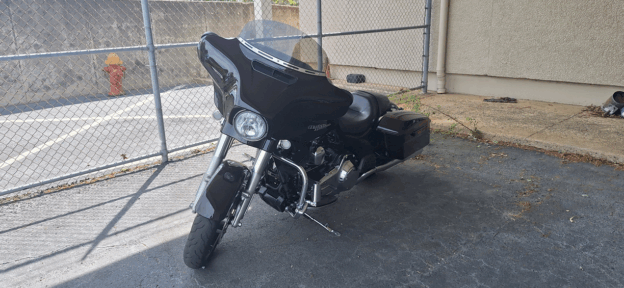
Category Archives: Repo Motorcycles

Members Community Credit Union repos for sale in Iowa

Where to Find Members Community Credit Union Repos

Where to Find Members Community Credit Union Repos

Buying a repossessed car, truck, boat, or even real estate can save you thousands. If you are searching for Members Community Credit Union repos, you are in the right place. MCCU, a trusted credit union in Iowa, sells repossessed vehicles and property directly to buyers. Unlike dealerships, buying directly from a credit union means no middleman fees or commissions.

One of the best places to find bank and credit union repo vehicles is RepoFinder.com. RepoFinder is the only website that connects buyers directly to banks and credit unions. That means more savings and a simple, hassle-free buying process.

What is Members Community Credit Union?

Members Community Credit Union (MCCU) is a financial institution serving Iowa residents. It was founded to help members with better banking services, low-interest loans, and fair lending practices. Over the years, MCCU has become a trusted source for auto loans, mortgages, and financial advice.

Like all credit unions, MCCU provides loans to members. However, when borrowers fail to make payments, MCCU may repossess the vehicle or property. These repossessed assets, known as repos, are then sold to recover the loan balance. This is where smart buyers can find great deals on used cars, trucks, motorcycles, boats, RVs, ATVs, and even real estate.

Why Buy a Repossessed Vehicle from MCCU?

Buying a repossessed car or truck from Members Community Credit Union has many benefits:

  1. Lower Prices – Repo vehicles are sold below market value to recover the unpaid loan.
  2. No Dealer Fees – Unlike dealerships, MCCU does not charge commissions or markups.
  3. Direct Sales – You buy directly from the credit union, like a private party sale.
  4. Fair Market Value – Many repos are newer models with low miles.
  5. Multiple Vehicle Types – MCCU repos include cars, trucks, SUVs, motorcycles, boats, and RVs.
  6. Financing Options – Credit unions often offer financing on their own repo vehicles.

You can view available MCCU repos for sale on their website: Members Community Credit Union Repos.

Where to Find Members Community Credit Union Repos

Finding MCCU repossessed vehicles is easier than you think. Here are the best places to look:

1. Members Community Credit Union Website

MCCU lists its repossessed cars, trucks, boats, and other assets on its website. You can check their inventory and contact them directly about purchasing.

2. RepoFinder – The Best Website for Bank & Credit Union Repos

RepoFinder.com is the only repo website that links buyers directly to banks and credit unions. Many other websites only list dealer auctions, but RepoFinder lets you buy repos like a private party sale. This means you skip dealer fees and middlemen, saving you money.

RepoFinder makes searching for bank and credit union repo cars for sale easy. Simply choose your state and find available repo vehicles from banks and credit unions in your area.

How Do Banks & Credit Unions Repossess and Sell Vehicles?

When borrowers default on their loans, banks and credit unions repossess vehicles to recover their losses. Here’s how the process works:

  1. Loan Default – If a borrower stops making payments, the bank or credit union takes back the vehicle.
  2. Repossession – A repo company retrieves the vehicle for the lender.
  3. Inspection & Valuation – The lender checks the car’s condition and sets a price.
  4. Sale to the Public – The vehicle is listed for sale on the credit union’s website or a repo listing site like RepoFinder.

Since banks are not in the business of selling cars, they often sell repossessed vehicles below market value. This creates a great opportunity for buyers to get a reliable car for less money.

Tips for Buying a Repo Vehicle from MCCU

Buying a Members Community Credit Union repo is a smart way to save, but here are some tips to get the best deal:

  1. Check the MCCU Repo List Often – New repos are added regularly.
  2. Inspect the Vehicle – Many repos are sold as-is, so check the condition before buying.
  3. Research the Market Price – Compare prices to ensure you’re getting a great deal.
  4. Ask About Financing – MCCU may offer financing for its repo vehicles.
  5. Act Fast – Good deals don’t last long!

The RepoFinder Advantage: Buy Repos Without Middleman Fees

Unlike dealer auctions, RepoFinder is the only website that connects buyers directly with banks and credit unions. Here’s why this matters:

  • No Commissions or Fees – You buy directly from the lender, like a private sale.
  • More Savings – No dealer markups mean lower prices.
  • Trusted Lenders – All vehicles come from reputable financial institutions.
  • Easy Search – Find repo vehicles from MCCU and other banks in one place.

Start Shopping for MCCU Repos Today!

If you’re looking for a low-cost vehicle from Members Community Credit Union, start by checking their website Then, visit RepoFinder.com to explore more bank and credit union repos near you. By buying directly from financial institutions, you’ll save money and get a great deal on your next vehicle!


Citizens Bank of West Virginia Repos for Sale in West Virginia

Where to Find Citizens Bank of West Virginia Repos

Where to Find Citizens Bank of West Virginia Repos

Are you looking to save big on a car, truck, or even real estate? Purchasing repossessed property directly from banks like Citizens Bank of West Virginia repos is a smart choice. CBWV offers an opportunity to buy vehicles and property at great prices without paying dealer fees or commissions. Let’s explore how you can find these deals and why RepoFinder.com is your ultimate tool for finding repossessions from banks and credit unions.

What Is Citizens Bank of West Virginia?

Citizens Bank of West Virginia, or CBWV, is a trusted credit union located in West Virginia. They provide various financial services, including savings accounts, loans, and mortgages. CBWV has a long history of helping its members and the community with their financial needs. A unique service offered by CBWV is the sale of repossessed property, including vehicles and real estate. When borrowers fail to pay their loans, the bank repossesses the collateral, such as cars or homes. These repossessions are then resold to recover the loan amount.

Learn more about CBWV’s property sales on their official website.


Why Buy Repossessed Property?

Repossessed property offers buyers significant savings compared to traditional purchases. Here’s why:

  1. Lower Prices Repossessed items are typically sold below market value because banks aim to recover the loan balance quickly.
  2. No Middleman Fees Buying directly from a bank eliminates dealer commissions and auction fees, reducing the overall cost.
  3. Wide Selection You can find cars, trucks, boats, motorcycles, RVs, and even real estate among repossessed assets.
  4. Good Condition Many repossessed vehicles are in good condition, often coming with low mileage or minor wear.
  5. Transparency Banks like CBWV are upfront about the condition of the property, so there are no hidden surprises.

How Do Banks Get Repossessed Property?

When someone takes a loan for a car, house, or other property, the bank uses the item as collateral. If the borrower stops making payments, the bank repossesses the item to recover their money. Banks like CBWV then resell these repossessions. Since financial institutions are not in the business of selling property, they price these items to sell quickly.


Where to Find Citizens Bank of West Virginia Repos

Finding CBWV repossessions is easier than you might think. Here are the steps to get started:

  1. Visit CBWV’s Website Start your search on the Citizens Bank of West Virginia property sales page. They list available repossessed vehicles and properties.
  2. Check RepoFinder.com RepoFinder.com is the best place to find repossessions from banks and credit unions. This unique site connects buyers directly to banks like CBWV. It’s different from dealerships or auctions because there are no middlemen involved.

    Explore bank repossessions on RepoFinder.com.

  3. Contact the Bank Once you find a listing you like, reach out to CBWV for more details. Ask about the property’s condition, history, and any available inspections.
  4. Inspect the Property Before making a purchase, inspect the vehicle or property. Banks often allow you to see the item in person.
  5. Place Your Bid Many banks use a bidding system for repossessed items. Submit a competitive offer to increase your chances of winning.

Tips for First-Time Repo Buyers

Buying repossessed property might feel intimidating at first. Follow these tips to make the process smooth:

  1. Set a Budget Know how much you can spend and stick to it.
  2. Do Your Research Use tools like Kelley Blue Book to check the market value of vehicles. This helps you spot a good deal.
  3. Inspect the Item Check the condition of the property before committing. Look for any damage or issues.
  4. Understand the Process Banks sell repossessions “as-is.” Be prepared for minor repairs or maintenance.
  5. Use RepoFinder.com RepoFinder simplifies your search by listing repossessions from banks and credit unions nationwide.

Why Choose RepoFinder.com?

RepoFinder is the only website that connects buyers directly to banks and credit unions selling repossessed property. Here’s what makes it unique:

  1. Direct Connections RepoFinder links you straight to financial institutions like CBWV. There are no dealers or brokers involved.
  2. No Hidden Fees Since you’re buying directly, you avoid commissions and other fees.
  3. Easy to Use The site is user-friendly, making it simple to find repossessions in your area.
  4. Wide Selection RepoFinder offers access to vehicles, real estate, and other property types.
  5. Nationwide Listings Whether you’re looking for local repossessions or want to explore options across the country, RepoFinder has you covered.

Final Thoughts on CBWV Repos

Finding repossessed property from Citizens Bank of West Virginia is a great way to save money. These items are sold below market value, with no middleman fees. CBWV’s property sales page and RepoFinder.com are the best places to start your search. Whether you’re new to buying repossessions or looking to score your next big deal, these resources simplify the process.

By using RepoFinder, you can access a unique database of repossessed items from banks and credit unions nationwide. Cut out the middleman, avoid extra fees, and enjoy the savings!


Otero Federal Credit Union Repo For Sale in New Mexico

Where to Find Otero Federal Credit Union Repos

Where to Find Otero Federal Credit Union Repos

If you’re searching for great deals on cars, trucks, or even real estate, repossessed items from credit unions like Otero Federal Credit Union (OFCU) in New Mexico might be the perfect solution. OFCU has been serving its members since 1953 and offers a variety of financial services, including access to repossessed vehicles and properties. By purchasing these repossessed items, you can save big while avoiding additional costs, like commissions. Let’s explore how to find Otero Federal Credit Union repos, why they’re a great choice, and how RepoFinder.com can help you get started.

What Are Repossessed Vehicles and Why Are They Available?

Repossessed vehicles are items that were taken back by a lender after the borrower failed to make payments. This includes cars, motorcycles, boats, RVs, ATVs, and even homes. Financial institutions like OFCU don’t want to keep these assets, so they sell them directly to the public. This helps the credit union recover their losses and offers buyers a chance to snag a bargain.

Buying repossessed property often saves money because you purchase directly from the financial institution, cutting out dealerships and brokers. There are no commissions or extra fees, making it a cost-effective option.

Why Buy Repos from Otero Federal Credit Union?

1. Trusted Local Institution

OFCU has been part of New Mexico communities for decades. They prioritize transparency and fair pricing.

2. No Middleman Fees

When you buy directly from OFCU, you avoid the typical markups added by car dealers or real estate agents.

3. Wide Selection

The inventory of repossessed items can include cars, trucks, SUVs, boats, and even real estate. Check their current list here.

4. Competitive Prices

Repossessed vehicles are often priced below market value, allowing you to stretch your budget further.

How to Find Otero Federal Credit Union Repos

Here’s a step-by-step guide to help you locate and purchase repossessed items from OFCU:

1. Visit the OFCU Repossessions Page

The easiest way to see available repossessions is by visiting the credit union’s website. Check their listings regularly for updates. Visit their repossessions page here.

2. Explore RepoFinder.com

RepoFinder is the go-to website for finding bank and credit union repos. It’s the only platform that directly connects buyers with financial institutions. This means you save money by avoiding unnecessary fees and third-party involvement. To find repos from OFCU and other institutions, start with RepoFinder.com.

3. Contact OFCU for Details

If you see a vehicle or property you’re interested in, reach out to OFCU for more information. They can provide details about pricing, condition, and how to place an offer.

4. Inspect the Vehicle or Property

Most repossessed items are sold “as-is,” so it’s important to inspect them thoroughly before purchasing. Consider hiring a mechanic to evaluate vehicles or a real estate inspector for properties.

5. Submit Your Offer

Once you’ve done your homework, submit your offer directly to OFCU. This process is often quicker and simpler than going through a dealership or broker.

Tips for First-Time Repo Buyers

Buying a repossessed vehicle or property can feel intimidating, but these tips can help:

1. Set a Budget

Determine how much you’re willing to spend, including any potential repair costs.

2. Research Market Value

Look up the market value of the vehicle or property you’re considering. This ensures you’re getting a fair deal.

3. Understand “As-Is” Sales

Repossessed items are typically sold without warranties. Be prepared for minor repairs or maintenance.

4. Act Quickly

Repossessed inventory moves fast. If you find something you like, don’t hesitate to contact the credit union.

5. Use RepoFinder for More Options

Expand your search by browsing listings from other banks and credit unions on RepoFinder.com.

Why RepoFinder.com Is the Best Starting Point

RepoFinder.com is unique because it’s the only website that connects buyers directly to financial institutions. By cutting out middlemen, buyers save money and gain access to exclusive inventory. You’ll find everything from cars to boats to real estate, all sourced from reputable banks and credit unions like OFCU. Whether you’re new to repo shopping or a seasoned bargain hunter, RepoFinder simplifies the process and maximizes your savings.

Benefits of Buying Repos

1. Lower Prices

Repossessed vehicles and properties are often priced below market value, helping you save big.

2. No Dealer Markups

You’re buying directly from the source, which means no hidden fees or commissions.

3. Diverse Selection

From cars and trucks to motorcycles and RVs, repos offer something for everyone.

4. Quick Transactions

The purchasing process is straightforward and efficient, especially with tools like RepoFinder.

FAQs About Buying Repossessed Vehicles

Q: Are repossessed vehicles reliable?

A: Many repossessed vehicles are in good condition, but always inspect them before buying.

Q: Can I finance OFCU Repos?

A: Yes, many credit unions, including OFCU, offer financing options for repossessed vehicles.

Q: Do I need to be a member of OFCU to buy their repos?

A: Some credit unions require membership, but it’s best to check directly with OFCU.

Final Thoughts

Finding and buying repossessed vehicles from Otero Federal Credit Union is a smart way to save money. By visiting their repossessions page and exploring RepoFinder.com, you’ll discover a wide selection of cars, trucks, and more at unbeatable prices. Whether you’re shopping for your first repo or looking to expand your options, these resources make the process simple and rewarding.


Buy repo vehicle for sale directly from a credit union

Can You Buy Repo Cars? Yes, You Can!

Buying a repossessed (repo) car is a fantastic way to get a reliable vehicle for less than the usual retail price. However, finding and purchasing a repo car isn’t always straightforward, and it can be easy to get confused by where to look. Many people wonder, “Can you buy repo cars?” The answer is yes, but not every method advertised online is available to the public. This guide will walk you through what repo cars are, how to find them, and why RepoFinder.com is your best option for getting in direct contact with banks and credit unions selling these vehicles.

What Are Repo Cars?

Repo cars are vehicles that have been repossessed by banks or credit unions because the original owners couldn’t keep up with their loan payments. These financial institutions aren’t interested in keeping the cars; they want to recover their losses. To do this, they sell the repossessed vehicles to the public, usually at a discount. By buying a repo car directly from a bank, you’re likely to get a great deal without the extra fees or commissions that come with dealership purchases.

Where Can You Buy Repo Cars?

Many banks and credit unions make their repossessed cars available to the public. Instead of going through car dealerships, you can sometimes buy a repo car directly from the financial institution that owns it. This approach cuts out the middleman, which means no added commissions or fees—just a straightforward transaction.

You may also find repo cars through public auctions. However, there’s a big difference between public auctions and “dealer-only” auctions. Some well-known auction sites like Copart, Manheim, and IAA sell repossessed vehicles, but they are restricted to car dealers and industry professionals. This can be confusing for people who search online and are misled by Google results and even ChatGPT’s responses. Dealer-only auctions are not an option for the average person looking to buy a repo car.

Why RepoFinder.com Is Different

RepoFinder.com is a unique tool that connects you directly with banks and credit unions that sell repo cars to the public. Unlike Copart, Manheim, and IAA, which only allow licensed dealers to purchase, RepoFinder.com links you to institutions that allow regular buyers to view and buy repossessions. This means you’re not dealing with dealerships or middlemen—you’re dealing directly with the bank.

Buying through RepoFinder.com is essentially a private-party sale. Here’s how it works:

  1. Browse Repo Listings: RepoFinder.com lists repossessed cars from banks and credit unions across the country, allowing you to search for vehicles in your area or anywhere else you choose.
  2. Direct Link to the Seller: The site connects you directly to the financial institution holding the repo car. There’s no intermediary involved, which means no extra fees or commissions.
  3. No Middleman or Commission Fees: Since you’re buying directly from the bank, there are no hidden fees or dealer commissions. This straightforward process means you pay only the vehicle’s price.

Why Banks Are Willing to Sell Repo Cars for Less

Banks are often willing to sell these vehicles below market value. Think about it: storage, insurance, and maintenance all add up. By offering the cars to the public at discounted prices, the banks can move these vehicles quickly.

When you buy directly from a bank, you’ll often find prices that are lower than retail, making it a smart option for budget-conscious buyers. Because RepoFinder.com gives you direct access to these bank repos, you’re getting these lower prices without any added hassle.

How RepoFinder.com Makes Buying Repos Simple

RepoFinder.com is the best place to start if you’re interested in buying a repo car. Here’s why:

  1. Easy to Use: You don’t need any special license or training to use RepoFinder. The site is designed for anyone who wants to find bank or credit union repossessions.
  2. Updated Listings: RepoFinder.com provides regularly updated listings from banks and credit unions across the country. This way, you’re always looking at the most current options available.
  3. Search by Location: You can search for repos in your local area or broaden your search nationwide. RepoFinder.com’s search feature makes it easy to find what you’re looking for.
  4. More Than Just Cars: While repo cars are a popular option, RepoFinder.com also lists other repossessed items like trucks, RVs, boats, motorcycles, and even real estate.

RepoFinder.com vs. Dealer-Only Auctions

It’s important to note that RepoFinder.com is specifically for public buyers—not dealers. Dealer-only auctions like Copart, Manheim, and IAA are often mistaken for sites where the public can buy repos, but that’s not the case. Those dealer-only platforms require a license to purchase, which most everyday buyers don’t have. RepoFinder.com, on the other hand, connects buyers with repossessions directly from financial institutions—no special licenses or dealer privileges needed.

Benefits of Buying Repo Cars from RepoFinder.com

Here’s a quick breakdown of the advantages:

  1. Significant Savings: You avoid dealer markups, commissions, and fees when you buy directly from the bank. The banks don’t mark up the price as dealerships do, so you’re likely getting a good deal.
  2. Direct Contact with the Seller: You’re buying directly from the bank or credit union, which simplifies the buying process.
  3. Access to Unique Inventory: Banks repossess all kinds of vehicles, so you might find a rare model or specific type of car, truck, or RV that isn’t available at local dealerships.

Can You Buy Repo Cars? Yes, With RepoFinder.com!

Buying repo cars directly from banks and credit unions is a smart, budget-friendly option. RepoFinder.com makes it easy by connecting you directly to these financial institutions. You can cut out the middleman, commission, and fees that come with other platforms. Not all websites offering repo cars are created equal. Unlike Copart, Manheim, and IAA, RepoFinder is made for you, the public buyer. So, if you’re ready to find a great deal on a reliable vehicle, start your search with RepoFinder.com today!


navy federal credit union repos are a great option to buy a used car or truck at a discount. Credit unions sell repossessed vehicles back to the public which saves car buyers money. Navy Federal CU also has great customer service and loan rates

Where to Buy Navy Federal Credit Union Repos

Are you looking for a reliable source to buy a used car at a great price? Navy Federal Credit Union repos (NFCU) might be just what you need! They sell repossessed vehicles to the public at discounted prices. But before we dive into how you can find these deals, let’s talk a bit about Navy Federal Credit Union and why buying a repossessed car from them can be a smart choice.

A Brief History of Navy Federal Credit Union

Navy Federal Credit Union, established in 1933, is the largest credit union in the United States. Initially created to serve military members and their families, NFCU now has over 10 million members and offers a variety of financial products, including auto loans, mortgages, and credit cards. With a strong reputation for customer service and support, they help members reach their financial goals.

What Are Repossessed Cars?

Repossessed cars, often called “repos,” are vehicles that the lender takes back when the owner cannot make the payments. After repossession, the credit union sells these cars to recover the remaining loan balance. This process allows buyers to purchase vehicles at prices well below market value.

Why Should You Buy a Repossession from Navy Federal Credit Union?

Purchasing a repo from Navy Federal Credit Union comes with several key advantages:

  • Save Money: Since NFCU aims to recover the remaining loan balance, they sell repossessed cars at prices lower than those at dealerships.
  • Well-Maintained Vehicles: Most repossessed vehicles remain in good condition because the previous owners took care of them before facing financial difficulties.
  • Transparent Process: NFCU provides detailed information about each vehicle’s condition, history, and pricing, helping you make an informed decision.
  • No Middlemen: You buy directly from the credit union, which means no extra fees or commissions.
  • Wide Selection: You can find a variety of makes and models, giving you the opportunity to find the perfect car for your needs and budget.

This lender is one of many financial institutions that sell repossessed vehicles. You can explore bank repo cars near me to find repossessed vehicles available through banks and credit unions in your area.

Buyers can also browse repo cars for sale to view repossessed vehicles listed by lenders nationwide.


How to Buy Navy Federal Credit Union Repos

If you’re ready to buy a repossessed vehicle from NFCU, follow these simple steps:

  1. Visit the Navy Federal Credit Union Repossession Page:
    • Start by checking the NFCU website. They often list available repossessed vehicles online.
  2. Browse the Listings:
    • Take your time to explore the available vehicles. You’ll find detailed information on each car, including make, model, year, mileage, and condition.
  3. Reach Out to NFCU:
    • Contact Navy Federal to ask for more details about the car you’re interested in or to schedule a viewing.
  4. Make an Offer:
    • If you find a car you like, go ahead and make an offer. While NFCU usually has a set price, you might have some room to negotiate.
  5. Arrange Financing:
    • If you need a loan to buy the car, NFCU offers financing options for their repossessed vehicles. This can make the process even easier.
  6. Complete the Purchase:
    • Once your offer gets accepted, finalize the purchase, pay the agreed amount, and complete any necessary paperwork.

Final Thoughts

Buying a repossessed car from Navy Federal Credit Union can help you save money and get a reliable vehicle. With their transparent process, excellent selection, and lower prices, you should definitely check out their inventory if you’re in the market for a used car. Just remember to do your research and inspect any vehicle you’re interested in before making a purchase.

Happy car hunting!

This financial institution is one of many lenders listed in the RepoFinder directory of banks that sell repo cars across the United States.

Save Big with Repossessed Vehicles from Banks and Credit Unions

Discover unbeatable savings with bank and credit union repossessed vehicles, where low prices and great value go hand in hand. Many of these vehicles are sold “as-is,” meaning there’s no warranty from the seller, but that doesn’t always void the factory warranty.

Things to Consider:

  • No Seller Warranty: Vehicles are sold without a warranty from the seller.
  • Factory Warranty: Always check if the factory warranty still applies to the vehicle.

Before making a purchase, be sure to research the warranty status so you’re fully informed.

Buy Direct and Skip the Middleman

One of the biggest benefits of purchasing a repossessed vehicle through RepoFinder is the ability to buy directly from the bank or credit union. While many repossessions end up at dealer-only auctions and are later resold at used car lots, RepoFinder helps you avoid extra costs by letting you buy from the source.

Key Advantages:

  • Direct Purchase: Skip the dealer and buy directly from banks.
  • Lower Costs: Avoid additional dealer markups.

Take Advantage of Special Financing Offers

Another major advantage of buying repossessed vehicles through RepoFinder is the chance to negotiate favorable loan terms directly with the bank. Since banks make money through lending, they often offer special financing options, which may include:

Financing Perks to Explore:

  • Low-Interest Rates: Some banks offer rates as low as 0%.
  • Negotiable Loan Terms: Banks may provide flexible payment options.

Always ask about these potential benefits, even if they aren’t advertised upfront.

repossessed SUV for sale at a credit union

Repo Direct: The Best Way to Buy Repos Is Straight from the Lender

If you’re looking for a way to buy repos from the bank or a credit union, RepoFinder.com is the ultimate solution. RepoFinder connects you with lenders in all 50 states, so you can purchase repossessed cars, trucks, boats, RVs, ATVs, and more—without dealing with middlemen or added fees.

What makes RepoFinder truly unique? While many websites claim to offer repossessed vehicles, most act as brokers or liquidators, taking a cut or charging extra fees. RepoFinder, on the other hand, links you directly to banks and credit unions selling their repossessions. This means you can work directly with the lender, which keeps costs low and the buying process simple.

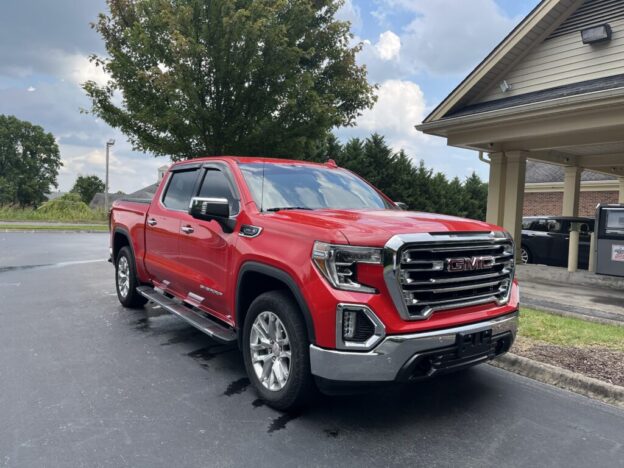
repossessed SUV For Sale at a Credit Union

Credit Union Repo SUV For Sale

Repossessed Jeep For Sale at a Credit Union - repofinder.com

Credit Union Owned Jeep For Sale

Why Buy Repos From the Bank?

Banks and credit unions are motivated to sell repossessed vehicles quickly, often pricing them below market value. Since RepoFinder allows you to connect straight to the source, you avoid extra costs like commissions or third-party fees. You’re not just getting a great deal—you’re getting peace of mind knowing you’re dealing with a reputable financial institution.

Whether you’re searching for a reliable car, a heavy-duty truck, or even recreational vehicles like boats or RVs, RepoFinder gives you access to a wide variety of vehicles across the country. With listings from lenders in all 50 states, you can browse repos for sale no matter where you are.

With RepoFinder.com you can buy repossessed vehicles directly from banks without fees, commissions, or a middleman.

RepoFinder is your direct source for Bank and Credit Union Repo Sales

How Does RepoFinder Work?

RepoFinder is easy to use. Simply visit the website, browse through the free list of banks and credit unions in your area, and check out the vehicles they have available. The process is fast, straightforward, and completely free to access. Plus, since you’re dealing directly with the lender, you can be confident you’re getting an honest deal.

For even more benefits, consider upgrading to RepoFinder Pro. Pro members enjoy an ad-free experience and gain access to exclusive, curated repossession listings.

When it comes to buying repossessed vehicles, skip the middlemen and go Repo Direct with RepoFinder.com. Start exploring affordable vehicles directly from lenders today!

Advantages of Acquiring Repossessed Vehicles Directly from Bank: A Hassle-Free Experience

If you’re contemplating the purchase of a vehicle, chances are you’ve explored conventional avenues—dealerships, online platforms, and perhaps even individual sellers. However, have you ever considered the prospect of procuring a repossessed vehicle straight from a bank? Though the notion of repossessed automobiles may initially seem daunting, the reality is that this method offers one of the most straightforward and uncomplicated ways to secure a car. Indeed, acquiring a vehicle directly from a bank can feel refreshingly unencumbered, particularly in contrast to the complexities encountered with large-scale salvage vehicle liquidators or traditional car dealerships.

Here are compelling reasons why opting for a repossessed vehicle from a financial institution could be your most astute decision.

**Direct Engagement: The Unique Nature of Banks**

To grasp the distinct advantages of buying from a bank, it’s crucial to recognize that this transaction resembles a private sale. Banks are not inherently in the automobile business; rather, their primary goal is to recoup the funds owed to them.

This dynamic presents a unique opportunity for you as a buyer. Since the bank lacks an agenda to upsell you on unnecessary extras, add additional fees, or advocate for high-margin add-ons, the entire purchasing experience is generally far more transparent.

**Eliminating High-Pressure Sales Techniques**

Engaging directly with a bank allows you to bypass the superfluous embellishments typically associated with dealership sales. You will not endure the hard selling tactics of a salesperson pushing extended warranties, protective coatings, or other enhancements. The bank’s objective is not to extract every possible dollar from you; they simply wish to sell the vehicle at a fair price and recover their loaned amount.

Consequently, this results in a more streamlined and transparent purchasing experience. It is a straightforward transaction, devoid of the pressure and extraneous services you may not require. Thus, buying from a bank feels akin to a private party sale, yet comes with the added advantage of professional assistance.

**Financing Solutions? The Bank Has Your Back**

While the thought of acquiring a repossessed vehicle may seem intimidating initially, banks facilitate a smooth and effortless process. Require financing? No issue! The bank is equipped to extend a loan to facilitate your vehicle purchase if needed. This added convenience can render your buying experience remarkably seamless.

Furthermore, when engaging with a bank, you can trust them to manage all essential documentation. Banks are adept at navigating the sales process, guiding you through every phase. From finalizing the transaction to transferring ownership, you will receive the necessary support to complete the process without undue stress.

**Transparency: No Hidden Fees or Unexpected Charges**

One of the most appealing aspects of buying from a bank is there are no hidden fees. Many large salvage vehicle liquidators impose hefty charges that can inflate the overall cost significantly. Additionally, these liquidators often employ auction-style sales, where you find yourself competing against other bidders. This scenario can be rife with anxiety, as prices may escalate rapidly, leaving you questioning whether you are indeed securing a favorable deal.

With a bank, concerns about unforeseen costs or competitive bidding are eliminated. You are not grappling with a throng of bidders to secure a vehicle at an auction, nor are you obliged to pay surcharges merely for the right to purchase the car. The price is evident from the outset, allowing you the luxury of time to deliberate, free from the pressures of rival buyers.

**The Assurance of a Transparent Procedure**

Acquiring a repossessed vehicle from a bank provides a comfortable and transparent experience. You are not required to navigate through hoops or contend with the tumultuous atmosphere of a salvage auction. Instead, you are directly interacting with the institution that holds ownership of the vehicle, which cultivates a more serene process.

Whether you require assistance with financing, documentation, or simply have inquiries regarding the vehicle, banks are typically very accommodating. Their objective is to ensure that the sale transpires smoothly. Moreover, since they are not intent on reaping exorbitant profits from the transaction, you can be confident that the process remains devoid of stress.

**A Stark Contrast: The Turmoil of Salvage Auctions**

Engaging with salvage vehicle liquidators, such as Copart, presents an entirely distinct experience. Not only are you likely to face high fees on top of the purchase price, but you are also thrust into an auction environment marked by bidding wars that can inflate costs. Such auctions can be overwhelming and intensely competitive, leaving little latitude for negotiation. Generally you also need to be a car dealer or piggyback on a dealer’s license to even get in.

Additionally, many vehicles sold through these liquidators are often in substandard condition, necessitating extensive repairs that may lead to unforeseen expenses and frustrations down the road.

**In Conclusion**

Are you hoping to Acquire repossessed vehicles directly from a bank? If so, repossessed cars represent an exceptional option. By engaging directly with the bank, you can sidestep stresses and additional costs. Trade the typical aggressive sales tactics for clearly defined good pricing when you buy directly from banks.

So, why not forgo the hassle and opt for a direct purchase? It is a smooth, simple path to getting behind the wheel of your next vehicle.

repo motorcycles for sale at banks

Repo Motorcycles For Sale

Looking for repo motorcycles for sale? RepoFinder helps buyers find motorcycles offered by banks, credit unions, and other financial institutions throughout the United States.

Available inventory may include cruisers, sport bikes, touring motorcycles, dirt bikes, dual-sport motorcycles, trikes, scooters, and other powersports vehicles. However, lender inventory changes frequently. A motorcycle available today may sell quickly, while new listings may appear tomorrow.

Browse current repo motorcycles for sale or use the state directory below to find banks and credit unions that sell repossessed vehicles near you.
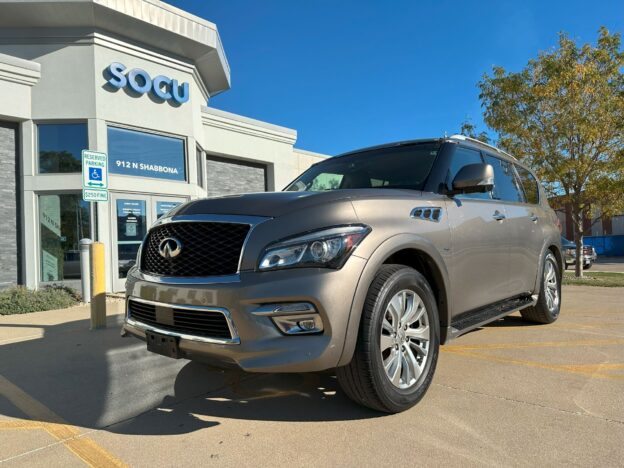
Find Repo Motorcycles for Sale by State

Many banks and credit unions advertise repossessed motorcycles on their own websites. Therefore, searching financial institutions by state can uncover motorcycles that may not appear on large dealer or auction websites.

Select your state below to find local and regional lenders that may offer repo motorcycles, cars, trucks, RVs, boats, and other bank-owned vehicles.

Repo Motorcycles in the Northeast

Repo Motorcycles in the Southeast

Repo Motorcycles in the Midwest

Repo Motorcycles in the Southwest

Repo Motorcycles in the West

What Is a Repo Motorcycle?

A repo motorcycle is a motorcycle that a lender recovered after a borrower failed to meet the terms of a loan agreement. After the repossession, the bank or credit union sells the motorcycle to recover part of the unpaid balance.

Importantly, repossession does not mean the motorcycle has a salvage title. It describes the bike’s financing history, not necessarily its physical condition. For example, an owner may have maintained the motorcycle carefully but later experienced financial hardship.

Still, buyers should inspect every motorcycle and verify its title status before completing a purchase.

Why Banks Sell Repossessed Motorcycles

Banks and credit unions lend money, but they do not operate motorcycle dealerships. Consequently, a lender usually wants to sell recovered inventory rather than pay for storage, insurance, maintenance, and transportation.

The lender may advertise a motorcycle at a fixed price, accept offers, request sealed bids, or send the bike to an auction. Each institution controls its own sales process.

Because lenders usually focus on recovering loan balances, buyers may find competitive prices. However, a bank does not automatically price every motorcycle below market value. Buyers should always compare the asking price with the bike’s condition and current market value.

Benefits of Buying a Repo Motorcycle

Buying a repossessed motorcycle directly from a financial institution can provide several advantages.

  • Competitive prices: Banks often want to move recovered inventory quickly and reduce storage expenses.
  • Direct contact: Buyers may communicate directly with the bank or credit union handling the sale.
  • Fewer middlemen: A direct transaction may avoid dealer markups, broker commissions, and auction buyer premiums.
  • Possible financing: Some lenders offer financing on their own repo inventory, although approval requirements vary.
  • Public availability: Many banks allow individual buyers to purchase repos without a dealer license.
  • Clear sales procedures: Established financial institutions usually provide written payment, title, and pickup instructions.

Nevertheless, most lenders sell repo motorcycles as-is. Therefore, buyers should inspect the motorcycle and budget for possible repairs.

Possible Drawbacks of Repo Motorcycles

A low asking price does not guarantee a good purchase. Before making an offer, consider the possible disadvantages.

  • Limited maintenance records: The lender may know little about the previous owner’s service history.
  • No warranty: Most banks do not provide mechanical warranties on repossessed vehicles.
  • Changing inventory: Buyers cannot order a specific model, color, or trim from a lender.
  • Unknown condition: A motorcycle may need tires, a battery, fluids, brakes, or additional repairs.
  • Transportation costs: The bike may sit hundreds of miles from the buyer.
  • Different sale rules: Some institutions require bids, deposits, quick payment, or pickup within a short deadline.

As a result, buyers should compare the motorcycle’s total cost rather than focusing only on the advertised price.

Popular Repo Motorcycle Brands

Repo inventory depends on the motorcycles that lenders recover. Even so, buyers may find many well-known manufacturers.

Harley-Davidson Repo Motorcycles

Harley-Davidson inventory may include Sportster, Softail, Street Glide, Road Glide, Road King, Fat Boy, and touring models. In addition, some lenders may offer Harley-Davidson trikes or customized motorcycles.

Honda Repo Motorcycles

Honda listings may include Rebel cruisers, Gold Wing touring motorcycles, CBR sport bikes, Africa Twin adventure motorcycles, and CRF dual-sport or off-road models.

Yamaha Repo Motorcycles

Buyers may find Yamaha MT street bikes, YZF sport bikes, Star cruisers, Tenere adventure motorcycles, and off-road models.

Kawasaki Repo Motorcycles

Kawasaki inventory may include Ninja sport bikes, Vulcan cruisers, Versys touring motorcycles, KLR dual-sports, and Z-series street bikes.

Other Motorcycle Brands

Repo listings may also include Suzuki, Indian, BMW, Ducati, KTM, Triumph, Can-Am, Victory, Aprilia, Moto Guzzi, and other manufacturers.

Types of Repo Motorcycles You May Find

Banks and credit unions may sell many different motorcycle styles. Therefore, shoppers should search beyond a single make or model.

  • Cruisers: Low-seat motorcycles designed for relaxed street riding
  • Touring motorcycles: Larger bikes built for comfort and long-distance travel
  • Sport bikes: Lightweight motorcycles designed for performance and handling
  • Standard motorcycles: Versatile street bikes with an upright riding position
  • Adventure motorcycles: Bikes designed for pavement and light off-road travel
  • Dual-sport motorcycles: Street-legal motorcycles with off-road capability
  • Dirt bikes: Off-road motorcycles designed for trails or competition
  • Trikes: Three-wheel motorcycles from Harley-Davidson, Can-Am, and other manufacturers
  • Scooters: Smaller two-wheel vehicles designed for commuting and local travel

How to Buy a Repo Motorcycle

The buying process varies by lender. However, most transactions follow the same basic steps.

1. Browse Available Motorcycles

Start by reviewing current repo motorcycle listings. Compare the year, make, model, mileage, price, location, photographs, and seller information.

In addition, review the listing date. Older listings may no longer be available, so contact the seller before making travel arrangements.

2. Contact the Bank or Credit Union

RepoFinder helps buyers locate lender-owned inventory. However, the bank, credit union, auction company, or other listed seller controls the transaction.

Ask the seller:

  • Is the motorcycle still available?
  • Does the lender use a fixed price, bidding process, or direct negotiation?
  • Can I inspect the motorcycle before making an offer?
  • Does the motorcycle start, run, and drive?
  • Are the keys included?
  • What title documents will I receive?
  • Does the sale include any additional fees?
  • What payment methods does the seller accept?
  • How soon must I remove the motorcycle?
  • Does the lender offer financing?

3. Verify the Seller

Before sending money, confirm that you are communicating with the legitimate institution listed on RepoFinder. Call the bank or credit union through a verified phone number and confirm the payment instructions.

Additionally, avoid sellers who demand gift cards, cryptocurrency, unusual payment apps, or rushed deposits through unverifiable accounts.

4. Inspect the Motorcycle

Inspect the motorcycle in person whenever possible. If you lack mechanical experience, ask a qualified motorcycle technician to examine the bike.

At minimum, check:

  • VIN and title information
  • Frame condition
  • Signs of accident damage
  • Engine and transmission leaks
  • Tire tread, cracking, and date codes
  • Brake pads, rotors, lines, and fluid
  • Fork seals and suspension components
  • Chain, belt, sprockets, or final drive
  • Battery condition
  • Headlights, brake lights, signals, gauges, and horn
  • Fuel system condition
  • Ignition, keys, and steering lock

Whenever possible, ask the seller not to warm up the engine before your inspection. A cold start may reveal smoke, hard starting, unusual noises, or fuel-system problems.

5. Research the Motorcycle’s Value

Compare the motorcycle with similar bikes of the same year, model, mileage, and condition. Then estimate the cost of any immediate repairs.

For example, an inexpensive motorcycle may still need:

  • New tires
  • A replacement battery
  • Brake service
  • Chain and sprockets
  • Fork seals
  • Fluid changes
  • Fuel-system cleaning
  • Transportation or shipping

Therefore, calculate the total cost before deciding how much to bid or offer.

6. Review the Sale Terms

Read every condition before submitting an offer. Some lenders require a deposit, while others require full payment within one or two business days.

Also, determine whether the lender considers bids binding. Confirm the accepted payment methods, pickup deadline, storage policy, and title-delivery process.

7. Submit an Offer or Bid

A lender may advertise a fixed asking price, invite direct offers, request sealed bids, or use an online auction. Follow the seller’s instructions exactly.

Although buyers often want the lowest possible price, an unrealistic offer may receive no response. Instead, base your offer on comparable sales, condition, repair costs, and transportation expenses.

8. Complete the Purchase

After the lender accepts your offer, follow its payment and documentation requirements. Before leaving with the motorcycle, confirm that you received the documents required by your state.

These documents may include:

  • Motorcycle title
  • Bill of sale
  • Lien release
  • Odometer disclosure
  • Repossession affidavit
  • Temporary registration documents

What to Inspect Before Buying

A detailed inspection helps buyers identify repairs and avoid costly surprises. Therefore, take your time and examine more than the motorcycle’s appearance.

Check the Frame and Body

Look for cracks, bends, dents, mismatched paint, scraped engine covers, damaged handlebars, and uneven body panels. These signs may indicate that the motorcycle fell or suffered an accident.

Inspect the Tires

Check tread depth, sidewall cracking, flat spots, punctures, and manufacturing date codes. A motorcycle with low mileage may still need tires if it sat unused for several years.

Inspect the Brakes

Examine the brake pads, rotors, hoses, and fluid. Also, test the front and rear brakes for proper operation when the seller permits it.

Check the Engine and Transmission

Look for oil, coolant, and fuel leaks. Then listen for knocking, rattling, grinding, or excessive ticking. In addition, verify that the transmission shifts smoothly through the available gears.

Test the Electrical System

Confirm that the headlight, brake light, turn signals, horn, gauges, starter, charging system, and warning lights function properly.

Review the VIN and Title

Match the VIN on the motorcycle with the VIN on the title and seller documents. Furthermore, check the title for salvage, rebuilt, flood, junk, or other branding.

Repo Motorcycles vs. Motorcycle Auctions

Some websites advertise repo motorcycles even though they do not sell directly for banks. Instead, they may operate as brokers, auction platforms, or resellers.

These companies may charge:

  • Buyer premiums
  • Membership fees
  • Bidding fees
  • Documentation fees
  • Broker commissions
  • Storage fees
  • Transportation charges

By contrast, RepoFinder helps buyers locate inventory from banks, credit unions, and other sellers. RepoFinder does not purchase motorcycles and resell them at a markup.

Nevertheless, each listed seller controls its own prices, fees, and terms. Therefore, review the transaction details before bidding or sending payment.

Are Repo Motorcycles Cheaper?

Repo motorcycles can cost less than comparable dealer inventory. However, buyers should not assume that every repo represents a bargain.

To determine the true value, calculate:

  • Purchase price
  • Sales tax
  • Title and registration fees
  • Buyer or auction fees
  • Transportation costs
  • Immediate repairs
  • Maintenance expenses
  • Insurance costs

For example, a motorcycle priced $1,000 below market value may not save money if it needs tires, brakes, a battery, and long-distance shipping.

Do Repo Motorcycles Have Clean Titles?

Many repossessed motorcycles have standard titles because the lender recovered them after a loan default rather than an accident. However, repossession alone does not guarantee a clean title.

Before buying, verify that:

  • The VIN matches the title
  • The seller has legal authority to sell the motorcycle
  • The lender will release any existing lien
  • The title does not carry an unexpected brand
  • Your state will accept the supplied documents

Additionally, consider purchasing a vehicle-history report before completing the transaction.

Can You Finance a Repo Motorcycle?

Some banks and credit unions offer loans on the motorcycles they sell. In that case, the lender may allow the buyer to finance the purchase through the same institution.

However, financing depends on credit approval, income, down payment, motorcycle age, loan amount, and lender policies. Other institutions may require cash, a cashier’s check, a wire transfer, or financing from another lender.

Therefore, ask about financing before submitting a bid.

Do You Need a Dealer License?

Many financial institutions sell repo motorcycles directly to the public. As a result, individual buyers usually do not need a dealer license.

However, some third-party auctions restrict certain vehicles or bidding categories to licensed dealers. Always review the seller’s registration and bidding requirements first.

Do Repo Motorcycles Include Warranties?

Most lenders sell repossessed motorcycles as-is and without a warranty. The bank may not know how the previous owner maintained, stored, or operated the motorcycle.

Therefore, assume responsibility for repairs unless the seller provides written warranty coverage.

Can You Test Ride a Repo Motorcycle?

Seller policies vary. Some lenders allow inspections but prohibit test rides because of insurance and liability concerns. Others may allow a short test ride after confirming a motorcycle endorsement, insurance coverage, and identification.

Ask about the inspection policy before visiting the storage location.

Can You Buy a Repo Motorcycle From Another State?

Many lenders accept offers from out-of-state buyers. However, the buyer usually must arrange transportation, payment, title transfer, and registration.

Before purchasing from another state, confirm:

  • The exact motorcycle location
  • Whether the seller accepts out-of-state buyers
  • Available inspection options
  • Shipping or pickup requirements
  • Title-delivery procedures
  • Your state’s registration requirements

Additionally, obtain transportation quotes before making an offer. Shipping costs can significantly affect the final value.

How Often Does Repo Inventory Change?

Repo motorcycle inventory changes continuously. Banks add motorcycles after repossessions and remove them after successful sales.

Consequently, buyers searching for a specific brand, model, state, or price range should check listings regularly. Good motorcycles at competitive prices may sell quickly.

How RepoFinder Helps Buyers

RepoFinder helps shoppers locate vehicles offered by banks, credit unions, and other financial institutions. Instead of purchasing inventory and reselling it, RepoFinder directs buyers toward the actual seller whenever possible.

Buyers can use RepoFinder to:

  • Browse current motorcycle inventory
  • Find lender-owned vehicles by state
  • Locate banks and credit unions with repo sales
  • Compare motorcycles from multiple sellers
  • Contact sellers directly
  • Research the repo-buying process

However, RepoFinder does not inspect, own, finance, or guarantee each motorcycle. The listed institution controls the sale, and buyers must verify all vehicle and transaction details.

Learn More About Buying a Motorcycle

Use these RepoFinder guides to research your purchase:

Frequently Asked Questions

What is a repo motorcycle?

A repo motorcycle is a motorcycle that a lender recovered after the borrower failed to meet the loan terms. The lender then sells the motorcycle to recover part of the remaining balance.

Are repo motorcycles available to the public?

Yes. Many banks and credit unions sell repo motorcycles directly to individual buyers. However, some third-party auctions may require registration or a dealer license.

Are repo motorcycles always cheaper than dealer motorcycles?

No. Although many repos carry competitive prices, buyers must compare the motorcycle’s condition, market value, repair needs, fees, and transportation costs.

Can I inspect a repo motorcycle before buying it?

Many lenders allow inspections by appointment. However, each seller sets its own rules, so contact the institution before visiting.

Can I finance a repossessed motorcycle?

Some banks and credit unions offer financing on their repo inventory. Alternatively, buyers may arrange financing through another lender.

Do repo motorcycles come with clean titles?

Many repo motorcycles have standard titles, but buyers should verify the title status before purchasing. Repossession does not automatically mean clean title or salvage title.

Do repo motorcycles come with warranties?

Most lenders sell repo motorcycles as-is and without warranties. Therefore, inspect the bike carefully and budget for possible repairs.

Does RepoFinder charge an auction buyer premium?

RepoFinder helps buyers locate repossessed inventory and does not operate as a motorcycle auction that adds a buyer premium to the winning bid. However, individual sellers may establish their own fees and terms.

Browse Repo Motorcycles for Sale

RepoFinder provides a nationwide resource for finding motorcycles offered by banks, credit unions, and other financial institutions. Compare current listings, research each motorcycle, contact the seller, and review all sale terms before making an offer.

View current repo motorcycles for sale