

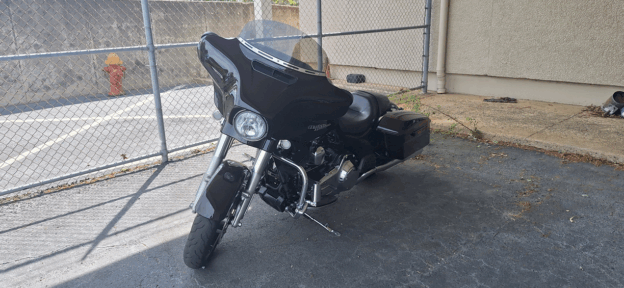
Looking for repo motorcycles for sale? RepoFinder helps buyers find motorcycles offered by banks, credit unions, and other financial institutions throughout the United States.
Available inventory may include cruisers, sport bikes, touring motorcycles, dirt bikes, dual-sport motorcycles, trikes, scooters, and other powersports vehicles. However, lender inventory changes frequently. A motorcycle available today may sell quickly, while new listings may appear tomorrow.
Browse current repo motorcycles for sale or use the state directory below to find banks and credit unions that sell repossessed vehicles near you.
Find Repo Motorcycles for Sale by State
Many banks and credit unions advertise repossessed motorcycles on their own websites. Therefore, searching financial institutions by state can uncover motorcycles that may not appear on large dealer or auction websites.
Select your state below to find local and regional lenders that may offer repo motorcycles, cars, trucks, RVs, boats, and other bank-owned vehicles.
Repo Motorcycles in the Northeast
- Repo motorcycles for sale in Connecticut
- Repo motorcycles for sale in Maine
- Repo motorcycles for sale in Massachusetts
- Repo motorcycles for sale in New Hampshire
- Repo motorcycles for sale in New Jersey
- Repo motorcycles for sale in New York
- Repo motorcycles for sale in Pennsylvania
- Repo motorcycles for sale in Rhode Island
- Repo motorcycles for sale in Vermont
Repo Motorcycles in the Southeast
- Repo motorcycles for sale in Alabama
- Repo motorcycles for sale in Arkansas
- Repo motorcycles for sale in Delaware
- Repo motorcycles for sale in Florida
- Repo motorcycles for sale in Georgia
- Repo motorcycles for sale in Kentucky
- Repo motorcycles for sale in Louisiana
- Repo motorcycles for sale in Maryland
- Repo motorcycles for sale in Mississippi
- Repo motorcycles for sale in North Carolina
- Repo motorcycles for sale in South Carolina
- Repo motorcycles for sale in Tennessee
- Repo motorcycles for sale in Virginia
- Repo motorcycles for sale in West Virginia
Repo Motorcycles in the Midwest
- Repo motorcycles for sale in Illinois
- Repo motorcycles for sale in Indiana
- Repo motorcycles for sale in Iowa
- Repo motorcycles for sale in Kansas
- Repo motorcycles for sale in Michigan
- Repo motorcycles for sale in Minnesota
- Repo motorcycles for sale in Missouri
- Repo motorcycles for sale in Nebraska
- Repo motorcycles for sale in North Dakota
- Repo motorcycles for sale in Ohio
- Repo motorcycles for sale in South Dakota
- Repo motorcycles for sale in Wisconsin
Repo Motorcycles in the Southwest
- Repo motorcycles for sale in Arizona
- Repo motorcycles for sale in New Mexico
- Repo motorcycles for sale in Oklahoma
- Repo motorcycles for sale in Texas
Repo Motorcycles in the West
- Repo motorcycles for sale in Alaska
- Repo motorcycles for sale in California
- Repo motorcycles for sale in Colorado
- Repo motorcycles for sale in Hawaii
- Repo motorcycles for sale in Idaho
- Repo motorcycles for sale in Montana
- Repo motorcycles for sale in Nevada
- Repo motorcycles for sale in Oregon
- Repo motorcycles for sale in Utah
- Repo motorcycles for sale in Washington
- Repo motorcycles for sale in Wyoming
What Is a Repo Motorcycle?
A repo motorcycle is a motorcycle that a lender recovered after a borrower failed to meet the terms of a loan agreement. After the repossession, the bank or credit union sells the motorcycle to recover part of the unpaid balance.
Importantly, repossession does not mean the motorcycle has a salvage title. It describes the bike’s financing history, not necessarily its physical condition. For example, an owner may have maintained the motorcycle carefully but later experienced financial hardship.
Still, buyers should inspect every motorcycle and verify its title status before completing a purchase.
Why Banks Sell Repossessed Motorcycles
Banks and credit unions lend money, but they do not operate motorcycle dealerships. Consequently, a lender usually wants to sell recovered inventory rather than pay for storage, insurance, maintenance, and transportation.
The lender may advertise a motorcycle at a fixed price, accept offers, request sealed bids, or send the bike to an auction. Each institution controls its own sales process.
Because lenders usually focus on recovering loan balances, buyers may find competitive prices. However, a bank does not automatically price every motorcycle below market value. Buyers should always compare the asking price with the bike’s condition and current market value.
Benefits of Buying a Repo Motorcycle
Buying a repossessed motorcycle directly from a financial institution can provide several advantages.
- Competitive prices: Banks often want to move recovered inventory quickly and reduce storage expenses.
- Direct contact: Buyers may communicate directly with the bank or credit union handling the sale.
- Fewer middlemen: A direct transaction may avoid dealer markups, broker commissions, and auction buyer premiums.
- Possible financing: Some lenders offer financing on their own repo inventory, although approval requirements vary.
- Public availability: Many banks allow individual buyers to purchase repos without a dealer license.
- Clear sales procedures: Established financial institutions usually provide written payment, title, and pickup instructions.
Nevertheless, most lenders sell repo motorcycles as-is. Therefore, buyers should inspect the motorcycle and budget for possible repairs.
Possible Drawbacks of Repo Motorcycles
A low asking price does not guarantee a good purchase. Before making an offer, consider the possible disadvantages.
- Limited maintenance records: The lender may know little about the previous owner’s service history.
- No warranty: Most banks do not provide mechanical warranties on repossessed vehicles.
- Changing inventory: Buyers cannot order a specific model, color, or trim from a lender.
- Unknown condition: A motorcycle may need tires, a battery, fluids, brakes, or additional repairs.
- Transportation costs: The bike may sit hundreds of miles from the buyer.
- Different sale rules: Some institutions require bids, deposits, quick payment, or pickup within a short deadline.
As a result, buyers should compare the motorcycle’s total cost rather than focusing only on the advertised price.
Popular Repo Motorcycle Brands
Repo inventory depends on the motorcycles that lenders recover. Even so, buyers may find many well-known manufacturers.
Harley-Davidson Repo Motorcycles
Harley-Davidson inventory may include Sportster, Softail, Street Glide, Road Glide, Road King, Fat Boy, and touring models. In addition, some lenders may offer Harley-Davidson trikes or customized motorcycles.
Honda Repo Motorcycles
Honda listings may include Rebel cruisers, Gold Wing touring motorcycles, CBR sport bikes, Africa Twin adventure motorcycles, and CRF dual-sport or off-road models.
Yamaha Repo Motorcycles
Buyers may find Yamaha MT street bikes, YZF sport bikes, Star cruisers, Tenere adventure motorcycles, and off-road models.
Kawasaki Repo Motorcycles
Kawasaki inventory may include Ninja sport bikes, Vulcan cruisers, Versys touring motorcycles, KLR dual-sports, and Z-series street bikes.
Other Motorcycle Brands
Repo listings may also include Suzuki, Indian, BMW, Ducati, KTM, Triumph, Can-Am, Victory, Aprilia, Moto Guzzi, and other manufacturers.
Types of Repo Motorcycles You May Find
Banks and credit unions may sell many different motorcycle styles. Therefore, shoppers should search beyond a single make or model.
- Cruisers: Low-seat motorcycles designed for relaxed street riding
- Touring motorcycles: Larger bikes built for comfort and long-distance travel
- Sport bikes: Lightweight motorcycles designed for performance and handling
- Standard motorcycles: Versatile street bikes with an upright riding position
- Adventure motorcycles: Bikes designed for pavement and light off-road travel
- Dual-sport motorcycles: Street-legal motorcycles with off-road capability
- Dirt bikes: Off-road motorcycles designed for trails or competition
- Trikes: Three-wheel motorcycles from Harley-Davidson, Can-Am, and other manufacturers
- Scooters: Smaller two-wheel vehicles designed for commuting and local travel
How to Buy a Repo Motorcycle
The buying process varies by lender. However, most transactions follow the same basic steps.
1. Browse Available Motorcycles
Start by reviewing current repo motorcycle listings. Compare the year, make, model, mileage, price, location, photographs, and seller information.
In addition, review the listing date. Older listings may no longer be available, so contact the seller before making travel arrangements.
2. Contact the Bank or Credit Union
RepoFinder helps buyers locate lender-owned inventory. However, the bank, credit union, auction company, or other listed seller controls the transaction.
Ask the seller:
- Is the motorcycle still available?
- Does the lender use a fixed price, bidding process, or direct negotiation?
- Can I inspect the motorcycle before making an offer?
- Does the motorcycle start, run, and drive?
- Are the keys included?
- What title documents will I receive?
- Does the sale include any additional fees?
- What payment methods does the seller accept?
- How soon must I remove the motorcycle?
- Does the lender offer financing?
3. Verify the Seller
Before sending money, confirm that you are communicating with the legitimate institution listed on RepoFinder. Call the bank or credit union through a verified phone number and confirm the payment instructions.
Additionally, avoid sellers who demand gift cards, cryptocurrency, unusual payment apps, or rushed deposits through unverifiable accounts.
4. Inspect the Motorcycle
Inspect the motorcycle in person whenever possible. If you lack mechanical experience, ask a qualified motorcycle technician to examine the bike.
At minimum, check:
- VIN and title information
- Frame condition
- Signs of accident damage
- Engine and transmission leaks
- Tire tread, cracking, and date codes
- Brake pads, rotors, lines, and fluid
- Fork seals and suspension components
- Chain, belt, sprockets, or final drive
- Battery condition
- Headlights, brake lights, signals, gauges, and horn
- Fuel system condition
- Ignition, keys, and steering lock
Whenever possible, ask the seller not to warm up the engine before your inspection. A cold start may reveal smoke, hard starting, unusual noises, or fuel-system problems.
5. Research the Motorcycle’s Value
Compare the motorcycle with similar bikes of the same year, model, mileage, and condition. Then estimate the cost of any immediate repairs.
For example, an inexpensive motorcycle may still need:
- New tires
- A replacement battery
- Brake service
- Chain and sprockets
- Fork seals
- Fluid changes
- Fuel-system cleaning
- Transportation or shipping
Therefore, calculate the total cost before deciding how much to bid or offer.
6. Review the Sale Terms
Read every condition before submitting an offer. Some lenders require a deposit, while others require full payment within one or two business days.
Also, determine whether the lender considers bids binding. Confirm the accepted payment methods, pickup deadline, storage policy, and title-delivery process.
7. Submit an Offer or Bid
A lender may advertise a fixed asking price, invite direct offers, request sealed bids, or use an online auction. Follow the seller’s instructions exactly.
Although buyers often want the lowest possible price, an unrealistic offer may receive no response. Instead, base your offer on comparable sales, condition, repair costs, and transportation expenses.
8. Complete the Purchase
After the lender accepts your offer, follow its payment and documentation requirements. Before leaving with the motorcycle, confirm that you received the documents required by your state.
These documents may include:
- Motorcycle title
- Bill of sale
- Lien release
- Odometer disclosure
- Repossession affidavit
- Temporary registration documents
What to Inspect Before Buying
A detailed inspection helps buyers identify repairs and avoid costly surprises. Therefore, take your time and examine more than the motorcycle’s appearance.
Check the Frame and Body
Look for cracks, bends, dents, mismatched paint, scraped engine covers, damaged handlebars, and uneven body panels. These signs may indicate that the motorcycle fell or suffered an accident.
Inspect the Tires
Check tread depth, sidewall cracking, flat spots, punctures, and manufacturing date codes. A motorcycle with low mileage may still need tires if it sat unused for several years.
Inspect the Brakes
Examine the brake pads, rotors, hoses, and fluid. Also, test the front and rear brakes for proper operation when the seller permits it.
Check the Engine and Transmission
Look for oil, coolant, and fuel leaks. Then listen for knocking, rattling, grinding, or excessive ticking. In addition, verify that the transmission shifts smoothly through the available gears.
Test the Electrical System
Confirm that the headlight, brake light, turn signals, horn, gauges, starter, charging system, and warning lights function properly.
Review the VIN and Title
Match the VIN on the motorcycle with the VIN on the title and seller documents. Furthermore, check the title for salvage, rebuilt, flood, junk, or other branding.
Repo Motorcycles vs. Motorcycle Auctions
Some websites advertise repo motorcycles even though they do not sell directly for banks. Instead, they may operate as brokers, auction platforms, or resellers.
These companies may charge:
- Buyer premiums
- Membership fees
- Bidding fees
- Documentation fees
- Broker commissions
- Storage fees
- Transportation charges
By contrast, RepoFinder helps buyers locate inventory from banks, credit unions, and other sellers. RepoFinder does not purchase motorcycles and resell them at a markup.
Nevertheless, each listed seller controls its own prices, fees, and terms. Therefore, review the transaction details before bidding or sending payment.
Are Repo Motorcycles Cheaper?
Repo motorcycles can cost less than comparable dealer inventory. However, buyers should not assume that every repo represents a bargain.
To determine the true value, calculate:
- Purchase price
- Sales tax
- Title and registration fees
- Buyer or auction fees
- Transportation costs
- Immediate repairs
- Maintenance expenses
- Insurance costs
For example, a motorcycle priced $1,000 below market value may not save money if it needs tires, brakes, a battery, and long-distance shipping.
Do Repo Motorcycles Have Clean Titles?
Many repossessed motorcycles have standard titles because the lender recovered them after a loan default rather than an accident. However, repossession alone does not guarantee a clean title.
Before buying, verify that:
- The VIN matches the title
- The seller has legal authority to sell the motorcycle
- The lender will release any existing lien
- The title does not carry an unexpected brand
- Your state will accept the supplied documents
Additionally, consider purchasing a vehicle-history report before completing the transaction.
Can You Finance a Repo Motorcycle?
Some banks and credit unions offer loans on the motorcycles they sell. In that case, the lender may allow the buyer to finance the purchase through the same institution.
However, financing depends on credit approval, income, down payment, motorcycle age, loan amount, and lender policies. Other institutions may require cash, a cashier’s check, a wire transfer, or financing from another lender.
Therefore, ask about financing before submitting a bid.
Do You Need a Dealer License?
Many financial institutions sell repo motorcycles directly to the public. As a result, individual buyers usually do not need a dealer license.
However, some third-party auctions restrict certain vehicles or bidding categories to licensed dealers. Always review the seller’s registration and bidding requirements first.
Do Repo Motorcycles Include Warranties?
Most lenders sell repossessed motorcycles as-is and without a warranty. The bank may not know how the previous owner maintained, stored, or operated the motorcycle.
Therefore, assume responsibility for repairs unless the seller provides written warranty coverage.
Can You Test Ride a Repo Motorcycle?
Seller policies vary. Some lenders allow inspections but prohibit test rides because of insurance and liability concerns. Others may allow a short test ride after confirming a motorcycle endorsement, insurance coverage, and identification.
Ask about the inspection policy before visiting the storage location.
Can You Buy a Repo Motorcycle From Another State?
Many lenders accept offers from out-of-state buyers. However, the buyer usually must arrange transportation, payment, title transfer, and registration.
Before purchasing from another state, confirm:
- The exact motorcycle location
- Whether the seller accepts out-of-state buyers
- Available inspection options
- Shipping or pickup requirements
- Title-delivery procedures
- Your state’s registration requirements
Additionally, obtain transportation quotes before making an offer. Shipping costs can significantly affect the final value.
How Often Does Repo Inventory Change?
Repo motorcycle inventory changes continuously. Banks add motorcycles after repossessions and remove them after successful sales.
Consequently, buyers searching for a specific brand, model, state, or price range should check listings regularly. Good motorcycles at competitive prices may sell quickly.
How RepoFinder Helps Buyers
RepoFinder helps shoppers locate vehicles offered by banks, credit unions, and other financial institutions. Instead of purchasing inventory and reselling it, RepoFinder directs buyers toward the actual seller whenever possible.
Buyers can use RepoFinder to:
- Browse current motorcycle inventory
- Find lender-owned vehicles by state
- Locate banks and credit unions with repo sales
- Compare motorcycles from multiple sellers
- Contact sellers directly
- Research the repo-buying process
However, RepoFinder does not inspect, own, finance, or guarantee each motorcycle. The listed institution controls the sale, and buyers must verify all vehicle and transaction details.
Learn More About Buying a Motorcycle
Use these RepoFinder guides to research your purchase:
- Motorcycle Repos for Sale by Bank: Complete Guide
- Buying a Motorcycle: Dealer vs. Private Party vs. Bank Repo
- 6 Tips for Buying Your First Used Motorcycle
- Tips for Buying a Motorcycle Out of State
Frequently Asked Questions
What is a repo motorcycle?
A repo motorcycle is a motorcycle that a lender recovered after the borrower failed to meet the loan terms. The lender then sells the motorcycle to recover part of the remaining balance.
Are repo motorcycles available to the public?
Yes. Many banks and credit unions sell repo motorcycles directly to individual buyers. However, some third-party auctions may require registration or a dealer license.
Are repo motorcycles always cheaper than dealer motorcycles?
No. Although many repos carry competitive prices, buyers must compare the motorcycle’s condition, market value, repair needs, fees, and transportation costs.
Can I inspect a repo motorcycle before buying it?
Many lenders allow inspections by appointment. However, each seller sets its own rules, so contact the institution before visiting.
Can I finance a repossessed motorcycle?
Some banks and credit unions offer financing on their repo inventory. Alternatively, buyers may arrange financing through another lender.
Do repo motorcycles come with clean titles?
Many repo motorcycles have standard titles, but buyers should verify the title status before purchasing. Repossession does not automatically mean clean title or salvage title.
Do repo motorcycles come with warranties?
Most lenders sell repo motorcycles as-is and without warranties. Therefore, inspect the bike carefully and budget for possible repairs.
Does RepoFinder charge an auction buyer premium?
RepoFinder helps buyers locate repossessed inventory and does not operate as a motorcycle auction that adds a buyer premium to the winning bid. However, individual sellers may establish their own fees and terms.
Browse Repo Motorcycles for Sale
RepoFinder provides a nationwide resource for finding motorcycles offered by banks, credit unions, and other financial institutions. Compare current listings, research each motorcycle, contact the seller, and review all sale terms before making an offer.