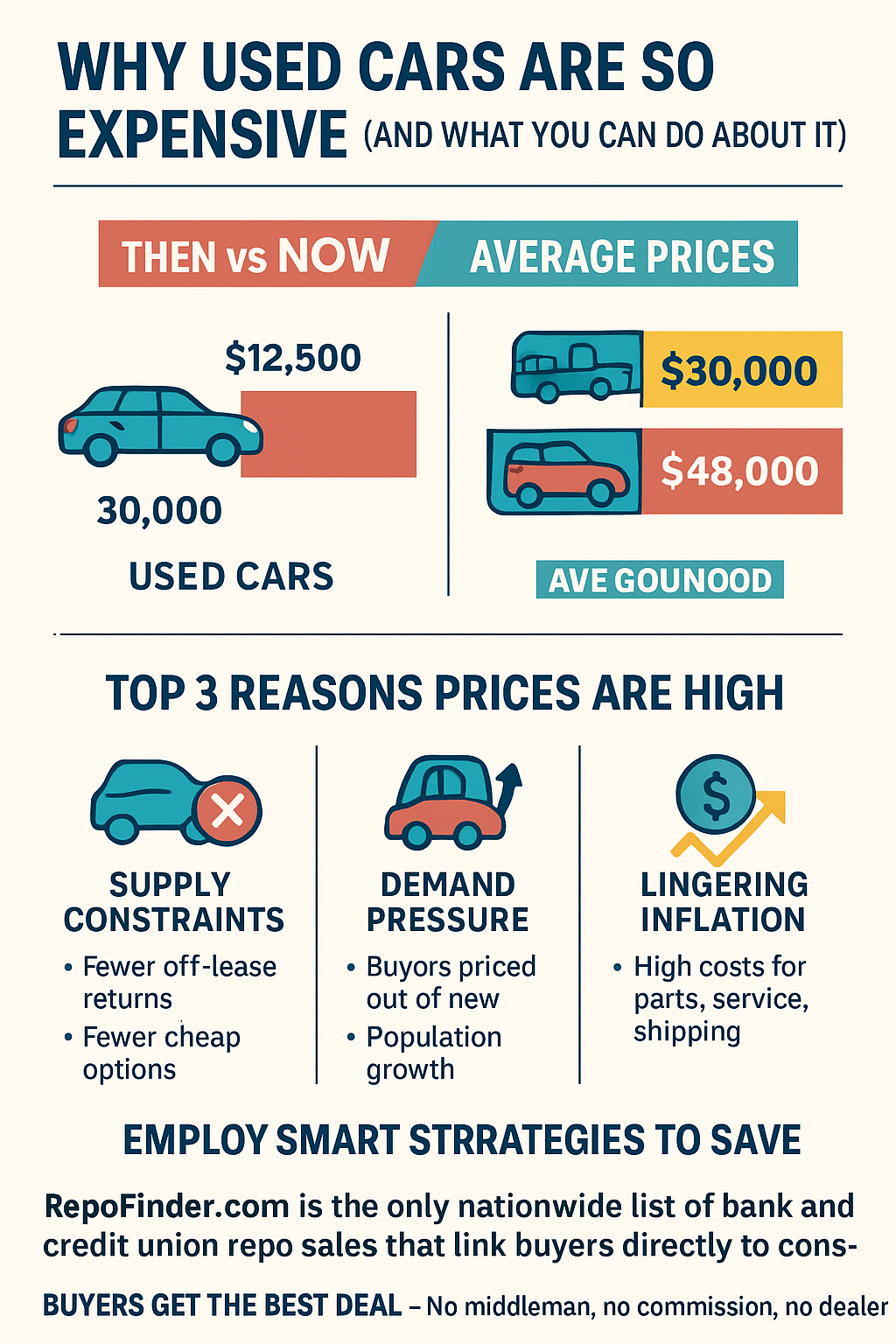
Why Used Cars Are Still So Expensive in 2025
This entry was posted in Blog and tagged car buying, car shopping, cheap cars, online car shopping on .


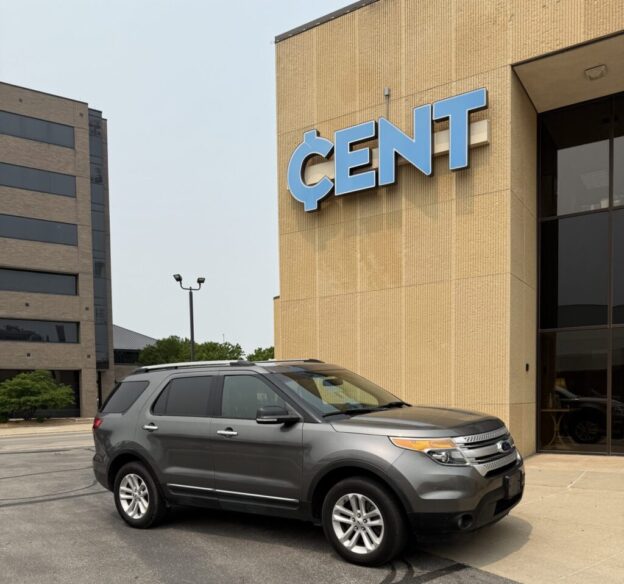
Buying a used car can feel confusing. Prices vary. Dealers use tricks. Auctions move too fast.
That’s where RepoFinder.com comes in. We help regular people find real repossessions for real savings.
You don’t need to be a dealer or go to a high energy auction where you’ll feel like a fish out of water. You just need to know where to look.
We’ll explain why RepoFinder.com is one of the best ways to find a used vehicle today.
RepoFinder.com is a free website that helps you find repossessed vehicles, boats, RVs, and property.
We’re different from other car sites. We don’t sell cars or run auctions. We don’t charge and dealer fees because we’re not a dealer or an auction house.
Instead, we connect you directly to banks and credit unions who are selling their repossessed items.
These banks want to sell fast. That means you can often get a better deal.
Let’s break it down. Here are the top 3 reasons people trust RepoFinder.com when shopping for used cars.
Most people don’t know this, but banks and credit unions often have vehicles they’ve repossessed from borrowers.
These repos are often:
Well-maintained
Sold at a discount
Ready for quick sale
Banks are not car dealers. They just want to get their money back. That’s good news for buyers like you.
At RepoFinder.com, you don’t buy from us. You buy straight from the bank.
This is different from:
Auction sites that require bidding
Dealers who mark up prices
Brokers who add middleman fees
Our site lists real links to each bank or credit union’s repo inventory. You go straight to the source.
You can call them. Visit them. Even make offers directly.
And yes—many banks even offer financing on their own repos. (You can read more about that here.)
This means you may get better loan terms than at a dealership.
RepoFinder.com is more than a search bar. It’s a map of the entire country’s repossessions.
Every state. Hundreds of banks and credit unions. All in one place.
You don’t have to search site after site. We’ve already gathered the links for you.
Just visit our state map. Click your state. You’ll see all local listings and banks with repos.
For example:
In Texas? You’ll see dozens of credit unions with repos.
In Florida? Many local banks list boats and cars weekly.
In California? You’ll find credit unions with clean-title SUVs and sedans.
You don’t need to know a bank’s name. You just click the state and browse.
It’s simple. It’s fast. And it’s always growing.
Let’s be honest. Many car-buying sites are full of tricks.
They make you sign up. Perhaps they sell your info. Most likely they’ll push you toward high-priced dealers.
RepoFinder.com does none of that.
No dealer fees
No commissions
No middlemen
We’re not trying to sell you a car. We’re here to show you where the deals are at your local banks.
You just contact the seller (a bank) and make an offer. It’s that simple.
Many listings are “first come, first served.” That means you can move fast—and save big.
Besides cars and trucks, you can also find:
Boats
RVs and campers
Motorcycles and ATV’s
Real estate
Equipment and machinery
Banks repossess more than cars. They sometimes list homes, jet skis, even tractors.
These items are usually listed on the bank’s own site. But we link you there.
That means you’re seeing true repo prices—not marked-up ones.
Buying a repo does come with some things to watch out for. Here are a few:
Most repos are sold as-is
You may not get a warranty
Inspections are sometimes limited
But remember—this is the same deal the dealers get. They buy repos at low prices and resell them.
With RepoFinder, you get that same access, but you cut out the dealer markup.
If you’re smart and do a little research, you can save thousands.
We always suggest:
Running a vehicle history report
Asking if test drives are allowed
Getting a mechanic’s opinion if possible
Step 1: Visit RepoFinder.com
Go to www.RepoFinder.com. It works on phones, tablets, and computers.
Step 2: Click Your State
Use the state map or the state list. Click where you live or want to shop.
Step 3: Browse the Repo Listings
Each bank or credit union has a link. Some take you to car listings. Some let you make offers online.
From there, you’re in control. You contact the seller. It’s you who asks about the vehicle… and it’s still you (and the bank) who work out your deal.
RepoFinder is great for:
People who want to avoid dealers
Buyers looking to save money
Families who need a second vehicle
People who can wait for the right deal
If you need a car today, you might go to a dealer. But if you want a better deal, RepoFinder gives you a smarter option.
That’s the best part—we don’t charge buyers anything.
Some banks pay a small fee to be listed. But most of the site is totally free.
Our goal is to help people find hidden deals. We believe in transparency and no gimmicks.
RepoFinder is supported by ads like most free websites on the internet. We also provide an enhanced service at RepoFinder Pro with no ads and other perks.
Here’s how to get the most out of RepoFinder:
Check weekly: Listings change fast
Be flexible: You may find better deals in nearby states
Ask about financing: Many banks offer it on their own repos
Move fast: Good deals don’t last long
Stay patient: Waiting for the right deal can pay off big
“I found my truck through a credit union linked on RepoFinder. Saved over $5,000 compared to dealer prices!” – Mike B., Colorado
“No auctions, no fees. I found a clean-title boat for under market value. Super easy.” – Janice R., Florida
“I used to flip cars. Now I just use RepoFinder to find my next ride.” – Paul L., Texas
Do I need a dealer’s license?
No. Most repo listings are open to the public.
Are the vehicles clean title?
Most are, but check with the bank. Some may be rebuilt or salvage.
Can I test drive the car?
Sometimes, yes. It depends on the seller. Ask before making an offer.
Do I have to go to an auction?
Nope. RepoFinder shows you non-auction repos available to the public.
What if I live in a small state?
Browse nearby states too. Many banks sell to out-of-state buyers.
RepoFinder.com is simple, free, and powerful.
We help people:
Find repossessions the public can actually buy
Connect directly to banks and credit unions
Avoid auctions, scams, and overpriced dealers
In a world full of tricks and hidden fees, we keep it easy.
If you’re buying a car, boat, RV, or even a home—start with RepoFinder.
You might be surprised what you find.
Browse repos by clicking your state on our Repo Map. It only takes a few seconds.
Just real listings.
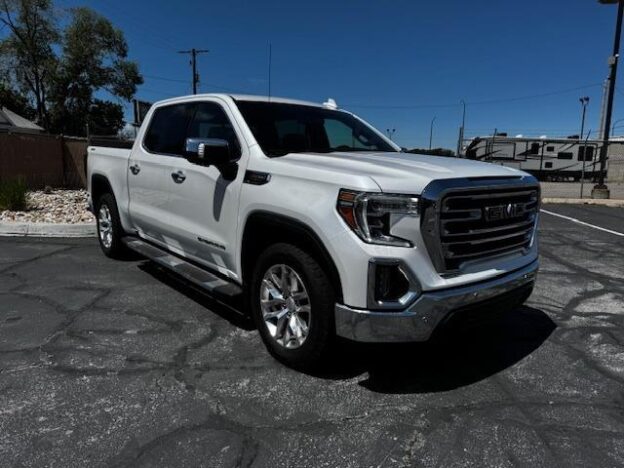

A clean title is a car’s official paper that shows it’s legally owned. It also means there are no unpaid loans or big legal problems with the car. This is good news for buyers!
It’s called clean because it doesn’t have any bad history like:
So, when you hear “clean title,” think of a car that hasn’t had huge problems.
Not always. It means the car wasn’t declared a total loss. But it could have had small accidents.
If the damage wasn’t big enough for insurance to say it’s totaled, the title stays clean.
When the title is clean it helps you:
Plus, buyers trust cars without title issues more!
Let’s break it down:
Clean titles are usually worth more. Rebuilt titles might cost less, but come with more risk.
Here’s how:
Even with repairs, if it’s not a total loss, the title stays clean.
Nope! Different states have different rules.
That means a car with a good title in one state might have a rebuilt title in another.
Title washing is a sneaky trick some people use to hide a car’s bad history.
This can make a damaged car look fine, even if it’s not.
Here are some easy ways:
Services like CARFAX or AutoCheck show:
That’s the National Motor Vehicle Title Information System. It checks across states.
Look at old and new documents. Make sure they match.
A trusted mechanic can inspect the vehicle. A professional will know what to look for and see if the car was badly fixed.
Because they’re seen as safer and easier to sell later, they are typically worth more.
Yes, if the wreck wasn’t bad enough for insurance to say it’s totaled.
No. It can still have problems not big enough to affect the title.
In most cases the answer is yes. This is assuming it wasn’t title-washed from another state.
Now here’s some great news:
Banks or credit unions take back cars when someone can’t pay. These are not cars with damage. They were just unpaid.
Repossession is a money issue, not a damage issue.
Ready for the best part?
RepoFinder is a site that helps you find repossessed cars straight from banks. Here’s why it rocks:
You can find vehicles at great prices. It’s smart and simple.
That means you save money and get peace of mind.
Buying a car can be exciting and knowing about titles helps you buy smarter!
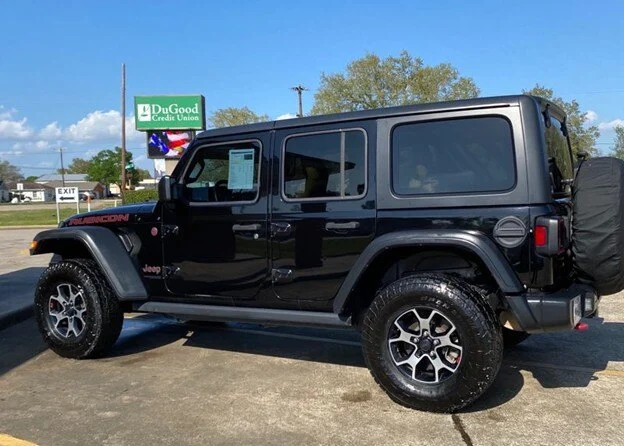
Tariffs on new cars can make vehicles much more expensive. But how does that affect used cars? Many people don’t realize that higher prices for new cars also impact the cost of used cars. In this article, we’ll explain how tariffs work, how they influence the used car market, and why buying a used car can save you a lot of money. We’ll also show why RepoFinder.com is one of the best places to find affordable used cars.
A tariff is a tax placed on goods imported from other countries. When tariffs increase on new cars, it raises their prices. Automakers pass these extra costs to buyers. This means new cars become more expensive, making them less affordable for many people.
When new car prices rise, more people turn to used cars. This increased demand drives up used car prices. But there are ways to avoid paying too much for a used car.
Not all used car prices will rise the same way. Some sellers, like banks and credit unions, offer repossessed vehicles at lower prices. That’s where RepoFinder.com comes in.
RepoFinder.com helps buyers find repossessed vehicles from banks and credit unions. These vehicles are often sold at lower prices than those at dealerships.
Using RepoFinder.com is simple. Here’s how:
Tariffs on new cars make vehicles more expensive, which drives up used car prices. However, smart buyers can still find great deals. RepoFinder.com offers one of the best ways to buy affordable used cars. By shopping repossessed vehicles, you can save money on tariffs, dealer fees, and commissions.

If you’re shopping for a vehicle, you’ve likely come across repossessed cars as an option. These cars are often sold at lower prices than traditional used vehicles, making them attractive to budget-conscious buyers. But are repo cars really cheaper? Let’s explore the benefits, risks, and best ways to buy them.
A repossessed car, or “repo car,” is a vehicle seized by a lender after the owner defaults on their auto loan. Since the car serves as collateral for the loan, lenders repossess it to recover their financial losses. After repossession, the lender typically sells the vehicle directly, through auctions, or via dealerships.
Repo cars come with several potential advantages:
For the ultimate savings, consider buying a repo car directly from a bank or credit union. Here’s why:
RepoFinder.com is an excellent resource for finding repossessed cars sold directly by banks and credit unions. It’s the only nationwide database of lenders offering repossessions to the public. This platform makes it easy to locate affordable repo vehicles in your area.
Repo cars are often cheaper than traditional used cars, but they come with unique risks. You’ll need to factor in potential repairs or maintenance. While some repo cars are well-maintained, others may have been neglected by their previous owners.
To make the most of your purchase, follow these tips:
Repo cars are available through several channels:
Banks and credit unions sell repossessed vehicles directly to buyers. This is often the most cost-effective option, as there are no middleman fees. The difficult part is finding out not only what banks sell repos, but where does the bank actually list their repos for sale. Most banks don’t want their repo sales front and center on their website.
RepoFinder.com simplifies the process of finding repossessed vehicles from banks and credit unions. They’re done the heavy lifting already by creating a database of banks and credit unions that sell repos directly to the public. The platform’s nationwide database lets you browse listings by location and price. This ensures you can find a quality vehicle at an unbeatable price. When you find something you want to buy, RepoFinder doesn’t get involved in the transaction. Instead, they link you directly to the bank for the purchase.
Many repo cars are sold at public or dealer-only auctions. Dealer-only auctions are no use to the general public. Unfortunately search engines seem to want to push dealer-only auctions to the top results when the public is looking for results. You’re going to want to specifically search for “public” auctions when looking to buy a repo. While even public auctions can offer great deals, they also come with risks.
Some repossessed vehicles are sold through dealerships or specialized repo companies. These cars are often cleaned and repaired. The added convenience comes with a much higher price tag. In reality buying a “repo” car from a dealer won’t save you any significant money. Dealers often use the term “repo” as a gimmick to make you think you’re getting a special price.
While buying a repo car can save you money, it’s not without risks:
To mitigate these risks, gather as much information as possible before purchasing. A pre-purchase inspection and a thorough review of the car’s history can help you avoid costly mistakes.
Repo cars can be an excellent option for buyers who are willing to do their homework. With proper research and preparation, you can find a reliable vehicle at a fraction of the cost of a traditional used car. Purchasing directly from a bank or credit union through resources like RepoFinder.com maximizes your savings and simplifies the buying process.
Remember, buying a repo car is similar to buying any used car. Inspect the vehicle, verify its history, and ensure the price reflects its condition. By following these steps, you can drive away with a great deal and peace of mind.
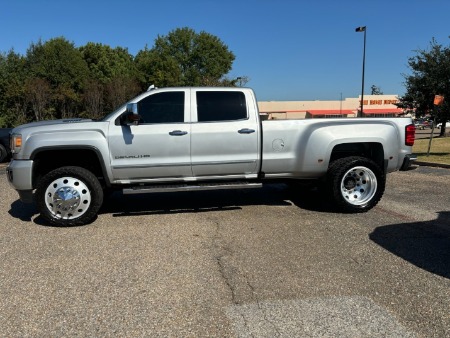
Arvest Bank repossessed properties can be a great option if you’re looking to save money on cars, trucks, boats, or even real estate. Arvest Bank, a well-established financial institution in Arkansas, offers repossessed vehicles and properties for sale directly to the public. These “repos” are often sold without added commissions, saving you money compared to buying from dealerships or real estate agents. Whether you’re in the market for a reliable car or a cozy home, knowing where to find Arvest Bank repos can make your shopping process smoother.
Arvest Bank, also known as AB, started in 1961 as The Bank of Bentonville in Arkansas. Over the years, it has grown into a full-service financial institution with branches across Arkansas, Oklahoma, Missouri, and Kansas. With its community-focused approach, Arvest supports local needs and offers opportunities like repossessed vehicles and properties for those looking for affordable options.
To view their available repossessions, visit the Arvest Available Property page.
When someone finances a car, boat, or home but cannot keep up with payments, the bank or credit union may repossess the item. Repossessions, or “repos,” are often sold to recover some of the loan balance.
Arvest Bank resells repossessions at competitive prices to recover costs quickly. Buyers benefit because these vehicles or properties are sold “as is” without dealer markups or commissions.
Here’s why buying a repossessed car, truck, or real estate is such a smart financial move:
Here’s a simple guide to purchasing repossessed vehicles or properties from Arvest Bank:
Visit the Arvest Available Property page to browse their current listings.
Each listing typically includes details about the vehicle or property, such as make, model, year, condition, and asking price.
Whenever possible, inspect the vehicle or property in person.
Most banks will have a bidding or purchase process outlined on their website. Follow the instructions to place your offer.
Once your offer is accepted, finalize the payment and transfer the title or deed to your name.
For a broader selection of repossessed vehicles and properties, visit RepoFinder.com. This site aggregates repo listings from banks and credit unions nationwide, making it easy to find options near you. RepoFinder is an excellent starting point for first-time buyers or seasoned shoppers looking for the best deals.
Q: Are repossessed vehicles reliable?
A: Many repos are well-maintained because they were used for a short period before repossession. However, always inspect them.
Q: Can I finance a repossessed vehicle or property?
A: Yes, many banks, including Arvest, offer financing options for repossessions.
Q: Do repos come with a warranty?
A: Most repos are sold “as is,” so check the condition before purchasing.
Q: How often are new repos listed?
A: Bookmark the Arvest Available Property page to stay updated with the most recent listings.
Arvest Bank’s repossessions offer excellent value and variety, from cars and trucks to boats and real estate. With no added commissions, buyers can save significantly compared to traditional dealership or agent purchases. By exploring repossessions directly through banks like Arvest or resources like RepoFinder.com, you can enjoy a seamless and budget-friendly buying experience.
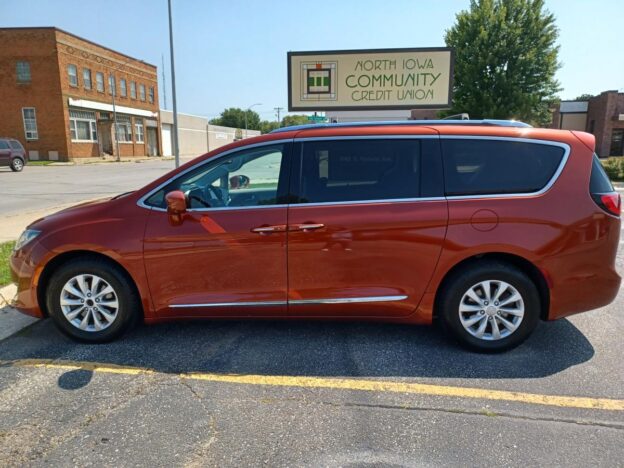
When most people hear about repossessed vehicles, they think of broken-down cars or hidden problems. But is that really the case? In reality, buying a repossessed vehicle can be a smart way to get a reliable car for less. At RepoFinder.com, we help connect buyers with banks and credit unions that are selling repossessed vehicles. In this article, we’ll debunk five common myths about repossessed cars and show you why they could be a great option for your next purchase.
Many buyers assume repossessed cars are in bad shape. They think previous owners didn’t take care of them. While some may have issues, this isn’t always true. Many repossessed vehicles were well-maintained before being taken back by the bank. Banks don’t want to sell junk either—they want to get fair value for the car. Most repossessions are because of missed payments, not because of neglect.
Before buying a repossessed vehicle, check the condition yourself. You can inspect it, request a vehicle history report, and even have a mechanic take a look. With a little research, you can find a repossessed car in great condition.
Another common misconception is that repossessed vehicles come with hidden issues. The truth is, banks want to sell these cars as quickly as possible, but they aren’t trying to hide anything. You can usually get full details about the vehicle’s condition. Many repossessed cars are sold “as-is,” but that doesn’t mean the bank is hiding something. It just means they aren’t making repairs before the sale.
If you’re worried about potential problems, make sure to do your homework. Get a professional inspection or take the car for a test drive. The more you know, the better deal you can get.
Some people think buying a repossessed car is complicated. But buying directly from a bank or credit union is straightforward. At RepoFinder.com, we make it easy to find repossessed vehicles for sale near you. Once you find a car you’re interested in, the process is similar to buying any other used car. You can even negotiate the price in some cases.
There’s no need to worry about hidden fees or dealing with pushy salespeople. The banks just want to move the vehicle quickly, making the process smooth and simple for buyers.
Many buyers think they need to pay cash upfront for a repossessed car. This is not true. You can often finance a repossessed vehicle just like any other used car. In fact, some banks may offer financing options to help sell the vehicle faster. You can also secure your own financing if you prefer.
Always check with the seller to see what options are available. If you’re getting a great deal on a repossessed car, financing can make it even more affordable.
People assume repossessed vehicles are risky investments. The truth is, many repossessed cars are sold at a significant discount. Banks and credit unions aren’t in the business of keeping cars—they want to sell them quickly to recover their losses. This means you can find a high-quality vehicle for much less than at a dealership.
By buying a repossessed car, you’re cutting out the middleman and saving money. With some due diligence, you can drive away in a great vehicle for a fraction of the cost.
Repossessed vehicles offer great value for buyers who want to save money. Many cars are in good condition and come at a lower price than at dealerships. Plus, buying from a bank or credit union means you avoid dealership fees and markups. If you’re cost-conscious, a repossessed car could be the perfect solution for you.
At RepoFinder.com, we make it easy to find repossessed vehicles from banks and credit unions near you. Check out our listings today and see how much you can save on your next vehicle.
Repossessed vehicles can be a smart choice for budget-conscious buyers. They aren’t all damaged, difficult to buy, or hiding problems. By debunking these myths, we hope more people will consider the value of buying a repossessed vehicle. For those ready to explore their options, RepoFinder.com is a great place to start.
If you’re looking for a reliable vehicle at a fair price, don’t overlook the repossessed cars from banks and credit unions. They might just be your best deal yet.
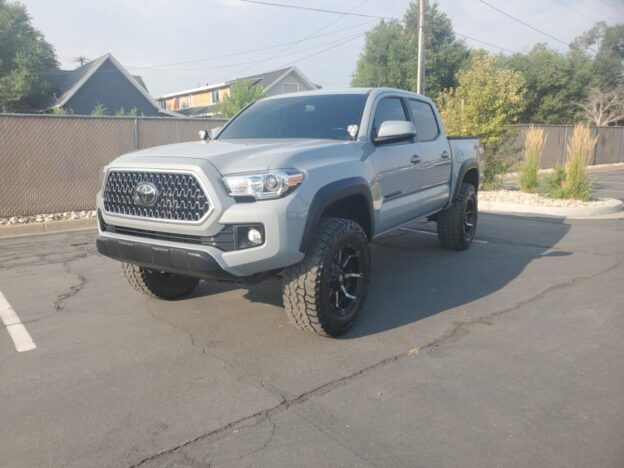
If you’re looking for a great deal on a repossessed vehicle or property, Kahului Credit Union repos could be your best option. Buying a repo directly from a credit union means no middleman or hidden fees. Plus, credit unions often want to recover their losses quickly, so you can score an incredible deal. In this blog, we’ll explore where to find Kahului Credit Union repos, how the process works, and why buying repossessed assets can save you money.
Kahului Credit Union, located in Hawaii, has been serving its members since the 1950s. As a member-focused financial institution, it provides a range of services from personal loans to home mortgages. Like many credit unions, Kahului helps its members finance cars, boats, and even real estate. However, when members default on these loans, the credit union may repossess the assets and resell them to recover their money. This means you can find cars, trucks, motorcycles, RVs, boats, ATVs, and even homes at prices well below market value.
Credit unions lend money to their members for large purchases like cars or homes. If a borrower can’t make payments, the credit union repossesses the asset, whether it’s a vehicle or real estate. Their goal is to recover the remaining balance on the loan by selling the repossessed item. This is why repos are often sold at discounted prices – the credit union only wants to recoup its losses. This creates a win-win situation for buyers looking for a deal.
The process of buying a repo from a credit union like Kahului is simple. Here’s how it works:
One of the biggest benefits of buying a repo from a credit union is the potential for significant savings. Since Kahului Credit Union doesn’t act as a dealership, you’re not paying for a salesperson’s commission or dealership fees. Plus, because the credit union only wants to recover its loan, repo prices are often much lower than market value. This means you can buy a car, truck, or even a home for less than you’d pay elsewhere.
You can save even more by purchasing through a resource like RepoFinder.com. RepoFinder helps connect buyers with credit union and bank repos, allowing you to browse available listings and find the best deals. You can also explore other blog entries on RepoFinder, such as Where to Find Credit Union Repos, to get more insights into the repo buying process.
If you’re ready to start searching for Kahului Credit Union repos, your first step is to visit the Kahului Credit Union website and check out their available repossessions. You can also browse repos from credit unions and banks across the country by visiting RepoFinder.com, where you’ll find a comprehensive list of repossessed vehicles and properties. By buying directly from a credit union, you’ll save money and avoid the fees that come with traditional dealerships.
Don’t miss out on the opportunity to find great deals on cars, trucks, boats, and even real estate. Start exploring Kahului Credit Union repos today!

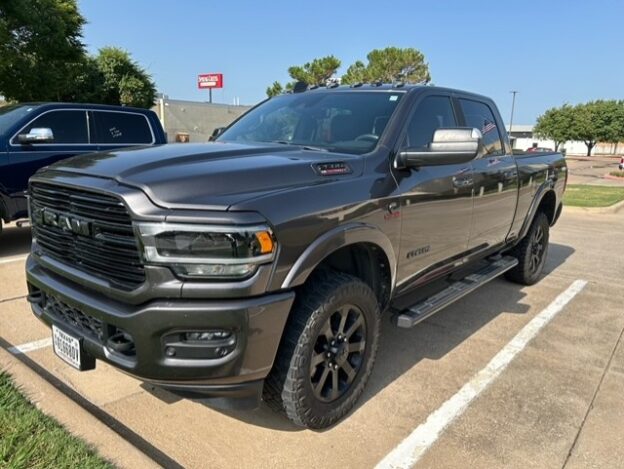
Looking for a reliable used car at a great price? Start searching for State Employees’ Credit Union repos (SECU) in North Carolina! SECU sells repossessed vehicles directly to the public, often at lower prices than you’d find at a dealership. This is a smart place to start your car search because of the savings and the chance to work directly with the credit union. Let’s take a closer look at SECU and why buying a repossessed car from them is a good idea.
State Employees’ Credit Union (SECU) was founded in 1937 to help state and public school employees in North Carolina with their financial needs. Today, SECU has more than 2.6 million members and offers many financial services, such as loans, savings accounts, and mortgages. Their goal is to support the financial well-being of their members.
Repossessed cars, or “repos,” are vehicles that a lender takes back when the owner can’t make payments. After taking the car back, SECU sells it to the public to recover the money left on the loan. This allows buyers like you to get these vehicles at a lower cost.
When shopping for a used car, looking at State Employees’ Credit Union repos is a smart first step. Here’s why:
Ready to start shopping? Follow these easy steps:
Starting your car search with State Employees’ Credit Union repossessions. They can save you money and make the buying process easier. SECU offers good prices, clear information, and direct dealings with the credit union. If you’re looking for a used car in North Carolina, be sure to check out their repossessed car listings first.
Good luck, and happy car shopping!
This financial institution is one of many lenders listed in the RepoFinder directory of banks that sell repo cars across the United States.