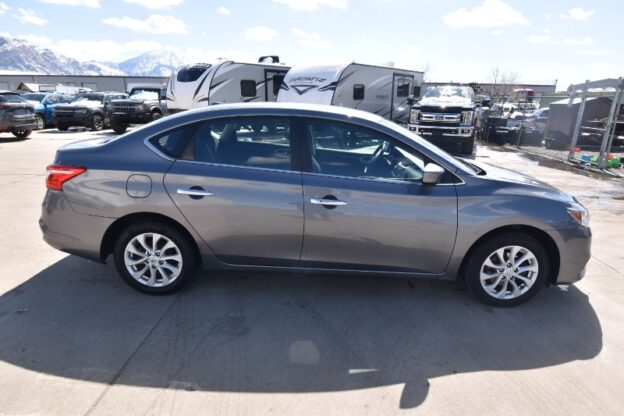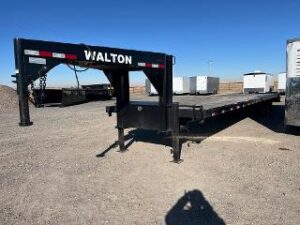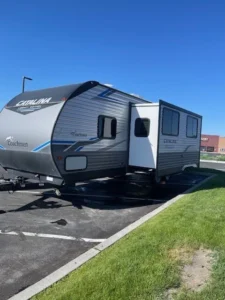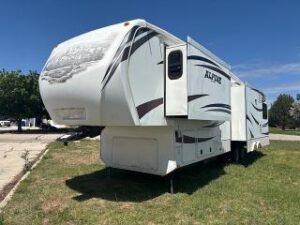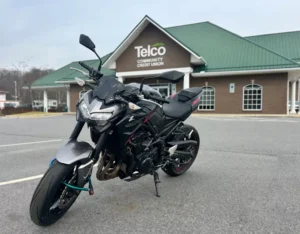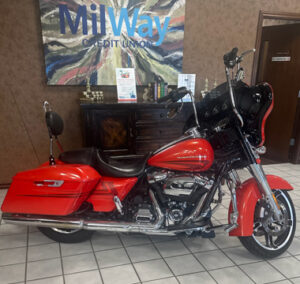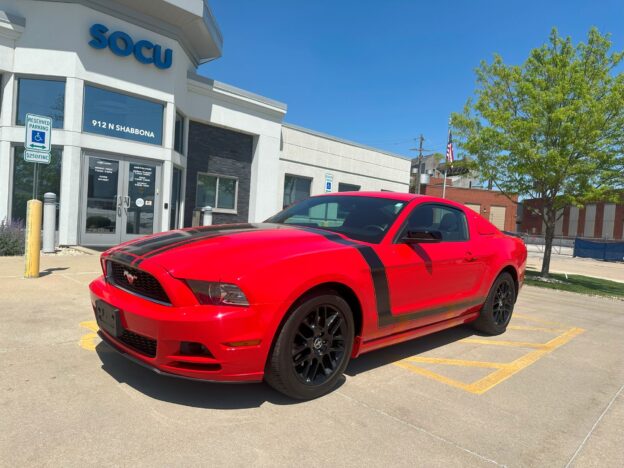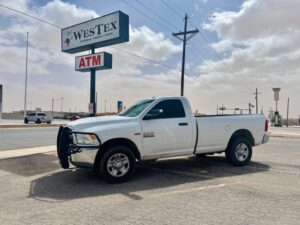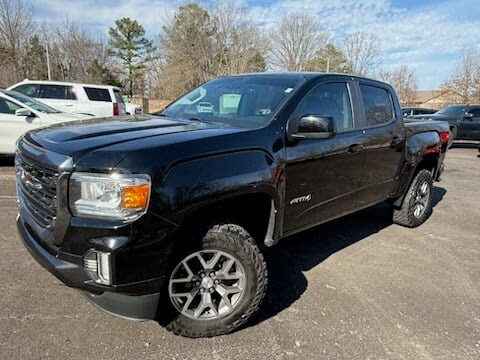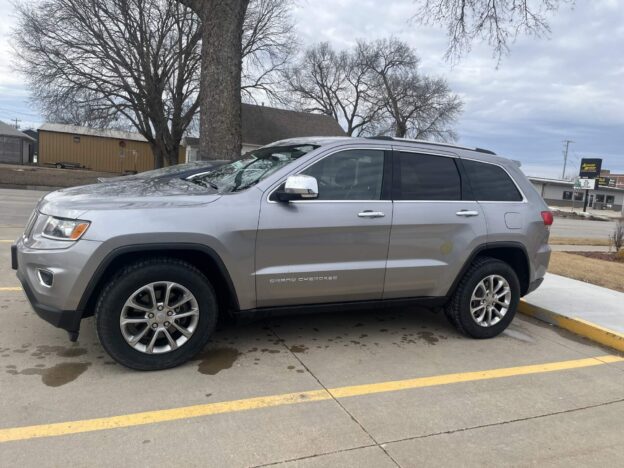

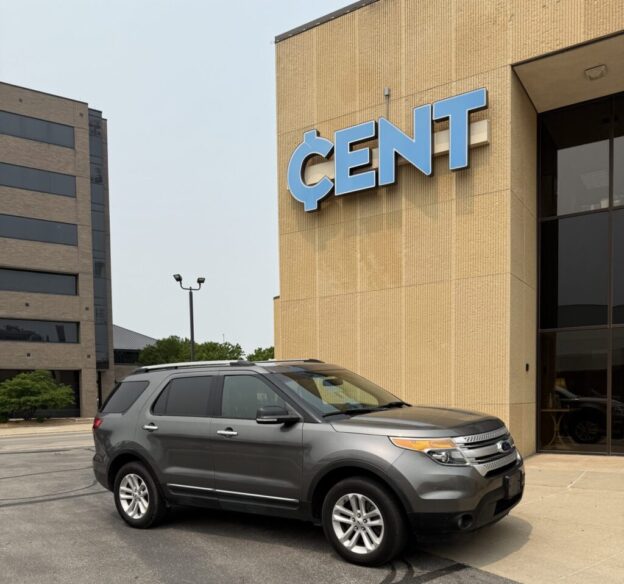
Tag Archives: bank-owned vehicles

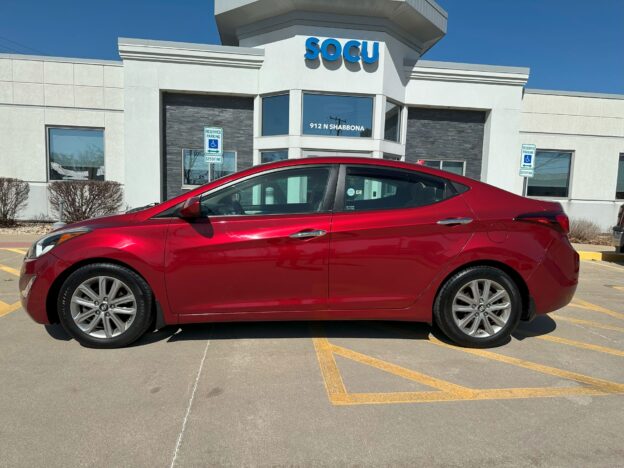
repossessed used car for sale at a credit union

Why RepoFinder.com Should Be Your First Stop for Used Cars

Looking for a Used Car? Start Here

Buying a used car can feel confusing. Prices vary. Dealers use tricks. Auctions move too fast.

That’s where RepoFinder.com comes in. We help regular people find real repossessions for real savings.

You don’t need to be a dealer or go to a high energy auction where you’ll feel like a fish out of water. You just need to know where to look.

We’ll explain why RepoFinder.com is one of the best ways to find a used vehicle today.


What Is RepoFinder.com?

RepoFinder.com is a free website that helps you find repossessed vehicles, boats, RVs, and property.

We’re different from other car sites. We don’t sell cars or run auctions. We don’t charge and dealer fees because we’re not a dealer or an auction house.

Instead, we connect you directly to banks and credit unions who are selling their repossessed items.

These banks want to sell fast. That means you can often get a better deal.


Three Big Reasons to Use RepoFinder.com

Let’s break it down. Here are the top 3 reasons people trust RepoFinder.com when shopping for used cars.


1. Direct Access to Repos from Banks and Credit Unions

Most people don’t know this, but banks and credit unions often have vehicles they’ve repossessed from borrowers.

These repos are often:

  • Well-maintained

  • Sold at a discount

  • Ready for quick sale

Banks are not car dealers. They just want to get their money back. That’s good news for buyers like you.

At RepoFinder.com, you don’t buy from us. You buy straight from the bank.

This is different from:

  • Auction sites that require bidding

  • Dealers who mark up prices

  • Brokers who add middleman fees

Our site lists real links to each bank or credit union’s repo inventory. You go straight to the source.

You can call them. Visit them. Even make offers directly.

And yes—many banks even offer financing on their own repos. (You can read more about that here.)

This means you may get better loan terms than at a dealership.


2. A Central Map of Repos in All 50 States

RepoFinder.com is more than a search bar. It’s a map of the entire country’s repossessions.

Every state. Hundreds of banks and credit unions. All in one place.

You don’t have to search site after site. We’ve already gathered the links for you.

Just visit our state map. Click your state. You’ll see all local listings and banks with repos.

For example:

  • In Texas? You’ll see dozens of credit unions with repos.

  • In Florida? Many local banks list boats and cars weekly.

  • In California? You’ll find credit unions with clean-title SUVs and sedans.

You don’t need to know a bank’s name. You just click the state and browse.

It’s simple. It’s fast. And it’s always growing.


3. No Hidden Fees, Games, or Sign-Ups

Let’s be honest. Many car-buying sites are full of tricks.

They make you sign up. Perhaps they sell your info. Most likely they’ll push you toward high-priced dealers.

RepoFinder.com does none of that.

  • No dealer fees

  • No commissions

  • No middlemen

We’re not trying to sell you a car. We’re here to show you where the deals are at your local banks.

You just contact the seller (a bank) and make an offer. It’s that simple.

Many listings are “first come, first served.” That means you can move fast—and save big.


More Ways to Save with RepoFinder

Besides cars and trucks, you can also find:

  • Boats

  • RVs and campers

  • Motorcycles and ATV’s

  • Real estate

  • Equipment and machinery

Banks repossess more than cars. They sometimes list homes, jet skis, even tractors.

These items are usually listed on the bank’s own site. But we link you there.

That means you’re seeing true repo prices—not marked-up ones.


What Are the Risks?

Buying a repo does come with some things to watch out for. Here are a few:

  • Most repos are sold as-is

  • You may not get a warranty

  • Inspections are sometimes limited

But remember—this is the same deal the dealers get. They buy repos at low prices and resell them.

With RepoFinder, you get that same access, but you cut out the dealer markup.

If you’re smart and do a little research, you can save thousands.

We always suggest:

  • Running a vehicle history report

  • Asking if test drives are allowed

  • Getting a mechanic’s opinion if possible


How to Use RepoFinder in 3 Simple Steps

Step 1: Visit RepoFinder.com

Go to www.RepoFinder.com. It works on phones, tablets, and computers.

Step 2: Click Your State

Use the state map or the state list. Click where you live or want to shop.

Step 3: Browse the Repo Listings

Each bank or credit union has a link. Some take you to car listings. Some let you make offers online.

From there, you’re in control. You contact the seller. It’s you who asks about the vehicle… and it’s still you (and the bank) who work out your deal.


Who Is RepoFinder Best For?

RepoFinder is great for:

  • People who want to avoid dealers

  • Buyers looking to save money

  • Families who need a second vehicle

  • People who can wait for the right deal

If you need a car today, you might go to a dealer. But if you want a better deal, RepoFinder gives you a smarter option.


How Does RepoFinder Make Money?

That’s the best part—we don’t charge buyers anything.

Some banks pay a small fee to be listed. But most of the site is totally free.

Our goal is to help people find hidden deals. We believe in transparency and no gimmicks.

RepoFinder is supported by ads like most free websites on the internet. We also provide an enhanced service at RepoFinder Pro with no ads and other perks.


Tips to Get the Best Repo Deal

Here’s how to get the most out of RepoFinder:

  • Check weekly: Listings change fast

  • Be flexible: You may find better deals in nearby states

  • Ask about financing: Many banks offer it on their own repos

  • Move fast: Good deals don’t last long

  • Stay patient: Waiting for the right deal can pay off big


What Our Users Say

“I found my truck through a credit union linked on RepoFinder. Saved over $5,000 compared to dealer prices!” – Mike B., Colorado

“No auctions, no fees. I found a clean-title boat for under market value. Super easy.” – Janice R., Florida

“I used to flip cars. Now I just use RepoFinder to find my next ride.” – Paul L., Texas


Frequently Asked Questions (FAQ)

Do I need a dealer’s license?
No. Most repo listings are open to the public.

Are the vehicles clean title?
Most are, but check with the bank. Some may be rebuilt or salvage.

Can I test drive the car?
Sometimes, yes. It depends on the seller. Ask before making an offer.

Do I have to go to an auction?
Nope. RepoFinder shows you non-auction repos available to the public.

What if I live in a small state?
Browse nearby states too. Many banks sell to out-of-state buyers.


Final Thoughts: Why RepoFinder Works

RepoFinder.com is simple, free, and powerful.

We help people:

  • Find repossessions the public can actually buy

  • Connect directly to banks and credit unions

  • Avoid auctions, scams, and overpriced dealers

In a world full of tricks and hidden fees, we keep it easy.

If you’re buying a car, boat, RV, or even a home—start with RepoFinder.

You might be surprised what you find.


Ready to Start Your Search for used cars?

Browse repos by clicking your state on our Repo Map. It only takes a few seconds.

Just real listings.

special low financing deal on a credit union repo

How Banks and Credit Unions Offer Low Financing Rates on Repos

How Banks and Credit Unions Offer Low Financing Rates on Repo Cars

Buying a repossessed car from a bank or credit union can save you thousands of dollars. One major way they help you save is by offering financing deals as low as 1%. This is something you rarely see at dealerships or auctions. Let’s explore why they do this and how you can benefit.

credit union repo listing with special financing terms


Why Banks and Credit Unions Offer Repo Cars

Banks and credit unions sometimes need to take back cars when people stop making loan payments. These vehicles are called repossessions or “repos.”

When a bank or credit union gets a repo, they don’t want to keep it. They want to sell it quickly and recover their money. The faster they sell, the less they lose.

That’s why they are motivated to offer great financing deals. It helps the vehicle sell faster.


What Makes These Financing Deals Special

Banks and credit unions are not car dealers. They are lenders. Their goal is to get back their loan balance, not make a profit.

When you buy a repo car directly from a bank or credit union, they may offer you:

These institutions already own the car. So they have room to make the financing attractive.

special 1.5% financing on a repossessed car sold by a credit union


Why Banks Want to Sell Fast

Repos cost money to hold. Every day a repo sits in a lot, the bank loses more. There are storage costs. There’s depreciation.

Plus, the longer they wait, the harder it becomes to sell. Cars lose value fast. Banks know this.

That’s why they’re willing to cut deals. They’d rather sell fast at a discount than wait and lose more.


More Room for Negotiation

Banks and credit unions don’t use high-pressure sales. They are not trying to upsell or hide costs.

This means you have more room to talk about price and terms. Many small banks and local credit unions will work with you.

They may even pre-approve you for financing before you bid on a repo car.


Auctions vs. Bank Repo Sales

At an auction, you might pay extra fees. You usually have to pay cash. There are no financing deals.

Dealerships mark up their prices. They often add fees for paperwork, delivery, and prep. That adds up fast.

Buying from a bank cuts out the middleman. You get the car at a better price, and you can finance it too.


How the Bidding Process Works

Many banks and credit unions sell repo vehicles through bidding. Some use sealed bids. Others sell first-come, first-served.

Here’s how it usually works:

  1. Find a car on the bank’s repo list.
  2. Inspect the car (if possible).
  3. Submit your bid.
  4. If accepted, you’ll get the terms and loan info.

Some credit unions will even help arrange transport or offer warranties.


What Makes Credit Unions Different

Credit unions are member-owned. That means they care more about people than profit.

They are known for being:

  • Friendly and helpful
  • Transparent with fees
  • Willing to work with all credit types

You can expect a personal touch when buying from them. You’ll deal with people, not sales tactics.


A Trusted and Transparent Process

Banks and credit unions must follow strict rules. Their repossession sales are legal, fair, and well-documented.

You’ll usually get a clean title. They’ll tell you what they know about the car’s condition.

Many include photos, VIN numbers, and full descriptions. This helps you make an informed decision.


RepoFinder.com: The Largest List of Bank Repos

RepoFinder.com is the easiest way to find repo cars from banks and credit unions. It’s free to use and updated often.

Here’s why it’s popular:

  • One site with links to every bank and credit union repo list in the country
  • No middlemen or fees
  • Includes cars, trucks, RVs, boats, and even real estate

You deal directly with the financial institution. That means better deals, honest terms, and more trust.


Financing Terms to Look For

When buying a repo from a bank, look for:

  • Low APR (annual percentage rate)
  • No prepayment penalties
  • Short or long-term options
  • No dealer markups

Ask if they offer rate discounts for automatic payments or being a member.

special 3.55 financing rates on credit union repo vehicles


How to Get Started

Here are simple steps to start your search:

  1. Visit RepoFinder.com
  2. Click on your state
  3. Browse listings from local banks and credit unions
  4. Call or email them directly
  5. Ask about bids and financing options

Take your time, ask questions, and make sure the deal fits your budget.


Real Savings Add Up Fast

Here’s how you can save:

  • No dealer markup: Save $1,000–$3,000
  • Lower loan rates: Save hundreds in interest
  • No bogus fees: Save on documentation, prep, or shipping

All together, that can mean thousands of dollars in savings.


Personal Example

Let’s say you buy a $15,000 repo car from a credit union with 1% interest over 4 years. Your payments could be around $320/month.

At a dealer, the same car might cost $17,000 with a 6% loan. That’s $398/month. That’s a big difference.

Over 4 years, that’s a savings of more than $3,700.


Pros and Cons of Buying Bank Repos

Pros:

  • Low interest financing (as low as 1%)
  • No dealer markups
  • Transparent and legal sales
  • Trusted financial institutions
  • Direct contact with sellers
  • Personal service

Cons:

  • Limited warranties
  • No test drives in some cases
  • Sold as-is

Final Thoughts

If you want to save money on your next car, bank repos are a smart move. You’ll get better rates, trusted sellers, and a clear process.

Use RepoFinder.com to start your search. It’s the best place to find bank and credit union repos fast.


Infographic: Why Buy Repo Cars from Banks?

Title: How Buying Repo Cars from Banks Saves You Money

+-------------------------------+
|           LOW RATES          |
|     Bank APRs as low as 1%   |
+-------------------------------+
|     NO DEALER MARKUPS        |
|   Pay what the bank asks     |
+-------------------------------+
|       DIRECT FINANCING       |
|    Apply for a loan on-site  |
+-------------------------------+
|        TRANSPARENT SALES     |
|  Photos, VINs, and full info |
+-------------------------------+
|       REPOFINDER.COM         |
|   Nationwide repo listings   |
+-------------------------------+


Salvage Car for sale at auction

Why Salvage Car Auctions Are Not for the Average Car Buyer

Why Salvage Car Auctions Are Not for the Average Car Buyer

Many people look at salvage car auctions and think they’re getting a great deal. But are they really?

If you’re not a trained mechanic or auto expert, you may be walking into a money pit. Sure, the car may look clean on the outside. But the inside can be a whole different story.

Let’s break it down and explain why salvage car auctions are risky—and what smarter options are available.


What Are Salvage Car Auctions?

Salvage auctions sell cars that have been badly damaged. These cars were often in accidents or floods. Sometimes, they were stolen and stripped.

Insurance companies label them as salvage because the cost to fix them is too high. So instead of repairing them, insurers auction them off to get something back.

These vehicles are then sold to the highest bidder—usually dealers, rebuilders, or mechanics.


Who Buys Salvage Cars?

Most buyers at salvage car auctions are not everyday drivers. They are:

  • Used car dealers

  • Auto body shops

  • Mechanics

  • Flippers who want to resell at a profit

They know what to look for, can inspect damage properly, and they know repair costs and risks.

But if you’re not experienced, you’re at a huge disadvantage.


Why Salvage Cars Are a Big Risk

Here’s what you might be dealing with when buying a salvage car:

1. Hidden Frame Damage

The frame might look straight, but inside it’s bent or cracked. That can make the car unsafe.

2. Flood Damage

Flooded cars often look fine after they dry out. But the damage can appear months later.

Mold, rust, and electrical issues can slowly destroy the car from the inside.

3. Engine or Transmission Failure

You won’t know if the engine works right until it’s too late. If it breaks down later, you’re stuck.

4. Missing Parts or Airbags

Some salvage cars are sold missing key parts. That includes airbags, brake systems, and computer modules.

Without those parts, your car is dangerous to drive.

5. Deferred Maintenance

Some of these cars were not serviced for years. Oil changes? Skipped. Repairs? Ignored.

You won’t see this on a Carfax report because many issues go unreported.


Looks Can Be Deceiving

Salvage cars are often cleaned up before sale. A shiny paint job hides the true damage.

Buyers think they’re getting a steal. But the cosmetic cover-up fools many people.

That’s why dealers can find a deal—and you can get stuck with junk.


Why Car Dealers Take the Risk

Dealers often buy salvage cars cheap, fix them up quickly, and resell them. They know how to work the system.

Dealers have in-house mechanics or trusted shops. They buy parts in bulk and use cheaper labor.

If they spend $2,000 fixing a $5,000 salvage car, they can sell it for $8,000.

That’s a profit.

But you? You don’t have access to their tools, parts, or discounts.


Salvage Titles Stay with the Car

Once a car is branded “salvage,” it stays that way. Even after it’s fixed.

That means:

  • Lower resale value

  • Difficulty getting insurance

  • Problems with vehicle registration

  • Loan denial from lenders

If you ever want to sell it, buyers will hesitate. Most banks won’t finance a salvage car either.


Major Salvage Auction Sites Don’t Warn You Enough

Big salvage car auction websites show flashy photos and low prices. But here’s the catch:

They don’t highlight:

  • How much repairs will cost

  • What parts are missing

  • If the car is even road-safe

Many problems are not visible in the photos. And most buyers can’t inspect the car before bidding.

Plus, auction sites don’t mention if the car has:

  • Unreported accidents

  • Stolen parts

  • Missing service history

  • Odometer rollbacks

Carfax doesn’t always catch this. It relies on reports that don’t always get filed.


Buying a Salvage Car Can Void Safety

Even if you fix the car, it may never pass inspection. That means:

  • You can’t legally drive it

  • You may not register it

  • You could be stuck with a giant paperweight

And good luck getting your money back. Auction sales are as-is, no returns.


The Better Option: Clean Title Repo Cars

If you want a deal without the risks, try clean title repo cars instead.

These are vehicles repossessed by banks or credit unions. The owners stopped making payments, so the lender took the car back.

That doesn’t mean it’s junk. Many repo cars are:

  • Gently used

  • Well-maintained

  • In drivable condition

  • Clean title

They’re simply cars that someone couldn’t afford to keep.


Why Banks Sell Clean Title Cars

Banks aren’t in the car business. They just want their money back. So they sell repos fast, often below market value.

They don’t mark up prices like dealers. They don’t charge fees or commissions.

You get a private sale price, but from a trusted source.


Use RepoFinder.com to Find the Best Repos

RepoFinder.com helps you search repo cars from banks and credit unions near you.

Here’s what you get:

  • No dealer fees

  • No pressure

  • Clean titles

  • Direct contact with the bank

  • Upfront listings with photos and descriptions

  • Financing options available

RepoFinder has been trusted since 2009. It’s free to use, and you don’t need an account.


How to Use RepoFinder.com

Using the site is easy.

  1. Go to RepoFinder.com

  2. Select your state or region

  3. Choose “cars” or “vehicles”

  4. Browse clean title repos

  5. Contact the bank directly

  6. Set up an inspection and make your offer

It’s that simple.


Why RepoFinder Beats Salvage Car Auctions

Let’s compare:

Feature Salvage Auctions RepoFinder (Clean Title)
Title Type Salvage (branded) Clean Title
Sale Type Auction (as-is) Private sale via bank
Seller Type Unknown third-party Trusted bank or credit union
Vehicle Condition Heavily damaged Usually road-ready
Price Transparency Low High
Repair Costs Unpredictable Minimal or none
Financing Available Rare Often available
Buyer Risk High Low

Financing? Banks Can Help Too

Another perk with repo cars? You may be able to finance them with the same bank that’s selling the car.

Banks want to move the car and keep your business. That means:

  • Better loan terms

  • Lower interest rates

  • Easier approval

Try doing that with a salvage auction. Spoiler alert: you won’t.


No High-Pressure Sales

RepoFinder is not a dealership. You browse at your own pace. No one calls you. No one pushes you.

Just you and the seller—the bank.

Take your time, ask questions, and buy when you’re ready.


No Dealer Fees, No Commissions

When you buy from a dealership, you pay:

  • Doc fees

  • Prep fees

  • Delivery charges

  • Commissions

That adds thousands to the price.

When you buy through RepoFinder, you pay the bank directly. No extras. Just the sale price and your taxes.


What Buyers Say

People love buying clean title repos. Here’s what they often say:

  • “The car was in great shape and way under market value.”

  • “I couldn’t believe how easy it was.”

  • “I financed it right through the credit union.”


What If You’re Still Tempted by Salvage Auctions?

If you really want to buy from salvage car auctions, just know the risks.

Ask yourself:

  • Can I inspect the car in person?

  • Do I have access to cheap repairs?

  • Am I OK with losing money?

  • Will I ever want to resell this car?

If the answer is “no” to any of those, think twice.


Final Thoughts

Salvage car auctions are flashy. They promise big savings. But for most people, they’re just too risky.

You don’t know what you’re buying. You can’t always fix it. And resale is tough.

But RepoFinder offers a smarter path.

You still get a deal—often better. You get clean title vehicles, avoid high-pressure sales, hidden damage, and shady fees.

And best of all, you deal directly with someone you can trust—a local bank or credit union.

It’s the safest way to get a great car at a great price.


Start Shopping Smarter Today

Ready to skip the headaches of salvage car auctions? Visit RepoFinder.com today.

Find clean title repo cars near you. No fees. No gimmicks. Just solid vehicles and fair prices.


ALB Trailers by Owner for sale at banks

Albuquerque New Mexico Trailers for Sale by Owner

Albuquerque New Mexico Trailers for Sale by Owner: The Smart Way to Shop with RepoFinder

Repo trailer for sale by a credit union

Looking for Albuquerque New Mexico trailers for sale by owner? You’re not alone. Many buyers want to skip the middleman and avoid extra fees. But where can you find “alb trailers by owner” listings that are safe, affordable, and hassle-free?

That’s where RepoFinder.com comes in.

RepoFinder helps you find trailers for sale directly from banks and credit unions. These are true private sales—no dealers involved. That means no markups, no commissions, and no pressure.

Let’s explore how you can save money and find the right trailer using RepoFinder.


Why Look for “Alb Trailers by Owner”?

Buying a trailer from a dealership can be expensive. You pay retail prices, sales commissions, and sometimes hidden fees.

When you buy from a private seller, you often get a better deal. However, private sellers on classified websites might not be trustworthy. Some don’t provide full trailer history or may not keep their listings updated.

So what’s the solution?

RepoFinder combines the savings of private sales with the safety of buying from a verified source.

These are repos—trailers that banks have taken back after a loan default. The banks want to sell them fast and cheap. So, they list them directly to the public, without using dealerships.

This puts you, the buyer, in control.


What Makes RepoFinder Different?

RepoFinder is not a dealer. It’s also not a classifieds site. Instead, it connects you directly to banks and credit unions.

Here’s how it works:

  • Banks post their repossessed trailers for sale

  • Listings are available to the public with no signup or fees

  • You contact the bank directly—just like buying from an owner

That’s why these listings qualify as “alb trailers by owner.”

You deal with the lender who holds the title. This cuts out the middleman entirely.


Trailers You Can Find on RepoFinder

You might think repos are all damaged or outdated. Not true. Many repossessed trailers are in great shape and priced to move.

RepoFinder lists a wide range of trailers, including:

🔧 Utility Trailers

Great for hauling tools, equipment, or supplies. Perfect for small business owners or contractors.

🏕️ Recreational Trailers

Like campers and travel trailers. Ideal for weekend getaways or full-time RV living.

🐴 Horse Trailers

Common in New Mexico ranching areas. These trailers are often well-kept and gently used.

🚛 Flatbeds and Enclosed Trailers

Used for moving goods, landscaping tools, or ATVs. You’ll find all sizes and brands.

🛻 Car Haulers and Toy Haulers

Haul vehicles, bikes, or gear to your next destination.

So, whether you’re working or adventuring, there’s likely a repo trailer to fit your needs.

repossessed trailer for sale by a bank


Benefits of Buying Trailers from RepoFinder

Here’s why smart buyers start their trailer search on RepoFinder.com:

✅ No Dealer Fees

You skip dealer commissions and handling charges. That could save you hundreds—or thousands.

✅ Direct Contact

You deal straight with the bank. This is truly a private sale without pressure.

✅ Clean Titles

Most bank repos come with clear titles. No liens or shady paperwork.

✅ Fair Prices

Banks want to sell repos quickly. That means you get below market prices.

✅ Safer Than Craigslist

RepoFinder only shows listings from verified financial institutions. No scams, no sketchy sellers.


How to Buy a Trailer Through RepoFinder

Buying through RepoFinder is simple. Follow these easy steps:

  1. Visit RepoFinder.com
    Use the search tool to select New Mexico and the trailer category.

  2. Browse the Listings
    Look at photos, prices, and condition reports. Some banks list auction dates or “buy now” options.

  3. Contact the Bank
    Each listing includes bank contact info. You’ll call or email them just like you would a private seller.

  4. Inspect the Trailer
    Most banks allow in-person inspections or will share detailed reports.

  5. Make an Offer
    You may be able to negotiate. Or you can submit a bid if the bank uses an auction format.

  6. Arrange Payment
    Once the deal is done, you’ll pay the bank directly.

  7. Pick Up Your Trailer
    After payment clears, you take possession. Some banks even offer delivery or help with paperwork.

That’s it! Fast, simple, and totally transparent.


Bank owned 5th wheel trailer for sale

Albuquerque Buyers: What to Know

Albuquerque, New Mexico is a great place to own a trailer. Whether you’re towing for work or fun, you need a deal you can trust.

RepoFinder listings often come from local banks or regional credit unions. That means the trailers are usually located near Albuquerque, Rio Rancho, or surrounding areas.

Buying close to home saves on transport costs and makes inspections easier.

Even better, New Mexico’s dry climate means many used trailers are in better condition than you’d expect.


Tips for Buying a Bank-Owned Trailer

If you’re new to repos, here are some tips to help:

  • Act Fast: Good deals don’t last long. Trailers can sell within days.

  • Be Prepared: Have your payment method ready. Some banks require cash, certified check, or pre-approved financing.

  • Inspect Thoroughly: Don’t assume the trailer is perfect. Look for signs of wear, water damage, or missing parts.

  • Ask Questions: Contact the bank about maintenance history, registration, or known issues.

  • Bring ID: When finalizing your purchase, most banks will ask for ID and title transfer documents.


Frequently Asked Questions (FAQ)

Are these trailers sold at auction?

Some are. Others are sold on a first-come, first-served basis. Listings will usually say which format.

Do I need a dealer’s license?

No. Anyone can buy from RepoFinder listings. You don’t need a license or a business to qualify.

Can I get financing?

Sometimes. Some banks may offer in-house financing. Others will expect cash. Ask about options when you call.

Are these listings updated often?

Yes. RepoFinder pulls live listings from banks across the country. Check back regularly for new inventory.


Save Money. Skip the Dealer. Buy Direct.

If you’re searching for alb trailers by owner, don’t waste time on sketchy listings or overpriced dealers. Visit RepoFinder.com today.

There’s no fee to browse, and no account is needed.

You’ll get the private-sale price without the private-sale risk. That’s because banks don’t need to profit from the sale—they just want to recoup loan losses.

That puts you in the best position to find a deal, fast.


Ready to Find Your Trailer?

Visit RepoFinder.com and select New Mexico to get started.

Search for:

  • Utility trailers

  • Campers

  • Travel trailers

  • Toy haulers

  • Enclosed trailers

  • Car haulers

  • And more!

It’s fast, free, and a better way to buy.


Motorcycle Repos for Sale by Bank

Motorcycle Repos for Sale by Bank: Your Complete Guide

Repossessed motorcycle for sale by a bank

Motorcycle Repos for Sale by Bank: Your Complete Guide

Looking for motorcycle repos for sale by bank? Buying directly from a bank or credit union can be an excellent way to find quality motorcycles outside the traditional dealership network. Financial institutions regularly repossess motorcycles after loan defaults and offer them for sale to recover the remaining loan balance.

Repo motorcycles may include Harley-Davidsons, Hondas, Yamahas, Kawasakis, Suzukis, BMWs, Ducatis, Indian motorcycles, scooters, dual-sport bikes, touring motorcycles, cruisers, and sport bikes. This guide explains how bank repossessions work, where to find them, what to inspect before buying, and how RepoFinder helps simplify the search.


Bank repossessed Harley-Davidson motorcycle

What Is a Motorcycle Repo?

A motorcycle repo is a motorcycle that has been repossessed after the borrower stops making loan payments or voluntarily surrenders the motorcycle. Once the lender takes possession, the motorcycle is typically offered for sale through a direct sale, sealed bid, auction, or liquidation service.

Unlike dealerships, banks are not trying to build motorcycle inventory. Their goal is generally to recover the outstanding loan balance while minimizing storage and administrative costs.


Repossessed KTM dirt bike for sale

Why Buy a Bank Repo Motorcycle?

  • Competitive pricing compared with similar retail listings.
  • Direct access to lender-owned inventory.
  • Wide selection of motorcycles from banks and credit unions nationwide.
  • Opportunity to compare motorcycles from multiple financial institutions.
  • Straightforward buying process with clearly defined sale procedures.

Not every repossessed motorcycle is a bargain, so buyers should compare condition, mileage, maintenance history, and overall value before making a purchase.


How to Find Motorcycle Repos for Sale by Bank

1. Search RepoFinder

RepoFinder helps connect buyers with repossessed motorcycles listed by banks, credit unions, auctions, and other sellers. Instead of searching dozens of lender websites individually, you can compare available inventory in one place.

Browse current repo motorcycle listings.

2. Check Listings Frequently

Motorcycle inventory changes regularly as lenders recover and sell repossessed collateral. Checking back often increases your chances of finding the motorcycle you’re looking for.

3. Narrow Your Search

Popular categories include:

  • Cruisers
  • Sport bikes
  • Touring motorcycles
  • Adventure motorcycles
  • Dual-sport bikes
  • Dirt bikes
  • Scooters
  • Trikes

Repossessed Yamaha motorcycle for sale

What to Inspect Before Buying

Most repossessed motorcycles are sold as-is, making a careful inspection one of the most important parts of the buying process.

  • Frame condition and signs of crash damage
  • Forks and suspension
  • Engine performance and fluid leaks
  • Cold start operation
  • Chain or belt drive
  • Sprockets
  • Tires and wheels
  • Brake pads and rotors
  • Battery and charging system
  • Lights and electrical components
  • VIN and title documents
  • Available maintenance records

Whenever possible, inspect the motorcycle in person or hire a qualified mechanic before purchasing.


Repossessed Can-Am motorcycle for sale

Popular Motorcycle Brands Found in Repossessions

  • Harley-Davidson
  • Honda
  • Yamaha
  • Kawasaki
  • Suzuki
  • BMW
  • Indian
  • Ducati
  • KTM
  • Triumph
  • Can-Am

Inventory varies throughout the year depending on lender repossessions and regional demand.


Can You Finance a Repo Motorcycle?

Some lenders offer financing on their own repossessed inventory, while others require outside financing or certified funds. If financing is important, ask about available options before submitting an offer.


Questions to Ask Before Buying

  • Can the motorcycle be inspected?
  • Does it have a clean title?
  • Are service records available?
  • Are both keys included?
  • Can the motorcycle be started?
  • Are there any known mechanical issues?
  • What payment methods are accepted?
  • Are there buyer fees?

Frequently Asked Questions

Are repo motorcycles sold as-is?

In most cases, yes. Banks and credit unions typically sell repossessed motorcycles in their current condition without warranties.

Can anyone buy a repossessed motorcycle?

Many lender-owned motorcycles are available to the public, although each seller may have its own purchasing procedures.

Can I negotiate with the bank?

Some lenders negotiate while others use fixed pricing, sealed bids, or auctions.

Are repo motorcycles cheaper?

Some lender-owned motorcycles are competitively priced, but buyers should always compare condition, mileage, repairs, and market value before purchasing.


More Motorcycle Buying Resources


Why RepoFinder?

RepoFinder helps buyers locate repossessed motorcycles offered by banks, credit unions, auctions, and other sellers across the United States. Instead of visiting dozens of lender websites individually, you can compare inventory in one place and contact the seller directly for additional information.


Final Thoughts

If you’re searching for motorcycle repos for sale by bank, buying directly from a lender can be a smart way to expand your options beyond traditional dealerships. Whether you’re looking for a Harley-Davidson, Honda, Yamaha, Kawasaki, touring bike, cruiser, or sport motorcycle, new repossessed inventory becomes available regularly.

Browse RepoFinder today to compare motorcycle repos from banks and credit unions across the country and connect directly with the seller.

How to Buy Repo Cars Near You

buy bank repo cars

A Simple Guide to Finding Great Deals from Banks

Buying a repo (repossessed) car can save you a lot of money. But you need to know how it works. This guide will walk you through the steps. You’ll learn how to plan, find deals, inspect cars, and work with banks.

Let’s get started!


Step 1: Set a Budget Before You Shop

Before looking at any cars, decide how much money you can spend.

Why Set a Budget?

Repo cars are often cheaper than other cars. But you still need to make sure you can afford everything. That includes the cost of the car and any repairs or fees.

What Should You Include in Your Budget?

  • Purchase price

  • Repairs or updates

  • Taxes or title fees

  • Insurance

  • Emergency fund

Don’t forget to save a little extra just in case.


Step 2: Find Repo Cars the Smart Way

Now it’s time to start shopping. But where do you look?

Use RepoFinder.com

RepoFinder.com is a free website that lists repo cars. It helps you find cars owned by banks and credit unions.

You don’t have to pay a fee or sign up. You can search by state, bank, or type of vehicle.

Benefits of buying vehicles from banks

No fees, No commissions, No high-pressure middleman

Why Buy Repo Cars from Banks?

When banks repossess cars, they want to sell them fast.
That means you can often get a car at a lower price.
There’s no middleman. No commission fees. No dealership markups.

It’s just you and the bank.


Step 3: Check the Car Carefully Before You Buy

Once you find a car you like, take your time to inspect it. Repo cars are sold “as-is.” That means you buy it in the condition it’s in.

Use a Checklist

Here’s a basic checklist you can use to inspect the car:

Exterior:

  • Are there dents, rust, or scratches?

  • Do all doors open and close?

  • Do the lights work?

Tires:

  • Do all tires match?

  • Are the tires worn down?

Interior:

  • Is the interior clean or damaged?

  • Do all seatbelts work?

  • Do the windows and locks work?

Under the Hood:

  • Do you see any leaks?

  • Are belts and hoses in good shape?

  • Check oil, brake fluid, and coolant levels.

Test Drive (if allowed):

  • Does it start easily?

  • Are the brakes smooth?

  • Do you hear strange noises?

If you’re not sure what to check, bring a trusted mechanic with you. Some banks will let you inspect it at their location.


Step 4: Plan for Repairs and Hidden Costs

Even the best repo car might need some work.

Ask These Questions:

  • Does the car need new tires?

  • Are the brakes good?

  • Is the engine in good shape?

Set a Repair Budget

Even if the car is cheap, repairs can add up. It’s smart to set a repair budget before you buy.

Get an estimate from a mechanic if possible.


Step 5: Negotiate with the Bank

Banks don’t want to keep repo cars. They want to sell them quickly. This gives you room to negotiate.

Tips for Negotiating:

  • Be polite and professional.

  • Show that you’ve done research.

  • Point out needed repairs.

  • Start with a lower offer.

The bank may not agree, but it never hurts to ask.

Can I Offer Cash?

Yes! Cash offers often help you get a better deal. Banks like fast, clean sales.


Step 6: Ask About Financing Options

Not everyone can pay in full. That’s okay. Some banks offer special financing for repo sales.

What Is Bank Financing?

It’s a loan from the same bank selling the car. They may offer better interest rates than dealerships.

Why Is This a Good Option?

  • It can be easier to get approved.

  • The bank already owns the car.

  • They want to make the sale happen.

What to Ask the Bank:

  • What is the interest rate?

  • How long is the loan term?

  • Are there extra fees?

  • What is the monthly payment?

Compare this loan to others you might get from your credit union or local bank.


Step 7: Complete the Paperwork Properly

Buying a repo car is like buying from a private seller. But here, the seller is the bank.

What Paperwork Do You Need?

  • Bill of sale

  • Title transfer

  • Odometer reading

  • Lien release (if needed)

Ask the Bank for Help

Most banks will help you fill out the papers. Just ask what they provide and what you need to bring.

Don’t Leave Without:

  • A signed bill of sale

  • The car title or instructions to get it

  • A receipt of payment

Make sure you understand everything before signing.


Extra Tips Before You Drive Away

Get Insurance First

You’ll need insurance before you drive the car home. Call your insurance company before picking up the vehicle.

Check the VIN

Use the VIN (Vehicle Identification Number) to get a car history report. This shows accidents, ownership, and mileage.

You can check the VIN at websites like:

  • Carfax

  • AutoCheck

  • NICB.org (free theft check)

Keep Records

Save all receipts, emails, and paperwork. You may need them later if you sell the car or register it.


repo truck for sale by credit union

Why Buying a Repo Car Makes Sense

Buying a repo car can save you thousands of dollars. Banks want these vehicles off their hands. You can buy without pressure or pushy salespeople.

There are no fees, no middlemen, and no commissions. Just you, your research, and a smart purchase.


Final Thoughts

Here’s a quick review of how to buy repo cars near you:

  1. Set your budget. Include repairs and other costs.

  2. Use RepoFinder.com to search for repo cars from banks and credit unions.

  3. Inspect the car. Use a checklist or bring a mechanic.

  4. Budget for repairs. Always plan for the unknown.

  5. Negotiate with the bank. Be polite and make a fair offer.

  6. Ask about financing. Some banks offer special repo loan rates.

  7. Complete the paperwork. Ask the bank for help if needed.

Buying a repo car can be easy and smart. Just take your time, do your homework, and follow each step.

You don’t need to be a car expert to get a great deal. You just need a plan.

Happy car hunting!

This financial institution is one of many lenders listed in the RepoFinder directory of banks that sell repo cars across the United States.

Financing a Repossessed Vehicle at a bank

Buying and Financing a Repossessed Vehicle at a Bank

Financing a repo for sale at a local bank or credit union

Buying and Financing a Repossessed Vehicle at a Bank

Buying a car doesn’t have to be expensive or complicated. One smart way to save money is by buying a repossessed vehicle directly from a bank or credit union. Yes! You heard that right. Banks and credit unions sell and finance repossessed vehicles directly to the public. Often times right out of the bank parking lot. Even better, some banks will offer special financing options just to move their inventory faster.

In this guide, I’ll coach you through everything step by step. You’ll learn how to:

  • Find repossessed cars through local banks using websites like RepoFinder.com.

  • Inspect and research the vehicle so you know what you’re getting.

  • Ask the bank about special financing options for a repossessed vehicle.

Let’s get started!


What Is a Repossessed Vehicle?

A repossessed vehicle, or “repo,” is a car that was taken back by a lender. This usually happens when the person who bought it couldn’t make their loan payments. The bank or credit union then sells the vehicle to recover their money.

Repos are usually:

  • Sold “as-is,” meaning no repairs or upgrades before you buy.

  • Priced lower than dealership cars.

  • Available directly from banks or credit unions.


a repo motorcycle parked in a bank lobby for sale

Why Buy and Finance a Repossessed Vehicle?

Great question. Here are some solid reasons to consider a repo:

✅ Lower Prices

Repos are often cheaper than similar cars at dealerships. Banks just want to get their money back fast.

✅ Less Competition

Not as many people know they can buy repos directly from banks. That means more options for you.

✅ Financing Flexibility

Some banks offer special financing for repossessed vehicles. They’d rather work with you than let the car sit in a lot.


Step 1: Find Repossessed Vehicles Through Banks

Okay, let’s talk about how to actually find these hidden deals.

🔍 Use RepoFinder.com to Visit Local Bank and Credit Union Websites

The easiest place to start is RepoFinder.com. It lists repos from banks and credit unions all over the country.

Here’s how it works:

  1. Go to the website.

  2. Choose your state or click “National Listings.”

  3. Browse repos by vehicle type: cars, trucks, RVs, boats, and more.

  4. Click on a repo to view details and seller contact info.

Best part? There are no fees, no middlemen, and no commissions when you buy from the bank.


Step 2: Inspect and Research the Vehicle

Now that you’ve found a car, it’s time to make sure it’s a good one.

🛠️ Step 1: Get a Vehicle History Report

Before anything else, check the car’s history. Use websites like:

Look out for:

  • Accidents

  • Flood damage

  • Odometer rollbacks

  • Title issues

A clean title is best! Ask the bank if they already have a vehicle history report. Many of them will.

👀 Step 2: Do a Visual Inspection

If the car is nearby, visit the lot and take a look.

Things to check:

What to Check What to Look For
Tires Even wear, no bald spots
Body Rust, dents, and paint damage
Windows/Lights Cracks, chips, working condition
Interior Clean seats, working electronics
Engine Compartment Leaks, smells, loose parts

Pro tip: Take pictures or a video to review later.

🔧 Step 3: Ask for a Pre-Purchase Inspection

If the bank allows it, bring a mechanic to inspect the car. Or ask if you can take it to a shop.

A mechanic can spot:

  • Transmission problems

  • Brake issues

  • Leaks

  • Engine wear

This step could save you thousands down the road.

🧠 Step 4: Compare Prices Online

Use websites like:

Compare the repo’s price to similar models. Make sure you’re getting a fair deal.


Step 3: Ask the Bank About Special Financing

Okay, so you’ve found a good repo and done your research. Now comes the best part: financing a repossessed vehicle—directly from the bank.

💰 Why Banks Offer Better Deals

Banks and credit unions want to move repossessed cars quickly. The longer a repo sits, the more it costs them.

To speed things up, they may:

  • Offer lower interest rates

  • Provide in-house financing options

  • Skip credit checks or be flexible with your score

  • Accept smaller down payments

That’s why buying from a bank can be a win-win.

📞 Questions to Ask the Bank

Before signing anything, ask the bank these key questions:

Question Why It Matters
Do you offer financing for repossessed vehicles? You want to work directly with the lender.
Is the interest rate lower than typical auto loans? Lower rates = lower payments.
Are there any special terms for buying repos? Some deals are short-term, interest-free, or skip payments for 60 days.
Can I apply even if my credit isn’t perfect? Many banks are more flexible with repo buyers.
What documents do I need? Be ready with ID, proof of income, and insurance info.

Don’t be afraid to ask questions. Banks are often happy to explain everything.

📝 Be Prepared to Apply

If the bank offers financing for a repossessed vehicle, you’ll usually need:

  • Valid ID

  • Proof of income (like pay stubs)

  • Proof of insurance

  • Down payment (sometimes)

Tip: Some banks may ask you to become a member first, especially credit unions. It’s usually easy and free. After that you’re able to buy and finance repossessed vehicles without any problem.


 repo vehicle for sale at a local credit union

Real-Life Example: Buying and Financing a Repo from a Credit Union

Let’s say you find a 2020 Ford Escape listed by a credit union on RepoFinder.com.

Here’s how the process might go:

  1. You call the credit union and ask if it’s still available.

  2. They confirm and give you details.

  3. You check the car’s history online.

  4. You ask a mechanic to look at it.

  5. You apply for financing a repossessed vehicle through the credit union.

  6. You’re approved at 4.5% interest (lower than your bank’s 7.5% offer).

  7. You sign paperwork and drive off with a great deal!

Total savings? Could be thousands over the life of the loan.


Final Tips Before You Buying of Financing a Repo

Let’s wrap things up with a few extra pointers.

✅ DO:

  • Use RepoFinder.com to make searching banks selling repos easier.

  • Research the vehicle’s value and history.

  • Ask the bank about special financing for repos.

  • Compare loan offers before you decide.

❌ DON’T:

  • Assume all repos are in bad shape—some are nearly new.

  • Skip the inspection, even if the price looks good.

  • Be afraid to negotiate—some banks are open to offers.

  • Forget to check loan terms like interest rate and length.


Conclusion: Make a Smart Move

Buying and financing a repossessed vehicle through a bank or credit union can be a smart move. You’ll often find lower prices, more flexible financing, and less competition compared to regular dealerships.

Just remember:

  • Start your search at RepoFinder.com.

  • Inspect and research each vehicle.

  • Ask the bank how they can help with financing.

You’ve got this. And I’m cheering you on every step of the way.


a repossessed truck sold at a bank

Texas Bank Repos for sale in Texas

Where to Buy Texas Bank Repos

If you’re looking to score a great deal on a vehicle or property, buying Texas Bank repos could be your golden ticket. Many buyers do not realize that banks like Texas Bank sell repossessed cars, trucks, boats, motorcycles, RVs, and even real estate at discounted prices. The best part is that you can often skip the middleman and avoid extra dealer fees.

This guide explains where to find Texas Bank repos, how the process works, and why RepoFinder is one of the best places to start your search.


A Brief History of Texas Bank

Texas Bank is a community-focused financial institution serving Texas residents. Established in 1973, the bank has spent decades helping Texans with personal banking, lending, mortgages, and vehicle financing.

Headquartered in Brownwood, Texas, Texas Bank has branches in cities such as Early, Comanche, and Stephenville. Like many lenders, when borrowers stop making payments on loans, the bank may repossess the collateral and resell it to recover losses.

That creates an opportunity for buyers to purchase repossessed vehicles and property at prices that are often lower than typical retail listings.


Where to Find Texas Bank Repos

You can find Texas Bank repossessed vehicles and property on the bank’s Repossessed Vehicles Page. If you want a broader search, start with RepoFinder’s nationwide repo listings, which connect buyers directly with banks and credit unions selling repossessed property.

If you want to stay focused on local inventory, you can also browse Texas repo cars or dig deeper into Texas repo listings to find additional lender inventory across the state.


Why Do Banks Sell Repossessed Vehicles and Property?

When someone stops making payments on a loan, the bank may take back the collateral, whether it is a car, truck, boat, RV, or real estate. Banks are not in the business of holding inventory, so they usually want to sell these items as quickly as possible.

Here are a few reasons banks sell repos:

  1. Recovering Loan Losses – Banks want to recover as much of the unpaid balance as they can.
  2. Avoiding Storage and Carrying Costs – Holding vehicles or property costs time and money.
  3. Fast Liquidation – Lenders typically want the asset off their books, not sitting around.
  4. No Dealer Markup Model – Banks usually are not trying to maximize retail profit like a used car lot.

That can lead to real savings for buyers who know where to look.


How to Buy a Texas Bank Repo

Buying a repo from Texas Bank is usually straightforward. Here is the general process:

1. Browse Listings

Start by visiting Texas Bank’s repo listings, then compare what you find against broader sources like all repo listings on RepoFinder.

2. Do Your Research

Look up the vehicle’s history using the VIN. Check for prior accidents, title issues, open recalls, mileage concerns, or major repairs.

3. Get Pre-Approved for Financing

Some lenders offer financing on their repossessions. Reach out to Texas Bank to ask about loan options if you plan to finance the purchase.

4. Inspect the Vehicle or Property

Repossessed vehicles are commonly sold as-is, meaning there may be no repairs, returns, or warranties. If possible, have a mechanic inspect the vehicle before buying.

5. Place Your Bid or Offer

Some repos are sold at auction, while others are sold through direct offers. Follow the bank’s process and pay attention to deadlines, terms, and disclosure details.

6. Close the Deal

If your bid or offer is accepted, you will complete the paperwork, arrange payment, and take possession of the vehicle or property.


What Types of Repossessed Property Does Texas Bank Sell?

Texas Bank may offer different kinds of repossessed assets depending on what has been recovered. Inventory can include:

  • Cars and Trucks – From commuter cars to heavy-duty pickups.
  • Boats and RVs – Popular choices for recreational buyers.
  • Motorcycles and ATVs – Sometimes available through lender liquidation pages.
  • Real Estate – Homes, land, and other property.

If your main goal is vehicle shopping, you can also browse repo cars for sale or repo trucks for sale to compare opportunities across Texas and nationwide.


Why Buying Texas Bank Repos Can Save You Money

Purchasing a repo directly from Texas Bank can have several advantages:

  • Lower Prices – Repossessions are often priced to sell quickly.
  • No Dealer Markup – You may buy directly from the lender instead of through a reseller.
  • Less Competition in Some Cases – Many buyers still do not know banks sell repos directly.
  • Potential Room to Negotiate – Some lenders accept offers rather than fixed retail pricing.
  • No Sales Commission Layer – That can help keep costs lower.

For bargain hunters, that is exactly why direct-from-bank repo buying can be so attractive.


Why Start Your Search on RepoFinder?

If you are serious about finding bank and credit union repos, RepoFinder is one of the best places to begin. It helps buyers connect directly with lenders instead of paying extra through middlemen.

What Makes RepoFinder Different?

  • No Middlemen – Skip dealer-style markups and extra fees.
  • Direct Access – Contact banks directly, including lenders selling Texas repos.
  • Nationwide Listings – Search repos from banks and credit unions across the country.
  • Free Access – Browse the public repo list without paying for basic access.

Buyers can also start by browsing Texas bank repos, checking the broader repo listings page, or returning to the RepoFinder homepage to search by bank, state, or vehicle type.


Conclusion

If you are in the market for a repossessed car, truck, boat, RV, or property, buying from Texas Bank can be a smart move. Since banks are usually trying to recover loan balances rather than maximize profit, repossessed vehicles and property are often offered at attractive prices.

To make the process easier, start with RepoFinder.com. It helps connect you directly to banks and credit unions so you can avoid unnecessary middleman fees and compare lender inventory more efficiently.

Do not miss out on potential savings. Start by browsing repo cars in Texas, viewing Texas repo listings, or exploring the latest repo trucks for sale.


MC Federal Credit Union repos for sale in Pennsylvania

Where to Buy MC Federal Credit Union Repos

Looking for a great deal on a car, truck, RV, or even real estate? Buying repossessed vehicles and properties directly from MC Federal Credit Union can save you thousands. Unlike dealerships or auctions, purchasing bank and credit union repo cars for sale means no middleman, no commissions, and no extra fees—just real savings.

MC Federal Credit Union, headquartered in Pennsylvania, has been serving its members for decades. It provides financial services to communities like Danville, Bloomsburg, Lewisburg, and Sunbury. Like most financial institutions, MC Federal occasionally repossesses vehicles and properties when borrowers default on their loans. These repossessions are then resold—often at significantly lower prices than what you’d find at a dealership.

Why Buy MC Federal Credit Union Repos?

Purchasing a repossessed vehicle or property from a credit union comes with major benefits:

  1. Lower Prices – Credit unions are not car dealerships. Their goal is to recover the remaining loan balance, so repo prices are often far below market value.
  2. No Dealer Markups – Buying directly from MC Federal means no hidden fees or dealership markups.
  3. Diverse Inventory – Repossessions can include cars, motorcycles, boats, RVs, ATVs, and even real estate.
  4. Private Party-Like Sales – Since you’re dealing directly with the credit union, the process is similar to a private party sale, not a dealer transaction.

How MC Federal Credit Union Repossessions Happen

When a borrower fails to make payments on their loan, MC Federal Credit Union may need to repossess the asset. This could be a car, truck, boat, or even a house. Once the credit union takes possession, they list the items for sale to recover their losses. This creates a unique opportunity for buyers to purchase vehicles or real estate at a discounted price.

Where to Buy MC Federal Credit Union Repos

If you want to see the latest repossessed vehicles and properties from MC Federal Credit Union, visit their official repo listings: MC Federal Credit Union Property for Sale.

For even more bank and credit union repo cars for sale, check out RepoFinder.com—the only website that directly connects buyers to banks and credit unions selling repossessions. Unlike dealer-only auctions, RepoFinder makes these listings available to the public with no middleman fees.

How to Buy a Repossessed Vehicle from MC Federal Credit Union

  1. Visit the Repo Listings – Browse available repossessions on MC Federal’s repo page.
  2. Research the Vehicle – Look up the make, model, and history. Use a service like Carfax to check for accidents or title issues.
  3. Inspect the Repo – Many repos are sold as-is, so it’s a good idea to inspect them before buying.
  4. Make an Offer – Some repos have set prices, while others allow bidding.
  5. Complete the Purchase – If your offer is accepted, work with MC Federal to finalize the payment and paperwork.

Common Questions About Buying Repossessed Vehicles

Are repo cars in bad condition?

Not always! Many repo cars are in great shape, but some may need minor repairs. Always inspect before purchasing.

Can I finance a repossessed vehicle?

Yes! Many credit unions, including MC Federal, offer financing for repossessed vehicles.

What kinds of repossessions are available?

MC Federal lists a variety of repos, including cars, trucks, motorcycles, RVs, boats, ATVs, and homes.

Why RepoFinder.com is the Best Place to Start

If you want access to even more repo deals, RepoFinder.com is the best resource. Unlike other sites that charge fees or limit access to dealers, RepoFinder provides a free, public directory of bank and credit union repos across the U.S..

RepoFinder Benefits:

  • Direct access to bank and credit union repos
  • No dealer fees or commissions
  • Regularly updated repo listings
  • Easier, more affordable buying process

With RepoFinder, you can buy like a private party sale—not a dealership transaction. It’s the only website that connects buyers directly to banks and credit unions for hassle-free, fee-free repo purchases.

Final Thoughts

Buying repo vehicles or properties from MC Federal Credit Union is a smart way to save money. With no dealer fees, no commissions, and direct access to credit union sales, you get the best possible deal. Whether you’re shopping for a car, truck, boat, or home, checking out repossessed listings is a smart financial move.

Start by browsing MC Federal Credit Union’s repo listings here or visit RepoFinder.com to explore even more repo opportunities!


Community State Bank Repos for sale in Pennsylvania

Where to Buy Community State Bank Repos

Where to Buy Community State Bank Repos

Buying a repossessed vehicle or property can save you thousands! When banks like Community State Bank in Pennsylvania reclaim assets from unpaid loans, they resell them—often at below-market prices. These bank repos include cars, trucks, motorcycles, boats, RVs, ATVs, and even real estate. The best part? Buying directly from the bank means no dealer fees, no commissions, and no middlemen!

If you’re wondering where to buy Community State Bank repos, this guide has everything you need to know. We’ll explain how repossessions work, why they’re a great deal, and how RepoFinder.com helps you find bank and credit union repo cars for sale—all in one place.

About Community State Bank

Community State Bank (CSB) has been serving Pennsylvania for decades, offering financial services to individuals and businesses. As a trusted lender, CSB provides auto loans, mortgages, and personal loans. However, when borrowers fail to make payments, the bank reclaims these assets and sells them at discounted prices to recover their losses.

Cities Served by Community State Bank

CSB operates in several Pennsylvania cities, including:

  • Williamsport
  • Lock Haven
  • Lewisburg
  • Jersey Shore
  • Montoursville

If you’re located in or near these areas, checking out CSB’s repossessions is a smart way to find affordable vehicles and properties.

Why Buy a Repo from Community State Bank?

Repossessed vehicles and properties from Community State Bank come with several key advantages:

1. Big Savings Compared to Market Prices

CSB isn’t looking to make a profit—they just want to recover their loan amounts. This means repo prices are often far below retail value.

2. No Dealer Markups or Commissions

Unlike dealerships that add markups, buying directly from Community State Bank is like purchasing from a private seller—no extra fees!

3. Wide Range of Vehicles and Properties

Community State Bank’s repo listings may include:

  • Cars, trucks, and SUVs
  • Motorcycles and ATVs
  • Boats and RVs
  • Real estate and land

4. Transparent Pricing and No Bidding Wars

Many bank repo sales have set prices, unlike auctions where you might overpay in a bidding frenzy.

How to Buy a Repo from Community State Bank

Step 1: Browse Repo Listings

Start by viewing Community State Bank’s page: Click Here. This page updates as new vehicles and properties become available.

Step 2: Research Before You Buy

  • Compare market values to confirm you’re getting a deal.
  • Check the vehicle’s history through reports like Carfax.
  • Inspect the vehicle (if allowed) or hire a mechanic to check for issues.

Step 3: Make an Offer

Some banks list repos at fixed prices, while others accept negotiations. Act quickly—repo deals don’t last long!

Step 4: Arrange Financing (If Needed)

If you need a loan, check with Community State Bank or another lender for financing options.

Step 5: Finalize the Purchase

Once your offer is accepted, you’ll complete the paperwork and take ownership of your new car, truck, or property!

How Do Banks Like CSB End Up with Repossessions?

Banks and credit unions issue loans for cars, homes, and other assets. If borrowers stop making payments, the bank reclaims the property to recover their losses. Since banks don’t want to keep these repossessed items, they sell them at discounted rates.

Why RepoFinder.com Is the Best Place to Start

Looking for bank and credit union repo vehicles? RepoFinder.com is the only site that connects you directly to banks and credit unions—no dealers, no commissions, just great deals.

  • Direct access to bank repo listings (no third-party fees).
  • Nationwide repo database in one place.
  • Find cars, boats, motorcycles, RVs, and real estate directly from lenders.

Most repo websites sell to dealerships or require memberships, but RepoFinder lets you buy repos directly from the source.

👉 Check out more repo buying tips here: RepoFinder Blog

Final Thoughts: Find Community State Bank Repos Today!

If you’re searching for repo cars, trucks, motorcycles, boats, RVs, or real estate, Community State Bank in Pennsylvania has excellent deals. Since repos are sold directly by the bank, you avoid dealer fees and save big.

To start shopping, visit Community State Bank’s page and check back frequently for new listings.

For even more repo listings from banks and credit unions nationwide, start your search at RepoFinder.com—the only site that connects you directly to lenders. Happy repo shopping!

This financial institution is one of many lenders listed in the RepoFinder directory of banks that sell repo cars across the United States.