
Tag Archives: online car shopping

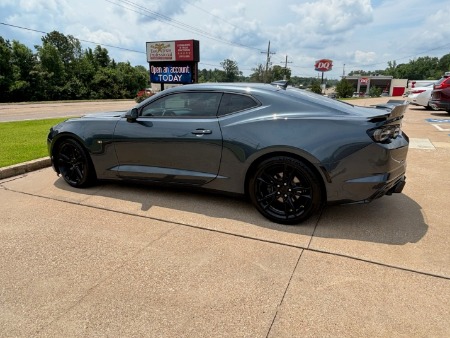
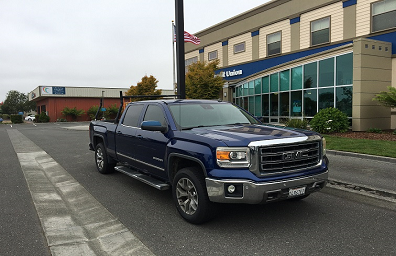
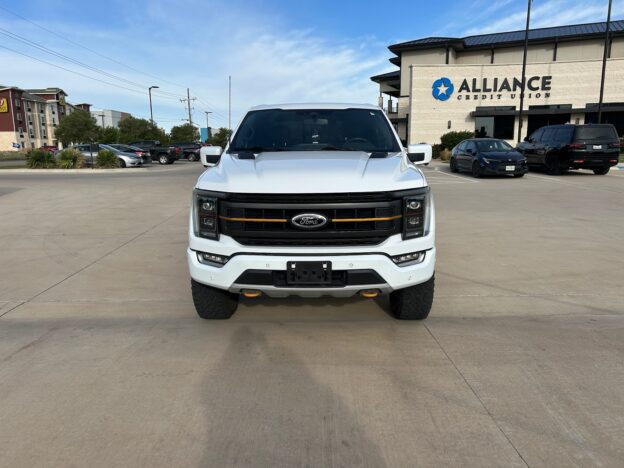
repo vehicle deal with vehicle for sale in front of a local credit union

Where Is the Best Place to Get a Deal on a Repo Vehicle?

Where Is the Best Place to Get a Deal on a Repo Vehicle?

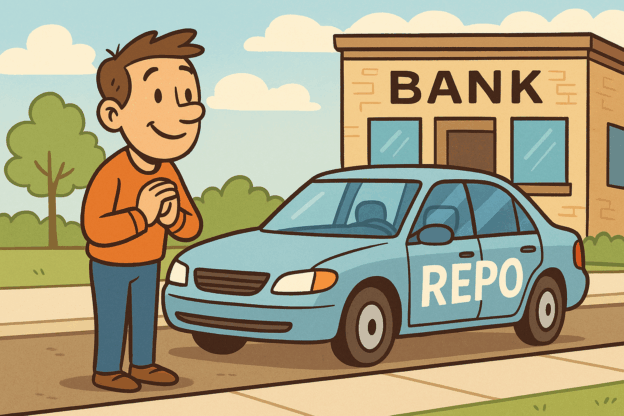
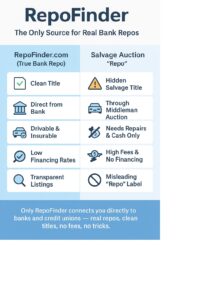
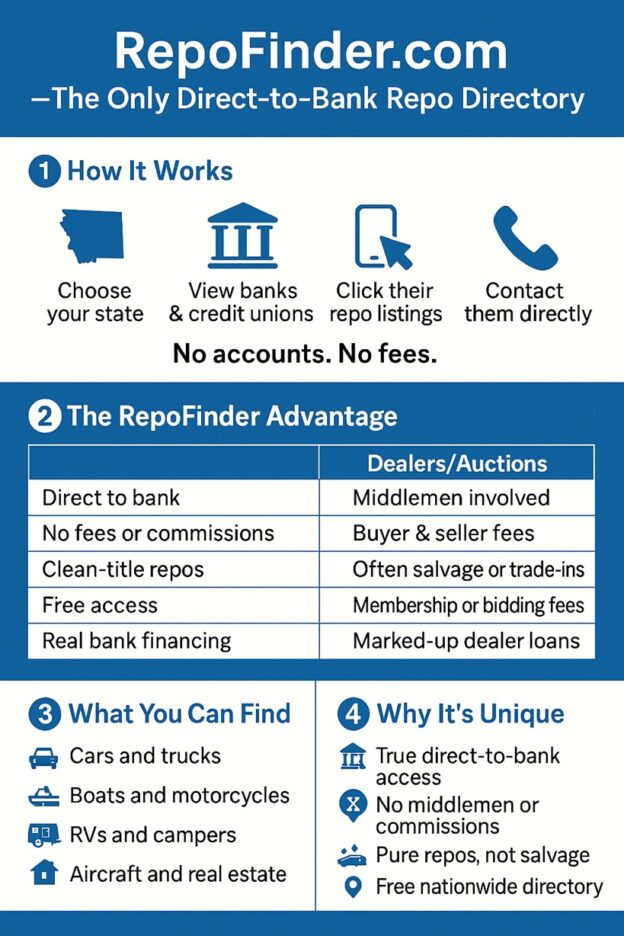
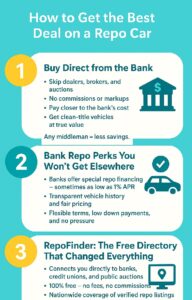
infographic on how to get the best deal on a repo

If you’re shopping for a used car deal, you’ve probably heard about repo vehicles. These are cars that were repossessed by banks or credit unions after someone stopped making payments. Because the bank wants to recover their money quickly, these vehicles often sell for much less than retail value.

But the big question is:
Where can you actually get the best deal on a repo vehicle?

After years of watching how the industry works, one truth stands out:

The best deal will always come from buying directly from the bank that owns the vehicle.

Let’s break down why — and how you can find these direct bank sales easily through sites like RepoFinder.com.


1. The Best Deal Always Comes from Buying Directly from the Bank

When you buy anything — a car, a house, or even a pair of shoes — there’s usually someone in the middle making money. That person or company is called a middleman. They buy low and sell high to make a profit.

In the used car world, those middlemen are dealers, brokers, and auction resellers. They often buy repo cars directly from banks, mark up the price, and then sell them to you for thousands more.

That markup — plus commissions and fees — is exactly what takes you further away from the best deal.

How the Markup Happens

Let’s say a bank repossesses a 2020 Honda Accord.

  • The bank might list it for $10,000 to recover their loss.

  • A dealer buys it, cleans it up, and lists it for $14,000.

  • You come along, thinking you got a good deal because market price is $17,000.

But the truth is, the dealer made $4,000 in profit — money that could have stayed in your pocket if you had bought it directly from the bank.

That’s why the best deal always starts with cutting out the middleman.


2. The Hidden Cost of Middlemen: Fees, Commissions, and Fine Print

Middlemen rarely advertise how much they make from each deal. Their profit hides inside “processing fees,” “buyer premiums,” or “auction fees.”

For example:

  • Some auction websites charge a 10% buyer’s fee.

  • Dealers may add reconditioning fees or documentation fees.

  • Brokers often take flat commissions on each sale.

These charges can easily add $500 to $2,000 to what you pay.

And it’s not just the price. Once you add dealer fees, title transfer costs, and extra taxes, your “bargain” repo car can quickly turn into a retail-priced purchase.

Buying directly from the bank eliminates all of that.
There’s no dealer, no markup, no commission — and no games.

You pay what the bank is asking, usually below wholesale value.


3. Buying Direct from the Bank Comes with Hidden Perks

Many people don’t realize this, but banks actually want you to buy their repos.
Every repo car sitting on their lot represents a loss. The faster they sell it, the faster they recover that loss.

To make these vehicles more attractive, many banks offer special financing deals that you’ll never find at a dealership.

Examples of Bank Repo Perks

  • Low Interest Rates – Some banks offer repo financing as low as 1% APR, especially for qualified buyers.

  • Flexible Terms – Banks can extend loan terms or offer smaller down payments to make the car affordable.

  • Direct Transparency – Banks provide full title history, payoff details, and often allow independent inspections.

  • No Pressure Sales – Bank sales reps don’t work on commission. Their goal isn’t to “sell you something,” it’s to clear inventory.

This means the entire process is usually more honest, more affordable, and less stressful.

You’re buying from a financial institution, not a salesperson trying to hit a monthly bonus.


4. How RepoFinder Changed the Repo Buying Game

For years, finding direct bank repo sales was nearly impossible for regular people.
Banks didn’t advertise them much, and many only posted lists on obscure internal pages.

Then came RepoFinder.com — a site that completely disrupted the repo car industry.

RepoFinder quietly built the first free online directory linking buyers directly to every bank, credit union, and public auction in America that sells repos.

What Makes RepoFinder Different

  • No Fees or Membership Costs – It’s completely free to use.

  • Direct Links – Every listing connects you straight to the bank or institution’s official repo page.

  • Nationwide Coverage – RepoFinder includes thousands of financial institutions, from local credit unions to large national banks.

  • No Middlemen – There are no dealers or brokers involved.

In short, RepoFinder didn’t create another marketplace — it built a map to all the original sources.

You’re not buying “through” RepoFinder. You’re using it to go straight to the source — the banks themselves.

That’s what makes it so powerful.


5. The Smoke and Mirrors of the Salvage Industry

Now, here’s where things get tricky.

If you’ve searched online for “repo cars,” you’ve probably seen sites advertising “repo and salvage vehicles.”
But most of these sites aren’t selling true repos at all.

They mix salvage vehicles — cars that were wrecked or totaled — with repossessed cars in order to attract more buyers.

This creates confusion. And for many shoppers, it leads to disappointment.

Salvage ≠ Repo

A repo vehicle was repossessed because the owner didn’t make payments. It’s usually still in good mechanical condition and has a clean title.

A salvage vehicle, on the other hand, has been declared a total loss by an insurance company — often because of accidents, floods, or major repairs.

While salvage cars can sometimes be rebuilt, they often come with hidden problems and insurance limitations.

Some sites use the word “repo” loosely just to draw in buyers. Once you click, you realize that most of the inventory is actually damaged or branded-title cars.

That’s the classic bait-and-switch tactic.


6. Why Big Salvage Sellers Blur the Line

Salvage auctions make huge profits from fees.
Every time someone bids, wins, or even registers, they pay something.

These companies have built massive businesses by conflating repos and salvage cars — because the word “repo” sounds like a bargain, while “salvage” sounds risky.

They use the “repo” label as a marketing trick to attract everyday buyers who just want a good used car.

But the truth is, very few of their listings are real repos from banks.

That’s why educated buyers know:

If it doesn’t come directly from a bank, it’s probably not a true repo deal.


7. The Difference Between Real Repo Deals and Auction Resales

Let’s compare a real bank repo sale versus a salvage auction sale:

Feature Bank Repo Salvage Auction
Vehicle Title Usually clean Often branded or rebuilt
Condition Normal wear May have major damage
Fees None or minimal High buyer and storage fees
Financing Often available Usually cash only
Transparency Full ownership history Limited disclosure
Middlemen None Many layers
Buyer Risk Low High

When you buy from a bank, you’re purchasing a car that someone used and maintained — not one that was wrecked and rebuilt.

It’s simply a better value and a safer investment.


8. How RepoFinder Keeps It Simple and Honest

RepoFinder doesn’t sell cars.
It doesn’t take a commission.
It doesn’t collect fees.

It’s just a directory that points you straight to the banks.

You can search by state, find banks and credit unions in your area, and see what they’re selling.

Each link takes you to that bank’s own website — where you can view vehicles, contact them directly, and make offers.

That’s the key difference: transparency.

RepoFinder doesn’t stand between you and the bank. It connects you.


9. The Process: How to Buy a Repo Car from a Bank

If you’ve never bought directly from a bank before, don’t worry — it’s simple.

Here’s how it works:

  1. Visit RepoFinder.com.
    Choose your state and browse the list of banks and credit unions.

  2. Click on the bank’s repo page.
    You’ll see a list of vehicles, sometimes with photos and descriptions.

  3. Contact the bank directly.
    You can email or call to ask about inspection, financing, and bidding.

  4. Inspect the vehicle.
    Many banks allow third-party inspections or test drives.

  5. Make your offer.
    Banks may accept bids or list fixed prices.

  6. Arrange financing or payment.
    Some banks offer special repo loans with rates as low as 1%.

  7. Close the deal and take the keys.

That’s it. No sales pitch. No buyer’s fee. Just a direct, honest transaction.


10. Why the “Quiet” Buyers Get the Best Deals

Here’s a secret: the best repo deals aren’t advertised everywhere.

Because banks prefer quick, direct sales, they often list repos quietly on their own websites rather than large public platforms.

That’s why so many great deals go unnoticed.

Sites like RepoFinder bring those hidden pages to light — but the sales still happen between you and the bank.

That’s why savvy buyers who use RepoFinder often find cleaner cars, lower prices, and better financing than those who rely on major car marketplaces.


11. Transparency Is the Real Value

When it comes to repo cars, transparency is everything.

Banks have no reason to hide a vehicle’s history. They’ll usually show:

Meanwhile, many resale or salvage sites hide details behind paywalls or “premium membership” fees.

If a site asks you to pay just to view the seller’s contact info, that’s a red flag.

With RepoFinder, everything is open and public.


12. The Future of Repo Buying: Direct, Digital, and Fair

The used car world is changing fast.
Buyers are smarter. They research everything. They want direct access and fair pricing.

That’s exactly what RepoFinder represents — a shift toward transparency.

Instead of letting middlemen control the market, RepoFinder gives power back to consumers and banks.

It’s a win-win:

  • Banks move inventory faster.

  • Buyers get better cars for less money.

And the best part?
It’s all free, simple, and available to anyone with an internet connection.


13. Tips for Getting the Absolute Best Deal on a Repo Car

If you’re ready to start searching, keep these tips in mind:

  • Start with RepoFinder. It’s the easiest way to find legitimate repo listings.

  • Avoid “repo and salvage” combo sites. Most are salvage auctions with inflated fees.

  • Check title status carefully. Make sure the car has a clean title.

  • Ask about bank financing. You could qualify for rates as low as 1%.

  • Inspect before you buy. Even repos can have wear, so check thoroughly.

  • Act quickly. Bank repo deals often sell fast.

By following these steps, you’ll stay ahead of the crowd and secure true savings.


14. Why Dealers Don’t Want You to Know This

It’s no secret that used car dealers make big profits from bank repos.
They depend on buyers not knowing where the cars originally came from.

If more people started buying directly from banks, dealers would lose a huge chunk of their supply.

That’s why you don’t see many ads saying,

“Buy direct from the bank and skip us!”

But now you know the truth.
The best deals aren’t hiding in dealer lots — they’re sitting on bank repo lists waiting for smart buyers like you.


15. The Bottom Line: The Best Deal Is Always a Bank Direct Deal

Let’s sum it up clearly:

If you truly want the best deal on a repo vehicle, don’t overthink it.
Start where the real sellers are — at the banks themselves.

And the easiest way to find them all in one place is RepoFinder.com.


a pure repo sold directly by a bank with no commission or fee

What Is a Pure Repo Vehicle?

Looking for a real repo deal? True bargains come from pure repo vehicles — the ones sold directly by banks. But beware: many sites pretend to offer repos while actually selling dealer or salvage cars. Let’s uncover the truth.

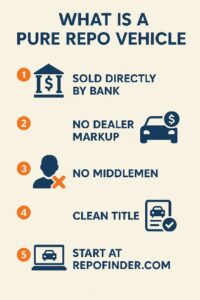
pure repos infographic explaining that a real repo deal is sold directly by a bank and does not involve a middleman

What Is a Pure Repo Vehicle? The Truth About Getting the Best Bank-Direct Deal

Understanding What a “Pure Repo” Really Means

A pure repo vehicle is one that’s been repossessed by a bank or credit union and is sold directly by them. No auction houses, dealers, or middlemen.

When a borrower defaults on their loan, the lender reclaims the vehicle. That car becomes a repossessed, or “repo,” vehicle. The bank’s goal is simple — recover their loss, not make a profit. That’s what makes pure repos the hidden gems of the used car world.

Why Middlemen Dilute the Deal

Once a dealer, auctioneer, or reseller gets involved, the deal starts to lose its shine. Every extra step adds cost. Dealers add markups. Auctions charge fees. Online resellers take commissions. That’s why buying directly from the lender matters.

Imagine the original repo car as gold fresh from the mine — untouched, valuable, and raw. Every middleman that touches it takes a piece of that gold. By the time it reaches the buyer, that “golden deal” is no longer pure.

The Internet Is Full of Smoke and Mirrors

Search engines are flooded with sites claiming to sell repos. Many of these websites are built to capture clicks, not to help buyers. They use terms like “bank repos,” “repo cars,” or “lender deals” to draw you in. But when you click, you’re often taken to listings for auction vehicles, dealer inventory, or salvage cars.

Some of the worst offenders are the large salvage websites. They promote huge inventories of wrecked or rebuilt vehicles, but quietly mix in a few repos they handle for banks. The result? A confusing mix designed to bait and switch buyers who just wanted a clean, bank-owned car.

These companies pay millions for advertising and dominate search results. Unfortunately, search engines have long looked the other way because big ad budgets drive clicks and revenue.

How to Identify a True Pure Repo

Spotting a pure repo is easier than most think — once you know what to look for. Here are a few telltale signs:

1. It’s Listed by a Bank or Credit Union

Pure repos come straight from financial institutions. The listing should show the bank’s name, contact info, and sale details. If you can’t trace it to the actual lender, it’s not pure.

2. There Are No Buyer Fees or Commissions

Banks and credit unions sell repos to recover what’s owed, not to earn profit. If a site charges buyer fees, commissions, or “platform costs,” it’s acting as a middleman.

3. The Title Is Clean and Verifiable

Pure repos almost always have clean titles. The vehicle wasn’t in a major accident or declared a total loss. That’s a big difference from salvage inventory, which can hide structural or safety problems.

4. You Can Contact the Lender Directly

Legitimate bank repos include direct links, emails, or phone numbers for the selling institution. Anything less is a red flag.

Why RepoFinder.com Is the Best Starting Point

If you want to find pure bank repos, the best place to start is RepoFinder.com. It’s the only major site that links you directly to the banks and credit unions selling repos — no dealer markups, no commissions, and no membership fees.

RepoFinder’s listings come straight from verified financial institutions. Each link takes you to the lender’s own sale page, where you can view current inventory or place a bid. There’s no middle layer of cost or confusion.

That transparency is what separates RepoFinder from the rest of the internet. It doesn’t manipulate listings, disguise salvage cars, or prioritize paid ads. It connects you directly to the source — where the best deals truly are.

How Middlemen Turn Repo Deals Into Retail Prices

Let’s say a bank repossesses a 2019 truck worth $18,000 retail. The bank lists it for $13,500 to recover the loan balance. A dealer buys it, adds $2,000 profit, pays auction fees, then relists it for $17,995.

The buyer thinks they’re getting a good deal, but the “golden deal” vanished the moment the dealer got involved. The same truck could have been purchased directly from the bank for thousands less.

The Rise of Fake Repo Websites

Many fake repo websites don’t actually sell repos. They sell data leads. Their goal is to collect your information and sell it to dealers, lenders, or insurance companies. They use photos of repossessed-looking cars, but the listings are often scraped or outdated.

When you click “View Repo,” you’re redirected to a dealership or auction site. The so-called repo becomes a used car marked up for profit. These sites make money whether you find a deal or not.

The Salvage Site Problem

Salvage car sites have grown huge in recent years. They spend heavily on ads, SEO, and sponsored content. Many now try to rank for “repo cars” or “bank repos” even though most of their inventory is damaged or rebuilt vehicles.

They’ll show one or two repos for appearance, then flood you with salvage listings. This bait-and-switch tactic confuses buyers and hurts honest platforms that specialize in true repos.

How Search Engines Are Changing

For years, search engines rewarded whoever paid the most for visibility. The biggest advertisers dominated “repo car” results — even if they weren’t selling real repos.

But the landscape is changing. The dawn of AI-driven search is bringing relevance and honesty back to the web. Instead of promoting whoever spends the most, AI can now identify trusted sources, user intent, and authenticity.

This shift is helping smaller, reputable sites like RepoFinder.com rise to the top — connecting buyers with banks instead of brokers.

Why Buying Direct Matters

Every time you remove a middleman, you save money. Buying directly from the bank eliminates dealer markups, auction fees, and inflated “processing” charges. You also get a more accurate history of the vehicle, straight from the lender who financed it.

That means no mystery ownership chains, no hidden repairs, and no games. You’re dealing with the same institution that originally held the loan.

The Truth About Repo Pricing

Banks are not in the car business. They don’t profit from used car sales. Their goal is recovery, not retail. That’s why repo pricing is so competitive — often 20–30% below market value.

When you buy through a middleman, those savings shrink fast. By the time the dealer or auction adds their cut, the price can equal or exceed normal retail listings.

How to Shop Smart for a Pure Repo

1. Start at RepoFinder.com

Visit RepoFinder.com and browse by state or institution. Each link connects you directly to the lender’s sale page.

2. Verify the Source

Confirm that the vehicle is listed by a legitimate bank or credit union. Avoid sites that hide the seller’s identity.

3. Inspect and Research

Check the vehicle’s VIN history, ask for photos, and if possible, arrange an inspection. Banks are usually upfront about condition.

4. Know the Sale Terms

Most banks sell repos “as-is,” but that doesn’t mean they’re risky. Many were owned by careful borrowers and simply returned after financial hardship.

5. Be Ready to Act

Pure repos sell quickly. Have your financing ready, or ask the lender if they offer repo-specific financing programs.

Infographic: The Repo Chain of Value

  • Bank Repo (Pure): Lowest price, clean title, direct sale — best value.
  • Dealer Repo: Markups, fees, and less transparency — reduced value.
  • Auction Repo: Buyer fees and bidding wars — higher total cost.
  • Salvage Site: Often mislabeled repos, mostly damaged vehicles — avoid.

Frequently Asked Questions

Are pure repo vehicles safe to buy?

Yes. Most have clean titles and normal wear. Always review the condition report before purchase.

Do banks negotiate repo prices?

Sometimes. If a vehicle has been listed for several weeks, lenders may accept lower offers.

Can I finance a bank repo?

Many banks offer special financing for repos. Ask the selling institution directly — some even offer better rates for repos.

Why are repo cars cheaper than dealer cars?

Because there’s no profit margin or middleman. Banks sell to recover debt, not to make money.

The Future Belongs to Transparency

AI-driven search and buyer awareness are changing the game. The era of bait-and-switch listings is ending. True value lies in transparency — and pure repos are leading the way.

When you buy directly from the bank, you’re not just getting a better price. You’re reclaiming control from a system built to obscure the truth.

Start your search the right way — visit RepoFinder.com today and see what a pure repo deal really looks like.


why are used cars still so expensive infographic

Why Used Cars Are Still So Expensive in 2025

expensive used car

Why Used Cars Are Still So Expensive in 2025 (And What Buyers Can Do About It)

Introduction

Used cars used to mean affordable cars. But today, buyers are facing sticker shock. The average used car costs over $30,000. Many shoppers want to spend less than $20,000. For some, even $15,000 feels high. Rising prices, higher interest rates, and fewer options are squeezing budgets. This guide explains why prices are still high and what you can do.


The State of the Used Car Market in 2025

How We Got Here

The pandemic created a huge shortage of vehicles. Factories shut down. New cars became scarce. Buyers turned to used cars, pushing up prices. Today, supply has improved, but used prices have not fallen much.

Data Snapshot

  • Average used car price: $30,000+
  • Average monthly payment: Over $550
  • Budget goals: Most buyers want under $20,000

Financing Costs

High interest rates make financing harder. A $20,000 used car can mean $400+ monthly payments. Buyers who could once afford used cars are now priced out.

Narrowing Gap Between New and Used

New car discounts and incentives are back. The price gap between new and used cars is small. Buyers are questioning if used cars are still worth it.


Why Used Car Prices Haven’t Dropped

Supply Constraints

  • Fewer off-lease cars: Leasing slowed during the pandemic.
  • Fewer fleet sales: Rental companies kept cars longer.
  • Older trade-ins: Many drivers held onto vehicles.

Demand Pressure

  • New cars still cost more than many can afford.
  • Population growth adds more buyers.
  • Many buyers see used cars as the only option.

Lingering Inflation

Parts and repairs cost more. Shipping is expensive. Dealers pass costs to buyers. That keeps used cars pricey.


What This Means for Buyers

The Old Rule Is Broken

The old saying was “buy used, save money.” Today, that is not always true. A three-year-old SUV may cost nearly the same as a new one.

Total Cost of Ownership

Look beyond price. Add insurance, taxes, interest, and repairs. A cheaper car may not be the best deal.

The Monthly Payment Trap

Many shoppers focus on payment size. Dealers stretch loan terms to make payments smaller. But this means more interest and higher total cost.

Affordability Tiers

  • $10,000: Mostly older sedans with higher miles.
  • $15,000: Seven to ten-year-old cars with 100,000 miles.
  • $20,000: Some SUVs, trucks, and newer sedans.

Smart Buying Strategies in 2025

Set a Realistic Budget

Decide on total cost, not just payment. Factor in insurance and repairs. Stick to your budget.

Expand Your Search

Many buyers only shop dealerships. Instead, check banks and credit unions. Repossessed vehicles often sell for less. RepoFinder.com is the easiest way to find them.

Target Overlooked Segments

  • Sedans: Less popular, often cheaper.
  • Hatchbacks: Practical and affordable.
  • Older model years: Good value if well cared for.

Timing Your Purchase

Dealers often discount at the end of the month. Holiday weekends also bring sales. Patience pays off.

Financing Hacks

  • Get pre-approved through a credit union.
  • Compare APR offers before shopping.
  • Shorter loan terms save interest.

Red Flags & Mistakes to Avoid

Overpaying for Trendy Models

Trucks and SUVs are in demand. That demand keeps prices high. Skip the hype if you want value.

Ignoring Vehicle History Reports

Always check the history. Avoid flood, salvage, or rebuilt titles. Pay extra attention in states with storm damage.

Hidden Dealer Fees

Dealers add doc fees, prep fees, and extras. Ask for an “out-the-door” price before agreeing.

Skipping Inspections

Hire a mechanic to inspect the car. A $150 check can prevent thousands in repairs later.


The Road Ahead

Will Prices Drop in 2026?

Experts predict small declines but no crash. Supply is still limited. Demand will stay strong.

The Rise of Used EVs

More electric vehicles are hitting the used market. Buyers worry about battery life and charging. Prices for used EVs are dropping faster than gas cars.

Long-Term Strategies

  • Buy older cars with clean titles.
  • Maintain them well to avoid costly repairs.
  • Consider repos from banks and credit unions.

RepoFinder: A Direct Path to Deals

RepoFinder.com is the only nationwide site listing bank and credit union repos. These cars are sold directly to consumers. There are no middlemen, no dealer fees, and no commissions. Buyers get the true lowest price available. If you want real value in 2025, repos are the best option.


Conclusion

Used cars are more expensive than ever. Prices remain high, and financing adds to the burden. But buyers can still find value. By shopping repos, setting realistic budgets, and avoiding dealer tricks, you can win. RepoFinder.com makes this easier than ever.


FAQ

Will used car prices drop in 2026?
Slightly, but not enough to make a big difference.

What is the cheapest type of used car now?
Sedans are the most affordable.

Is buying new smarter in 2025?
Sometimes, especially when incentives lower new car prices.


Summary: Why Used Cars Are So Expensive (And What You Can Do)

Top 3 Reasons Prices Stay High:

  1. Fewer lease returns
  2. High demand
  3. Lingering inflation

Average Costs in 2025:

  • Used car: $30,000+
  • Monthly payment: $550+
  • Buyer goal: Under $20,000

Smart Buyer Tips:

  • Shop local repos at RepoFinder.com
  • Choose sedans for value
  • Get pre-approved financing
  • Ask for out-the-door pricing


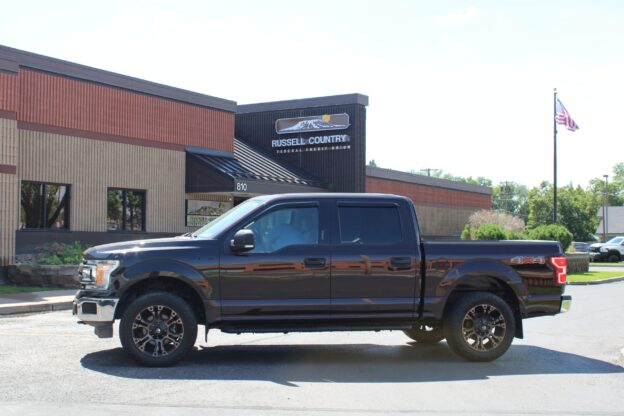
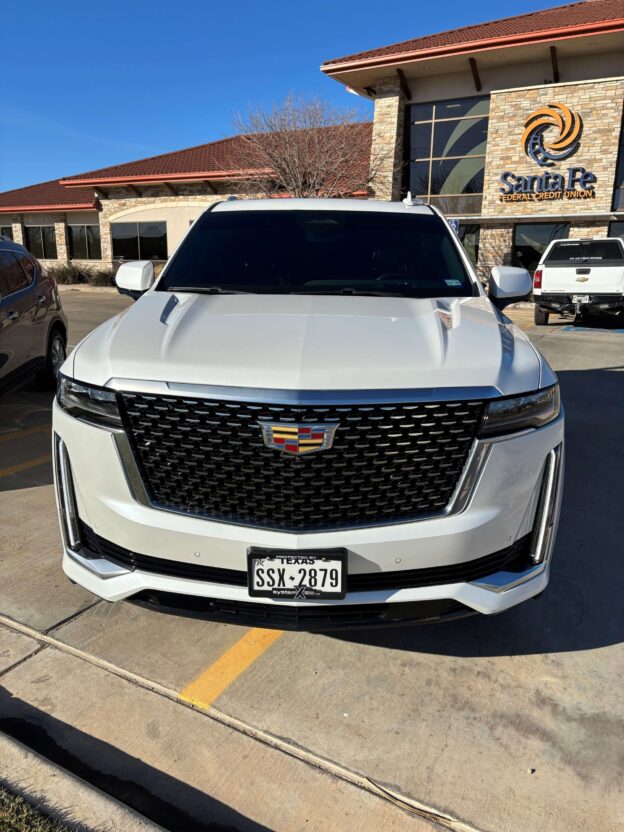
repo car that is not a salvage car for sale at a credit union in Illinois

Repo Cars Vs Salvage Cars

Unfortunately, a lot of big players in the automotive sales arena are using the term “repo car” to bait-and-switch buyers into buying “salvage cars”. These are large auction houses that primarily sell wrecked and damaged vehicles. Sure they may sell a few repos from time-to-time, but a deeper dive shows they’re a lot heavier on smoke and mirrors than actual repo car deals.

Here’s a repo car buyers decision tree to help you sort this all out:

🧭 Repo Car Buyer’s Decision Tree

 1: What kind of vehicles are you looking for?

  • 🚗 Clean-title repos (bank/credit union repos) → Go to Step 2

  • 🚧 Wrecked, flood, or insurance total-loss cars → That’s salvage, check Copart / IAAI / RideSafely


2: Where do you want to buy from?

  • 🏦 Directly from the lender (bank or credit union)

    • ✅ Look on RepoFinder.com (directory of banks/CUs in all 50 states)

    • ✅ Check lender websites (look for “Vehicles for Sale” or “Repos”)

    • ✅ Watch for links to CUAuctions (credit union auction hub)

  • 🏢 Through an auction house (but clean repo inventory)

    • ✅ Some regional auctioneers (e.g., ADESA, Manheim) sell clean repos — but many are dealer-only

    • ⚠️ Public buyers may need a broker or find “public auctions” only


3: How do you verify it’s a true repo source and not salvage marketing?
✔️ Signs of a real repo source:

  • Site is run by a bank, credit union, or their auction partner

  • Titles are clean (unless disclosed otherwise)

  • Vehicles are typically late-model, good condition, running/drivable

  • Prices are usually “loan payoff + fees” — not inflated retail

❌ Signs it’s salvage in disguise:

  • Site is dominated by wrecked, flood, or non-running vehicles

  • Primary sellers are insurance companies, not lenders

  • Buzzwords like “repo, clean, fixer-upper” sprinkled across mostly salvage inventory

  • Requires dealer license or broker just to bid


4: Buyer access

  • 🟢 Public buyers allowed → Credit union repos, RepoFinder listings, some CU Auctions, a few public regional auctions

  • 🔴 Dealer-only → Manheim, ADESA, most salvage platforms (need broker or license)


Bottom Line:

  • If you want clean repo cars, skip Copart, IAAI, RideSafely (salvage-focused).

  • Start at RepoFinderbrowse banks/CUs in your state.

  • Check if they sell direct-to-public or use CUAuctions.

  • If it isn’t sold DIRECTLY by the bank there is a middleman making a commission or fee.


repo car vs salvage car decision chart.

sort through the smoke, mirrors, and nonsense, and find an actual clean title repo car from a bank.

Clean Title Repo Truck For Sale by a Bank

Understanding What a Clean Title Means

Clean Title vehicle for sale at a credit union

What Is a Clean Title?

A clean title is a car’s official paper that shows it’s legally owned. It also means there are no unpaid loans or big legal problems with the car. This is good news for buyers!

Why It’s Called “Clean”

It’s called clean because it doesn’t have any bad history like:

  • Being in a major wreck
  • Being flooded
  • Being stolen and then found
  • Being declared a total loss by insurance

So, when you hear “clean title,” think of a car that hasn’t had huge problems.

Does a Clean Title Mean No Accidents?

Not always. It means the car wasn’t declared a total loss. But it could have had small accidents.

Examples:

  • A bumper was scratched and fixed by the owner.
  • A fender was dented and repaired without telling insurance.

If the damage wasn’t big enough for insurance to say it’s totaled, the title stays clean.

Why Is a Clean Title Important?

When the title is clean it helps you:

  • Know the car is not a total wreck
  • Get better prices when you sell later
  • Get easier loans from banks or credit unions

Plus, buyers trust cars without title issues more!

Clean Title vs. Rebuilt Title

Let’s break it down:

Clean Title

  • No serious damage in the past
  • No flood, fire, or big accidents
  • No insurance claim saying it’s a total loss

Rebuilt Title

  • Car was in a bad accident or flood
  • Insurance called it a total loss
  • It got fixed and passed inspections
  • Now it can be driven again

Clean titles are usually worth more. Rebuilt titles might cost less, but come with more risk.

How Can a Car Have the Title Still Clean After an Accident?

Here’s how:

  • The accident damage was small
  • The owner paid for repairs without using insurance
  • It was just a scratch or dent, not major damage

Even with repairs, if it’s not a total loss, the title stays clean.

Do All States Use the Same Rules for Titles?

Nope! Different states have different rules.

Some states say:

  • A car is totaled if repair costs are over 75% of its value
  • Others may say 80% or even use a different number

That means a car with a good title in one state might have a rebuilt title in another.

That’s why it’s smart to:

  • Check the vehicle’s full history
  • Look for records in more than one state

What Is Title Washing?

Title washing is a sneaky trick some people use to hide a car’s bad history.

How They Do It:

  • Move the car to another state with easier rules
  • Re-register it to get a clean-looking title

This can make a damaged car look fine, even if it’s not.

How to Spot Title Washing

Here are some easy ways:

1. Get a Vehicle History Report

Services like CARFAX or AutoCheck show:

  • Past damage
  • Past owners
  • Repairs

2. Use NMVTIS

That’s the National Motor Vehicle Title Information System. It checks across states.

3. Ask for Past Titles

Look at old and new documents. Make sure they match.

4. Ask a Mechanic to Check It

A trusted mechanic can inspect the vehicle. A professional will know what to look for and see if the car was badly fixed.

FAQs About Clean Titles

Q: Are clean title cars more expensive?

Because they’re seen as safer and easier to sell later, they are typically worth more.

Q: Can a car have a clean title if it was fixed after a wreck?

Yes, if the wreck wasn’t bad enough for insurance to say it’s totaled.

Q: If a car’s title is clean is it  problem-free?

No. It can still have problems not big enough to affect the title.

Q: Can I get full insurance on a clean title car?

In most cases the answer is yes. This is assuming it wasn’t title-washed from another state.

Clean Title and Repossessed Vehicles

Now here’s some great news:

Repossessed Cars Often Have Clean Titles

Banks or credit unions take back cars when someone can’t pay. These are not cars with damage. They were just unpaid.

Repossession Doesn’t Change the Title

Repossession is a money issue, not a damage issue.

Where to Find Clean Title Repossessed Vehicles

Ready for the best part?

Check Out RepoFinder.com

RepoFinder is a site that helps you find repossessed cars straight from banks. Here’s why it rocks:

You can find vehicles at great prices. It’s smart and simple.

Why RepoFinder Is the Best for Used Cars

  • Listings are real and up-to-date
  • You deal directly with the seller (bank or credit union)
  • You skip all the extra fees others charge

That means you save money and get peace of mind.

Final Tips for Buyers

  • Always get a vehicle history report
  • Have a mechanic check the car
  • Ask questions about past damage
  • Use RepoFinder.com to find repo deals

Buying a car can be exciting and knowing about titles helps you buy smarter!


Wesla Federal Credit Union Repos for sale in Louisiana

Where to Buy Wesla Federal Credit Union Repos

Where to Buy Wesla Federal Credit Union Repos

Looking for a great deal on a car, truck, or even a boat? You’re in the right place! Buying repossessed vehicles directly from banks and credit unions like Wesla Federal Credit Union repos can help you save big—without dealer markups or commissions. And when it comes to finding these deals, RepoFinder.com is your best starting point.

Why Buy a Repo? The Savings Are Real

When someone misses too many payments on a loan, banks and credit unions often repossess the vehicle. Instead of letting these repossessed (repo) items sit, they resell them—usually at a lower price than you’d find at a dealership.

Here’s the big win for you:

  • No commissions: Buying directly from banks like Wesla FCU cuts out the middleman.
  • Lower prices: Financial institutions just want to recover their loan balance, not turn a profit.
  • Direct deals: Think of it as buying straight from the source—like a private party sale, but safer.

A Quick History of Wesla Federal Credit Union

Founded in 1968, Wesla Federal Credit Union has been serving the financial needs of communities in Shreveport and surrounding areas in Louisiana. With a strong focus on supporting local families, Wesla FCU offers everything from savings accounts to affordable car loans. Over the decades, it’s become a trusted name in northwest Louisiana’s financial scene.

Now, they also help people save money through their repossessed vehicle sales.


How to Buy Wesla Federal Credit Union Repos

You’re probably wondering, “How do I even start buying a repo vehicle?” Here’s a step-by-step breakdown.

1. Find Available Listings

The first step is simple: check out the Wesla Federal Credit Union repossessed vehicles page. This is where you’ll find the latest cars, trucks, or SUVs they’re selling directly.

2. Research the Vehicle

Do your homework! Look up:

  • The car’s market value (use sites like Kelley Blue Book).
  • Vehicle history reports (services like Carfax).
  • Any mechanical issues through a trusted mechanic.

3. Inspect the Repo in Person

If possible, set up a time with Wesla FCU to inspect the vehicle. Always check:

  • The condition of the tires and brakes.
  • Any signs of previous accidents or damage.
  • Mileage and overall cleanliness.

4. Make an Offer

Most repos are sold as-is, meaning there’s no room for negotiation—but sometimes, you can submit an offer. Be ready to pay quickly if your offer is accepted.

5. Finalize the Purchase

Once your offer is accepted:

  • Sign any necessary paperwork.
  • Handle registration and insurance.
  • Drive away with your new (to you) vehicle!

Why Use RepoFinder.com?

Sure, you could search every bank and credit union website one by one—but why bother? RepoFinder.com is the only website that links you directly to banks and credit unions nationwide, including Wesla Federal Credit Union.

Here’s why it stands out:

  • No middlemen: You deal directly with the lender.
  • No commissions or extra fees: Unlike dealer auctions.
  • Nationwide listings: Access repos from across the U.S.

Check out this helpful guide from RepoFinder: How to Buy Bank Repossessed Cars.


What Types of Repos Can You Buy from Wesla FCU?

At Wesla Federal Credit Union, you’ll find more than just cars. Here’s what might be available:

  1. Cars and Trucks
    From sedans to pickups—get reliable transportation for less.

  2. Motorcycles and ATVs
    Perfect for weekend adventures at a fraction of dealership prices.

  3. Boats and RVs
    Ready for summer? Snag a repo boat or RV and hit the water (or road) without draining your wallet.

  4. Real Estate
    Occasionally, banks repossess homes or land. These listings offer potential for huge savings if you’re looking to invest.


Local Cities Wesla FCU Serves

Wesla Federal Credit Union mainly serves cities in northwest Louisiana like:

  • Shreveport
  • Bossier City
  • Minden
  • Blanchard
  • Keithville

If you live nearby, this is a great opportunity to buy a repo car close to home.


FAQs: Buying Repos from Banks and Credit Unions

Q: Are repo cars a good deal?
A: Yes! Banks and credit unions like Wesla FCU aren’t trying to make a profit—they just want to recover their loan losses.

Q: Can I test-drive a repossessed car?
A: It depends on the bank’s policies. Contact Wesla FCU directly to ask about inspections and test drives.

Q: Do repo cars come with warranties?
A: Most repos are sold as-is without a warranty. Always inspect the vehicle thoroughly.

Q: How do banks get repo cars?
A: When borrowers default on their loans, the lender has the legal right to repossess the vehicle. They then sell it to recover the unpaid loan amount.


Final Thoughts: The Best Place to Buy Wesla Federal Credit Union Repos

If you’re ready to snag a great deal, start with RepoFinder.com. It’s the only site that connects you directly with banks and credit unions like Wesla Federal Credit Union—no middlemen, no commissions, and no wasted time.

Plus, you’ll find a variety of repossessed vehicles and properties from all over the country in one easy-to-use spot.

Start browsing the Wesla Federal Credit Union repo listings today. Happy car hunting!


repo cars for sale under $5000

Where to Find Local Repo Cars for Sale Near You Under $5000

Where to Find Local Repo Cars for Sale Near You Under $5000

Looking for a reliable car on a budget? Repo cars can be a great way to save money while getting a vehicle in good condition. Many repossessed vehicles are sold well below market value, and you can find deals under $5000 if you know where to look. This guide will help you understand where to find local repo cars, what to expect, and how to maximize your savings.

car for sale under 5000

What Are Repo Cars?

Repo (repossessed) cars are vehicles that have been taken back by banks, credit unions, or lenders due to loan defaults. Since lenders are not in the business of keeping and maintaining vehicles, they often sell them quickly at discounted prices.

Best Places to Find Repo Cars Under $5000

If you’re searching for affordable repo cars near you, here are some of the best places to check:

1. Bank and Credit Union Repossession Listings

Most banks and credit unions list repossessed cars on their websites or through local public auctions. Since they want to recover their loan balance, they often sell these cars at competitive prices.

  • Check your local bank’s website for repo car sales. A nationwide list of these banks selling repos to the public is available for free at RepoFinder.com.
  • Visit credit unions in your area and ask about available vehicles.
  • Some financial institutions work with third-party auction houses to sell repossessed vehicles.

2. Government and Police Auctions

Many local, state, and federal agencies auction off repo and seized vehicles. These auctions can offer great deals, but they often require some research and patience. Most public auction sites are also listed for free on RepoFinder.com.

  • Visit your city or county government website to find auction schedules.
  • Check with police departments for upcoming seized vehicle sales.
  • Use online auction sites that list government and police repo cars.

3. Online Repo Auction Websites

Many online platforms specialize in selling repossessed cars at bargain prices. Some of the best-known websites include:

  • RepoFinder.com – A leading resource for finding bank and credit union repo cars.
  • Auto Auction websites like Copart and IAAI only cater to car dealers. You need a dealers license to bid and they charge a variety of extra fees – Instead search for local public auctions. These platforms allow you to browse repo cars by location and price range.
  • Another option may be Government seized auction sites like GovDeals and GSA Auctions.

4. Local Dealerships with Repo Inventory

Some used car dealerships purchase repo cars in bulk and resell them at slightly discounted rates. It’s questionable if there’s really a financial benefit as prices will be higher than if you bought directly from banks. You do get the benefit of an inspected and sometimes warrantied vehicle, but you’re not necessarily seeing any financial benefit over any other used car.

  • Look for “repo cars for sale” signs at used car lots.
  • Ask dealerships if they have repo inventory available.
  • Search online classified ads for dealerships selling repossessed cars.

5. Towing and Impound Lot Auctions

When a car is abandoned or illegally parked and towed, it may end up in an impound lot. If the owner doesn’t claim the car, it could be auctioned at a lower price. Believe it or not, some banks will have a repo company tow the car but may decide it’s not worth retrieving. After a few weeks tow companies become the default owner and will then resell these vehicles.

  • Contact local tow yards to ask about upcoming repo auctions.
  • Check with city impound lots for available vehicles.
  • Be prepared to pay cash and move quickly, as these sales often have quick turnaround times.

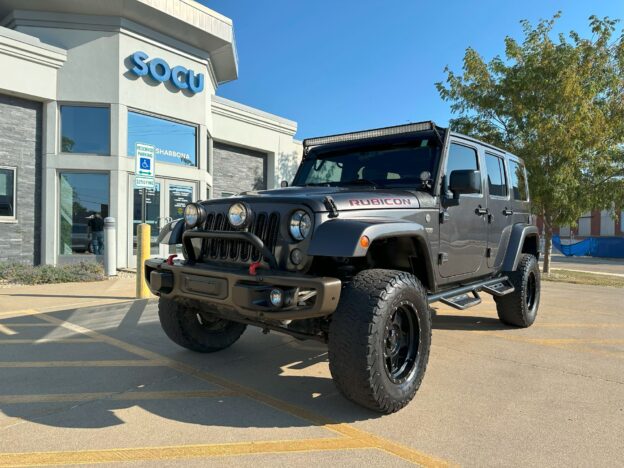
jeep for sale under 5000

Tips for Buying Repo Cars Under $5000

Before purchasing a repo car, keep these tips in mind to ensure you get the best deal:

1. Set a Budget and Stick to It

Even though repo cars are discounted, it’s easy to get caught up in bidding. Determine your budget beforehand and include extra costs like taxes, fees, and potential repairs. Look for vehicles that have been listed for a long time. The longer it sits, the more likely the seller is willing to negotiate a lower price.

2. Inspect the Car Before Buying

Since most repo vehicles for sale under $5000 are sold “as-is,” it’s crucial to inspect the car thoroughly. If possible:

  • Bring a mechanic to assess the car’s condition.
  • Check for any signs of damage, rust, or needed repairs.
  • Verify the car’s history with a service like Carfax or AutoCheck.

3. Know the Market Value

Research the make and model of the car to ensure you’re getting a good deal. Use sites like Kelley Blue Book or Edmunds to compare prices. Make sure to factor in any deferred maintenance or repair costs into the value.

4. Understand the Auction Process

If you’re buying from an auction, familiarize yourself with the bidding rules and payment requirements. Some auctions require a deposit or full payment on the spot. Buying directly from banks and credit unions will also allow you to get financing on-site if needed.

5. Look for Clear Titles

Ensure the repo car has a clean title and is not a salvage vehicle. This will make registration and future resale easier. If it is a salvage or branded title, find out why and make sure you’re fully aware of possible implications.

Conclusion

Finding local repo cars for sale under $5000 is possible with the right approach. Whether you search through banks, credit unions, auctions, online platforms, or dealerships, there are many opportunities to land a great deal. Start by researching available listings, set a budget, and inspect vehicles carefully to make a smart purchase.

If you want a one-stop resource for bank and credit union repossessed cars, check out RepoFinder.com. It’s the only website that connects buyers directly with financial institutions selling repo vehicles without dealer markups or middleman fees. Happy car hunting!


First Horizon Bank Repos for sale

Where to Find First Horizon Bank Repos

Where to Find First Horizon Bank Repos

If you’re looking for a great deal on a repossessed car, truck, boat, motorcycle, RV, ATV, or even real estate, First Horizon Bank repos might be the perfect option. First Horizon Bank operates in Alabama, Arkansas, Florida, Georgia, Louisiana, New York, North Carolina, South Carolina, Tennessee, Texas, and Virginia. Because repossessed vehicles and properties are sold directly by the bank, buyers can avoid commissions and middleman fees, making it a smart financial decision.

RepoFinder.com is the best place to start when searching for bank and credit union repossessions, including those from First Horizon Bank. RepoFinder links buyers directly to financial institutions, allowing them to purchase repossessed assets without the extra costs that come with dealerships and dealer-only auctions.

About First Horizon Bank and Its History

First Horizon Bank has been a trusted financial institution for over 150 years. Originally founded in Tennessee in 1864, it has grown to serve customers across multiple states. The bank provides a wide range of financial services, including lending, personal banking, business solutions, and wealth management. With a strong presence in cities like Memphis, Nashville, Atlanta, Charlotte, Dallas, and Miami, First Horizon Bank plays a major role in the financial well-being of many communities.

One of the services First Horizon Bank offers is the sale of repossessed vehicles and foreclosed properties. When a borrower defaults on a loan, the bank takes back the asset and resells it to recover its losses. These sales provide buyers with an opportunity to purchase vehicles and properties at below-market prices.

Why Buy First Horizon Bank Repos?

Buying a repossessed vehicle or property from a bank like First Horizon Bank comes with several advantages:

  1. Lower Prices – Since the bank is not in the business of selling vehicles or real estate for profit, they often price repossessions below market value to sell them quickly.
  2. No Dealer Fees or Commissions – When buying from a dealership, extra fees and commissions are included in the price. Buying directly from the bank eliminates these costs.
  3. Diverse InventoryRepo listings often include cars, trucks, boats, motorcycles, RVs, ATVs, and even homes.
  4. Fair and Transparent Sales – Unlike dealer-only auctions, where bids can be manipulated, banks sell repossessions in a straightforward process.
  5. Opportunity for Investment – Many buyers purchase repossessed homes at discounted prices, renovate them, and resell them for a profit.

Where to Find First Horizon Bank Repos for Sale

To browse First Horizon Bank repossessions, visit their official listing page: First Horizon Bank Foreclosed Properties for Sale. This page lists available repossessed properties, including homes, land, and sometimes vehicles.

For an even broader search, RepoFinder.com is the best website to locate repossessed vehicles and real estate from banks and credit unions nationwide. Unlike dealer-only auction sites, RepoFinder connects buyers directly with financial institutions, allowing them to bypass dealers and save money.

How Does First Horizon Bank Repossess and Sell Vehicles?

When a borrower stops making payments on a loan, First Horizon Bank follows a process to recover and resell the asset:

  1. Loan Default – If a borrower fails to make loan payments, the bank issues warnings and attempts to work with them.
  2. Repossession or Foreclosure – If the borrower still does not pay, the bank takes back the vehicle or property.
  3. Resale to Recover Losses – The repossessed item is listed for sale, often at a discounted price, to recover the remaining loan balance.
  4. Public Sale or Auction – Some repossessions are sold directly to the public, while others may be listed at bank auctions.

Questions Buyers Have About Bank Repos

1. Are repo cars in good condition?

Most repossessed vehicles are in decent condition, though some may need minor repairs. It’s always best to inspect a repo car before purchasing.

2. Can I finance a repo car?

Yes, many banks, including First Horizon, offer financing options for repossessed vehicles.

3. Do repo cars come with a warranty?

Typically, repossessed cars are sold “as-is,” meaning they do not come with a warranty. However, buyers can get an inspection before purchasing.

4. How do I place a bid or buy a repo vehicle?

Each bank has its own process. Some require bids, while others sell repossessions at a set price.

5. What documents do I need to buy a repossessed vehicle?

You’ll need identification, proof of funds, and any financing paperwork if you’re taking out a loan.

RepoFinder: The Best Place to Start Your Search for First Horizon Bank Repos

While First Horizon Bank offers its own repo listings, RepoFinder.com is the only website that provides a comprehensive list of repossessed vehicles from banks and credit unions nationwide. Unlike other websites, RepoFinder links buyers directly to financial institutions so they can purchase repossessions without dealership markups, commissions, or auction fees. It’s the most efficient way to find repo cars, trucks, boats, RVs, and even real estate at the lowest prices available.

Check out RepoFinder’s bank and credit union repo listings to find the best deals today!


First Liberty Bank repos for sale in Texas

Where to Find First Liberty Bank Repos

Where to Find First Liberty Bank Repos

If you’re looking for a great deal on a vehicle, boat, or even real estate, buying repossessed property can be a smart choice. First Liberty Bank Repos, vehicles and real estate sold by a respected financial institution in Texas, offers bank owned property for sale at reduced prices. These “repo” items are taken back when borrowers fail to make their payments, and the bank resells them to recover its losses.

First Liberty Bank serves cities across Texas, including Dallas, Fort Worth, Houston, and Austin. If you’re in Texas and searching for a repo car, truck, boat, motorcycle, RV, ATV, or even real estate, First Liberty Bank is a great place to start.

To see the latest repossessions available, visit First Liberty Bank.

Why Buy First Liberty Bank Repos?

Buying a repossessed item directly from a bank has many advantages. Here’s why it makes sense:

  1. Lower Prices – Repos are usually sold below market value since banks only want to recover their losses.
  2. No Middleman Fees – Unlike dealerships or auctions, buying from a bank means no commissions or extra fees.
  3. Like a Private Sale – Purchasing directly from a bank is similar to buying from a private seller, but with the security of dealing with a trusted institution.
  4. Diverse Inventory – You can find cars, trucks, motorcycles, boats, RVs, ATVs, and even real estate.
  5. Potential for Better Financing – Since banks want to sell these assets quickly, they might offer better financing options.

How Do Banks Like First Liberty Bank Get Repos?

Repossession happens when a borrower stops making payments on their loan. The bank then takes back the property and resells it. Here’s how the process works:

  1. The borrower misses multiple payments, and the loan defaults.
  2. The bank repossesses the vehicle or property.
  3. The item is inspected and listed for sale.
  4. Buyers can purchase the repo at a discounted price, often with no dealer markup.

Where to Find First Liberty Bank Repos for Sale

You can find First Liberty Bank’s latest repo listings directly on their website. They regularly update their available inventory, so check often.

The Best Way to Find Bank and Credit Union Repos

If you’re looking for bank and credit union repo cars for sale directly from financial institutions, RepoFinder.com is the best place to start. RepoFinder is the only website that connects buyers directly to banks and credit unions, cutting out the middleman and saving you money. Unlike dealer-only auctions, which charge extra fees, RepoFinder helps buyers find repo vehicles, boats, motorcycles, RVs, and more from banks nationwide.

For more information on finding repossessions from various banks in Texas, check out RepoFinder.

Tips for Buying a Repossessed Vehicle

If you’re new to buying repos, follow these steps to get the best deal:

  1. Do Your Research – Check the vehicle’s history using the VIN.
  2. Inspect the Vehicle – If possible, get a mechanic to check it before buying.
  3. Know Your Budget – Factor in repairs and any additional costs.
  4. Compare Prices – Look at similar vehicles to understand the market value.
  5. Act Fast – Good deals sell quickly, so be ready to buy when you find a great repo.

Conclusion

Buying a repo vehicle, boat, or real estate from First Liberty Bank is a smart way to save money. With no dealer fees and lower prices, you can find great deals on a variety of assets.

For an even broader selection of bank and credit union repos, RepoFinder.com is the only site that connects buyers directly to financial institutions. Skip the middleman, avoid unnecessary fees, and start shopping for your next vehicle or property today!


Charter Bank repos for sale in Texas

Where to Find Charter Bank Repos

Where to Find Charter Bank Repos

When looking for great deals on cars, trucks, motorcycles, RVs, boats, or even real estate, bank repossessions offer a unique opportunity to save money. One of the best places to find these bargains in Texas is Charter Bank. This financial institution regularly lists its repossessed properties for sale, allowing buyers to purchase directly from the bank without dealing with middlemen or extra fees.

If you’re wondering where to find Charter Bank repos, you can check their official bank-owned properties listing here. This page is updated with available repossessed assets, including vehicles and real estate.

A Brief History of Charter Bank

Charter Bank is a well-established financial institution serving Texas for over 50 years. Based in Corpus Christi, it has expanded its services to nearby cities such as Portland, Rockport, and Kingsville. The bank focuses on providing personal and business banking services while also offering opportunities for buyers to purchase repossessed assets directly.

Why Banks Repossess Vehicles and Properties

Banks and credit unions provide loans for cars, homes, and other big purchases. When borrowers fail to make payments, the bank takes back the property to recover its losses. Instead of keeping these assets, banks sell them at competitive prices to recoup their funds quickly.

This is where buyers benefit. Banks are not in the business of holding cars or houses; they want to sell them fast, often below market value. This creates excellent buying opportunities for those searching for a bank repo vehicle or real estate.

Benefits of Buying Repossessed Vehicles and Real Estate

  1. Lower Prices – Repossessed items are often sold at a discount, making them much cheaper than buying from a dealership or private seller.
  2. No Dealer Fees – Unlike purchasing through a car dealership, bank repo sales eliminate commissions and extra costs.
  3. Wide Selection – You can find cars, trucks, motorcycles, RVs, ATVs, and even boats for sale at a fraction of their retail value.
  4. Transparent Purchase Process – Buyers deal directly with the bank, ensuring a straightforward transaction without hidden fees.

How to Buy Charter Bank Repos

If you’re new to purchasing repossessed vehicles or properties, follow these steps:

  1. Visit the Bank’s Repo Listings – Check Charter Bank’s official repo page to see available properties and vehicles.
  2. Review the Details – Each listing includes information on the asset, including condition, price, and how to place an offer.
  3. Inspect the Vehicle or Property – If possible, schedule a viewing or get a mechanic’s inspection before buying a vehicle.
  4. Make an Offer – Banks often accept bids or have set prices. Submit your offer according to their listed instructions.
  5. Complete the Transaction – If your offer is accepted, follow the bank’s process to finalize the sale and transfer ownership.

Where Else Can You Find Bank and Credit Union Repos?

Besides Charter Bank, you can find repo cars, trucks, and other assets from credit unions and banks across the U.S. The best place to start your search is RepoFinder.com.

Why RepoFinder is the Best Resource for Bank and Credit Union Repos

  • Direct Bank Listings – RepoFinder is the only website that connects buyers directly with banks and credit unions, allowing them to avoid dealer markups and auction fees.
  • Nationwide Coverage – Whether you’re looking for a repo car in Texas or anywhere else, RepoFinder provides listings from financial institutions across the country.
  • Updated Inventory – New repossessions are added regularly, so you can always find fresh opportunities.

Check out RepoFinder’s blog here for more helpful tips and insights into buying bank and credit union repossessed vehicles.

Final Thoughts

If you’re searching for Charter Bank repos or other bank-owned properties, their official listing page is the best place to start. Buying repossessed vehicles or real estate can save you thousands of dollars compared to dealership prices. Plus, using RepoFinder.com ensures you get the best deals without unnecessary fees.

Take advantage of these money-saving opportunities today by exploring bank and credit union repo vehicles for sale directly from lenders.