

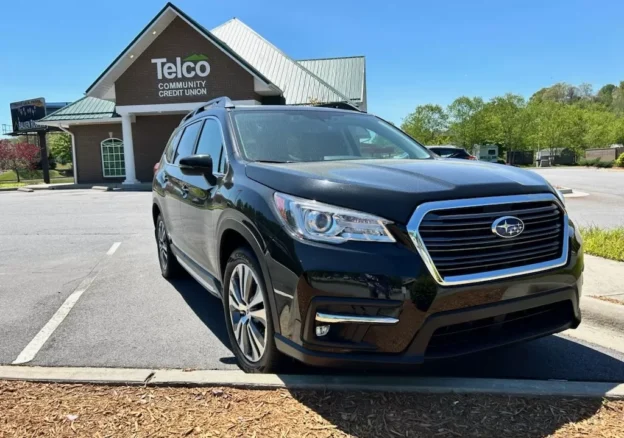
Where to Find Repo Cars (7 Places Banks Sell Repossessed Vehicles)
In this guide you will learn where to find repo cars and how banks sell them.
If you are trying to find a cheap used car, you may have heard about repossessed vehicles.
These are cars, trucks, RVs, or boats that a bank takes back when the borrower stops making payments.
Most people assume repos only show up at auctions.
That is not always true.
In many cases, banks try to sell repos before they ever reach a public auction. That is where some of the best deals can be found.
The problem is simple.
Most banks do not advertise their repossessed vehicles very well. Many buyers never even know these listings exist.
One of the easiest ways to start is by using the free RepoFinder Repo Search tool to search current bank and credit union repos by state, vehicle type, keyword, make, model, and price.
If you want a car-focused starting point, you can also browse repo cars for sale directly from banks and credit unions instead of relying on auctions alone.
You can also explore RepoFinder’s list of bank repossessed cars to find lender-direct repo cars from banks, credit unions, and other financial institutions across the United States.
What Is a Repo Car?
A repo car is a vehicle that has been repossessed by a lender.
This usually happens when the owner stops making loan payments.
The bank or credit union takes the vehicle back and sells it to recover the remaining loan balance.
Banks are not car dealers.
They usually want to sell repossessed vehicles quickly and without hassle. Because of that, repo cars are often priced lower than similar vehicles on dealer lots.
Why Repo Cars Can Be Cheaper
Banks are not trying to make a profit selling repos.
They are simply trying to recover the money that was loaned.
Holding repossessed vehicles costs banks money. They must pay for storage, paperwork, and sometimes transport.
Because of this, banks often price repos to sell quickly.
That is why many buyers search for bank repo cars instead of dealership inventory.
7 Places to Find Repo Cars
Here are the most common places repossessed vehicles are sold.
1. Banks and Credit Unions
Many banks sell repossessed vehicles directly to the public.
Some keep a small list of repos on their website.
Others sell repos locally through word of mouth, sealed bids, internal listings, or auction partners.
This is where RepoFinder.com comes in.
RepoFinder helps buyers find banks and credit unions that are selling repossessed vehicles. Instead of searching dozens of individual lender websites, buyers can start with the free RepoFinder Repo Search tool and search current lender repos by state, vehicle type, keyword, make, model, and price.
From there, buyers can identify available listings and connect with the financial institution selling the vehicle.
This can help buyers find vehicles before they reach auctions or dealership lots, which may mean less competition and fewer middleman markups.
2. Repo Auctions
Auctions are the most well-known place to buy repossessed vehicles.
Banks often send unsold repos to auctions where dealers and the public can bid on them.
Some popular auction options include:
- Auto auctions
- Dealer auctions
- Online auction platforms
The downside is competition.
Many dealers buy inventory from these auctions, which can drive prices higher. Auction buyers may also face bidding rules, buyer fees, transportation costs, and as-is vehicle conditions.
3. Police and Government Auctions
Police departments and government agencies also sell vehicles through auctions.
These may include:
- Seized vehicles
- Abandoned vehicles
- Repossessed property
Some deals can be found, but inventory changes quickly and listings are often scattered across multiple websites.
4. Car Dealerships
Many used car dealerships actually buy their vehicles from repo auctions.
That means some cars on dealer lots started as repossessed vehicles.
The downside is markup.
Dealers must add profit margins, reconditioning costs, and overhead.
That is why buying repos closer to the source can sometimes lead to better deals.
5. Online Marketplaces
Some repos appear on general car marketplaces and classified sites.
These are usually listed by banks, dealerships, or auction resellers.
However, these listings are mixed with millions of regular used cars.
It can be difficult to tell which vehicles are actually repos.
6. Credit Union Listings
Credit unions are one of the most overlooked sources for repo vehicles.
Many credit unions repossess cars and sell them locally to recover their loan balances.
These listings are often posted on small web pages that can be difficult to find through normal searches.
This is another reason buyers use RepoFinder to locate lender repo sources and current repossessed vehicle listings.
7. Specialized Repo Listing Websites
Some websites specialize in tracking repossessed vehicles from banks and lenders.
These platforms gather lender sources and current listings in one place, making it easier for buyers to find vehicles that may otherwise be difficult to locate.
One of the most well-known examples is RepoFinder.com, which focuses on connecting buyers with repossessed vehicles owned by banks and credit unions.
Buyers can use the RepoFinder Repo Search page as a free starting point to search current lender repos by state, vehicle type, keyword, make, model, and price.
This helps buyers locate lender-direct repos that may never appear on a dealer lot or major public auction platform.
Final Thoughts
Repo cars can be one of the best ways to find affordable vehicles.
The key is knowing where to look.
Many buyers only search dealer lots or auction sites.
But banks and credit unions sell repossessed vehicles every day, sometimes before they ever reach those places.
That is why platforms like RepoFinder.com help buyers connect with financial institutions that are selling repos.
To begin, use the free RepoFinder Repo Search tool to search current bank and credit union repos nationwide by state, vehicle type, make, model, keyword, and price.
With a little research and patience, repo vehicles can offer excellent value for buyers looking for their next car, truck, SUV, RV, boat, motorcycle, or other lender-owned asset.