

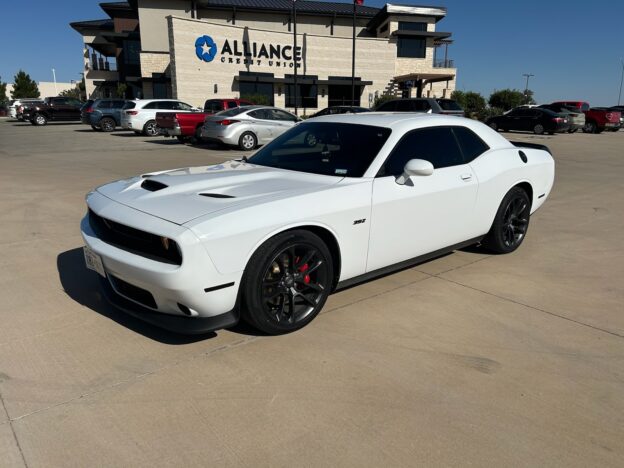
Step-by-step guide to bidding on repo cars at auctions
Bidding on repo cars from a bank can feel confusing.
Many people think they must use big “repo auctions” online.
That is not actually true.
There is a better way.
You can buy true repossessed cars directly from banks and credit unions.
You can do this without middlemen, games, or hidden fees. A simple way to start is by browsing repo cars for sale directly from lenders before jumping into auctions.
This guide walks you through that process step by step.
You will also see how RepoFinder helps you find these cars fast.
What is a true bank repo car?
A repossessed car is a vehicle a bank took back for non-payment.
The borrower missed too many payments on the loan.
The bank does not want the car long term.
It only wants to recover as much of the loan as it can.
A true bank repo car is:
-
Taken back by a bank or credit union
-
Usually a clean title vehicle
-
Sold to reduce the bank’s loss, not to make a profit
Banks are not car dealers.
They do not need extra profit from the sale.
In fact, they expect to lose money on most repossessions.
If they send a car to a dealer auction, they may get only a fraction of value.
So they often prefer to sell it themselves to the public.
Why you must not confuse repo cars with salvage cars
Many shoppers search for “repo auctions” online.
They often land on salvage auctions instead.
This is a huge problem.
Salvage auctions usually sell:
-
Insurance total loss vehicles
-
Flood, fire, or severe collision damage cars
-
Cars that now carry a branded title, not a clean title
These are not the same as true bank repos.
Why salvage or branded title cars are risky
-
They may have hidden structural damage.
-
Future repairs can be very expensive.
-
Safety can be reduced in a future crash.
-
Many buyers and lenders avoid them.
This also hurts resale value.
Branded title cars often sell for much less later.
When you buy from a bank’s repo list, you are usually getting a clean title car.
You avoid many of the dangers that come with salvage or rebuilt vehicles.
Why banks sell repo cars cheaply
Banks and credit unions are in the money business.
They are not in the car selling business.
When a car is repossessed, the bank:
-
Already lost time and money on missed payments.
-
Must pay storage, insurance, and handling costs.
-
Wants the car gone from its books as soon as possible.
Every week that car sits, the bank loses more money.
So the bank’s main goals are simple:
-
Sell the car quickly
-
Recover as much of the loan as possible
-
Move on to regular banking business
The bank is not trying to “squeeze” you like a dealer might.
It just wants a reasonable offer and a clean, fast sale.
How banks usually take bids on repo cars
Most banks use a simple bid process for repo cars.
Common methods include:
-
Highest bid wins:
They collect offers until a deadline.
Then they accept the best reasonable offer. -
“Buy it now” price:
They list a firm asking price.
You can offer to pay that price and end the process.
Sometimes they use both.
They may list an asking price but still accept bids below that.
Remember, the bank is not required to accept every offer.
It will compare each bid with the car’s value and the loan balance.
Why RepoFinder is useful in this process
True bank repo cars can be hard to find alone.
Each bank or credit union often lists its own vehicles.
Links can be buried deep on their websites.
RepoFinder has done the hard work for you since 2009.
RepoFinder:
-
Lists banks and credit unions across the country
-
Links you directly to their repo pages
-
Focuses on true repossessions, not salvage auctions
-
Is free to use for shoppers
You are not bidding on RepoFinder itself.
You use RepoFinder to find the bank or credit union that owns the car.
Then you deal with that lender directly.
Step-by-step guide to bidding on bank repo cars
Step 1: Use RepoFinder to locate bank repo cars
Start at RepoFinder.com.
-
Choose your state or nearby states.
-
Browse the list of banks and credit unions.
-
Click through to their repo or “for sale” pages.
You will see various vehicles.
These may include cars, trucks, SUVs, RVs, and more.
Focus only on vehicles listed as repossessed or “bank owned.”
Step 2: Check the basic details and title status
Click on a vehicle that interests you.
Look for:
-
Year, make, and model
-
Mileage
-
Basic options and trim
-
Asking price or starting bid
-
Title status information
If the listing does not clearly state title status, ask the bank.
You want to confirm that it is a clean title, not salvage or rebuilt.
If the title is anything other than clean, think very carefully.
Most buyers should avoid these cars for safety and resale reasons.
Step 3: Run a vehicle history report
Before you bid, get the VIN from the listing.
Use the VIN to run a vehicle history report.
This can reveal:
-
Past accidents
-
Title changes or branding
-
Odometer issues
-
Previous owners and locations
If you see major accidents or flood damage, move on.
There are many other bank repos that may be cleaner.
Step 4: Inspect the car in person when possible
Whenever you can, see the vehicle in person.
Ask the bank:
-
Where the car is stored
-
When you can view it
-
Whether you can bring a mechanic
If they allow it, bring a trusted mechanic or knowledgeable friend.
Check:
-
Body and paint condition
-
Frame and undercarriage rust or damage
-
Tires and brakes
-
Engine noise, leaks, and smoke
-
Transmission shifting and test drive feel
If a test drive is not allowed, at least start the engine.
Listen for odd knocks, rattles, or warning lights.
Take photos and notes.
Compare the car’s condition with its price and book value.
Step 5: Talk to the bank about how bidding works
Next, speak with the bank’s contact person.
Ask clear questions like:
-
“How do you accept offers or bids?”
-
“Is there a minimum bid or reserve price?”
-
“Is there a deadline for offers?”
-
“Do you have a ‘buy it now’ price?”
-
“How will you notify me if my bid wins?”
Get these details before you submit your offer.
This prevents confusion later.
Remember, banks often collect multiple bids.
They usually accept the highest reasonable offer that meets their internal target.
Step 6: Ask about special bank repo financing
Here is a big advantage many people miss.
Because the bank already owns the car, it may offer special financing.
Sometimes, this can be as low as one percent interest for a well-qualified buyer.
Why would the bank do that?
-
You are helping remove a bad loan from their books.
-
They can turn a non-paying loan into a new, current loan.
-
They keep you as a happy new customer.
Ask questions like:
-
“Do you offer special financing if I’m bidding on repo cars?”
-
“What is the lowest interest rate available?”
-
“What are the terms and required down payment?”
Do not assume the bank rate is high.
In many repo cases, the rate is better than typical dealer financing.
Step 7: Decide your maximum bid or offer
Based on your research, set a maximum price in your mind.
Consider:
-
Book value for a clean title, similar mileage car
-
Any repairs needed now or very soon
-
Taxes, registration, and insurance
-
Your personal budget
Never bid more than your maximum.
It is easy to get caught up in winning.
Remember, you want a good deal, not just a win.
Step 8: Submit your bid or buy-it-now offer
Now you are ready to bid.
Follow the bank’s instructions exactly.
They may ask you to:
-
Fill out a bid form
-
Email your offer
-
Deliver a sealed bid to a branch
-
Place a bid through an online form
Include:
-
Your full name and contact information
-
The vehicle details and VIN
-
Your offer amount
-
Any conditions, like required inspection or financing approval
If the bank has a “buy it now” price you like, you can offer that amount.
This can beat other bidders instantly.
Step 9: Wait for the bank’s decision
After bids close, the bank will review the offers.
This process may take a few days.
They will choose the best offer based on price and the buyer’s strength.
If you win, they will contact you with next steps.
If you do not win, stay polite and thank them.
You can always bid on another vehicle later.
Step 10: Complete financing and paperwork
If your bid is accepted, move quickly.
You will usually need to:
-
Sign a purchase agreement or bill of sale
-
Finalize your loan with the bank or your own lender
-
Provide proof of insurance
-
Pay any required fees and taxes
The bank will then sign over the title to you.
Make sure the title status matches what you were promised.
Keep copies of all documents for your records.
Step 11: Take delivery and enjoy your new car
Finally, schedule pickup of the vehicle.
Inspect it again when you arrive.
Confirm that nothing has changed since your earlier visit.
- Once you are satisfied, drive it home.
- You now own a repo car bought directly from a bank.
- You’ve avoided dealer games.
- You also avoided risky salvage auctions.
- You’ve likely saved a lot of money in the process.
Common questions about bidding on bank repo cars
Are repo cars always in bad shape?
No.
Some are rough, but many were daily drivers.
They often ended up as repos due to money problems, not abuse.
Always inspect each car on its own.
Can I get a warranty with a repo car?
Usually, repo cars are sold as-is.
That means no warranty from the bank.
You can ask about buying an extended warranty from a third party.
Do I need cash to buy a bank repo car?
Not always.
Many banks and credit unions offer financing on their own repos.
This may include special low rates, sometimes around one percent.
Is it safe to bid on repo cars online?
It can be safe if you know the bank is real.
Use RepoFinder to reach actual banks and credit unions.
Avoid random sites that mix in salvage auction cars.
Why are bank repo cars harder to find than salvage auction cars?
Banks do not spend much on marketing.
They post repos on their own websites, but usually not on giant ad platforms.
RepoFinder brings these scattered links together in one place.
Final tips when bidding on repo cars
-
Only buy clean title vehicles when possible.
-
Never confuse bank repos with salvage auction cars.
-
Use RepoFinder to find real banks and credit unions.
-
Inspect each car and run a history report.
-
Ask about special repo financing.
-
Set a firm maximum bid and stick to it.
With a little patience, you can get a safe, clean title car at a strong price.
You also help a bank cut its losses and move forward.
That is a win for both sides.