
Tag Archives: repo boats

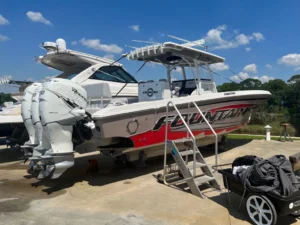
Credit Union Repo boat

Where to Find Bank Repo Boats for Sale | RepoFinder

Finding bank repo boats for sale can be difficult because there is no single national marketplace where every bank and credit union publishes its repossessions. Some lenders maintain dedicated repo pages, some use auction companies, and others advertise boats through local classified listings or third-party sales platforms.

RepoFinder helps simplify that search by connecting buyers with repossessed boats advertised by banks, credit unions, and other sellers across the United States.

Browse recently added repo boats
or
search bank-owned boats nationwide.
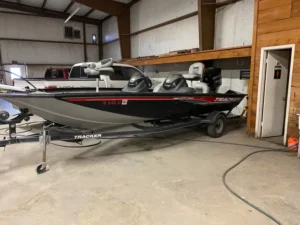
credit union repo boat for sale

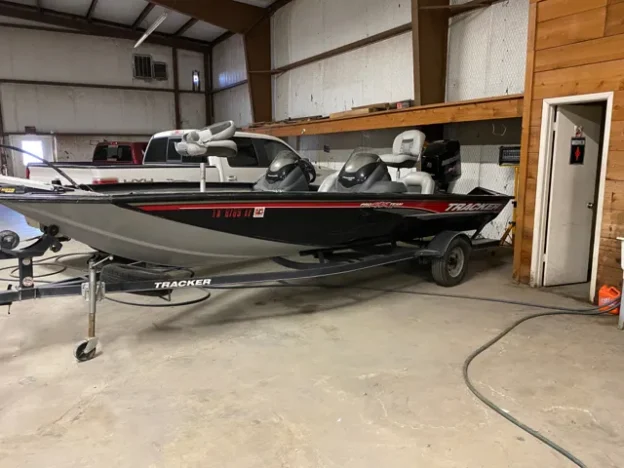
bank repo boat for sale


What Is a Bank Repo Boat?

A bank repo boat is a vessel recovered by a lender after the borrower defaults on the loan or voluntarily surrenders the collateral. The lender then sells the boat and applies the proceeds toward the unpaid balance and recovery expenses.

Bank and credit union repossessions may include:

  • Bass boats and fishing boats
  • Pontoon and tritoon boats
  • Wake boats and ski boats
  • Bowriders and deck boats
  • Center-console boats
  • Cabin cruisers
  • Jet boats
  • Personal watercraft
  • Boat trailers

Some boats are sold directly by the financial institution. Others are transferred to an auction company, dealer, recovery contractor, or liquidation service.

Why Buyers Look for Bank-Owned Boats

Potentially Lower Purchase Costs

A lender generally wants to recover money rather than keep, store, insure, and maintain a repossessed boat. This can create opportunities for buyers, especially when the institution accepts bids or negotiates offers.

However, a repossessed boat is not automatically below market value. Buyers should compare its condition, equipment, engine hours, title status, repair needs, transportation costs, and sale fees with similar boats.

Direct Access to the Seller

Some financial institutions allow buyers to contact them directly, ask questions, inspect the boat, and submit an offer without going through a traditional boat dealer.

Direct access can make it easier to understand:

  • Who owns the boat
  • How the sale will be conducted
  • Whether the price is fixed or negotiable
  • When bids are due
  • What payment methods are accepted
  • Which documents will be provided

Nationwide Inventory

Banks and credit unions throughout the country repossess boats. Buyers who search outside their immediate area may find more brands, boat types, price ranges, and sale formats.

Before pursuing a long-distance purchase, calculate the cost of travel, marine inspection, storage, trailer repairs, and professional transportation.


Where to Find Bank Repo Boats for Sale

1. Search Bank and Credit Union Websites

Some banks and credit unions publish repossessed property on their own websites. These sections may be labeled:

  • Repossessed property
  • Bank-owned assets
  • Credit union repos
  • Vehicles for sale
  • Collateral for sale
  • Foreclosed assets
  • Other property for sale

Unfortunately, lender websites are inconsistent. Repo pages may be difficult to find, and some institutions only have one or two listings available at a time.

Searching every bank and credit union individually can require significant time, especially when looking across multiple states.

2. Use RepoFinder

RepoFinder organizes repossessed property and helps buyers locate listings connected to banks, credit unions, and other sellers.

You can begin with the boat listing page, which displays recently added repo boats, or use the nationwide repo boat search to review available inventory.

RepoFinder does not own most of the boats shown and does not determine the selling price. Once you find a boat, review the listing and follow the seller’s instructions to ask questions, arrange an inspection, or submit an offer.
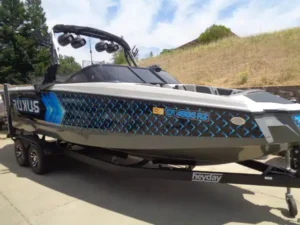
bank repo boat listing example

3. Contact Local Banks and Credit Unions

Not every repossessed boat is heavily promoted online. Smaller financial institutions may rely on signs, local classified advertisements, social media posts, branch notices, or word of mouth.

You can contact banks and credit unions in areas with strong boating activity and ask whether they maintain a list of repossessed property for sale.

Useful questions include:

  • Do you currently have any repossessed boats or watercraft?
  • Where do you publish your repossessed property?
  • Can buyers join an email notification list?
  • Do you accept offers directly?
  • Do you use an auction company?
  • Are sales open to the public?

4. Search Public and Online Auctions

Some banks send repossessed boats to local, regional, or online auctions. Auctions can provide access to additional inventory, but buyers should review the rules carefully.

Before bidding, confirm:

  • Whether the auction is open to the public
  • Whether registration or a deposit is required
  • The amount of any buyer premium
  • Documentation and processing fees
  • Payment deadlines
  • Removal and storage deadlines
  • Whether an inspection is allowed
  • Whether the trailer is included

An auction boat with a low winning bid can become expensive after buyer fees, repairs, transportation, taxes, and storage charges are added.

5. Check Government and Municipal Auctions

Government agencies occasionally sell seized, abandoned, surplus, or forfeited boats. These are not always traditional bank repossessions, but they can be another source of discounted watercraft.

Municipalities, counties, law-enforcement agencies, port authorities, and federal agencies may use public auction platforms or contracted auction companies.

6. Search Marine Recovery and Liquidation Companies

Lenders sometimes hire marine recovery companies to repossess, store, transport, and sell boats. These companies may advertise inventory on behalf of multiple financial institutions.

Always determine whether the company owns the boat, represents the lender, or is acting as an auction intermediary. Review all fees and sale terms before submitting payment.

7. Watch Local Classified Listings

Some institutions and recovery companies advertise boats through regional classifieds, newspapers, and online marketplaces. These listings can be useful, but they also require additional verification.

Do not assume a listing is lender-owned merely because the advertisement uses the words “repo,” “bank-owned,” or “repossessed.” Confirm the seller’s identity independently.


How RepoFinder Makes the Search Easier

Without a centralized resource, buyers may need to search hundreds of individual bank and credit union websites. RepoFinder helps reduce that workload by organizing lender-related repossession opportunities in one place.

Search by Vehicle Type

The repo boat page focuses specifically on boats and watercraft instead of mixing them with cars, trucks, RVs, and equipment.

Search Nationwide

The RepoFinder search tool allows buyers to search available boat inventory and compare listings from different areas.

Connect with the Actual Seller

RepoFinder listings generally direct buyers to the institution, auction, or seller handling the transaction. Buyers can then confirm the sale terms with the source rather than relying only on a copied advertisement.

Check Frequently

Repo inventory changes as boats are recovered, listed, sold, withdrawn, or transferred to another sales channel. A state with no available boats today may have new inventory later.


How to Verify a Bank Repo Boat Listing

Fraudulent advertisements sometimes use stolen photographs or pretend to represent a bank. Before sending money, verify both the boat and the seller.

Confirm the Financial Institution

Locate the bank or credit union’s official website independently. Call the published telephone number and ask whether the institution owns the boat or authorized the sale.

Verify the Contact Information

Be cautious when the seller uses a free email address, refuses telephone contact, communicates only through text messages, or provides payment instructions that do not match the financial institution.

Request Identification Information

Ask for the boat’s:

  • Year
  • Manufacturer
  • Model
  • Hull identification number
  • Engine information
  • Engine hours, when available
  • Trailer identification number
  • Title or registration status

Inspect Before Paying

Whenever possible, inspect the boat or hire a qualified marine surveyor. Avoid sellers who refuse reasonable inspection requests while demanding immediate payment.

Use Safe Payment Procedures

Follow the bank, credit union, or established auction company’s written payment instructions. Be suspicious of requests involving gift cards, cryptocurrency, wire transfers to unrelated individuals, or urgent payment to an overseas account.


What to Ask Before Buying a Repossessed Boat

  • Who currently owns the boat?
  • Is the sale being handled directly or through an auction?
  • Is the price fixed, negotiable, or subject to bidding?
  • Are there buyer premiums or documentation fees?
  • Is the boat sold as-is?
  • Can the boat be inspected?
  • Is a sea trial permitted?
  • Does the engine run?
  • How long has the boat been stored?
  • Was the boat winterized?
  • Is the trailer included?
  • What paperwork will be provided?
  • When must the boat be removed?
  • Are storage fees charged after the sale?

Tips for Buying a Bank Repo Boat

Set a Total Budget

Include more than the advertised price. Your total budget may need to cover:

  • Buyer fees
  • Sales tax
  • Title and registration
  • Marine survey
  • Mechanical inspection
  • Engine repairs
  • Hull or upholstery work
  • Trailer repairs
  • Transportation
  • Storage
  • Safety equipment

Research Market Value

Compare boats with similar years, models, engines, operating hours, equipment, and condition. Dealer asking prices can provide context, but they may include preparation, warranty coverage, or dealer services that are absent from an as-is repo sale.

Inspect the Boat

Repo boats are commonly sold as-is. Inspect the hull, deck, transom, engine, electrical system, steering, electronics, upholstery, and trailer.

For a more detailed checklist, read 5 Tips for Buying a Repossessed Boat.

Review the Paperwork

Ask whether the seller will provide a title, transferable registration, lien release, bill of sale, trailer title, or other documents required by your state.

The boat and trailer may have separate ownership documents.

Know Your Maximum Offer

Set your maximum price before bidding. Subtract expected repairs, fees, transportation, and an allowance for unknown defects from the boat’s realistic market value.

Be Ready, but Avoid Pressure

A good listing may attract multiple buyers. Prepare financing and inspection arrangements in advance, but do not let urgency cause you to skip due diligence or exceed your budget.

Browse current repo boat listings:
View recently added repo boats
or use the
nationwide boat search.


Frequently Asked Questions

Where do banks sell repossessed boats?

Banks may sell repossessed boats through their own websites, direct offers, sealed bids, local auctions, online auctions, recovery companies, dealers, or classified advertisements.

Can anyone buy a bank repo boat?

Many bank and credit union repo sales are open to the public. However, auction companies and individual sellers may impose registration, deposit, or eligibility requirements.

Are bank repo boats cheaper?

Some are priced below comparable retail inventory, but not all repossessions are bargains. Buyers should calculate the total cost after repairs, fees, taxes, transportation, and missing equipment.

Do I need a dealer license?

Most direct bank and credit union sales do not require a dealer license. Certain wholesale auctions may restrict participation, so review the seller’s rules.

Can I finance a repossessed boat?

Possibly. The institution selling the boat may offer financing, but many lenders do not finance their own repossessions. Buyers can also seek financing through another bank, credit union, or marine lender.

Do repo boats come with warranties?

Most are sold as-is unless the seller provides a written warranty or guarantee. Buyers should inspect the boat and review the purchase agreement carefully.

Can I negotiate the price?

That depends on the seller. Some banks accept direct offers or negotiate after an unsuccessful sale. Others use fixed prices, sealed bids, or auctions.


Start Your Search for Bank Repo Boats

Finding bank repo boats requires knowing where lenders advertise recovered property and how each institution handles the sale. Buyers can search individual bank websites, contact local credit unions, attend auctions, or use RepoFinder to review listings from across the country.

Browse current repo boats for sale
or
search repossessed boats nationwide.
More Repo Boat Resources

boat on the water

Navigating the Waters: How to Shop for a Repossessed Boat in Time for Spring

As the chill of winter begins to thaw and thoughts of sunny days and clear waters start to fill our minds, the idea of owning a boat becomes increasingly appealing. For those looking to make this dream a reality without breaking the bank, shopping for a repossessed boat can be an excellent option. 

Repossessed boats are those taken back by lenders or financial institutions from owners who have defaulted on their loans. These boats are often sold at a fraction of their market value, offering savvy shoppers the chance to score a great deal. Here’s your guide to navigating the market of repossessed boats in time for spring.

Step 1: Understand the Market

Before diving in, it’s crucial to understand the repossessed boat market. These boats can come from a variety of sources, including banks, credit unions and auction houses. They vary widely in type, size, condition and age, meaning there’s likely something out there that meets your needs and budget. However, it’s important to recognize that the market can be competitive, especially as spring approaches and more buyers enter the fray.

Step 2: Do Your Research

Start by identifying the type of boat that suits your lifestyle, whether it’s a fishing boat, sailboat, speedboat or something else entirely. Consider factors such as size, engine type and capacity. Once you have a clear idea of what you’re looking for, research the average prices of similar boats in good condition to set realistic expectations for what a repossessed version might cost.

Step 3: Find Repossessed Boats

Repossessed boats can be found through online auctions, specialized repossession sales websites and sometimes directly from financial institutions. Registering with auction sites can provide alerts and updates on upcoming sales. Additionally, contacting local banks, credit unions and marinas directly can uncover unlisted deals that have yet to hit the broader market.

Step 4: Inspect Thoroughly

Inspection is a critical step in the process. If possible, visit the boat in person or hire a professional marine surveyor to assess its condition. Look for signs of wear and tear, damage and potential costly repairs. Check the hull, engine, electrical systems and onboard equipment. A thorough inspection can prevent unpleasant surprises and additional expenses down the line.

Step 5: Secure Financing

If you require financing to purchase a repossessed boat, start this process early. Some lenders may be hesitant to finance repossessed boats due to their uncertain history and condition. However, credit unions and marine lending specialists are good places to start. Pre-approval for a loan can give you a budget framework and make you a more competitive buyer.

Step 6: Be Ready to Act Quickly

The best deals on repossessed boats often don’t stay available for long. Be prepared to act quickly once you find a boat that meets your criteria and budget. This means having your finances in order, being available to view or inspect the boat promptly and being ready to make a decision.

Step 7: Consider Additional Costs

Remember to account for additional costs beyond the purchase price. Repairs, maintenance, storage, insurance and registration can all add to the total cost of ownership. Ensure that the overall investment remains within your budget even after these additional expenses.

Browse Repos – Pontoon Boats, Fishing Boats, Deck Boats and More! 

Purchasing a repossessed boat can be an excellent way to enter the boating lifestyle or upgrade your current vessel in time for spring. While the process requires diligence, research and sometimes a bit of patience, the rewards can be substantial. To browse our inventory of repossessed boats for sale, visit RepoFinder.com today. 

couple sitting on boat

Get Your Summer Boat from RepoFinder and Save Big Money!

Owning a boat offers a sense of pride whether you’re fishing, sailing or relaxing on the waves. You don’t have to worry about renting a boat and getting it back on time. With your own craft, you can take it out on the water whenever you want and for as long as you’d like. Many boat owners say they practically “live” on their boats in the summer!

If you’re ready to own your own boat but aren’t in a position to buy something shiny and new, a repossessed boat can be the perfect solution. Let’s learn more about these types of vessels and the benefits to expect. 

What is a Repossessed Boat? 

A repossessed boat is a boat that was once owned by someone who wasn’t able to make their payments. Boats are often more expensive than people realize – some cost more than cars and homes! Not only are there monthly payments but also storage fees, insurance, fuel and docking/mooring fees. 

With all the costs associated with owning and maintaining a watercraft, some people find themselves in over their heads. They end up defaulting on their payments, and eventually, the lender comes to collect the boat. 

Lenders make money off borrowing money, so they don’t care to hold onto repossessed boats. If they can’t work something out with the owner, the boat will be sold to the general public at a steep discount. In exchange for this discount, the boat is sold as-is. 

What are the Benefits of Buying a Repo Boat? 

The benefits of purchasing a repo boat are the same as buying a repo car:  

  • Save money. Lenders want to get recreational vehicles off their lot as soon as possible. To make these vehicles attractive, they discount their prices and are often willing to negotiate. 
  • Great selection. Many repossessed boats are in great condition. The owners simply couldn’t afford to care for the boat, and therefore, let their payments go. At RepoFinder, you can find a like-new boat with all the latest features. 
  • Easy negotiations. You can negotiate a lower price with the seller, especially when it comes to boats. This is a niche market, so the competition is lower. Plus, vessels take up a lot of space that banks don’t have. 
  • Shop from home. RepoFinder makes it easy to shop for recreational vehicles from the comfort of home. Look at the images, message the seller with questions, place a bid and more. 

If you’re looking for a stress-free way to buy a boat while saving money, browse through RepoFinder today. We’re constantly getting in new inventory – and boats are in demand right now! Find your dream boat today and save big money with RepoFinder.

woman on pontoon boat

Pontoon Boat Repos for Sale: How to Find Cheap Bank Repo Pontoons

TL;DR: Pontoon boat repos may include family cruisers, fishing pontoons, luxury models, performance pontoons, and tritoons sold by banks and credit unions. Before buying, inspect the aluminum tubes, welds, deck, flooring, upholstery, outboard motor, electrical system, trailer, and ownership documents. Most repossessed pontoon boats are sold as-is, so calculate repairs, transportation, taxes, registration, insurance, and missing equipment before submitting an offer.

Browse recently added repo boats
or
search for repo pontoon boats nationwide.

Pontoon boats are popular because they provide generous seating, stable decks, flexible layouts, and enough versatility for fishing, cruising, swimming, entertaining, and family outings. The challenge is cost. New pontoons can become expensive once buyers add a larger outboard, upgraded seating, electronics, a trailer, premium flooring, lighting, and other options.

One way to expand your search is to look for pontoon boat repos. Banks and credit unions sometimes repossess pontoons after borrowers default on their loans. The lender may then sell the boat through a direct sale, sealed bid, auction, recovery company, dealer, or another liquidation process.

RepoFinder helps buyers locate bank repo pontoon boats and other lender-owned boats offered throughout the United States.


What Is a Repo Pontoon Boat?

A repo pontoon is a pontoon boat recovered by a bank, credit union, or other secured lender after the borrower stopped making payments or voluntarily surrendered the collateral.

Once repossessed, the boat may be:

  • Listed directly by the financial institution
  • Offered through a sealed-bid process
  • Sent to a public or online auction
  • Managed by a marine recovery company
  • Consigned to a boat dealer
  • Sold through a liquidation service

The lender’s objective is usually to recover money from the unpaid loan while reducing storage, insurance, transportation, maintenance, and depreciation expenses.

Most repossessed pontoon boats are sold as-is. The lender may know little about the boat’s maintenance history, winterization, engine condition, previous damage, or long-term storage conditions.


Why Are Pontoon Boats So Popular?

Pontoons are built around a broad, flat deck supported by two or three aluminum tubes. Their layout generally creates more usable floor space than many traditional fiberglass boats of a similar length.

Common reasons buyers choose pontoons include:

  • Comfortable seating for families and groups
  • Stable decks for passengers
  • Flexible layouts for fishing or entertaining
  • Easy boarding from docks and swim ladders
  • Room for coolers, water toys, and recreational gear
  • Multiple engine and performance options
  • Large amounts of under-seat storage
  • Availability in many sizes and price ranges

Pontoon boats are especially well suited for lakes, reservoirs, rivers, and protected coastal waters. They are generally less suitable for rough offshore conditions unless the specific model and construction are designed for that use.


Types of Pontoon Boat Repos

Family Pontoon Boats

Family pontoons are designed for cruising, swimming, relaxing, and entertaining. They commonly include wraparound lounge seating, tables, storage compartments, cup holders, swim ladders, Bimini tops, and stereo systems.

Fishing Pontoon Boats

Fishing pontoons may include pedestal seats, livewells, rod holders, tackle storage, trolling motors, fish finders, and open deck space near the bow or stern.

Luxury Pontoon Boats

Luxury pontoons may include premium upholstery, digital displays, upgraded flooring, power Bimini tops, refrigerators, elaborate lighting, high-end audio systems, and powerful outboard motors.

Performance Pontoon Boats

Performance pontoons may use larger outboards, lifting strakes, reinforced transoms, underskinning, power-assisted steering, and other features intended to improve acceleration, speed, and handling.

Tritoon Repos

Tritoons use three aluminum tubes instead of two. The third tube can increase buoyancy, load capacity, stability, horsepower capacity, and rough-water performance.

Buyers searching for tritoon repos should also search using terms such as performance pontoon, triple-tube pontoon, luxury pontoon, and party boat. Sellers do not always use the same terminology.


How Much Does a Pontoon Boat Cost?

Pontoon boat prices vary widely. A basic used pontoon with a smaller outboard may cost considerably less than a newer luxury tritoon with a high-horsepower engine, premium upholstery, digital controls, upgraded electronics, and a tandem-axle trailer.

Factors that affect pontoon prices include:

  • Year, manufacturer, and model
  • Boat length and deck layout
  • Two-tube pontoon versus three-tube tritoon design
  • Engine brand, horsepower, and operating hours
  • Trailer condition and whether it is included
  • Upholstery and flooring condition
  • Electronics and accessories
  • Freshwater versus saltwater use
  • Maintenance and storage history
  • Local demand and seasonality

Buyers looking for a cheap pontoon should focus on the total cost rather than the advertised price alone. A low-priced boat may require upholstery work, flooring replacement, engine service, trailer repairs, batteries, electronics, registration, or long-distance transportation.


Are Bank Repo Pontoon Boats Cheaper?

Some bank repo pontoon boats are priced below comparable dealer inventory, but repossession status alone does not guarantee a bargain. The actual value depends on the condition of the boat, motor, trailer, equipment, paperwork, and sale terms.

Estimated Repo Value = Comparable Market Value − Repairs − Missing Equipment − Fees − Transportation − Allowance for Unknown Problems

For example, a pontoon listed several thousand dollars below similar boats may still be expensive if it needs new seating, marine flooring, engine work, trailer tires, batteries, and long-distance transportation.

The strongest deal is not always the boat with the lowest asking price. It is the one with the best total value after all known and likely expenses are considered.


Potential Advantages of Buying a Repo Pontoon

Access to Lender-Owned Inventory

Repo sales can expose buyers to boats that may not appear on traditional dealership lots. Some are sold directly by banks or credit unions, while others are handled through an auction, recovery company, or dealer.

Possible Savings

A lender may be motivated to sell because holding a repossessed boat creates ongoing expenses. This can sometimes result in competitive pricing, particularly when a boat has been listed for an extended period or received limited buyer interest.

More Choices

Searching repossessions nationwide can help buyers locate brands, layouts, engine combinations, and price levels that are uncommon in their immediate area.

Opportunity to Buy Newer Models

Some repossessed pontoons are relatively recent models because the original loan default occurred before the boat reached an advanced age. However, buyers should never assume that a newer repo boat has been properly maintained.

Potential Direct Purchase

Some financial institutions sell their repossessions directly rather than sending them through a traditional auction. A direct sale may allow the buyer to avoid certain auction buyer premiums, although each seller uses its own fees and procedures.


Risks of Buying a Repossessed Pontoon Boat

Repo pontoons are commonly sold as-is. The lender may know little about the boat’s operating history, maintenance, winterization, or prior damage.

Potential concerns include:

  • Unknown engine maintenance
  • Freeze damage from improper winterization
  • Waterlogged or damaged flooring
  • Torn, faded, or moldy upholstery
  • Corrosion from saltwater exposure
  • Damaged pontoon tubes
  • Cracked or repaired welds
  • Missing electronics or accessories
  • Weak or missing batteries
  • Trailer bearing, brake, tire, or lighting problems
  • Incomplete title or registration documents
  • Storage and transportation expenses

These risks do not mean buyers should avoid repossessions. They mean the inspection and valuation process matters.


What to Inspect on a Used Pontoon Boat

Pontoon Tubes

Inspect both tubes or all three tubes for:

  • Dents and deep scratches
  • Cracks or repaired welds
  • Corrosion and pitting
  • Leaks or signs of trapped water
  • Damage around brackets and mounting points
  • Damaged nose cones
  • Bent lifting strakes
  • Grounding or impact damage

Minor cosmetic dents may not affect operation, but structural damage, visible leaks, cracked welds, or poor repairs deserve professional evaluation.

Welds and Mounting Brackets

Inspect the welds connecting the tubes, brackets, lifting strakes, transom assembly, and structural supports. Look for hairline cracks, discoloration, separation, excessive sealant, or signs of amateur repair work.

Water Inside the Tubes

Water inside a pontoon tube may indicate a damaged weld, puncture, leaking fitting, or failed repair. Warning signs may include sloshing sounds, uneven flotation, water draining from plugs, reduced performance, or unusual trailer weight.

Deck and Flooring

Walk across the entire deck and check for soft spots, movement, rot, delamination, or uneven surfaces. Inspect carpet, woven vinyl, or other flooring for mold, staining, lifting, torn seams, and water damage.

Pay particular attention to the areas around seat bases, gates, consoles, storage compartments, and the stern.

Furniture and Upholstery

Check seating for cracked vinyl, damaged stitching, mold, foam deterioration, broken hinges, loose bases, and missing cushions. Replacing pontoon upholstery can be expensive because of the amount of seating and the number of custom-shaped pieces involved.

Outboard Motor

Record the engine manufacturer, model, serial number, horsepower, and operating hours when available.

Inspect for:

  • Corrosion
  • Oil or fuel leaks
  • Damaged propeller blades
  • Lower-unit damage
  • Unusual sounds
  • Smoke or difficult starting
  • Cooling-water flow
  • Service-warning lights
  • Damaged trim or tilt components
  • Loose engine mounting hardware

Whenever possible, ask to see the engine started cold. Have a marine mechanic perform compression testing, computerized diagnostics, and a lower-unit inspection.

Steering and Controls

Test the steering system, throttle, shifter, trim controls, ignition, gauges, switches, and emergency safety cutoff. Hydraulic steering components can be costly to repair if seals, hoses, pumps, or cylinders are leaking.

Electrical System

Test the navigation lights, courtesy lights, horn, pumps, stereo, depth finder, chartplotter, trolling motor, charging system, USB outlets, and battery switches.

Inspect the wiring for corrosion, loose connections, exposed conductors, damaged fuse panels, and poorly installed aftermarket equipment.

Bimini Top and Boat Cover

Deploy and retract the Bimini top. Inspect the fabric, seams, frame, brackets, storage boot, straps, and power mechanism when equipped.

Confirm whether a full boat cover is included and check it for missing snaps, torn fabric, broken poles, and sun damage.

Boat Trailer

Confirm whether the trailer is included. Inspect:

  • Tires and spare tire
  • Tire manufacturing dates
  • Wheel bearings and hubs
  • Brakes and brake lines
  • Lights and wiring
  • Winch and strap
  • Safety chains
  • Bunks and supports
  • Frame corrosion
  • Axles and suspension
  • Trailer identification number
  • Title or registration documents

A trailer that appears serviceable in photographs may still need substantial work before a long highway trip.


Pontoon Boat Versus Tritoon Boat

Traditional pontoon boats use two aluminum tubes. Tritoons use three, which can increase buoyancy, deck support, horsepower capacity, load capacity, and performance.

Feature Pontoon Tritoon
Number of Tubes Two Three
Typical Use Cruising, fishing, relaxing Higher performance, watersports, larger groups
Engine Size Often smaller Often supports more horsepower
Purchase Cost Usually lower Usually higher
Fuel Use May be lower with smaller engines May be higher with larger engines
Rough-Water Performance Best for calm or moderate conditions Often better in moderate chop

A lower-priced two-tube pontoon may be ideal for slow cruising, fishing, and family use. Buyers interested in speed, watersports, heavier loads, or larger outboards may prefer a tritoon, but should budget for higher purchase, fuel, maintenance, and insurance costs.


Popular Pontoon Boat Brands

Repo inventory changes constantly, but buyers may encounter pontoon boats from manufacturers such as:

  • Bennington
  • Sun Tracker
  • Sylvan
  • Harris
  • Godfrey
  • Sweetwater
  • AquaPatio
  • Sanpan
  • Premier
  • Manitou
  • Lowe
  • Crest
  • Barletta
  • South Bay
  • Avalon
  • Tahoe
  • Veranda
  • Starcraft
  • Regency
  • Princecraft

The brand alone does not determine value. Buyers should consider the exact model, year, length, tube configuration, engine, operating hours, equipment, condition, trailer, and local market demand.


How to Research the Value of a Repo Pontoon

Compare the repo with similar pontoons based on:

  • Year and model
  • Length and width
  • Tube configuration
  • Engine brand and horsepower
  • Engine hours
  • Trailer inclusion
  • Options and electronics
  • Upholstery and flooring condition
  • Overall cosmetic condition
  • Freshwater or saltwater history
  • Geographic market

Dealer asking prices can help establish a general range, but dealer boats may include inspections, detailing, repairs, preparation, financing assistance, or limited warranty coverage that an as-is lender sale does not provide.

Do not compare a neglected as-is repo with a fully serviced dealer boat as though they are identical products.


Questions to Ask Before Buying a Repo Pontoon

  • Who currently owns the boat?
  • Is the lender selling it directly?
  • Is the price fixed, negotiable, or bid-based?
  • Are buyer premiums or documentation fees charged?
  • Can the boat be inspected?
  • Can a marine mechanic examine the engine?
  • Is a water test permitted?
  • Does the engine start and run?
  • Are the operating hours known?
  • Is an engine diagnostic report available?
  • How long has the boat been stored?
  • Was it properly winterized?
  • Was it used in freshwater or saltwater?
  • Are there known tube leaks or weld repairs?
  • Is the trailer included?
  • Are boat, engine, and trailer documents available?
  • Are maintenance records available?
  • Which electronics and accessories are included?
  • When must the boat be removed?
  • Will storage charges begin after the sale?

Calculate the Total Cost Before Making an Offer

Your real purchase cost may include:

  • Boat price or winning bid
  • Auction buyer premium
  • Documentation fees
  • Sales tax
  • Boat registration
  • Trailer title and registration
  • Marine inspection
  • Engine diagnostics
  • Engine service or repairs
  • Tube or weld repairs
  • Upholstery and flooring repairs
  • Batteries and electronics
  • Bimini top or cover replacement
  • Trailer repairs
  • Transportation
  • Storage
  • Insurance
  • Required safety equipment

A cheap pontoon becomes a poor deal when repairs, missing equipment, fees, and transportation push the total cost above the price of a better-maintained boat.


Can You Finance a Bank Repo Pontoon?

Financing policies vary. Some banks or credit unions may offer financing to qualified buyers, while others require cash, certified funds, or outside financing.

Ask about financing before bidding or submitting an offer. A lender may require payment within a short time after accepting an offer or announcing a winning bid.

Do not assume the institution selling the repossession will automatically finance it. Financing approval, loan terms, down payments, age restrictions, and insurance requirements vary by lender.


How to Find Cheap Repo Pontoon Boats

Search Current Repo Boat Listings

RepoFinder publishes boat listings connected to banks, credit unions, auctions, recovery companies, and other sellers. Inventory changes frequently as boats are added, sold, or removed.

Browse current repo boats for sale.

Use the Nationwide Pontoon Search

Search specifically for pontoon-related listings using RepoFinder’s nationwide search page.

Search repo pontoon boats nationwide.

Try Related Search Terms

Sellers may describe similar boats using different terms. Search for:

  • Pontoon
  • Tritoon
  • Triple-tube pontoon
  • Party boat
  • Fishing pontoon
  • Performance pontoon
  • Luxury pontoon
  • Bennington
  • Sun Tracker
  • Sylvan
  • Harris
  • Godfrey
  • Premier
  • Manitou

Search Outside Your State

Expanding the search area can uncover more inventory, but calculate travel, fuel, lodging, inspection, and transportation costs before pursuing a distant boat.

Check Back Regularly

Repo inventory is unpredictable. A search with few results today may display newly recovered pontoons later.

Search for affordable repo pontoons:

View recently added repo boats
or search specifically for
pontoon boats and tritoons.


Frequently Asked Questions

Are repo pontoon boats always cheap?

No. Some are competitively priced, while others may be close to normal market value. Compare the total cost after inspections, repairs, fees, taxes, registration, and transportation.

Can anyone buy a bank repo pontoon?

Many direct lender and public auction sales are open to individual buyers. Some wholesale auctions may require a dealer license, business account, or approved bidder registration.

Are repo pontoons sold as-is?

Most are sold as-is unless the purchase agreement provides a written warranty or guarantee.

Can I inspect the boat before buying?

That depends on the seller. Many lenders and auctions allow inspections during scheduled times, but some provide only limited access.

Do banks negotiate on repossessed pontoons?

Some banks accept offers or negotiate. Others use fixed prices, sealed bids, or auctions. Review the listing instructions before contacting the seller.

Does a repo pontoon include the trailer?

Not always. Confirm whether the trailer is included and whether it has its own title, registration, or bill of sale.

Should I hire a marine surveyor?

A professional survey may be worthwhile for larger, newer, higher-value, or structurally questionable boats. A marine mechanic should also evaluate the engine when possible.

Should I water-test a pontoon before buying?

A water test may reveal tube leaks, engine problems, steering issues, vibration, electrical failures, and handling concerns that are not obvious while the boat is sitting on a trailer.

Can repo pontoons have clear titles?

Many do, but buyers should verify the boat, engine, and trailer documents before paying. Ask whether the seller will provide a title, lien release, transferable registration, bill of sale, or other documents required in your state.

What brands appear in repo pontoon listings?

Inventory varies, but repossessions may include brands such as Bennington, Sun Tracker, Sylvan, Harris, Godfrey, Premier, Manitou, Lowe, Crest, Barletta, Avalon, and others.

Does RepoFinder sell pontoon boats?

No. RepoFinder helps buyers locate pontoon boats offered by banks, credit unions, auctions, and other sellers. Buyers complete the transaction directly with the institution or company advertising the boat.


Start Searching for a Repo Pontoon

A bank repo pontoon can be worth considering when the boat is properly inspected and priced according to its condition. The best opportunity is not necessarily the listing with the lowest asking price. It is the boat that provides the strongest value after accounting for repairs, paperwork, fees, missing equipment, and transportation.

Browse current repo boat listings
or
search for repo pontoon boats nationwide.

Related Repo Boat Guides

boat on the water

Don’t Sink Your Budget! 4 Ways to Save Money on a Boat

This entry was posted in Repo Boats and tagged , , on by .

It’s officially summer and many people are scrambling to figure out what they’re going to do for vacation. Things are slowly opening up, but many people are still scared to travel due to Covid. That’s why we’re seeing more families invest in RVs and boats so they can safely enjoy the summer season. 

But what about the cost of a boat? Not only is it expensive on the front end, but also you need money in the bank to pay for gas, repairs, maintenance, docking and more. Is there a way you can save money on a boat right now? Actually, there are many! Below you’ll find our tips for buying a boat without sinking your budget

1. Know what you plan on using the boat for.

A quick search of boats will turn up an endless selection of fishing boats, pontoons, sailboats, wakeboard boats and more. To know which one is right for you, determine what you plan to use the boat for. Do you enjoy fishing? Going tubing or water skiing? When you know what purpose you want the boat to serve, you can narrow down your options and look for the cheapest one. 

2. Determine the maximum size you need.

It’s tempting to get a big boat, but usually the bigger it is, the more expensive it is to buy and maintain. Even if you plan on inviting people out, is this worth going over budget for? Ideally, you should stick to boats that offer just enough room for your needs. 

3. Consider where you plan to store the boat.

Where do you plan to keep the boat when you’re not using it? Some people keep them on trailers while others dock them at home port marinas. Obviously, the bigger the boat is, the more storage space you’ll need. If your boat is especially large, you may need permits or professionals to move it. 

4. Shop for used boats instead of new ones. 

Probably one of the best ways to save money on a boat is buying used. Pre-owned boats are far less expensive than new ones because of depreciation. Not only are you limited to used boats for sale, but also you can shop this site for repo boats. These boats have been repossessed by their owners and are now being sold by the banks. Because vehicles aren’t valuable to banks and lenders, they’re often willing to negotiate a great deal! 

To save money on a boat, find the cheapest boat for your needs (no bigger, no extra features) and shop for it used instead of new. RepoFinder.com has a full list of repossessed recreational vehicles like boats, ATVs and RVs that are perfect for your summer vacation needs. Browse our site today for free and see what you can find in your price range! 

buying a repossessed boat

5 Tips for Buying a Repossessed Boat | RepoFinder

Buying a repossessed boat can be an affordable way to get on the water, but the lowest advertised price does not always equal the best deal. Bank-owned boats are commonly sold as-is, which means the buyer may be responsible for repairs, transportation, registration, storage, and other expenses after the sale.

The key is to evaluate the entire purchase rather than focusing only on the lender’s asking price. Before making an offer, research the boat’s value, inspect its condition, review the seller’s terms, and calculate what it will cost to make the boat safe and usable.

Use the following five tips to reduce your risk when buying a repossessed boat.

Browse recently added repo boats
or
search repo boats nationwide.


1. Start with Banks and Credit Unions Selling Repo Boats

Repossessed boats may be sold by banks, credit unions, auction companies, dealers, and liquidation services. Whenever possible, determine who actually owns the boat and who controls the transaction.

Buying directly from the lender can reduce confusion because you can review the institution’s original sale terms, contact information, bidding procedure, payment requirements, and removal deadline. Some lenders sell repos at a fixed price, while others request sealed bids or use an auction company.

Do not assume every listing advertised as a “bank repo” is being sold directly by a bank. Some websites copy lender inventory, add buyer fees, or redirect users through another marketplace. Confirm the identity of the seller before sending money or submitting personal information.

RepoFinder helps buyers locate property advertised by financial institutions and other sellers. Start with the current repo boat listings or read where to find bank repo boats.

Questions to ask the seller

  • Is the boat owned by the bank or being sold for another party?
  • Is the sale fixed-price, negotiable, sealed-bid, or auction-based?
  • Are there buyer fees, documentation fees, storage fees, or taxes?
  • Is a deposit required?
  • What payment methods are accepted?
  • How quickly must the boat be removed after purchase?
  • Are the trailer, engine, keys, electronics, and accessories included?

2. Be Prepared to Act Quickly, but Do Not Rush Your Due Diligence

Desirable boats can attract multiple buyers, especially when the price appears lower than comparable dealer inventory. However, urgency should never replace careful research.

Before submitting an offer, have your financing, inspection plan, transportation options, and maximum purchase price ready. That allows you to move efficiently without making an emotional decision.

Avoid increasing your bid simply because other buyers appear interested. A repo boat can stop being a bargain once the purchase price, repairs, taxes, fees, and transportation exceed its realistic market value.

Prepare before bidding

  • Know how much cash or financing you have available.
  • Confirm whether the lender requires certified funds or a wire transfer.
  • Arrange an inspection or marine survey in advance.
  • Estimate transportation and storage costs.
  • Determine your maximum total budget.
  • Read the seller’s bid instructions carefully.

There will be other boats. Walking away from a questionable purchase is usually less expensive than inheriting a major structural or mechanical problem.


3. Research the Boat’s Actual Market Value

Do not assume a boat is underpriced simply because it has been repossessed. Research comparable boats with the same or similar year, manufacturer, model, engine, operating hours, equipment, and condition.

Online valuation tools can provide a starting point, but they may not reflect regional demand, upgraded electronics, trailer condition, deferred maintenance, engine problems, or recent repair costs. Local dealer listings and private-party listings can also help establish a realistic price range.

Include the complete cost of ownership

Your estimated purchase cost should include more than the winning bid or advertised price:

  • Immediate mechanical repairs
  • Hull, transom, deck, or upholstery repairs
  • Battery, fuel-system, or electrical work
  • Trailer repairs, tires, bearings, lights, or brakes
  • Transportation or professional hauling
  • Sales tax, title, and registration expenses
  • Launch, marina, storage, or winterization costs
  • Buyer premiums or auction fees, when applicable
  • Missing covers, keys, electronics, or safety equipment

For example, a boat priced several thousand dollars below comparable inventory may not be a bargain if it requires major engine work, a replacement trailer, and long-distance transportation.

Set a maximum offer

Establish your maximum offer before bidding. A practical approach is to begin with the boat’s realistic value in good operating condition, then subtract expected repairs, transportation, fees, and a reasonable allowance for unknown problems.


4. Expect Cleaning, Maintenance, and Possible Repairs

A repossessed boat is not necessarily damaged or neglected. Some borrowers maintained their boats properly but experienced financial hardship. Others may have delayed maintenance before the repossession, and the boat may have remained unused or exposed to weather while awaiting sale.

Even a mechanically sound boat may need cleaning, fluid changes, fresh fuel, batteries, upholstery work, trailer service, or replacement safety equipment.

Look for signs of prolonged storage

  • Old fuel or fuel-system contamination
  • Dead batteries
  • Corrosion on wiring and electrical connections
  • Mold, mildew, water staining, or odors
  • Weathered upholstery and cracked vinyl
  • Dry seals, hoses, belts, and impellers
  • Flat-spotted or weather-cracked trailer tires
  • Rust on trailer components
  • Rodent or insect damage

Ask how long the boat has been stored, whether it was winterized, whether the engine has been started recently, and whether maintenance records are available.

Remember that cosmetic problems and mechanical problems are not equal. Dirty carpet and faded upholstery may be manageable. A rotten transom, saturated stringers, cracked engine block, or damaged lower unit can make the purchase far more expensive.


5. Request an Inspection, Marine Survey, and Sea Trial

Whenever possible, inspect the boat before submitting a final offer. For larger or more expensive vessels, consider hiring a qualified marine surveyor. A marine mechanic may also be needed to evaluate the engine, drive system, and onboard equipment.

A survey examines the vessel’s overall condition and can identify structural, mechanical, electrical, and safety concerns. The exact scope varies, so ask the surveyor what will be inspected before hiring them.

Inspect the hull and structure

  • Cracks, impact damage, blisters, gouges, or previous repairs
  • Soft spots in the deck
  • Transom movement or deterioration
  • Signs of water intrusion
  • Damaged rub rails, cleats, fittings, or through-hull components
  • Missing drain plugs or damaged bilge components

Inspect the engine and propulsion system

  • Engine hours, when available
  • Oil condition and visible leaks
  • Cooling-system condition
  • Corrosion or freeze damage
  • Propeller, lower unit, outdrive, shaft, or jet-pump damage
  • Steering and throttle operation
  • Maintenance records
  • Starting and operating condition

Diesel-powered vessels may require a technician familiar with marine diesel engines. A general boat inspection may not be sufficient to evaluate fuel injectors, turbochargers, cooling systems, generators, and other diesel-specific components.

Inspect the electrical and onboard systems

  • Batteries and battery switches
  • Bilge pumps and blowers
  • Navigation and interior lights
  • Gauges and engine alarms
  • Chartplotters, fish finders, radios, and other electronics
  • Freshwater, waste, and plumbing systems
  • Shore power and charging systems, when equipped

Inspect the trailer

  • Frame condition and corrosion
  • Tires and wheel bearings
  • Brakes and brake actuator
  • Lights and wiring
  • Bunks, rollers, winch, jack, and safety chains
  • Vehicle identification number
  • Title or registration documents

Ask about a sea trial

A sea trial can reveal problems that are difficult to identify on land, including overheating, vibration, steering issues, poor acceleration, trim problems, leaks, and electrical failures.

Not every lender permits a sea trial. The boat may be winterized, stored away from the water, nonoperational, or uninsured for testing. When a sea trial is not available, increase your allowance for uncertainty and avoid assuming that “it ran when parked” means it is currently water-ready.


Additional Repo Boat Buying Tips

Verify the title and ownership documents

Ask what documents the seller will provide. Depending on the state and the type of boat, you may need a vessel title, transferable registration, lien release, bill of sale, trailer title, or trailer registration.

The boat and trailer may require separate paperwork. Confirm both before paying.

Confirm exactly what is included

Do not rely only on photographs. Ask whether the sale includes:

  • The trailer
  • Outboard or inboard engine
  • Keys
  • Batteries
  • Boat cover
  • Electronics
  • Seats and cushions
  • Life jackets and safety equipment
  • Manuals and maintenance records
  • Other accessories visible in the listing

Watch for scams

Be cautious when a supposed seller demands payment before allowing an inspection, refuses to identify the financial institution, uses an unrelated email address, requests payment through gift cards or cryptocurrency, or claims the boat will be shipped immediately after payment.

Confirm the lender’s contact information independently before sending money. Do not rely solely on a phone number or payment instructions contained in an unsolicited message.

Understand the meaning of “as-is”

An as-is sale generally means the seller is not promising that the boat is mechanically sound, seaworthy, complete, or free from defects. Review the actual purchase agreement because the seller’s written terms control the transaction.

Read more about buying repossessed property as-is.


Frequently Asked Questions About Buying Repo Boats

Are repossessed boats always cheaper?

No. Some are priced below comparable dealer inventory, while others are priced close to market value. The true value depends on condition, location, equipment, title status, repairs, fees, and transportation costs.

Can I finance a repossessed boat?

Possibly. Some buyers arrange financing through their own bank, credit union, or marine lender. The institution selling the repossession may or may not offer financing. Ask before bidding and secure approval early when possible.

Do repo boats include warranties?

Most are sold as-is without a warranty unless the seller states otherwise in writing. Buyers should inspect the boat and review all sale terms before completing the purchase.

Can I negotiate with the bank?

That depends on the sale method. Some lenders accept direct offers, while others require sealed bids, fixed-price purchases, or auction participation.

Do I need a dealer license?

Many bank and credit union repo boats are available to ordinary buyers without a dealer license. However, individual auction companies and sellers may establish their own participation rules.

Should I hire a marine surveyor?

A professional survey is especially valuable for larger, older, more complex, or expensive boats. The cost of a survey may be small compared with the expense of hidden structural or mechanical problems.


Find Repossessed Boats for Sale

RepoFinder helps buyers locate repossessed boats advertised by banks, credit unions, and other sellers across the United States. RepoFinder does not own most of the boats shown, set the selling price, approve offers, or guarantee condition. Buyers work directly with the institution or seller handling each transaction.

View current repo boat listings
or
search all repo boats nationwide.

More Repo Boat Resources