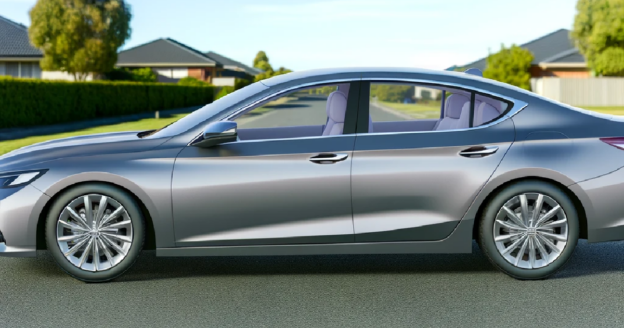
Timing can be everything when it comes to getting a great deal on a repossessed vehicle. But when is the best time to buy? This blog will explore the key times of the year and other factors that can help you snag the best deals on repossessed cars from banks.
Why Timing Matters
Market Fluctuations: Car prices can vary throughout the year. Understanding these fluctuations can save you money.
End-of-Year Sales: Like regular dealerships, banks may offer discounts at the end of the year to clear out inventory.
Best Times of the Year to Buy
End of the Month: Banks might be more willing to negotiate at the end of the month to meet sales targets.
End of the Year: December is often a great time to buy as banks look to clear inventory before the new year.
Tax Season: During tax season, many people receive refunds and are looking to buy cars, so banks might offer promotions.
Other Factors to Consider
Economic Downturns: During economic downturns, there may be an increase in repossessed vehicles, leading to better deals.
Local Events: Keep an eye on local economic conditions. If a major employer in your area downsizes, there may be more repossessed vehicles available.
Interest rates: Low-interest rates can make financing a repossessed vehicle more affordable.
Tips for Timing Your Purchase
Monitor Bank Sales: Keep an eye on when your local banks hold sales or auctions. Timing your purchase with these events can lead to big savings.
Stay Informed: Sign up for alerts or newsletters from banks to stay informed about upcoming sales.
Be Ready to Act: If you find a great deal, be ready to act quickly. The best deals don’t last long.
Conclusion
Timing your purchase can make a big difference in how much you pay for a repossessed vehicle. By understanding when banks are most likely to offer the best deals, you can save money and find the car you’ve been looking for. Keep these tips in mind, and you’ll be well on your way to driving away with a great deal.
When searching for repossessed vehicles, most people think of big banks or online auctions. However, small local banks can be a goldmine for great deals. In this blog, we’ll explore why small banks are a hidden treasure for car buyers and how to tap into this resource.
Why Small Banks?
Less Competition: Fewer people know about repossessed vehicles at small banks, meaning less competition.
Personal Service: Small banks may offer more personalized service, helping you get the information you need.
Unique Finds: You might find vehicles that aren’t available through larger institutions.
How to Find Repossessed Vehicles at Small Banks
Visit in Person: Many small banks don’t list repossessed vehicles online. Visiting in person can help you discover opportunities.
Build Relationships: Get to know the staff at your local bank. They may notify you when a repossessed vehicle is available.
Condition of the Vehicle: Smaller banks might not have the resources to maintain repossessed vehicles. Inspect the car carefully.
Negotiation Power: Small banks may be more flexible in negotiations, but always come prepared with facts.
Local Market Knowledge: Understand the local market to spot a good deal. Prices may vary widely in different regions.
Advantages of Finding Repossessed Vehicles at Small Banks
Closer to Home: Small banks are often local, making it easier to inspect the vehicle and complete the purchase.
Faster Transactions: Fewer bureaucratic layers mean you can complete your purchase more quickly.
Supporting Local Economy: By buying from small banks, you’re supporting your local community.
Conclusion
Small banks offer a unique opportunity for car buyers looking for repossessed vehicles. With less competition and the potential for better deals, small banks should not be overlooked. Visit your local bank, build relationships, and you may find your next car at a price you’ll love.
Unlock Incredible Savings: How to Buy Repossessed Cars Directly From Banks
If you’re in the market for a car and looking to save some serious cash, you might want to consider buying repossessed cars directly from banks. Repossessed cars are vehicles that lenders have taken back due to nonpayment from the original owner. These cars are often sold at auctions, offering significant savings compared to their market value. When buying a repossessed car, it’s essential to be well-informed about the process, potential risks, and the benefits it can offer. In this comprehensive guide, we’ll explore the ins and outs of purchasing repossessed cars, providing you with valuable insights to help you make an informed decision.
What is a Repossessed Car?
auto, car, cadillac
A repossessed car, also known as a “repo” car, is a vehicle that has been taken back by the lender due to the original owner’s failure to make loan payments. In most cases, these repossession actions are carried out by banks and financial institutions when the borrowers default on their car loans or fail to meet the agreed-upon payment terms. Once the lender repossesses the vehicle, they typically aim to recover their losses by selling the car at an auction or through other selling channels. It’s important to note that repossessed cars are sold “as is,” meaning they are typically not covered by warranties, and any necessary repairs or refurbishments become the responsibility of the buyer.
Repossessed cars are sold “as is” condition without warranties, so any cosmetic or mechanical repairs will be left to the buyer.
Repossessed cars come with a certain level of stigma due to the circumstances under which they become available for purchase. However, they can offer substantial discounts compared to buying a new or even a used car from traditional dealerships. The lower prices of repossessed cars make them an attractive option for budget-conscious buyers.
Why is Buying a Repossessed Car Important?
Buying a repossessed car presents a unique opportunity for individuals looking to purchase a vehicle at a significantly discounted price. These cars can offer substantial savings compared to their market value, making them an attractive option for budget-conscious buyers or those seeking a good deal on a reliable vehicle. While there are risks associated with purchasing repossessed cars, being well-informed about the process and understanding the potential savings can be crucial for making a well-informed purchasing decision.
Additionally, buying a repossessed car directly from a bank can provide a level of transparency and a direct purchasing process, allowing buyers to potentially negotiate better deals and understand the vehicle’s history and condition to a greater extent.
Considerations When Buying Repossessed Cars
oker dam, reservoir, bridge
When considering buying a repossessed car, there are several factors to take into account. This will ensure a smooth process. One of the critical considerations is understanding the vehicle’s history. Buyers should be aware that repossessed cars can come with a degree of uncertainty. Including maintenance and overall condition. It’s advised to conduct thorough research and, if possible, obtain a vehicle history report to gain insights into the car’s past.
In addition, buyers must carefully evaluate the condition of the repossessed car and consider the potential costs associated with any necessary repairs or refurbishments. Since repossessed cars are typically sold “as is,” it’s crucial to assess the vehicle’s overall condition and factor in the costs of bringing it up to standard, if required. Furthermore, understanding the terms and conditions of the sale, as well as any potential liabilities, is paramount to making an informed and advantageous purchase.
Risks Associated with Buying Repossessed Cars
Buying a repossessed car can offer substantial savings. It’s essential to be aware of the potential risks and challenges associated with the process. One of the primary risks is the uncertainty regarding the car’s history and condition. Since repossessed cars are typically sold “as is,” buyers may encounter undisclosed issues or mechanical problems. The lack of warranties and guarantees emphasizes the importance of good inspections before committing to a repossessed car.
Additionally, buyers should be mindful of the competitive nature of repossessed car auctions. With multiple potential buyers vying for the same vehicles, there is a possibility of facing bidding wars or missing out on preferred options. Understanding the auction dynamics and setting a clear budget can help mitigate the risks associated with price escalation during the purchasing process. It’s crucial to approach repossessed car purchasing with a level-headed mindset and a thorough understanding of the potential challenges involved.
Based on 2019 data, vehicles are repossessed at a rate of nearly 5,500 per day in the United States. This totals more than 2 million repossessions each year.
How to Buy Repossessed Cars Directly From Banks
car, vehicle, car wallpapers
The process of buying repossessed cars directly from banks involves several key steps that buyers should be familiar with to navigate the process efficiently. First and foremost, it’s essential to identify banks and financial institutions that offer repossessed cars for sale. Many banks have specific departments or platforms dedicated to selling repossessed vehicles, and these can serve as the primary sources for potential purchase opportunities.
Buyers should stay informed about upcoming auctions, sales, or listings of repossessed cars offered by the banks. This may involve regularly checking the bank’s official website, contacting their customer service, or subscribing to notifications or newsletters that announce repossessed car availability. Additionally, understanding the auction or sales procedures, including registration requirements, bidding processes, and payment terms, can be crucial for successful participation and acquisition of a repossessed car.
Furthermore, buyers should make an effort to conduct thorough inspections and due diligence before committing to a repossessed car purchase. This may involve obtaining a vehicle history report, arranging for a professional inspection, and assessing the overall condition of the vehicle. Understanding the costs involved, including potential repairs and refurbishments, should also be factored into the budget and decision-making process. By being prepared and informed, buyers can enhance their chances of securing a favorable deal when purchasing repossessed cars directly from banks.
Many repossessed cars are priced well under fair market value because of the negative stigma associated with the previous owner’s circumstances.
Final Thoughts
Buying a repossessed car directly from banks presents a unique opportunity to save substantially on the purchase of a vehicle. While it comes with certain risks and challenges. It’s wise being well-informed, diligent, and prepared. This can significantly improve the prospects of a successful and advantageous purchase. By understanding the process, potential pitfalls, and the steps involved in buying repossessed cars, buyers can navigate the market with confidence and possibly unlock incredible savings on their next vehicle purchase.
Frequently Asked Questions
silhouettes, people, bank
Q: Where is the best place to find repossessed cars?
8 places to buy repossessed cars
1 Car dealerships. Car dealerships may occasionally offer repossessed cars for sale, but with added fees and commissions.
2 Banks and lending institutions are the direct source if you can find them. (Source: repofinder.com/repo)
3 Online auction websites may sell occasional repossessions too, but they often sell mainly branded title or wrecked vehicles.
4 Local car auctions.
5 Car repossession companies.
6 Government agencies.
7 Online classifieds.
8 Public notices and advertisements.
Q: What States can I Buy Repossessed Cars Directly From Banks?
When it comes to vehicle repossessions, some states have higher rates than others. According to recent data, the states with the highest rates of vehicle repossessions per capita are Mississippi, Alabama, and Louisiana. On the other hand, states like Vermont, North Dakota, and Wyoming have the lowest rates.
Q: How many cars are repossessed every day in the USA?
According to car repossession statistics of 2023 from 2021 to 2022, 2.2 million vehicles were repo yearly. An average of about 5,418 per day were repossessed. Each hour, 226 cars were repossessed, which averaged about 3,76 vehicles per minute.
Q: Why are auction cars so cheap?
On average, car dealers markup cars up to 30% that are bought at auctions. There are several reasons for this. The used cars at the auctions are not in a perfect driving condition and sometimes they won’t even appeal to many bidders, that’s why they are cheaper than the dealer’s shops.
Q: Will 2024 be a good time to buy a car?
Will Car Prices Drop In 2024? If you’re pondering whether now is a good time to buy a car, car prices are projected to decrease in 2024 thanks to a boost in new vehicle production and a more stable supply chain. As dealership inventories return to pre-pandemic levels, this will likely drive down new car prices.
Q: What is the outlook for car sales in 2024?
Cox Automotive expects U.S. sales growth to slow during the second half of the year. This will end 2024 at 15.7 million units, roughly a 1.3% increase compared to 2023.
Q: What is Cox Automotive prediction for 2024?
According to Cox Automotive’s Kelley Blue Book estimates, new-vehicle sales volume through the first half of 2024.
Q: Are used car prices coming down in 2024?
At the end of 2023, the average price of a used car was $28,371. This is 4.4% less than the average a year earlier⁵. New and used car prices continued to fall in the first quarter of 2024. Industry experts predict that used car prices could decrease. Perhaps by as much as 14% on average by the end of 20246.
Comparing Websites That Claim to Sell Bank Repossessed Cars: What You Need to Know
When you’re thinking about buying a repossessed car, the internet can feel overwhelming. There are so many websites that promise great deals, but not all of them are the same. Some of the top repo car websites are Copart.com, AutoBidMaster.com, SCA.Auction, and RepoFinder.com. Each one offers something different, especially in terms of the types of cars they sell and the fees they charge. Let’s break down what these websites offer so you can choose the best one for you.
Understanding Repo Cars
Before diving into the websites, it’s important to understand what a repossessed car is. Repossessed cars are vehicles taken back by banks or lenders when the owner fails to make payments. These cars are often in good condition, making them a great option for buyers looking for a deal. However, not every website focuses on these types of vehicles.
1. Copart.com: A Focus on Salvage Vehicles
What They Offer:
Variety of Vehicles: Copart.com is a huge name in the online car auction world. They have all kinds of vehicles like cars, trucks, and SUVs. But most of their cars have a salvage title.
Salvage Title: This means the car was damaged or wrecked and will need to be fixed. These cars often come from insurance companies after accidents.
Small Number of Repossessed Cars: Copart does have some repossessed cars, but they’re only a small part of their inventory.
Fees to Consider:
Buyer’s Premium: An extra charge added to the final auction price.
Processing Fees: Charges for handling the paperwork.
Storage Fees: Sometimes, you’ll even have to pay to store the car until you pick it up.
2. AutoBidMaster.com: A Broker for Copart Auctions
What They Offer:
Access to Copart Auctions: AutoBidMaster lets you join Copart auctions without needing a dealer’s license.
Salvage Title Focus: Like Copart, most cars here have a salvage title. They often come from insurance companies after being in an accident.
Limited Repossessed Cars: Only a few repossessed cars are available, and they come with the same fees as other cars.
Fees to Consider:
Membership Fee: You pay this to join and bid on cars.
Buyer’s Premium: An extra charge added to the final price.
Transaction Fees: Additional charges for processing your purchase.
3. SCA.Auction: Specializing in Damaged Cars
What They Offer:
Focus on Salvage Vehicles: SCA.Auction is similar to Copart and AutoBidMaster, specializing in cars that have been damaged or wrecked.
Salvage Titles: Many of their vehicles have salvage titles, meaning they were declared a total loss by insurance companies.
Few Repo Cars: Repo cars make up only a small part of their inventory, with most cars being damaged.
Fees to Consider:
Buyer’s Fee: An extra cost added to your winning bid.
Documentation Fee: Charges for processing the paperwork.
Administrative Costs: Other fees that can add up quickly.
4. RepoFinder.com: Direct Access to Repossessed Cars
What They Offer:
Focus on Repossessed Cars: Unlike the other sites, RepoFinder.com specializes in repossessed vehicles. These are cars taken back by banks or credit unions when the owner doesn’t make payments.
Clean Title Vehicles: Most cars here have a clean title, meaning they haven’t been in major accidents or declared a total loss by insurance companies.
No Hidden Fees: RepoFinder doesn’t charge any fees or commissions. You deal directly with the lender, which can save you money.
Clear Process: Since you’re buying directly from the bank or credit union, the process is often simpler. There is nobody else involved except you and the bank.
Key Differences Between These Repo Car Sites
Salvage vs. Clean Titles:
Copart, AutoBidMaster, and SCA.Auction: These sites mainly focus on salvage title cars, which means the vehicles have been in accidents or have other major damage. Repo cars are only a small part of their listings.
RepoFinder.com: This site stands out because it focuses on clean title repossessed vehicles. These cars are generally in better condition and haven’t been through any accidents.
Fees:
Copart, AutoBidMaster, and SCA.Auction: Expect to pay various fees, such as buyer’s premiums, processing fees, and sometimes even storage fees. These fees can add up quickly and make the purchase more expensive.
RepoFinder.com: No extra fees or commissions. You’re dealing directly with the bank or credit union, which can lead to a cheaper and more straightforward buying process.
Why RepoFinder.com Might Be the Better Option
If you’re looking for a repossessed car, RepoFinder.com could be the better choice. Here’s why:
Clean Title Vehicles: You’re more likely to find cars and trucks that haven’t been in accidents.
No Extra Fees: You won’t have to worry about buyer’s premiums or other hidden costs.
Direct Buying: You get to deal directly with the lender, which can make the process easier and more transparent.
Conclusion: Choose Repo Car Website Wisely When Buying a Repo Car
When buying a repo car, it’s important to pick the right website. Copart.com, AutoBidMaster.com, and SCA.Auction offer a wide range of vehicles, but they mostly focus on salvage cars and come with various fees. These types of cars are usually a project to fix and have a dubious history. On the other hand, RepoFinder.com provides direct access to clean title repossessed vehicles with no hidden costs. If you’re looking for a reliable car and want to avoid extra fees, RepoFinder.com might be your best bet.
If you’re looking for a great deal on a car, repossessed vehicles can save you a lot of money. But with so many places to search, it can be hard to know where to start. One of the easiest ways to begin is by browsing repo cars for sale from banks and credit unions in one place. One website stands out above the rest: RepoFinder.com. Here’s why it’s the best place to find repossessed cars across the United States.
Why Choose RepoFinder.com?
Nationwide Listings for Every Need
RepoFinder.com offers a huge selection of repossessed cars from all over the country. It gathers listings from banks, credit unions, and other financial institutions. Whether you’re searching for a reliable sedan in New York, a sporty convertible in Texas, or a sturdy truck in Montana, RepoFinder.com has something for everyone.
Wide Variety of Vehicles: You can find everything from family cars to luxury models.
Up-to-Date Listings: RepoFinder.com updates its list of vehicles regularly, so you’re always seeing the latest options.
Coverage Across the U.S.: No matter where you live, you’ll find cars available in your area.
Direct Connection to Sellers
Many websites act as middlemen, which can add extra fees and make the process more complicated. RepoFinder.com is different. It connects you directly with the lenders who own the vehicles.
Fewer Fees: By cutting out the middleman, you can save money on fees.
Better Deals: You can negotiate directly with the seller, which often leads to a better price.
Transparent Process: You deal directly with the banks and credit unions, so there are no surprises.
Easy-to-Use Website
Searching for a car shouldn’t be hard. RepoFinder.com makes it simple with its user-friendly website. Even if you’re new to buying cars, you’ll find the tools and resources you need to make a smart purchase.
Advanced Search Filters: Narrow down your search by make, model, price, and location.
Detailed Listings: Each car listing comes with important information like mileage, condition, and price.
Helpful Resources: The site offers tips and guides to help you understand the process of buying a repossessed car.
Understanding the Benefits of Repossessed Cars
Significant Savings
Repossessed cars are often sold at lower prices because the lenders want to recover the money they loaned out. This means you can find vehicles that are in good condition but cost much less than buying new.
Lower Prices: Repossessed cars are usually sold for less than their market value.
Potential for Great Deals: You might find a newer car for a fraction of its original price.
Less Depreciation: Since you’re buying a used car, it has already gone through the steepest part of its depreciation.
Variety of Choices
Repossessed cars come from all types of owners. This means you can find a wide variety of makes, models, and years.
From Economy to Luxury: Whether you need a basic commuter car or something more upscale, repossessed cars offer choices.
Different Conditions: Some cars might need a bit of work, while others are nearly new.
All Price Ranges: You can find budget-friendly options or high-end vehicles at a discount.
Easy Purchase Process
Buying a repossessed car might sound complicated, but it’s actually straightforward. RepoFinder.com provides all the information you need to make the right decision.
Clear Information: The website lists everything you need to know about each car.
Support Along the Way: From search filters to buyer’s guides, RepoFinder.com helps you every step of the way.
Direct Communication: Since you’re dealing directly with lenders, you can ask questions and get answers quickly.
How to Get Started with RepoFinder.com
Step 1: Visit the Website
Go to RepoFinder.com and start exploring the listings. You don’t need to sign up or pay any fees to browse.
Step 2: Use the Search Tools
Use the advanced search tools to find the car that meets your needs. You can search by make, model, price range, and location.
Step 3: Contact the Seller
Once you find a car you like, click on the listing to see more details. If you’re interested, the next step is to contact the lender directly. You can ask questions, negotiate the price, and arrange to see the car.
Step 4: Finalize the Purchase
After agreeing on a price, you’ll follow the lender’s instructions to complete the purchase. RepoFinder.com has guides to help you with this process, making sure you know what to expect.
Conclusion
RepoFinder.com is the best place to find repossessed cars because it offers a wide range of options, connects you directly with sellers, and makes the process easy and transparent. Whether you’re looking for a family car, a luxury vehicle, or something in between, RepoFinder.com has what you need. By choosing RepoFinder.com, you’ll save money, get access to the latest listings, and have the support you need to make a smart purchase.
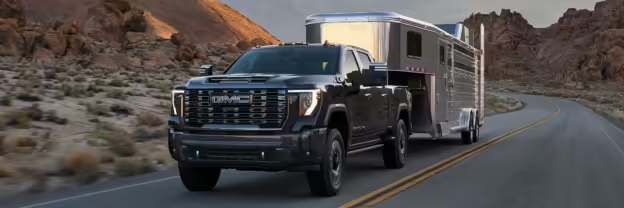
GMC trucks are renowned for their premium design, robust performance, and advanced technology. The 2023/2024 lineup continues to uphold these standards, offering a range of models tailored to meet the diverse needs of truck enthusiasts. Let’s explore the top models in the GMC lineup:
1. GMC Canyon
The GMC Canyon strikes a balance between capability and maneuverability, making it an excellent choice for those seeking a midsize truck. With its refined interior, advanced infotainment options, and available diesel engine, the Canyon is well-suited for both urban adventures and off-road excursions.
2. GMC Sierra 1500
Combining luxury with capability, the GMC Sierra 1500 is a standout in the full-size truck segment. The 2023/2024 models feature distinctive styling updates and a host of technological advancements, including an available MultiPro Tailgate and advanced driver-assistance systems, enhancing both utility and convenience.
3. GMC Sierra 2500HD
Built to handle heavy-duty tasks with ease, the GMC Sierra 2500HD offers impressive towing and payload capacities. Whether towing a trailer or hauling equipment, this truck delivers uncompromising performance, supported by powerful engine options and advanced towing technologies.
4. GMC Sierra 3500HD
At the top of the GMC lineup for heavy-duty trucks, the Sierra 3500HD excels in power, capability, and durability. Designed for maximum towing and payload requirements, it features robust engineering, including available dual rear wheels for enhanced stability when hauling large loads.
5. GMC Sierra 3500HD CC (Chassis Cab)
Ideal for commercial applications, the Sierra 3500HD CC provides a configurable chassis cab platform. This allows businesses to tailor the truck to specific vocational needs, whether for utility bodies, flatbeds, or other specialized equipment, ensuring optimal efficiency and functionality.
Conclusion
Whether you choose Chevrolet or GMC you can get a great value. The 2023/2024 truck lineup offers a comprehensive range of models. They’re designed to meet the demands of modern drivers and businesses alike. From everyday versatility to heavy-duty performance, these trucks exemplify the commitment to quality and innovation that defines both Chevrolet and GMC brands. Whatever your needs may be, there’s a Chevrolet or GMC truck ready to exceed your expectations.
buying repo cars for a profit from banks and remarketing them can be a lucrative venture, but it requires thorough research, negotiation skills, and an understanding of the automotive market. Here’s a step-by-step guide:
### Locating and Acquiring Repossessed Vehicles:
1. **Research Banks and Financial Institutions:**
– Identify banks and financial institutions in your area that deal with vehicle loans. Larger institutions tend to have more repossessions.
2. **Contact Banks:**
– Reach out to the asset recovery or collections departments of these banks. Inquire about their process for selling repossessed vehicles.
3. **Attend Public Auctions:**
– Many banks auction off repossessed vehicles to the public or to dealers. Attend these auctions regularly or view their inventory online to find suitable vehicles.
4. **Online Listings:**
– Check online platforms specializing in selling repossessed vehicles. Websites like RepoFinder.com list repossessions from financial institutions and public auction sites in the United States.
5. **Networking:**
– Build relationships with bank employees or professionals in the finance industry who can alert you to upcoming repossessions.
6. **Inspect Vehicles:**
– Before acquiring a vehicle, thoroughly inspect it for any damages or mechanical issues. Consider hiring a mechanic for a comprehensive inspection.
7. **Negotiate Price:**
– Bargain with the bank or auctioneer to get the best price possible. Banks are often motivated to sell quickly to recoup losses.
1. **Detailing and Repairs:**
– Clean the vehicle thoroughly inside and out. Repair any visible damages or mechanical issues identified during the inspection.
2. **Set Competitive Prices:**
– Research the market value of similar vehicles in your area and price your repossessions competitively to attract buyers. Using free online vehicle price guides can help.
3. **Marketing:**
– Advertise your vehicles through various channels such as online classifieds, social media, and local newspapers. High-quality photos and detailed descriptions attract more potential buyers.
4. **Open House or Test Drives:**
– Organize open house events or offer test drives to interested buyers. Allow them to inspect the vehicle and address any questions or concerns they may have.
5. **Negotiate and Close Deals:**
– Be prepared to negotiate with potential buyers. Close deals efficiently and ensure all necessary paperwork, including the title transfer, is completed accurately.
6. **Ensure Legal Compliance:**
– Familiarize yourself with local laws and regulations regarding unlicensed vehicle sales. Ensure all paperwork, including transfer of ownership, is completed in accordance with legal requirements. Some states may limit you on the amount of vehicles you can sell each year.
By following these steps diligently, you can successfully locate, acquire, and remarket repossessed vehicles for a profit. Remember to stay informed about market trends and continuously adapt your strategies to maximize profitability.
When it comes to financing a new or used vehicle, borrowers have several options, ranging from dealership financing to bank loans. However, one avenue that often provides a unique set of advantages is obtaining an auto loan through a credit union. Credit unions are not-for-profit financial institutions that serve their members with a more personalized touch compared to traditional banks.
Let’s explore the myriad benefits of securing an auto loan through a credit union, highlighting why it might be the smartest financial move for prospective car buyers.
Lower Interest Rates
One of the most compelling reasons to consider a credit union for your auto loan is the potential for lower interest rates. As member-owned institutions, credit unions typically offer more favorable rates than their for-profit counterparts. The savings on interest can significantly reduce the total cost of your loan, making your vehicle purchase more affordable over time.
More Flexible Loan Terms
Credit unions are known for their flexibility when it comes to loan terms. Unlike banks and dealerships that might have strict policies, credit unions often work with their members to find the most suitable terms, including the length of the loan and repayment schedules. This flexibility can help borrowers tailor their loans to fit their financial situations, potentially avoiding the stress of unmanageable payments.
Personalized Customer Service
Credit unions pride themselves on their member-centric approach, offering personalized customer service that’s often missing in larger financial institutions. When you apply for an auto loan through a credit union, you can expect a more individualized experience. Loan officers are more likely to take the time to understand your needs and guide you through the lending process, providing advice tailored to your financial situation.
Easier Loan Approval
For individuals with less-than-perfect credit, securing an auto loan through a credit union might be easier than through a bank. Credit unions typically have more lenient lending criteria and are more inclined to consider the whole picture — including your relationship with the institution and your overall financial history — rather than making a decision based solely on your credit score.
Additional Benefits and Discounts
Membership in a credit union often comes with a variety of additional perks and discounts. For auto loans, this might include reduced rates on insurance, waived loan processing fees or discounts on car buying services. These benefits can add significant value and reduce the overall cost of purchasing a vehicle.
Supporting Community Institutions
By choosing a credit union for your auto loan, you’re supporting a local, member-owned institution. Credit unions often play a vital role in their communities, providing financial education, supporting local projects and reinvesting profits back into the institution to improve rates and services for members.
Get a Car – and a Loan – from a Credit Union!
Securing an auto loan through a credit union offers a range of advantages, from lower interest rates and flexible terms to personalized customer service and easier approval processes. While credit unions may not be the right choice for every borrower, they represent a viable alternative to traditional financing options. If you’re in the market for a new vehicle, consider reaching out to a credit union in your area to explore your auto loan options.
RepoFinder has the largest bank repo list in America. With us, you’re buying real repos from credit unions and banks. You don’t have to pay commissions, you can get a great deal on a vehicle and you can get financing directly from the seller. Browse the inventory available in your area on RepoFinder.com.
In the hunt for a good deal on a vehicle, many prospective buyers turn their eyes towards bank-owned repossessed (repo) cars. The common perception is that these vehicles are in poor condition as a result of the previous owner’s failure to keep up with loan payments. Therefore, they sell at significantly reduced prices.
But is it truly possible to save money by purchasing a bank-owned repo car, or is this just a mirage in the desert of automotive deals? Let’s delve into the facts and navigate the complex landscape of buying repo cars.
Understanding Bank-Owned Repos
When a car owner defaults on their loan, the lender (usually a bank) repossesses the vehicle. After repossession, the bank aims to sell the car quickly to recover the outstanding loan balance. These cars are often sold through auctions or directly to consumers and dealers. The urgency to offload the vehicle and recoup the loan amount can lead to lower than market prices, creating a potentially attractive opportunity for buyers.
The Savings Potential
The primary allure of repo cars is their lower price point. Banks are generally more interested in recouping losses quickly rather than making a profit. This can lead to significant discounts compared to standard dealership prices.
Furthermore, new cars lose value rapidly in their first few years. Because repo cars are often relatively new but significantly cheaper, the initial depreciation hit has already occurred. As a result, the buyer gets a better value.
The Caveats and Costs
Repo cars are typically sold “as-is,” meaning the buyer assumes all risks associated with the vehicle’s condition. There might be hidden problems or required repairs that can significantly increase the total cost. Unfortunately, getting a comprehensive history of a repo car can be challenging. Lack of maintenance records or unclear accident history can make it difficult to assess the vehicle’s true value and potential future expenses.
Another thing to think about is the process of purchasing a repo car. This is often done through an auction, which can be daunting and competitive. You might be bidding against experienced dealers or buyers, which can drive up the price. Lastly, registration fees, taxes and any necessary repairs or maintenance to make the vehicle roadworthy again can add up quickly, potentially offsetting the initial savings.
Maximizing Your Savings
To truly save money on a bank-owned repo car, consider the following strategies:
Do Your Homework: Research the specific make and model you’re interested in to know its market value and common issues.
Inspect the Vehicle: If possible, inspect the car in person or hire a professional to assess its condition before making a bid.
Set a Budget: Know your limit and stick to it during auctions to avoid overpaying.
Consider Total Costs: Factor in the cost of any necessary repairs, insurance and registration fees to understand the total investment required.
Save Money with RepoFinder.com
There’s no question that a bank-owned repo car can offer significant savings. However, the process does come with its own set of challenges and risks. The key to successfully navigating this market involves thorough research, a cautious approach and informed decision-making.
While not all repo cars will be diamonds in the rough, with the right strategy and a bit of luck, you can find a vehicle that offers both value and savings. To browse repossessed cars, trucks and SUVs in your area, visit RepoFinder.com today.
The world of repossessed (repo) cars often carries a cloud of skepticism and myths, particularly regarding the condition of these vehicles. A common belief is that all repo cars are in bad shape, having been neglected or abused by their previous owners who were facing financial difficulties.
However, this assumption doesn’t paint the full picture and unfairly categorizes a diverse range of vehicles under a single, negative brush. Let’s dig deeper into the reality of repo cars, explore their condition and provide insight to potential buyers.
Understanding Repo Cars
Repossessed cars are vehicles taken back by lenders or financial institutions from owners who have defaulted on their loans. The primary goal of these institutions is to recoup their losses by selling the car as quickly as possible, often through auctions or direct sales. The condition of these vehicles can vary widely, challenging the notion that all repo cars are in disrepair.
Varied Conditions
Not all owners who default on loans neglect their vehicles. Many people face unexpected financial hardships that force them into default, despite having maintained their cars well. It’s not uncommon to find repo cars that are in excellent condition, with regular servicing, low mileage and minimal wear and tear.
In fact, some repossessed cars are relatively new, with the latest features and low mileage. Financial circumstances can change rapidly, leading to the repossession of vehicles that haven’t been on the road for long. These cars often offer a great opportunity to purchase a nearly new vehicle at a reduced price.
On the other hand, there are indeed repo cars that have been neglected or have suffered from rough use. These vehicles might require more investment in repairs and maintenance to bring them back to good condition.
Factors Influencing Condition
The car’s condition heavily depends on how the previous owner treated it. Regular maintenance and responsible use can result in a repo car being in good or even excellent condition. The reason behind the repossession can also be a factor. Not all repossessions are due to financial neglect; some are the result of unforeseen circumstances, meaning the car’s upkeep might not have suffered.
Furthermore, how the repossessing institution handled and stored the vehicle post-repossession can affect its condition. Prolonged storage without proper care can lead to issues not present at the time of repossession.
Tips for Buying Repo Cars
Always inspect the vehicle thoroughly or have it checked by a professional mechanic. This step is crucial to assess the actual condition of the car. Also, research the vehicle to understand its market value, history and any potential issues specific to the model or brand.
If possible, test drive the vehicle to get a feel for its condition, checking everything from engine performance to electrical systems. Additionally, factor in the potential cost of any necessary repairs or maintenance into your budget. Lastly, always buy through reputable banks, credit unions or auction houses known for handling repo sales professionally.
Search Repossessed Vehicles
The myth that all repo cars are in bad condition is just that—a myth. While the condition of repossessed vehicles varies, there are many gems to be found. With due diligence, research and a keen eye for detail, buyers can find repo cars that offer exceptional value, often in much better condition than anticipated. As with any car purchase, being informed, cautious and prepared is key to making a wise investment. To browse the available repossessions in your area, visit repofinder.com today.