Category Archives: Used Cars

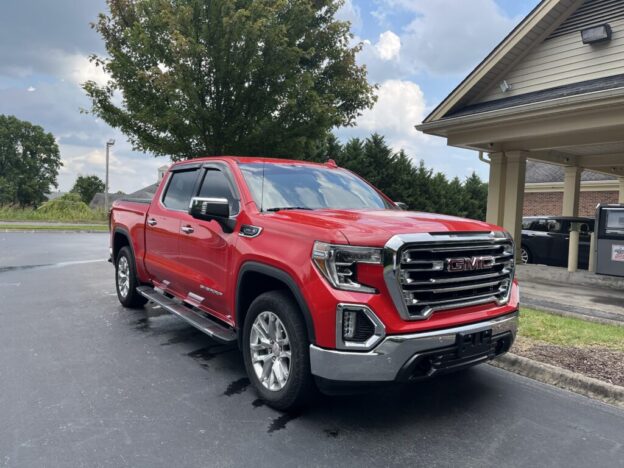
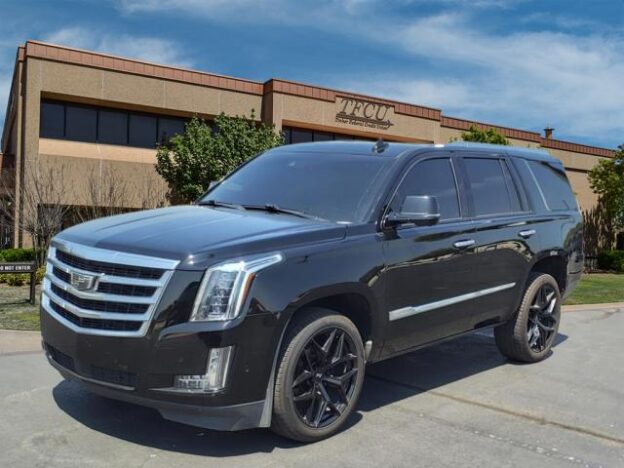
repossessed SUV for sale at a credit union

Repo Direct: The Best Way to Buy Repos Is Straight from the Lender

If you’re looking for a way to buy repos from the bank or a credit union, RepoFinder.com is the ultimate solution. RepoFinder connects you with lenders in all 50 states, so you can purchase repossessed cars, trucks, boats, RVs, ATVs, and more—without dealing with middlemen or added fees.

What makes RepoFinder truly unique? While many websites claim to offer repossessed vehicles, most act as brokers or liquidators, taking a cut or charging extra fees. RepoFinder, on the other hand, links you directly to banks and credit unions selling their repossessions. This means you can work directly with the lender, which keeps costs low and the buying process simple.

repossessed SUV For Sale at a Credit Union

Credit Union Repo SUV For Sale

Repossessed Jeep For Sale at a Credit Union - repofinder.com

Credit Union Owned Jeep For Sale

Why Buy Repos From the Bank?

Banks and credit unions are motivated to sell repossessed vehicles quickly, often pricing them below market value. Since RepoFinder allows you to connect straight to the source, you avoid extra costs like commissions or third-party fees. You’re not just getting a great deal—you’re getting peace of mind knowing you’re dealing with a reputable financial institution.

Whether you’re searching for a reliable car, a heavy-duty truck, or even recreational vehicles like boats or RVs, RepoFinder gives you access to a wide variety of vehicles across the country. With listings from lenders in all 50 states, you can browse repos for sale no matter where you are.

With RepoFinder.com you can buy repossessed vehicles directly from banks without fees, commissions, or a middleman.

RepoFinder is your direct source for Bank and Credit Union Repo Sales

How Does RepoFinder Work?

RepoFinder is easy to use. Simply visit the website, browse through the free list of banks and credit unions in your area, and check out the vehicles they have available. The process is fast, straightforward, and completely free to access. Plus, since you’re dealing directly with the lender, you can be confident you’re getting an honest deal.

For even more benefits, consider upgrading to RepoFinder Pro. Pro members enjoy an ad-free experience and gain access to exclusive, curated repossession listings.

When it comes to buying repossessed vehicles, skip the middlemen and go Repo Direct with RepoFinder.com. Start exploring affordable vehicles directly from lenders today!

Advantages of Acquiring Repossessed Vehicles Directly from Bank: A Hassle-Free Experience

If you’re contemplating the purchase of a vehicle, chances are you’ve explored conventional avenues—dealerships, online platforms, and perhaps even individual sellers. However, have you ever considered the prospect of procuring a repossessed vehicle straight from a bank? Though the notion of repossessed automobiles may initially seem daunting, the reality is that this method offers one of the most straightforward and uncomplicated ways to secure a car. Indeed, acquiring a vehicle directly from a bank can feel refreshingly unencumbered, particularly in contrast to the complexities encountered with large-scale salvage vehicle liquidators or traditional car dealerships.

Here are compelling reasons why opting for a repossessed vehicle from a financial institution could be your most astute decision.

**Direct Engagement: The Unique Nature of Banks**

To grasp the distinct advantages of buying from a bank, it’s crucial to recognize that this transaction resembles a private sale. Banks are not inherently in the automobile business; rather, their primary goal is to recoup the funds owed to them.

This dynamic presents a unique opportunity for you as a buyer. Since the bank lacks an agenda to upsell you on unnecessary extras, add additional fees, or advocate for high-margin add-ons, the entire purchasing experience is generally far more transparent.

**Eliminating High-Pressure Sales Techniques**

Engaging directly with a bank allows you to bypass the superfluous embellishments typically associated with dealership sales. You will not endure the hard selling tactics of a salesperson pushing extended warranties, protective coatings, or other enhancements. The bank’s objective is not to extract every possible dollar from you; they simply wish to sell the vehicle at a fair price and recover their loaned amount.

Consequently, this results in a more streamlined and transparent purchasing experience. It is a straightforward transaction, devoid of the pressure and extraneous services you may not require. Thus, buying from a bank feels akin to a private party sale, yet comes with the added advantage of professional assistance.

**Financing Solutions? The Bank Has Your Back**

While the thought of acquiring a repossessed vehicle may seem intimidating initially, banks facilitate a smooth and effortless process. Require financing? No issue! The bank is equipped to extend a loan to facilitate your vehicle purchase if needed. This added convenience can render your buying experience remarkably seamless.

Furthermore, when engaging with a bank, you can trust them to manage all essential documentation. Banks are adept at navigating the sales process, guiding you through every phase. From finalizing the transaction to transferring ownership, you will receive the necessary support to complete the process without undue stress.

**Transparency: No Hidden Fees or Unexpected Charges**

One of the most appealing aspects of buying from a bank is there are no hidden fees. Many large salvage vehicle liquidators impose hefty charges that can inflate the overall cost significantly. Additionally, these liquidators often employ auction-style sales, where you find yourself competing against other bidders. This scenario can be rife with anxiety, as prices may escalate rapidly, leaving you questioning whether you are indeed securing a favorable deal.

With a bank, concerns about unforeseen costs or competitive bidding are eliminated. You are not grappling with a throng of bidders to secure a vehicle at an auction, nor are you obliged to pay surcharges merely for the right to purchase the car. The price is evident from the outset, allowing you the luxury of time to deliberate, free from the pressures of rival buyers.

**The Assurance of a Transparent Procedure**

Acquiring a repossessed vehicle from a bank provides a comfortable and transparent experience. You are not required to navigate through hoops or contend with the tumultuous atmosphere of a salvage auction. Instead, you are directly interacting with the institution that holds ownership of the vehicle, which cultivates a more serene process.

Whether you require assistance with financing, documentation, or simply have inquiries regarding the vehicle, banks are typically very accommodating. Their objective is to ensure that the sale transpires smoothly. Moreover, since they are not intent on reaping exorbitant profits from the transaction, you can be confident that the process remains devoid of stress.

**A Stark Contrast: The Turmoil of Salvage Auctions**

Engaging with salvage vehicle liquidators, such as Copart, presents an entirely distinct experience. Not only are you likely to face high fees on top of the purchase price, but you are also thrust into an auction environment marked by bidding wars that can inflate costs. Such auctions can be overwhelming and intensely competitive, leaving little latitude for negotiation. Generally you also need to be a car dealer or piggyback on a dealer’s license to even get in.

Additionally, many vehicles sold through these liquidators are often in substandard condition, necessitating extensive repairs that may lead to unforeseen expenses and frustrations down the road.

**In Conclusion**

Are you hoping to Acquire repossessed vehicles directly from a bank? If so, repossessed cars represent an exceptional option. By engaging directly with the bank, you can sidestep stresses and additional costs. Trade the typical aggressive sales tactics for clearly defined good pricing when you buy directly from banks.

So, why not forgo the hassle and opt for a direct purchase? It is a smooth, simple path to getting behind the wheel of your next vehicle.

repossessed suv for sale

Why RepoFinder.com is Your Best Bet for Finding Repossessed Vehicles

When it comes to finding repos, RepoFinder.com is in a league of its own. While many websites in the repo car market claim to offer great deals, they often fall short when compared to our unique approach. Here’s why RepoFinder.com stands out and why you should choose us for your next vehicle purchase.

Direct Connection with Banks: No Middlemen, No Fees

Unlike other platforms, RepoFinder.com does not act as an intermediary. We don’t sell vehicles ourselves or collect any fees or commissions. Instead, we function like a bird dog, locating the best repossessed vehicle deals and directing you straight to the banks that own them. This direct connection means you avoid unnecessary fees and commissions that other websites might charge.

The True Repo Vehicle Specialist

While large vehicle liquidators like Copart might seem like a good option, they primarily focus on salvage vehicles that often require significant repairs. These platforms also impose various fees on buyers. They use extensive SEO campaigns to create the illusion that they specialize in repossessed vehicles, but the truth is, they’re more focused on salvage. At RepoFinder.com, we exclusively link you to clean, high-quality repossessed vehicles that banks are ready to sell.

A Proven Track Record Since 2009

Since 2009, RepoFinder.com has been dedicated to connecting buyers with repossessed vehicles through a straightforward and transparent process. Our platform has grown and evolved, but our commitment to providing a clear and direct link between buyers and banks remains unchanged. Our website’s longevity and expertise mean you’re in good hands.

A Service Tailored to You

Our target audience is primarily men between the ages of 25 and 55, but we offer our services equally to everyone. Whether you’re an individual buyer or a dealer, our platform provides valuable resources and a user-friendly experience. We understand the specific needs and concerns of our audience, and our service is designed to meet them efficiently.

Curated Vehicle Listings with RepoFinder Pro

For those who want an enhanced experience, our RepoFinder Pro membership offers an ad-free environment and access to a specially curated list of repossessed vehicles. We handpick these vehicles to ensure they meet high standards, giving Pro members an added layer of assurance and convenience.

Your Reliable Partner in Repo Vehicle Purchases

At RepoFinder.com, we pride ourselves on being the only website that offers a direct link between car buyers and banks. Our unique approach ensures that you get the best deals without the added costs and complications found elsewhere. We’re here to help you find exactly what you’re looking for in repossessed vehicles.

For a straightforward, fee-free, and transparent repo vehicle buying experience, trust RepoFinder.com. Explore our platform today and see why we’re the go-to choice for savvy buyers.

Why Buying Repossessed Vehicles from Local Banks Is a Smart Move

If you’re a do-it-yourselfer in the market for a new car or truck, you know that finding a good deal is key. One of the smartest financial moves you can make is buying a repossessed vehicle directly from a local bank. Here’s why.

No Middleman, No Extra Fees

When you buy a repossessed vehicle from a bank, you skip the middleman. This means no commission fees or document preparation fees. Dealerships often tack on these extra costs, making the price of the vehicle higher. By going straight to the source—the bank—you avoid these unnecessary charges. This can save you hundreds, if not thousands, of dollars.

Repossessed Vehicles Are Often Well-Maintained

Banks don’t want to keep repossessed vehicles sitting around. They want to sell them quickly. Most of these vehicles are still in great condition. A well-maintained vehicle at a low price is a dream come true.

The Best Tool for Finding Repossessed Vehicles

Finding repossessed vehicles from local banks can seem like a challenge, but it doesn’t have to be. RepoFinder.com is the only website with a nationwide directory of banks and credit unions selling repossessed vehicles. This site is the best starting point for your search because it lets you easily browse local repossessions by state. You can quickly find vehicles near you, compare prices, and choose the best deal.

How to Get Started

  1. Visit RepoFinder.com: Head to the website and select your state.
  2. Browse Listings: Look through the available repossessed vehicles in your area.
  3. Contact the Bank: Reach out to the bank directly to arrange a viewing or ask questions.

By following these steps, you’ll be well on your way to finding a great vehicle at a fraction of the cost.

Final Thoughts

Buying a repossessed vehicle directly from a bank is a savvy financial move for any do-it-yourselfer. You avoid extra fees, get a well-maintained vehicle, and have the power to find the best deal in your area. Start your search on RepoFinder.com, and you could drive away with a fantastic vehicle without breaking the bank.

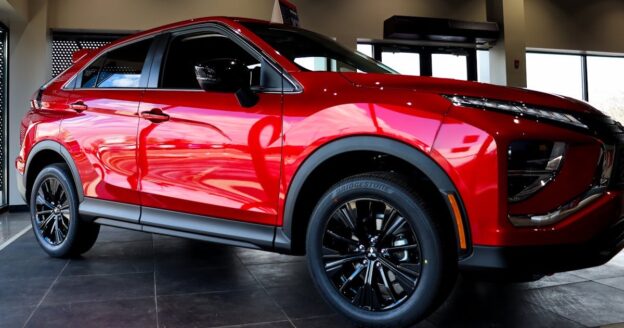
Red used vehicle at dealership

Repossessed Cars vs. Used Cars: Which Is the Better Deal?

This entry was posted in Repo Cars, Used Cars and tagged , on by .

Want to compare real repo car prices? Browse current listings here: repo cars for sale or find repo cars near you.

When it comes to purchasing a vehicle, buyers are often looking for the best deal possible. Two popular options for those on a budget are repossessed cars and used cars. While both can offer significant savings compared to buying new, there are important differences between the two that can influence your decision. So, which is the better deal: a repossessed car or a used car? Let’s explore the key factors to help you make an informed choice.

Repossessed vs Used Cars

Repossessed cars are vehicles that have been taken back by the lender after the original owner failed to make their loan payments. These vehicles are then sold by the lender to recoup the outstanding loan balance. Because lenders are motivated to sell these cars quickly, repossessed vehicles are often sold at a lower price than traditional used cars.

Used cars, on the other hand, are vehicles that have had one or more previous owners and are sold through dealerships or private sellers. The condition, price, and availability of used cars can vary widely depending on factors like age, mileage, and overall condition.

Price Comparison

One of the main advantages of repossessed cars is the potential for lower prices. Since lenders are primarily interested in recovering their losses, repossessed cars are often sold at a discount compared to similar used cars on the market. This can make repossessed vehicles an attractive option for buyers looking for a bargain.

However, while repossessed cars may come with a lower price tag, there can be additional costs to consider. In contrast, many used cars sold through dealerships come with warranties or have undergone inspections, which can provide added peace of mind.

Where Repo Cars Beat Traditional Used Cars

  • Often priced below market value
  • No dealership markups or commissions
  • Sold directly by banks and credit unions
  • Potential for better financing options

Want a deeper comparison? See how repo cars compare to dealership vehicles here: repo cars vs dealer cars.

Condition and Maintenance

The condition of a repossessed car can be a bit of a gamble. Because these vehicles were taken back due to non-payment, previous owners may not have kept up with regular maintenance. Some repossessed cars may have been sitting unused for a period of time, leading to potential issues like dead batteries or engine problems. Buyers should be prepared to invest in repairs or maintenance shortly after purchase.

Used cars, especially those sold through reputable dealerships, are often inspected and may come with a maintenance history. This can give buyers a better understanding of the vehicle’s condition and reduce the risk of unexpected repairs. However, used cars can vary greatly in condition as well.

Availability and Selection

Repossessed cars are often sold at auction. Buyers may have limited time to make a decision as they face live competition from other bidders. Fortunately, RepoFinder provides a simple directory of links to banks and credit unions that are selling their repo inventory, giving you access to all types of vehicles. 

Used cars, on the other hand, are widely available and can be found at dealerships, online platforms, and private sellers. This gives buyers more options to choose from, including different makes, models, and price ranges. Additionally, buyers have the opportunity to test drive used cars and inspect them thoroughly before making a purchase.

Financing Options

Financing a repossessed car can sometimes be more challenging than financing a used car. When repo vehicles are sold at auction financing options may be limited. Buyers may need to secure their own financing or pay in cash. Financing repossessions sold by a d bank can also be easier. They may be more inclined to work with you, as you’re taking a car off their hands and obtaining financing directly through them. 

Used cars, especially those sold through dealerships, typically come with a range of financing options, including loans and leasing arrangements, making the purchasing process more flexible. 

Risk vs. Reward

Buying a repossessed car can be a great way to save money. It comes with a certain level of risk. The potential for hidden issues and the lack of warranties or guarantees means that buyers need to be diligent and prepared for possible repairs. 

Used cars, while often more expensive, generally offer more security in terms of vehicle condition and available financing options. The ability to choose from a wider selection of vehicles can make used cars an easier choice for many buyers.

Explore Repo Car Options

Final Thoughts

So, which is the better deal: a repossessed car or a used car? The answer depends on your individual needs, budget, and risk tolerance. If you’re looking for a bargain and are willing to take on the potential risks, a repossessed car could be a great option. However, if you prefer a more straightforward buying process with fewer uncertainties, a used car might be the better choice.

Ultimately, whether you choose a repossessed or used car, doing your research, inspecting the vehicle, and understanding the terms of the sale are key to making a smart purchase. To search for repossessed cars, trucks, ATVs, and more, visit RepoFinder.com today! 

Man washing a car

Just Bought a Used Car? Here’s How to Clean it Like a Pro!

This entry was posted in Used Cars and tagged on by .

Congratulations on your new (to you) car! Buying a used car is an exciting venture, but it often comes with the need to give your new ride a thorough cleaning to make it truly feel like yours. Whether it’s a family sedan, a rugged SUV or a sleek sports car, taking the time to detail it inside and out not only enhances your driving experience but can also maintain the vehicle’s value. Here’s a comprehensive guide on how to clean your newly purchased used car like a professional, ensuring it looks and feels fresh off the lot.

Exterior Cleaning

Start with a wash. Use a high-quality car shampoo and a microfiber wash mitt. Start from the top and work your way down, ensuring that you rinse the mitt frequently to avoid scratching the paint with debris. Next, tackle the wheels. Wheels can accumulate tough grime and brake dust. Use a wheel cleaner and a dedicated brush to get into all the nooks and crannies. Finally, dry your vehicle with a clean microfiber towel to prevent water spots. 

If you want your car to shine, you can apply a high-quality car polish with a dual-action polisher. Apply the polish using circular motions to ensure an even application. Then, apply a protective layer of carnauba wax or a synthetic sealant. This not only adds shine but also protects the paint from UV rays and contaminants.

Interior Cleaning

Since the car was previously owned, you’ll want to clean the interior, too. Once any trash or personal items have been removed, use a powerful vacuum cleaner to get rid of dust, dirt and crumbs from the seats, carpets and hard-to-reach areas. Don’t forget the trunk!

Use an appropriate cleaner for your type of upholstery—leather or fabric. For leather, use a leather cleaner and conditioner to keep it supple. For fabric seats, a fabric cleaner and a brush can remove most stains and odors.

Now it’s time to wipe down hard surfaces. Use an all-purpose cleaner and microfiber cloths to clean the dashboard, center console, door panels and any other hard surfaces. A streak-free glass cleaner and a microfiber towel is sufficient for cleaning the windows. And of course, you can add a car air freshener to reduce odors and make your vehicle smell new! 

Finishing Touches

Replacing the air filters can significantly freshen up your car’s interior air. Also check and refresh fluids—windshield washer fluid, brake fluid, etc. This is good practice when taking over a new vehicle. If you had the car checked out by a mechanic, follow their suggestions on any other steps you should take to ensure your vehicle is safe to drive. 

Cleaning your newly purchased used car thoroughly not only improves its aesthetic appeal but also makes it a healthier, more pleasant environment for you and your passengers. By following these detailed steps, you can enjoy the pride of ownership and the satisfaction of driving a car that looks and feels brand new. To find a vehicle that fits your needs and budget, visit RepoFinder.com today! 

getting car ready to sell

How to Get Your Car Ready to Sell

This entry was posted in Used Cars and tagged , , on by .

Selling your car can be a rewarding experience, especially if you have your sights set on something new. The money you get from your current vehicle can help you pay for your new car, or at least be put towards a down payment and title/registration fees. However, preparing your vehicle for sale is a bit more difficult, as you’ll need to attract potential buyers and secure a fair deal. 

Whether you’re considering a new, used or repossessed vehicle, let us walk you through the essential steps to getting your car ready to sell. From detailing and maintenance to paperwork and marketing strategies, every detail matters! 

Clean and Detail Your Car 

First impressions matter, and a clean, well-maintained car is more likely to capture the attention of potential buyers. Give your vehicle a thorough cleaning both inside and out. This may include washing and waxing the exterior, cleaning the interior, vacuuming carpets and addressing any odors. 

Some sellers spend the money to get their car detailed, so you might want to look into this if your car is dirty or has odors. Car detailing prices vary depending on your location, the size of your vehicle and the condition of your vehicle, but you can expect to spend between $50 and $300. 

Conduct Necessary Repairs 

Addressing minor repairs and maintenance issues can significantly enhance your car’s appeal. From changing fluids and replacing worn-out parts to fixing dents and scratches, a well-maintained car signals to buyers that it has been cared for and is in good condition. 

You don’t need to go overboard with repairs since you will be selling the vehicle as-is, but it’s still important to address major issues. And, make sure that you are honest with potential buyers about repairs that will need to be made in the near future. 

Gather and Organize Maintenance Records 

Buyers appreciate transparency when it comes to a vehicle’s maintenance history. Compile and organize all relevant maintenance records, including receipts for recent repairs, oil changes and other services. Presenting a comprehensive history can build trust with potential buyers and allow them to pick up with the appropriate maintenance. 

Determine the Market Value 

Research the current market value of your car to establish a competitive and realistic selling price. Online tools and vehicle valuation websites can provide insights into the fair market value based on factors such as make, model, year, mileage and overall condition. Be willing to negotiate as well. 

Take High-Quality Photos 

Quality photos are essential for creating an attractive online listing. Provide potential buyers with clear images that showcase your car’s exterior, interior and key features. A well-photographed listing can significantly increase the chances of generating interest. Most people do their car shopping online and rely on pictures and videos. 

Create a Compelling Listing 

Craft a detailed and honest description of your car for the online listing. Highlight key features, recent maintenance and any unique selling points. Be transparent about the vehicle’s condition and any issues it may have. A well-written listing will not only attract serious buyers but also the right buyers. 

Advertise Effectively 

Choose the right platforms to advertise your car. Online classifieds, automotive marketplaces and social media can be effective channels. Many people start with social media because it’s free and can reach a wide range of people, particularly in your local area. Be sure to include a compelling headline, detailed description and high-quality photos.

Get a Pre-Sale Inspection 

Consider getting a pre-sale inspection from a trusted mechanic. This not only provides potential buyers with confidence in the vehicle’s condition but also allows you to address any last-minute issues that may arise during the selling process.

Prepare Necessary Documents 

Gather all necessary paperwork, including the title, maintenance records and a bill of sale. Ensure that you have all required documents ready for a smooth and legal transaction. Check with your local Department of Motor Vehicles (DMV) for specific requirements in your area.

Collect Your Funds 

For safety reasons, we recommend completing a car transaction in a public place. Using cash is the most straightforward way to handle the transaction, but it can also be risky. Also, keep in mind that the IRS requires disclosure when sales top $10,000. 

Other ways to accept money for your vehicle include a bank transfer, certified check, cashier’s check or digital payment service. Once you have this money, you can use it to help pay for your next vehicle! 

Shop for Repossessed Vehicles in Your Area 

By following these steps, you can ensure that your car is well-prepared for sale, attracting serious buyers and facilitating a smooth selling process. And, once you sell your vehicle, you can start shopping for a new one! 

At RepoFinder, you can buy repossessions directly from local banks and credit unions. Repo vehicles are priced to sell, and banks and credit unions are highly motivated, which means you may be able to negotiate an even lower offer. Visit us today and browse our featured vehicles! 

person looking at car reports online

Carfax Red Flags: What to Look for in the Report

When shopping for a used or repossessed car, arming yourself with information about a vehicle’s history is paramount. Carfax reports serve as a crucial tool, offering insights into a car’s past, including accidents, maintenance records and ownership history. However, not all reports are spotless, and understanding how to identify potential red flags within a Carfax report is vital. 

Here’s a guide on what to look for when deciphering Carfax red flags.

Reported Accidents

Carfax may indicate if a vehicle has been in accidents. Pay attention to the severity and the extent of damage reported. Multiple accidents or instances of severe damage could raise concerns about the car’s structural integrity.

Title Issues

Cars declared salvage or rebuilt have undergone significant damage and subsequent repairs. Be cautious, as these vehicles might have hidden issues, compromised safety and lower resale value. Furthermore, they can be more costly to finance, insure and repair, which means the initial savings won’t be worth it in the long run. 

Odometer Discrepancies

Check for irregularities in recorded mileage by comparing the numbers in the report with the current odometer readings. An inconsistent or rolled-back odometer reading could indicate tampering and potential odometer fraud. Also, make sure the miles the vehicle has are logical. The average person drives 13,500 miles per year, or more than 1,000 miles per month. 

Service and Maintenance Records

Lack of maintenance records might indicate neglected upkeep, potentially leading to unforeseen mechanical problems. Conversely, a well-documented maintenance history is a positive indicator of responsible ownership. Repossessed vehicles, in particular, are not always well taken care of, as the original owner was having trouble making their payments. Pay especially close attention to vehicle history reports if you’re buying a repo car. 

Number of Owners and Usage

A car that has changed hands numerous times within a short period might suggest underlying issues or dissatisfaction among previous owners. Also watch for cars that were previously used as fleet vehicles or rentals, as they can be particularly vulnerable to heavy wear and tear. 

Recall Information

Be aware of any pending recalls that haven’t been addressed. These unresolved issues might pose safety risks or signal potential problems that need attention. Again, if the previous owner was neglecting their vehicle, chances are, they didn’t address any recalls. 

Structural Damage

Reports of structural or frame damage are significant red flags. This damage is similar to having a broken skeleton! Such damage can compromise the vehicle’s safety and structural integrity, impacting its long-term reliability. Additionally, cars affected by floods can suffer from electrical issues, corrosion and long-term damage. Look for any indication of flood damage in the report.

Additional Considerations

A car with existing liens could lead to complications in transferring ownership. It’s best to stay away from these vehicles to avoid future surprises. Additionally, reports of failed emissions tests might signal underlying mechanical issues affecting the vehicle’s environmental compliance.

Final Thoughts

While Carfax reports offer valuable insights, they might not always reveal every detail about a vehicle’s history. Combine the report’s information with a comprehensive inspection by a trusted mechanic to thoroughly evaluate the car’s condition. 

RepoFinder is the largest bank repo list in America. Browse the repossessions we have available – there are banks and lenders in all 50 states selling their repo inventory. They are highly motivated to sell, which means you can get a great vehicle at a fair price. But, as always, be an informed buyer, as cars are a significant investment!  

saving money for car repairs

Putting Away Money for Car Emergencies

Owning a car provides convenience and freedom, but it also comes with responsibilities, especially when it comes to unexpected expenses. Car emergencies can happen to anyone, from a sudden breakdown on the highway to unexpected repairs that can put a dent in your budget. That’s why it’s crucial to have a financial safety net in place to handle these unforeseen situations. 

Let’s discuss the importance of putting away money for car emergencies and how it can provide you with the ultimate peace of mind.

Expect the Unexpected

Cars, no matter how well-maintained, can surprise you with unexpected issues. A flat tire, a malfunctioning engine or a broken transmission can occur without warning. Having money set aside specifically for car emergencies ensures that you are financially prepared when these situations arise, preventing you from dipping into your regular budget or, worse, going into debt.

Create a Car Emergency Fund

Start by creating a separate savings account specifically designated for car emergencies. Determine a monthly or bi-monthly amount you can comfortably set aside. Even if it’s a small sum, consistent contributions can add up over time. Treat this fund as non-negotiable, just like paying your bills, to ensure it grows steadily.

Budget for Regular Maintenance

Preventative maintenance is key to avoiding many car emergencies. Regular oil changes, tire rotations and check-ups can help you identify potential issues before they become major problems. Budget for these maintenance tasks separately and stick to the schedule. By keeping your car in good condition, you reduce the risk of unexpected breakdowns.

Avoid the Debt Trap

Relying on credit cards or loans to cover car repairs can lead to a cycle of debt that’s hard to break. By having an emergency fund, you can handle repairs or unexpected expenses without resorting to borrowing, saving yourself from high-interest rates and long-term financial stress.

Be Prepared for Various Scenarios

Car emergencies can vary in cost and complexity. Your emergency fund should be able to cover a range of situations, from minor repairs to major replacements. Research the average costs of common car repairs in your area to have a realistic target for your emergency fund.

Regularly Reassess and Replenish

Life circumstances change, and so should your emergency fund goals. As your income increases or your expenses decrease, consider increasing your contributions to your car emergency fund. Additionally, if you ever need to use the fund for a car emergency, make it a priority to replenish the amount as soon as possible.

Save Money on Vehicles with RepoFinder

Having a dedicated fund for car emergencies is financially smart. By planning ahead, budgeting for regular maintenance and being prepared for unexpected scenarios, you can navigate car emergencies without compromising your financial stability. 

RepoFinder.com has a great selection of repo cars, trucks and SUVs being sold by lenders and credit unions. These vehicles were taken from their owners for defaulting on their loans, and they are now being sold at highly discounted prices. Repos are a great way to save money while being able to put more money away for maintenance and repairs. Find your dream car today! 

child sitting in back of minivan

Tips for Choosing a Safe, Affordable Family Vehicle

This entry was posted in Used Cars and tagged , , on by .

Selecting a family vehicle is a decision that involves careful consideration of various factors, such as safety, affordability, comfort and practicality. Finding an affordable SUV or minivan that meets all of your needs can be tricky, but with a little research, plenty of patience and an open mind, you can be successful. 

Let’s explore essential tips to guide you in choosing a safe and affordable family vehicle that meets your needs and gives you peace of mind on the road.

Prioritize Safety Features

When it comes to family vehicles, safety should always be your top priority. Look for cars equipped with advanced safety features such as lane departure warning, adaptive cruise control, automotive breaking, traction control and electronic stability control. Additionally, consider vehicles with high safety ratings from reputable organizations like the Insurance Institute for Highway Safety (IIHS) and the National Highway Traffic Safety Administration (NHTSA). 

Evaluate Crash Test Ratings

Before making a decision, research crash test ratings for the vehicles you’re considering. Reliable sources such as IIHS and NHTSA conduct rigorous crash tests and provide detailed reports on various car models. Opt for vehicles with excellent crash test scores, ensuring that your family is well-protected in the event of an accident.

Consider Fuel Efficiency

Family vehicles often cover a lot of miles, from school runs to family vacations. Choosing a fuel-efficient car can save you money in the long run. Look for vehicles with good gas mileage or consider hybrid or electric options, which not only reduce your fuel costs but also contribute to a cleaner environment.

Assess Interior Space and Comfort

Family vehicles need to have ample interior space and provide comfort for everyone on board. Consider the number of passengers the vehicle can comfortably accommodate, as well as the availability of features like adjustable seats, climate control and entertainment systems to keep everyone content during longer trips – or when sitting in the school pickup line.

Research Reliability and Maintenance Costs

Look for vehicles with a reputation for reliability. Reliable cars often have lower maintenance costs, saving you money on repairs in the long term. Research the average maintenance and repair costs for the models you’re interested in to ensure they fit your budget.

Explore Insurance Costs

The cost of insuring a vehicle can vary significantly based on the make and model. Before finalizing your decision, obtain insurance quotes for the vehicles you’re considering. This will give you a clear understanding of the ongoing expenses associated with your family car.

Find Your Safe, Affordable Family Vehicle on RepoFinder

Choosing a safe and affordable family vehicle involves careful research and consideration of various factors. By prioritizing the above features, you can make an informed decision that ensures the safety and happiness of your family on the road. To shop for affordable family vehicles that are owned by banks and credit unions, visit RepoFinder.com today.