

Category Archives: Used Cars

family sitting in car

Best Car Features for Parents

This entry was posted in Used Cars and tagged , , , on by .

Shopping for a car is one thing, but shopping for a family car is a whole different experience. You’re not just taking into consideration your needs but also the needs of your family. In addition, it’s likely that the family vehicle will be used for running errands, taking the kids to sports practice and going on road trips. You need something that’s going to accommodate you for all of these activities!

As you start shopping around for a family minivan or SUV, here are some of the best features parents should look for! 

High Safety Rating 

When it comes to driving around the little ones, safety trumps everything. Look for car models that have five-star safety ratings and perform well in crash tests. Other features that make a family car safe include automatic emergency braking, blind spot monitoring, electronic stability control, and side and curtain airbags. 

Plenty of Space 

No matter the size of your family, plan to have plenty of space in your new vehicle. There will come a day (if not now) that you’ll be driving other kids to soccer practice or school. And you’ll be taking your family vehicle on road trips and other family day trips. Everyone should be able to travel in safety and comfort. We recommend getting a vehicle with multiple rows, with the option to rearrange the interior. 

…And Plenty of Storage 

In addition to leg room and comfy seats, you should also focus on vehicles that offer plenty of storage space. Stow-and-go seating is still popular in many hatchbacks, minivans and SUVs. It allows you to pack away up to two rows of seating beneath the cargo floor. This flat space makes it easy to haul large items like groceries, strollers and bikes. 

Reliable Backup Camera 

Backup cameras are a must these days, and they particularly come in handy in busy parking lots and neighborhoods. Using a screen on your dashboard, you can safely back out of your driveway or parking spot with a clear view. You’ll always know what’s behind you, preventing embarrassing moments and serious accidents. 

Remote Keyless Entry 

Another feature we recommend looking for is remote keyless entry, which lets you open and close doors from the touch of the button. This way, you can open up the doors and load up the kids while you’re still bringing in the groceries. And, if you purchase a minivan, you get sliding doors that won’t scratch nearby cars

Built-in Sunshades 

Kids get a lot of sun when riding in the car, and there isn’t any protection for them. Even the car decals usually aren’t large enough to cover the entire window. Look for a family car that comes equipped with built-in sunshades so that you can pull them down when you need them. Plus, they darken the car, making it easier for little ones to nap. 

These are just some of the features we recommend looking for in your new family car. There are plenty of other features you can look for as well, such as built-in vacuum cleaners, bluetooth connectivity and backseat cup holders. To find the perfect vehicle for your family at a price you can afford, shop with RepoFinder today!

car driving through lavender fields

Why are Used Cars So Expensive Right Now?

If you’ve gone shopping for a used car as of recently, you were probably surprised to see just how expensive they are. And it’s certainly NOT your imagination. Used car prices have skyrocketed over the past year, and it’s possible that we won’t see these prices go down for quite some time. 

While some people are choosing to keep their current cars, others have no choice but to replace them. If you’re in this same boat, it’s important to understand modern car prices and tips for navigating this changing landscape. 

What’s Causing the Price Increase for Used Cars? 

You’ve likely heard about the chip shortage and how it has impacted new cars. This has had a trickle down effect, impacting the used car market as well.

Microchips are a necessary component for vehicles, and they’re slowing down production worldwide. With far less new car models to choose from, prices have skyrocketed. High dealer markups and a lack of options are forcing people to shop secondhand. 

In other words, a whole new set of customers are shopping for used vehicles and willing to spend money, since they were going to spend it on a new model anyway. This, coupled with low inventory from people not trading in their vehicles, has driven up used car prices. 

What are the Average Prices for a Used Car? 

According to Edmunds, the average price of a used car in November 2021 was $29,011, a sharp increase of 21.4 percent from the same time in 2020. And, more than 2 million used car buyers are purchasing vastly overpriced used vehicles, which means people are putting up the cash. 

However, when you compare that price to the average price of a new car – $47,000 according to Kelley Blue Book – it doesn’t sound too bad. The reality is that cars are expensive right now – new or old – and will continue to be so for a while. 

When Can You Expect Prices to Decrease? 

While no one knows the future, there are some predictions that will hopefully ease your mind. Business Insider predicts that by the end of 2022, prices of wholesale used vehicles will drop by 3 percent compared to the end of 2021. 

However, expect these prices to gradually decrease rather than there being one big drop. It won’t be until supply chains are fixed and production recovers that supply and demand will begin to even out. 

What if You Need a Car Now, But You’re on a Strict Budget? 

If the used car market is out of reach for you, there’s another option: repossessed vehicles.

RepoFinder offers a free list of banks and credit unions that are selling used vehicles, often in good condition. You can save a lot by shopping for repo cars, trucks and SUVs, and you can get the vehicle right away. 

Our inventory is always changing, so check back often if you don’t find what you’re looking for. Discover the many reasons why so many people are choosing to shop for repossessed cars instead of new or used ones – they’re accessible, easy to purchase and give you the most bang for your buck! 

emissions test oil change

What to Do When Your Car Fails its Emissions Test

The majority of states in the U.S. require some sort of emissions testing (also called a ‘smog check’ or ‘smog test’), though how often varies considerably. Even though emissions tests are common – most states require them every two years – most people have no clue what to do if they fail.

Since you need to pass your emissions test to get new tags, you’ll want to know what to do if you end up failing your test. Below is more information on this issue and the steps to take

Determine the Reason

There’s a reason why your car failed the test, so now it’s time to find out why. By addressing the issue, you can pass your test next time. Some of the most common reasons why cars fail their smog tests are: 

  • Overdue oil change. Dirty oil releases pollutants that can interfere with your emissions test. Fresh, new oil releases fewer pollutants and ensures a cleaner engine.
  • Car exhaust issues. Extreme weather and general wear and tear can cause problems with your car exhaust. Once you fix this issue, you’ll pass the emissions test and enjoy a smoother ride! 
  • Check engine light is on. When your ‘check engine’ light is on, it’s telling you that something is wrong. Take your car into a repair shop for diagnostic testing. While it could be anything, faulty oxygen sensors are common. 

Get an Oil Change, Go for Diagnostic Testing 

If you haven’t had an oil change in some time, you can start there. Your car is going to need fresh oil anyway. If the check engine light is still on, this means that something else is going on. 

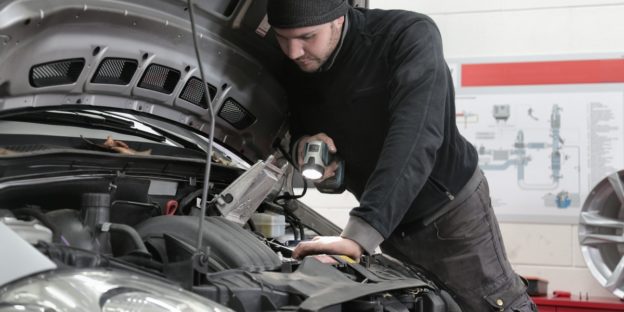
Request diagnostic testing at your local auto shop. A mechanic should be able to identify the problem and a course of action. It’s possible that you have a compromised catalytic converter or faulty gas cap, two things that affect smog testing. 

Once you know what’s going on, you can take the necessary steps to fix the problem and pass the emissions test. If you choose not to, you can be fined, and you may not be able to register your vehicle.

While most dealerships are not allowed to sell a car that wouldn’t pass testing, an as-is sale is different. If you purchased a used car from a private seller, schedule a full inspection to make sure your new car will pass testing. 

paying car insurance

Car Buying Mistakes that Can Make Your Insurance More Expensive

When buying a new or used vehicle, most people are looking at the car itself and its features. They generally aren’t thinking about how much the vehicle will cost to insure, that is, until they call their insurance company. Some cars are more expensive to insure than others, so it’s smart to consider insurance costs before buying a car, not after. 

Let’s check out some car buying mistakes that can raise the rates of your auto insurance for the duration of time you own your vehicle. 

Buying a Car Lacking Safety Features 

When insurance carriers set their premiums, one of the things they look at is the risk of collision. If a vehicle has good safety features, such as collision avoidance technologies and plenty of air bags, the chances of having to pay out a large claim are lower. Therefore, the cost of insurance is lower, too. 

On the other hand, if a car is lacking essential safety features, the chances of something going wrong is greater. As a result, insurance rates are higher. As you shop for vehicles, pay attention to the safety features that are included. They can lower your auto insurance – and save a life. 

Purchasing a Car with an Accident History 

Another thing that insurers track is the accident history. A car that has a history of being involved in accidents is going to cost more. 

For the buyer, it’s not exactly easy to know the accident history on every vehicle unless you pull a report. But we do recommend checking the accident history on a car before you buy it, as well as obtain several different quotes for auto insurance. 

Buying a Car that’s More Likely to be Stolen 

Some cars are more likely to be stolen by thieves than others. If you own one of these cars, your insurance will be more expensive. Insurers have to charge more because they typically provide coverage for stolen cars as long as the buyer has comprehensive coverage. 

And, if you think that the chances for your car being stolen are slim, think again. In 2020, there were over 810,000 vehicles stolen. One of the main ways that cars are stolen is from drivers who leave their keys in the car. 

Not Comparing Auto Insurance Quotes 

A lot of buyers aren’t aware that they can compare auto insurance quotes on different vehicles before making a selection. If you’ve narrowed down your options, ask your insurance provider to run a quote for each vehicle. This way, you can determine how much you’ll be paying each month for insurance. If one car is a lot cheaper to insure, this can be your deciding factor. 

If you’re on a tight budget, keeping these four factors in mind will help you trim your auto insurance rates. To shop for affordable vehicles, visit RepoFinder.com today. Once you’ve narrowed down your search, reach out to your insurance company and have them run a few quotes for you! 

car buying during shortages

3 Car Buying Tips in Today’s Market

If you need to buy a used car in today’s market, it’s probably going to look a lot different than it did the last time you shopped around. Between vehicle shortages, high prices and a booming demand, it’s important to know how to navigate a car purchase in these unprecedented times. 

Let’s check out three tips from the experts that will help you make a smart car purchase in 2022. 

1. Realize What You’re Up Against – and Adjust Your Expectations 

First thing’s first – you need to realize what type of market you’re buying a car in. There’s a computer chip shortage, which means new vehicles aren’t getting made. Plus, car manufacturers are still catching up from other pandemic-related factors such as shutdowns and quarantines. 

The cost of materials is also high. Steel, for example, increased by 200% last summer. Despite these challenges, there’s a booming demand for cars. A strong economic recovery, low interest rates and government stimulus checks have boosted much of this demand. However, automakers can’t keep up. 

2. Be Flexible – Don’t Limit Your Options 

Right now, flexibility is key. There’s a good chance that you won’t find exactly what you’re looking for at the price point you’re used to, so it’s important to keep an open mind. Chances are, there are a variety of brands, models and options that will fit your needs. 

It’s also worth considering older models, as many haven’t changed that much in terms of design and features. You can also expand your search by browsing less popular car types such as sedans, hatchbacks and smaller SUVs. 

3. Prepare to Pay Up – Vehicles Cost More Than They Used To 

Even if you’re able to find everything that you want, be prepared to pay more than what you’re used to. New cars are selling at or above MSRP. Used cars are worth thousands more than they were before the pandemic. This is supply and demand at its finest. 

And remember, dealers and private sellers are aware of the shortages and high demand. They likely won’t be interested in negotiating much, if at all. Expect to pay at least sticker price for the car you want. If you don’t want to pay this price, someone else will. 

If you need to buy a car in these unprecedented times, browse the inventory at RepoFinder.com. We have repossessed cars, trucks, SUVs and recreational vehicles at affordable prices – and they’re available to buy today! 

vehicle trim level

What is a Vehicle Trim Level?

This entry was posted in Used Cars and tagged , on by .

When shopping online for a new or used vehicle, you might come across the term “trim level.” Some car shoppers are aware of the auto industry lingo but many aren’t. No judgment here – we’ll teach you everything you need to know about trim levels to ensure you’re getting the right features in your vehicle

What is a Vehicle Trim Level? 

A trim level (sometimes called a trim package) is a version of a vehicle model that comes with a combination of features pre-selected by the manufacturer. 

Cars with higher trim levels come with better features and a higher price, whereas cars with lower trim levels are more basic and have a cheaper price tag. To differentiate trim levels, you’ll see lingo like Chevrolet Corvette 3LT or BMW 320i. 

Every vehicle has a trim level, even if it’s basic with no extra features. However, the features used to determine trim levels have changed. In the past, trim levels were based on aesthetic features like chrome accents and leather upholstery. 

Today, trim levels include functional updates like high-end technology and performance upgrades. Some vehicles have up to 6-10 different trim levels due to the variety of upgrades included in the model! 

How Does a Trim Level Differ from an Accessory Package 

At first glance, it might seem like a trim level rivals an accessory package. But there are clear differences. First, accessory packages are often a la carte, meaning that you can pick and choose what you want. Trim levels cannot be modified. 

Second, accessory packages can be added onto most car models. Again, trim levels are already set by the manufacturer and cannot be changed or added. Whether you’re buying a car from a dealership, a private seller or an online repo directory like RepoFinder, the trim level you see is what you get. 

Hopefully this information has helped you understand what a trim level means when shopping for new or used vehicles. The more you know, the easier time you’ll have looking for cars that fit your needs and budget. To shop a wide selection of vehicles at affordable prices, shop at RepoFinder today. 

paying for car in cash

Budgeting for a Car: 5 Tips for Paying in Cash

Cars are expensive, which means you shouldn’t make spur-of-the-moment decisions! In fact, by taking your time to look for vehicles and putting away money each month, you might be able to pay cash for your vehicle! This will eliminate your car payment and give you more breathing room in your monthly budget. 

While saving enough money to pay for a car in cash isn’t easy, it is possible with proper planning. Here are five tips to help you pay for a used or repossessed vehicle with hard-earned cash

1. Determine Your Budget 

First, determine how much you can afford to spend on a car. The rule of thumb is that you shouldn’t spend any more than 20% of your income on a vehicle. So if you make $100,000, your car should only cost $20,000. Most people pay way more than this! Plus, you need to make room for surprise repairs. 

2. Start Saving Early 

Start saving as early as you can. Even small amounts of money add up over time. Think of it this way: To save almost $1,100 a year, you only need to put away $3 a day. By making coffee at home or bringing a sack lunch to work, you can save thousands of dollars in just a year or two! 

3. Avoid Temptation 

Don’t walk into a dealership or start shopping for repos online until you have something saved up. Maybe it’s not enough to purchase the car in its entirety, but it will at least be enough for a down payment and title and registration fees. The more temptation that’s in front of you, the harder it is to stick to your goals. 

4. Narrow Down Your Search 

Keep your search as narrow as you can. Do this by identifying your needs and researching the cars that will work. Otherwise, it’s easy to be swayed by the latest features like heated seats and remote start. While these features are nice, you don’t want to be paying for them for the next 5 to 6 years! 

5. Know How to Negotiate 

If you plan to buy a used or repossessed car, strengthen your negotiation skills. Don’t be afraid to stand your ground and know what you’re willing to compromise on. Of course, being a good negotiator is not the same as being stubborn. It requires you to know what you’re buying and what you can save on. 

These five tips will help you pay for your repo vehicle in cash. Paying in cash offers a number of benefits, including stronger negotiations and not having to pay interest. To browse a wide selection of repossessed cars in great condition, visit RepoFinder and click on your state! 

performing a car inspection

What Type of Inspection Should I Do on a Used Car?

This entry was posted in Used Cars and tagged , , on by .

Thinking about buying a used or repossessed vehicle? A careful evaluation will help you avoid hidden problems. This is especially important if you plan to buy a repo car, as these vehicles are sold as-is. In exchange for buying the car in its current condition, you’ll get a nice discount from the seller. 

RepoFinder offers a huge directory of repossessed cars, trucks, SUVs and recreational vehicles at low prices. There is no middleman – the vehicles listed on our site are sold straight from the banks and credit unions. They’re highly motivated sellers who are often willing to negotiate.

As long as you do your research and perform an inspection before signing the paperwork, you should have no trouble finding a decent car at a great price. Below is the type of inspection you should do before buying a repo car. 

Exterior 

Check each panel carefully, along with the roof. It’s not uncommon for used vehicles to have some dents and scratches, but do pay attention to rust. Rust is a cause for concern because it eats away at the metal. The places to look for rust include the wheel wells, the panels beneath the doors and the door bottoms.

Open and close each door, including the hood and trunk. If anything seems loose, the car has likely had long use. Also look for shoddy repair work such as discolored paint, misaligned panels, large gaps or patched dents. 

Glass 

Look carefully at the glass to make sure there are no cracks. A small chip isn’t a cause for concern, though we still suggest bringing it up in negotiations. You’ll eventually have to replace the glass to prevent it from cracking further. 

Suspension

Walk around the car to see if it’s sitting level. Push down on each corner. As long as the shock absorbers are in good condition, the car should rebound just once. Grab the top of each front tire and give it a tug. If you hear a clunking sound, it’s likely that the wheel bearings and suspension joints need replacing. 

Lights and Lenses 

Make sure all lights and reflectors are working properly. They should be in good condition with no fogging, cracking or moisture. 

Tires 

Even though you can replace tires easily, they can still tell you a lot about a car. A car with less than 20,000 miles should have its original tires. Cars that have low mileage and new tires are a red flag. The tires should also be the same brand with even treadwear across all four. 

Interior 

Now for the fun part – the interior of the car! Remove the floor mats and check for signs of water. Upholstery shouldn’t be ripped or worn, especially in a newer car. The pedals should be in good condition, and all of the instruments and controls should work accordingly. If you’re able to turn on the engine, make sure the AC and heat work. 

By performing a detailed inspection, you can catch hidden problems with your vehicle. When you shop for a car with RepoFinder, you’ll have access to tons of cars in good condition! Communicate with the seller to schedule an inspection. And, if you’re not comfortable doing the inspection on your own, bring along a mechanic or knowledgeable friend.

retail vs whole prices on ford truck

Retail Price vs Wholesale Price: How Much is a Used Car Really Worth?

Whether you’re buying a car online, from a dealership or from a private party, it’s important to know what the car is worth. A car’s value depends on a number of factors like its age, mileage, condition, trim level and the location where it’s being sold. For every vehicle, there are two prices: retail and wholesale.

To get the best deal on a used car, it’s important to know the difference between these two numbers. Later in this post, we’ll also cover what “asking price” means so that you can be an effective negotiator.

Retail Price

The retail price is always higher than the wholesale price and what you would expect to pay for the car if it was being sold at a dealership. If you are buying the car from a private seller, you’ll probably pay a bit less. Retail prices are also higher because the dealerships are banking on you getting less from the trade-in, giving them a profit margin.

Wholesale Price 

Wholesale pricing is essentially a car’s trade-in value at the dealership. The dealer will then turn around and sell it to someone else for a profit. Understandably, trade-in prices are a lot lower than retail prices. You’re not likely to find a car being sold at a wholesale price, unless you shop for a repossessed vehicle through RepoFinder. 

In the wholesale end of business, there are different figures to be aware of. Every step of the way, there’s a middleman that takes their cut, which ends up giving the car a new value.

  • Trade-in. This is what the dealer is offering the customer. What they get for trading in their car can be used toward their next vehicle purchase.
  • Dealer-to-dealer. This pricing happens when one dealer sells the car to another. 
  • Auction. If the car goes to auction, which many do, it will have an auction price. Dealers and brokers often buy cars at auction for resale. 

Asking Price 

When shopping for used cars, you’ll definitely come across the term “asking price.” This is different from retail and wholesale prices – and it’s negotiable. The asking price refers to the amount the seller is asking for the vehicle. But, dealers and private sellers know the customer will probably come back with another offer, which is why this price is not set in stone. 

Shop for Cars at Wholesale Prices 

Now that you are aware of this car shopping lingo, you can be a more effective shopper. RepoFinder is a directory of banks, credit unions and public auctions that sell repossessed cars directly to the public. There are no middlemen, allowing you to work out a deal between you and the seller. To start shopping for an affordable vehicle that rivals wholesale prices, shop with RepoFinder today. 

car with over 100k miles

Should I Buy a Car with Over 100,000 Miles?

This entry was posted in Used Cars and tagged , , on by .

Buying a high-mileage car might seem like a risky purchase to some, but if you’re on a strict budget, it’s worth considering. In general, buying a car with a lot of miles is not a bad idea. Cars are a lot more reliable these days, so a car with over 100,000 miles is likely capable of traveling another 100,000 miles! 

With that said, cars do start to experience more problems once they reach the 100k mile mark. The car is technically past its prime, so you’ll need to be prepared to put some work into it. The good news is that the cost of the vehicle should offset repairs and maintenance.

Let’s learn more about the benefits of purchasing a car with over 100,000 miles and why you may very well come out on top! 

Lower Purchase Price

If you don’t have a lot to spend on a vehicle, you’ll have to compromise on a few things. Fortunately, when you do make these decisions, you’ll decrease the purchase price significantly. According to Kelley Blue Book, the average price for a new vehicle is $40,472

With these prices, you’re almost forced to go into debt just to afford a new car. That’s why a car with 100,000 miles can be so appealing. You can still get a great car with all the latest features and technologies at a fair price. In fact, you might even be able to save up and pay cash for a vehicle. Without a car payment, you can save on interest and instead put this money into repairs. 

Minimal Depreciation 

If you do purchase a new car, did you know that it will depreciate by 20 to 30 percent in the first year?! This means that if you purchase a vehicle for $40,000, it might only be worth $28,000 a year later. A car with over 100,000 miles will not depreciate this much – maybe $1,000 or so depending on how much you paid for it. This sounds like a much better deal, doesn’t it? 

Cheaper Insurance 

Auto insurance isn’t getting any cheaper, either. And the more expensive the car, the more expensive the insurance. A newer car is worth more money so insurance companies are going to charge a premium that reflects this risk. They have to protect themselves, too. 

When you buy a high-mileage vehicle, your insurance will be a lot lower because your car isn’t worth as much. And, if you pay in cash, you don’t need to carry full coverage. 

Lower Registration Fees 

Registration fees are lower with a high-mileage car. States do vary on this, however, so you’ll need to check with your state to find out how much you can save by choosing an economic vehicle. Add these savings to a lower purchase price, cheaper insurance and minimal depreciation and now you’re really starting to see the difference! 

Don’t be afraid to purchase a car with 100,000 miles or more on it. Cars have become a lot more reliable these days, so you can still get many years from this vehicle while saving significant money. To find an affordable vehicle that meets your needs, shop with Repofinder today