

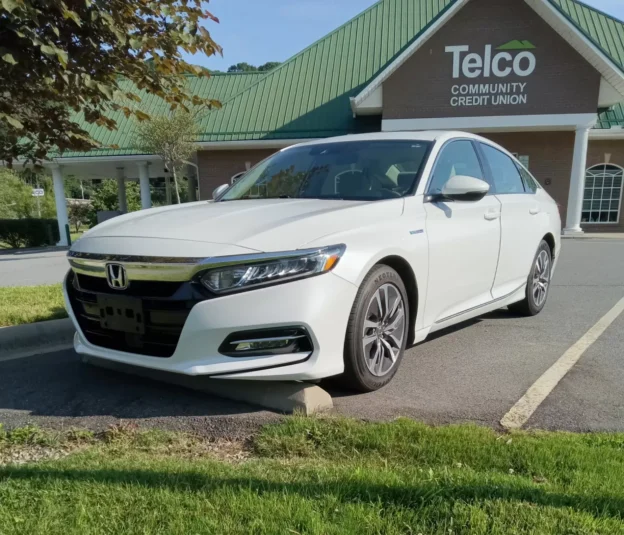
Want to skip auctions and browse repo cars directly from banks?
Repo cars, trucks, RVs and other repossessed finds need careful checking before you bid or
make an offer. Sales often come through banks, credit unions or lender partners, so the process
may feel less familiar than a regular dealer purchase.
Use a checklist to judge the listing price alongside condition, documents, pickup rules and repair
needs. RVs, boats, trailers and work trucks may also need special loading plans or release
timing.
Confirm the Sale Terms First
Confirm who controls the sale and how that seller wants buyers to proceed, because repo
listings don’t always follow one format. Repo sales may use direct lender contact, sealed bids or
online offers. Ask whether inspection is allowed before payment and whether a deposit is
refundable if the asset is not as described.
Get the basic terms in writing before you move forward:
● Title status
● Payment methods
● Storage fees
● Pickup deadline
Plan Pickup Before the Deal Closes
Pickup planning belongs near the start because repo assets may be stored at a tow yard,
auction lot, repair shop or lender facility. Ask for the exact address and release process. If the
vehicle doesn’t run, ask whether it rolls, steers and brakes well enough for loading.
Questions about long-distance buying, including can you buy a car overseas and import it,
belong in the same planning stage because delivery, title release and registration paperwork
need to match the way the vehicle is being moved. Confirm who will be available when the
carrier or buyer arrives.
Match the Inspection to the Asset
Use the type of repo to decide what the inspection should cover instead of applying the same
review to every listing. Cars and SUVs need checks for warning lights, tires, brakes, fluids and
signs of accident repair. Trucks need attention around the bed, hitch and suspension if they may
have been used for towing or job work.
RVs need a slower review because the living area has systems that a normal vehicle inspection
won’t cover. Roof seams, soft flooring, plumbing, slide-outs, appliances and batteries should all
be checked, and used RV water damage needs attention when stains, mold or weak spots show
up inside.
Review the Title and Registration Path
Before treating the sale price as the final value, review the title wording because it can affect
registration, insurance and resale later. Ask whether the title is clean, rebuilt, salvage, bonded
or missing. Then compare the VIN, hull number or trailer identification number with the
document before payment is completed.
A branded title can mean prior damage, an insurance loss or a repaired salvage vehicle, and
rebuilt title concerns often come down to repair proof and state inspection rules. RVs, trailers,
boats and equipment may also have separate documents, so ask exactly what will be signed
over at release.
Build the Budget Around the Whole Purchase
Work out the full cost by adding the offer amount to buyer fees, taxes, delivery, storage,
registration and early repairs. Batteries, tires and basic service items can change what the
listing is really worth to you, especially with RVs and larger vehicles that may have been sitting
for a while.
While you compare listings and place offers, keep that full number in front of you so the
documents, condition and pickup details are reviewed before you commit.