

Tag Archives: used cars

filling out financing paperwork

How to Get a Pre Approved Car Loan

This entry was posted in Financing and tagged , , , on by .

Getting a pre-approved car loan can significantly enhance your car buying experience. It simplifies the purchase process, provides you with a clear budget and gives you leverage when negotiating prices with car dealers. Let’s look through the steps to secure a pre-approved car loan, making your next car purchase smoother and more efficient.

Understand Your Credit Score

Your credit score plays a crucial role in the loan approval process, influencing not only your eligibility but also the interest rates you’ll be offered. Before applying for a pre-approved loan, check your credit score through one of the major credit bureaus. A higher score increases your chances of getting a better loan offer. If your score is lower than expected, consider delaying your car purchase and taking steps to improve it.

Determine Your Budget

Knowing how much car you can afford is essential before seeking pre-approval. Consider your monthly income and expenses to determine how much you can comfortably allocate towards car payments, insurance, maintenance and fuel. A general rule is that your car payment should not exceed 20% of your monthly take-home pay.

Gather Necessary Documentation

Lenders will require several documents to process your pre-approval application. These typically include proof of income (such as pay stubs or tax returns), proof of residence (utility bills or a lease agreement) and identification documents. Having these documents ready can speed up the pre-approval process.

Shop Around for Lenders

Don’t settle for the first lender you come across. Banks, credit unions and online lenders all offer car loans, and their terms can vary significantly. Apply to multiple lenders to compare rates and terms. Remember, applying for pre-approval from multiple lenders within a short period (typically 14 to 45 days) will only count as a single inquiry on your credit report, minimizing the impact on your credit score.

Read the Fine Print

Once you receive a pre-approved loan offer, carefully review the terms and conditions. Pay special attention to the interest rate, loan duration, monthly payments and any fees or penalties. Ensure you understand all aspects of the loan agreement before accepting.

Leverage Your Pre-Approval

With a pre-approved loan in hand, you’re essentially a cash buyer. This status gives you the upper hand in negotiations, allowing you to focus on getting the best price for the car rather than worrying about financing. However, don’t disclose the details of your pre-approval to the dealer until you’ve agreed on a price.

Finalize the Loan

After negotiating the car price, provide the dealer or seller with the details of your pre-approved loan. They will coordinate with the lender to finalize the sale. In some cases, the lender may require additional documentation or perform a final credit check before releasing the funds.

Review and Sign the Paperwork

Once everything is approved, review all the sales and loan documents carefully before signing. Ensure that the terms match those of your pre-approval and that there are no additional fees or charges.

By following these steps, you can secure a pre-approved car loan that fits your budget and meets your needs, making the car buying process more manageable and enjoyable. Remember, preparation and research are key to getting the best deal on both your new car and your car loan.

RepoFinder is the largest bank repo list in America. You can find great deals through lenders and banks in your area. They are highly motivated sellers who are often willing to negotiate, and you may even be able to secure financing with them. Find your perfect car today. 

newspaper with cars

I Lost the Title to My Vehicle. How Do I Get a New One?

This entry was posted in Repo Cars and tagged , , , on by .

Losing the title to your vehicle can be a stressful experience, but the good news is that getting a replacement is a straightforward process. A certificate of title establishes ownership of a vehicle, so you will need it when registering or selling your car.

Below is more information about the necessary steps required to obtain a new title for your vehicle. We hope this makes it easier to navigate the paperwork efficiently and get back on track!

Verify Your Ownership 

Before applying for a replacement title, you need to confirm that you are the legal owner of the vehicle. There are different ways to do this, such as by contacting your local DMV or running a VIN check. Keep in mind that most car owners won’t receive the title until they’ve fully repaid their car loan, or they paid cash for the vehicle. 

Gather Required Documentation 

In order to replace a car title, you’ll need to fill out paperwork with your vehicle’s information. Each state has different requirements, so check with yours to know what to expect. In general, replacement title applications require the following: 

  • VIN number
  • Year, make and model
  • License plate number
  • Odometer reading
  • Proof of ownership 
  • Lienholder
  • Driver’s license 
  • Fees – there are fees for this service 

Complete the Title Replacement Application 

Most states allow car owners to apply for a replacement title online, by mail or in person at the DMV. Once you fill out the application, it’s submitted to the local DMV, and you will receive the title by mail in two to six weeks. Most states require the fees to be paid at this time, and a photocopy of your driver’s license to be submitted. 

Browse Repossessed Vehicles with Clean Titles! 

Losing the title to your vehicle may seem like a hassle, but the process of obtaining a replacement is fairly straightforward. Once you have your car’s title, you can move forward with registering or selling your vehicle. 

RepoFinder has the largest bank repo list in America! We have links to banks and credit unions in all 50 states that are selling their repo inventory, including cars, trucks, SUVs and recreational vehicles. Since you are buying the vehicles directly from the seller, you are getting a true repo at a significantly discounted price.

Visit RepoFinder.com today and browse our vehicles. They are in good condition and come with clean titles! 

getting car ready to sell

How to Get Your Car Ready to Sell

This entry was posted in Used Cars and tagged , , on by .

Selling your car can be a rewarding experience, especially if you have your sights set on something new. The money you get from your current vehicle can help you pay for your new car, or at least be put towards a down payment and title/registration fees. However, preparing your vehicle for sale is a bit more difficult, as you’ll need to attract potential buyers and secure a fair deal. 

Whether you’re considering a new, used or repossessed vehicle, let us walk you through the essential steps to getting your car ready to sell. From detailing and maintenance to paperwork and marketing strategies, every detail matters! 

Clean and Detail Your Car 

First impressions matter, and a clean, well-maintained car is more likely to capture the attention of potential buyers. Give your vehicle a thorough cleaning both inside and out. This may include washing and waxing the exterior, cleaning the interior, vacuuming carpets and addressing any odors. 

Some sellers spend the money to get their car detailed, so you might want to look into this if your car is dirty or has odors. Car detailing prices vary depending on your location, the size of your vehicle and the condition of your vehicle, but you can expect to spend between $50 and $300. 

Conduct Necessary Repairs 

Addressing minor repairs and maintenance issues can significantly enhance your car’s appeal. From changing fluids and replacing worn-out parts to fixing dents and scratches, a well-maintained car signals to buyers that it has been cared for and is in good condition. 

You don’t need to go overboard with repairs since you will be selling the vehicle as-is, but it’s still important to address major issues. And, make sure that you are honest with potential buyers about repairs that will need to be made in the near future. 

Gather and Organize Maintenance Records 

Buyers appreciate transparency when it comes to a vehicle’s maintenance history. Compile and organize all relevant maintenance records, including receipts for recent repairs, oil changes and other services. Presenting a comprehensive history can build trust with potential buyers and allow them to pick up with the appropriate maintenance. 

Determine the Market Value 

Research the current market value of your car to establish a competitive and realistic selling price. Online tools and vehicle valuation websites can provide insights into the fair market value based on factors such as make, model, year, mileage and overall condition. Be willing to negotiate as well. 

Take High-Quality Photos 

Quality photos are essential for creating an attractive online listing. Provide potential buyers with clear images that showcase your car’s exterior, interior and key features. A well-photographed listing can significantly increase the chances of generating interest. Most people do their car shopping online and rely on pictures and videos. 

Create a Compelling Listing 

Craft a detailed and honest description of your car for the online listing. Highlight key features, recent maintenance and any unique selling points. Be transparent about the vehicle’s condition and any issues it may have. A well-written listing will not only attract serious buyers but also the right buyers. 

Advertise Effectively 

Choose the right platforms to advertise your car. Online classifieds, automotive marketplaces and social media can be effective channels. Many people start with social media because it’s free and can reach a wide range of people, particularly in your local area. Be sure to include a compelling headline, detailed description and high-quality photos.

Get a Pre-Sale Inspection 

Consider getting a pre-sale inspection from a trusted mechanic. This not only provides potential buyers with confidence in the vehicle’s condition but also allows you to address any last-minute issues that may arise during the selling process.

Prepare Necessary Documents 

Gather all necessary paperwork, including the title, maintenance records and a bill of sale. Ensure that you have all required documents ready for a smooth and legal transaction. Check with your local Department of Motor Vehicles (DMV) for specific requirements in your area.

Collect Your Funds 

For safety reasons, we recommend completing a car transaction in a public place. Using cash is the most straightforward way to handle the transaction, but it can also be risky. Also, keep in mind that the IRS requires disclosure when sales top $10,000. 

Other ways to accept money for your vehicle include a bank transfer, certified check, cashier’s check or digital payment service. Once you have this money, you can use it to help pay for your next vehicle! 

Shop for Repossessed Vehicles in Your Area 

By following these steps, you can ensure that your car is well-prepared for sale, attracting serious buyers and facilitating a smooth selling process. And, once you sell your vehicle, you can start shopping for a new one! 

At RepoFinder, you can buy repossessions directly from local banks and credit unions. Repo vehicles are priced to sell, and banks and credit unions are highly motivated, which means you may be able to negotiate an even lower offer. Visit us today and browse our featured vehicles! 

car as a Christmas present

How to Give a Car as a Christmas Gift

Now that the holidays are in full swing, you’ve probably seen countless ads for cars. But do people really buy cars as holiday gifts? Some do! This is why auto companies and dealers push holiday advertisements – they recognize that people indulge in each other during the holidays. Even though cars are expensive, people are primed to make extravagant purchases during Christmastime. 

So, if you plan on buying someone special a new vehicle, here are some tips to follow. 

Understand the Recipient’s Preferences

Consider the recipient’s lifestyle, preferences and needs. Do they have a particular make, model or color in mind? Will they be transporting kids, pets or sports equipment? Do they do a lot of highway or city driving, or do they stick to rural or suburban streets? It’s a common misstep to pick out a vehicle that YOU like, but you need to think about who you are gifting the car to. 

Financial and Legal Considerations

Determine your budget for the gift. Buying a car involves various costs, including purchase price, taxes, registration, insurance and potential ongoing expenses. Some people pay the upfront costs of the vehicle, and then the recipient makes the monthly payments. Others buy the car outright or make the payments each month. Either way, make sure you establish who is paying for what. 

Ownership and Documentation

Understand the legal requirements for transferring ownership. Have all necessary documents ready, including the title, bill of sale and any required transfer forms specific to your state or country.

Choosing the Right Car

Decide whether you’ll gift a brand-new car or a pre-owned one. Both options have their merits, with new cars offering the latest features and warranties, while used cars may provide more value for your budget. 

Another option is a repossessed vehicle. A repo car is one that was taken from its previous owner for defaulting on their loan. In many cases, repo cars are newer and in good condition. And, you’re only paying a fraction of the cost for them! 

Keeping It a Surprise

Decide on the best way to surprise the person with the car. This is the best part! You could stage an elaborate reveal on Christmas morning, present keys in a creatively wrapped box or arrange a scavenger hunt leading to the vehicle.

Handling Logistics

Sort out insurance coverage before presenting the car. Arrange for temporary insurance if necessary, and be prepared to transfer the registration into the recipient’s name promptly. Furthermore, plan the logistics of delivering the car. Will you drive it home or arrange for transport? 

Gifting a car is a gesture of immense thoughtfulness and generosity. By planning meticulously and considering the recipient’s preferences and needs, you can make this Christmas a truly unforgettable experience with the gift of a car. To shop for repossessed vehicles in your area, visit RepoFinder today!

person looking at car reports online

Carfax Red Flags: What to Look for in the Report

When shopping for a used or repossessed car, arming yourself with information about a vehicle’s history is paramount. Carfax reports serve as a crucial tool, offering insights into a car’s past, including accidents, maintenance records and ownership history. However, not all reports are spotless, and understanding how to identify potential red flags within a Carfax report is vital. 

Here’s a guide on what to look for when deciphering Carfax red flags.

Reported Accidents

Carfax may indicate if a vehicle has been in accidents. Pay attention to the severity and the extent of damage reported. Multiple accidents or instances of severe damage could raise concerns about the car’s structural integrity.

Title Issues

Cars declared salvage or rebuilt have undergone significant damage and subsequent repairs. Be cautious, as these vehicles might have hidden issues, compromised safety and lower resale value. Furthermore, they can be more costly to finance, insure and repair, which means the initial savings won’t be worth it in the long run. 

Odometer Discrepancies

Check for irregularities in recorded mileage by comparing the numbers in the report with the current odometer readings. An inconsistent or rolled-back odometer reading could indicate tampering and potential odometer fraud. Also, make sure the miles the vehicle has are logical. The average person drives 13,500 miles per year, or more than 1,000 miles per month. 

Service and Maintenance Records

Lack of maintenance records might indicate neglected upkeep, potentially leading to unforeseen mechanical problems. Conversely, a well-documented maintenance history is a positive indicator of responsible ownership. Repossessed vehicles, in particular, are not always well taken care of, as the original owner was having trouble making their payments. Pay especially close attention to vehicle history reports if you’re buying a repo car. 

Number of Owners and Usage

A car that has changed hands numerous times within a short period might suggest underlying issues or dissatisfaction among previous owners. Also watch for cars that were previously used as fleet vehicles or rentals, as they can be particularly vulnerable to heavy wear and tear. 

Recall Information

Be aware of any pending recalls that haven’t been addressed. These unresolved issues might pose safety risks or signal potential problems that need attention. Again, if the previous owner was neglecting their vehicle, chances are, they didn’t address any recalls. 

Structural Damage

Reports of structural or frame damage are significant red flags. This damage is similar to having a broken skeleton! Such damage can compromise the vehicle’s safety and structural integrity, impacting its long-term reliability. Additionally, cars affected by floods can suffer from electrical issues, corrosion and long-term damage. Look for any indication of flood damage in the report.

Additional Considerations

A car with existing liens could lead to complications in transferring ownership. It’s best to stay away from these vehicles to avoid future surprises. Additionally, reports of failed emissions tests might signal underlying mechanical issues affecting the vehicle’s environmental compliance.

Final Thoughts

While Carfax reports offer valuable insights, they might not always reveal every detail about a vehicle’s history. Combine the report’s information with a comprehensive inspection by a trusted mechanic to thoroughly evaluate the car’s condition. 

RepoFinder is the largest bank repo list in America. Browse the repossessions we have available – there are banks and lenders in all 50 states selling their repo inventory. They are highly motivated to sell, which means you can get a great vehicle at a fair price. But, as always, be an informed buyer, as cars are a significant investment!  

mud and snow tires

Pros and Cons of Mud and Snow Tires

This entry was posted in Outdoor Vehicles and tagged , , on by .

When it comes to driving in challenging road conditions, the right set of tires can make a significant difference in your driving experience. Mud and Snow (M+S) tires, commonly known as all-terrain or all-season tires, are designed to provide better traction and handling in a variety of adverse weather conditions. 

Let’s explore the pros and cons of these specialized tires to help you decide if they’re the right choice for your new, used or repossessed vehicle.

Pros of Mud and Snow Tires

Enhanced Traction: M+S tires are engineered with deeper treads and unique patterns designed to provide better grip on slippery surfaces such as mud, snow and ice. This improved traction can significantly enhance your vehicle’s stability and handling in challenging conditions.

Versatility: All-terrain tires are designed to perform reasonably well in a variety of weather conditions. Whether it’s light snow, rain-soaked roads or unpaved terrain, these tires offer versatility, making them suitable for drivers facing varied climates and terrains.

Off-Road Capabilities: If you frequently drive off-road or on rough terrain, M+S tires offer better performance compared to standard tires. Their aggressive tread patterns and durable construction provide the necessary grip and durability to tackle uneven surfaces and muddy tracks.

Year-Round Convenience: For drivers who don’t want the hassle of changing tires with every seasonal shift, all-terrain tires offer a convenient year-round solution. They strike a balance between adequate performance in different conditions without the need for frequent tire changes.

Cons of Mud and Snow Tires

Slightly Reduced Fuel Efficiency: The aggressive tread patterns and design that offer better traction can also lead to increased rolling resistance. This can marginally impact fuel efficiency compared to standard tires.

Noise and Ride Comfort: All-terrain tires tend to produce more road noise due to their deeper treads and rugged design. Additionally, their stiffer sidewalls can lead to a slightly firmer ride, which may affect overall comfort, especially on smoother roads.

Performance Trade-offs: While M+S tires excel in various conditions, they might not provide the optimal performance that specialized tires offer in extreme situations. For instance, dedicated winter tires might outperform all-terrain tires in severe snow and ice conditions.

Shortened Lifespan: The aggressive tread patterns that enhance traction can also lead to faster tread wear compared to standard tires. Depending on driving habits and road conditions, the lifespan of all-terrain tires might be shorter.

Final Thoughts

Mud and Snow tires offer a compelling balance between performance, versatility and convenience for drivers facing diverse road conditions. They provide enhanced traction and reliability in adverse weather and off-road situations, albeit with some trade-offs in terms of noise, ride comfort and reduced fuel efficiency.

Before making a decision, consider your driving habits, the weather conditions in your area and the specific terrain you frequently encounter. To start your search for a repossessed vehicle at a fraction of the price of new, visit RepoFinder.com. If you budget for repairs and maintenance, you can get a great vehicle and new tires. 

repossessed car

Is a Repossessed Car Right for You? Factors to Consider Before Making a Purchase

Repossessed cars, vehicles seized by lenders due to non-payment, often find their way back into the market as repossessed or “repo” cars. While these vehicles can offer potential cost savings, purchasing a repossessed car requires careful consideration. By being a smart shopper, you can find a repo car at a great price without sacrificing quality or dependability. 

Let’s cover the key factors to consider before deciding if a repossessed car is the right choice for you. 

Condition of the Vehicle

Repossessed cars vary widely in terms of condition. Some might be well-maintained, while others could have been neglected or poorly cared for. Assess the vehicle’s condition so that you have a good idea of what problems you may be taking on. Keep in mind that repo vehicles do not come with a warranty, so you’ll inherit whatever problems come with the car

That being said, it’s a common misconception that all repo cars are in poor condition. It’s not uncommon for people to ‘overbuy’ on a luxury or fully loaded vehicle and then not be able to afford the payments. So, it’s very likely that you can get a repo car that’s like new! At the same time, people who aren’t making their car payments are probably not paying for maintenance, so pay close attention to the condition. 

Vehicle History and Documentation

Every vehicle has a history, including repossessed cars. You might know less about the car, but there’s still a record on file. Request comprehensive vehicle history reports and documentation to understand the car’s maintenance records, accident history and any outstanding liens. This information helps in making an informed decision about the purchase. You can look up vin reports on a number of websites such as CarFax and Kelley Blue Book. 

Potential Cost Savings

Repossessed cars are often sold at auctions or by lenders at lower prices than their market value, presenting an opportunity for cost savings. But, make sure that you are buying a real repo! Many dealerships will buy repo cars, fix them up and sell them at a higher price, which means you’re not getting a true repo. Buying direct from a lender or bank ensures you’re getting a real repo at a discounted price. 

Auction Process

Buying from auctions can be competitive and fast-paced. Understand the auction process, including bidding rules and fees. Each auction runs a bit differently, so it’s important to brush up on the rules before you place a bid. Also, understand the difference between open and closed bids. Open bids are where you can see what other people are bidding, whereas closed bids you cannot. 

Mechanical Inspection and Test Drive

Prioritize a thorough mechanical inspection by a qualified mechanic. If possible, request a test drive to assess the car’s performance, ensuring it meets your expectations and requirements. Not all repo sellers will allow you to take the car for a test drive because of liability issues, but you can still have a thorough inspection done. 

Find Repossessed Cars Near You 

Deciding whether a repossessed car is the right choice requires careful evaluation of various factors, including the vehicle’s condition, history, cost savings and potential risks. By weighing these factors, you can make an informed decision that best suits your needs. RepoFinder.com has a directory of links from banks and lenders that are selling their repo inventory. These are true repos, available to the public. Save money and find a great car on RepoFinder.com today! 

car in winter

Essential Tips for Winterizing Your Vehicle

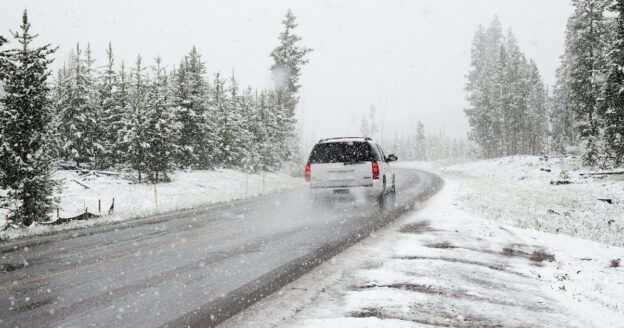
As the temperatures drop and the days grow shorter, it’s time to prepare your vehicle for the long and harsh winter season. Winterizing your vehicle is not just about ensuring your comfort on the road. It’s also a crucial step in maintaining safety on icy roads and in harsh weather conditions. 

Below is a comprehensive guide to winterizing your vehicle, ensuring you stay on the road with confidence during the coldest months of the year.

Check Your Fluids

One of the first steps in winterizing your vehicle is to check and change essential fluids. Make sure that your oil, coolant and windshield washer fluid are at the recommended levels. You can check them at home or at your next oil change. If you have an oil change scheduled, make sure all fluids are topped off. Also, consider using a winter-grade windshield washer fluid that won’t freeze in cold temperatures.

Inspect Your Tires

Your tires are the only point of contact between your vehicle and the road, making them crucial for winter safety. Check the tread depth and tire pressure regularly. Tire treads that are below 1.6 millimeters lack grip and will interfere with your braking and control. If this is the case, consider investing in winter tires, designed to provide better traction in snow and icy conditions.

Battery Health

Cold weather can be tough on your vehicle’s battery, especially if you leave it parked outside. Check the battery’s charge and clean any corrosion on the terminals. If your battery is more than three years old, consider having it tested or replaced. Fortunately, car batteries are fairly inexpensive and can be installed on your own

Heating and Defrosting Systems

Ensure that your heating and defrosting systems are in proper working condition. You don’t want to find out that your heater isn’t working on a freezing morning as many of us unfortunately do! Also, check your window defrosters and replace any malfunctioning components.

Brake Inspection

Brakes are critical for winter driving safety. Have your brakes inspected to ensure they are in good condition. Any type of squealing or grinding can indicate brake problems, and you don’t want these when you’re driving on snowy or icy roads. Replace worn brake pads and make sure your brake fluid is at the recommended level as well. 

Emergency Kit

Create or update your winter emergency kit. Include items such as a blanket, extra clothing, non-perishable snacks, a flashlight and a first aid kit. Also, consider adding a small shovel and ice scraper to help you handle unexpected winter weather challenges.

Engine Block Heater

If you live in an extremely cold climate, consider using an engine block heater. This device warms the engine, making it easier to start in frigid temperatures. It can also improve fuel efficiency during short trips in the cold.

Check Lights and Wipers

Visibility is crucial during winter driving. Test all your lights to make sure they are working correctly, including headlights, brake lights and turn signals. Replace any burnt-out bulbs – this is a DIY job and not too expensive. Additionally, check and replace worn wiper blades to maintain clear visibility.

Keep the Fuel Tank Full

We know that gas prices are expensive, but try to keep your fuel tank at least half full during the winter months. This prevents the fuel line from freezing and provides extra weight over the rear axle, improving traction in slippery conditions.

Regular Maintenance

Lastly, adhere to your vehicle’s regular maintenance schedule. A well-maintained vehicle is more likely to handle the challenges of winter driving. Regular oil changes, air filter replacements and other routine maintenance tasks will keep your vehicle in good condition. 

Get Your Car Ready for Winter 

Winterizing your vehicle is an investment in both safety and peace of mind during the coldest months of the year. By following these tips, you’ll be better prepared to navigate winter roads and ensure a smooth and secure journey. 

If you don’t think your car can handle another winter, visit RepoFinder.com. We provide an organized directory of links to banks, lenders and credit unions that are selling their repo inventory. You can find great cars at great prices – and you won’t have to fear your vehicle breaking down at the worst time! 

blue vehicle

Is Owning Two Cars Worth it for a Single Driver?

This entry was posted in Repo Cars and tagged , , on by .

The decision to own two cars is one that many households grapple with. While the idea of having multiple vehicles offers convenience and flexibility, it also comes with its share of expenses and responsibilities. However, if you have multiple drivers in the household, you lack access to good public transportation or you plan to rent out your car for extra money, having two vehicles makes practical sense.

Let’s explore the various factors you should consider when contemplating owning two cars. Having all the information upfront can help you make an informed decision for your needs, sanity and wallet. 

Evaluate Your Transportation Needs

The first step in determining whether owning two cars is worth it is to assess your transportation needs. Consider your daily commute, family size and lifestyle. If both adults in the household work or have different schedules, having two cars might provide the necessary convenience. Additionally, if public transportation is limited in your area or you have children with various activities, owning multiple cars can save valuable time and effort.

Financial Considerations

Owning two cars inevitably means higher expenses. Take into account the cost of purchasing, insurance, registration, maintenance and fuel for both vehicles. Create a detailed budget so that you can visualize the financial implications and assess whether your income comfortably accommodates these additional costs. Factor in unexpected expenses, such as repairs and emergencies, to ensure you’re financially prepared for the long run.

Environmental Impact

From an environmental perspective, owning multiple cars contributes to increased carbon emissions and pollution. If you’re environmentally conscious, consider alternative options such as carpooling, public transportation or investing in eco-friendly vehicles like electric cars. These choices not only reduce your environmental footprint but also save money on fuel costs in the long term.

Maintenance and Repairs

Maintaining and repairing two cars requires time and money. Regular servicing, tire replacements and unexpected repairs can add up quickly. It’s essential to consider the reliability of your vehicles and their potential maintenance costs. If one of your cars is relatively new and reliable, it might be more cost-effective to maintain it properly rather than investing in a second vehicle.

Parking and Storage

Having two cars necessitates adequate parking space, both at home and work. If you live in an area with limited parking or high parking fees, owning an extra car can be a significant inconvenience and expense. Additionally, consider the available storage space, especially if you plan to keep a spare vehicle for extended periods. Storage costs can quickly accumulate if you don’t have the space at home.

Save Money on a Second Car

If it’s time to upgrade to two vehicles, consider repos rather than new and used cars at the dealership. You can find a great selection of vehicles on RepoFinder, and many of them are in great condition with low mileage.

With so many options to choose from, you can reap the benefits of having a second car without having to pay through the roof. Plus, if owning a second car allows you to take on another work shift or rent the vehicle out for money, you can actually offset the costs of owning another vehicle. 

Visit RepoFinder.com to search for repossessed cars at heavily discounted prices. You are buying repos direct from the seller, with no markups! This is how you buy a true repo and save real money! 

saving money for car repairs

Putting Away Money for Car Emergencies

Owning a car provides convenience and freedom, but it also comes with responsibilities, especially when it comes to unexpected expenses. Car emergencies can happen to anyone, from a sudden breakdown on the highway to unexpected repairs that can put a dent in your budget. That’s why it’s crucial to have a financial safety net in place to handle these unforeseen situations. 

Let’s discuss the importance of putting away money for car emergencies and how it can provide you with the ultimate peace of mind.

Expect the Unexpected

Cars, no matter how well-maintained, can surprise you with unexpected issues. A flat tire, a malfunctioning engine or a broken transmission can occur without warning. Having money set aside specifically for car emergencies ensures that you are financially prepared when these situations arise, preventing you from dipping into your regular budget or, worse, going into debt.

Create a Car Emergency Fund

Start by creating a separate savings account specifically designated for car emergencies. Determine a monthly or bi-monthly amount you can comfortably set aside. Even if it’s a small sum, consistent contributions can add up over time. Treat this fund as non-negotiable, just like paying your bills, to ensure it grows steadily.

Budget for Regular Maintenance

Preventative maintenance is key to avoiding many car emergencies. Regular oil changes, tire rotations and check-ups can help you identify potential issues before they become major problems. Budget for these maintenance tasks separately and stick to the schedule. By keeping your car in good condition, you reduce the risk of unexpected breakdowns.

Avoid the Debt Trap

Relying on credit cards or loans to cover car repairs can lead to a cycle of debt that’s hard to break. By having an emergency fund, you can handle repairs or unexpected expenses without resorting to borrowing, saving yourself from high-interest rates and long-term financial stress.

Be Prepared for Various Scenarios

Car emergencies can vary in cost and complexity. Your emergency fund should be able to cover a range of situations, from minor repairs to major replacements. Research the average costs of common car repairs in your area to have a realistic target for your emergency fund.

Regularly Reassess and Replenish

Life circumstances change, and so should your emergency fund goals. As your income increases or your expenses decrease, consider increasing your contributions to your car emergency fund. Additionally, if you ever need to use the fund for a car emergency, make it a priority to replenish the amount as soon as possible.

Save Money on Vehicles with RepoFinder

Having a dedicated fund for car emergencies is financially smart. By planning ahead, budgeting for regular maintenance and being prepared for unexpected scenarios, you can navigate car emergencies without compromising your financial stability. 

RepoFinder.com has a great selection of repo cars, trucks and SUVs being sold by lenders and credit unions. These vehicles were taken from their owners for defaulting on their loans, and they are now being sold at highly discounted prices. Repos are a great way to save money while being able to put more money away for maintenance and repairs. Find your dream car today!