

Want to skip auctions and browse repo cars directly from banks?
Getting into a car crash is stressful enough, but things get even more complicated when a bank is already taking back the car involved. Many people in Columbia, South Carolina, find themselves in a tough spot when their vehicle is in the middle of a repossession process after a collision. It creates a messy legal situation where the bank and the driver both have interests in the same piece of property.
When a car is repossessed, the ownership rights shift in ways that most people do not expect. This change impacts who can file a claim and how much money might be available for repairs or medical bills. Understanding how Columbia car accident victims who own repossessed vehicles face compensation challenges is the first step toward figuring out what to do next after a crash in the Palmetto State.
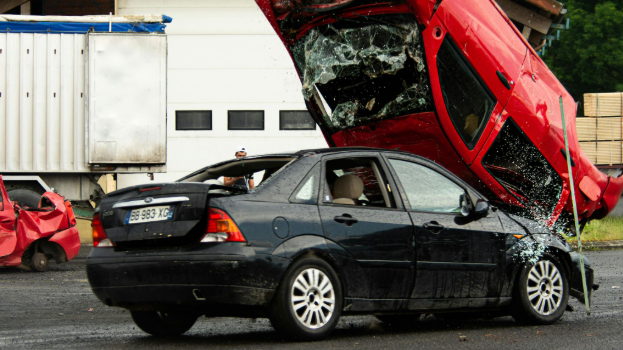
How Repossession Affects Your Legal Rights After a Crash?
In South Carolina, under the Uniform Commercial Code, insurance payouts are considered proceeds of the collateral. If your car is totaled during or near repossession, the lender typically has the primary claim to the insurance check to cover the remaining loan. If the payout is less than your debt, you may still owe a balance even if you lose the vehicle. The insurance company determines distribution based on the title and lienholder status at the time of the loss.
A car crash involving a repossessed vehicle on a busy Columbia road adds layers of complexity to compensation claims, as questions of liability, vehicle custody, and insurance priority can quickly become disputed. A Columbia car accident lawyer at Stewart Law Offices, recognized by SuperLawyers, can help you look at your specific loan contract to see how these liens impact your case. You can visit their Columbia office to meet attorneys in person, or you can visit the website to learn more about how legal teams assist with complex vehicle claims. Managing the intersection of property law and personal injury is essential to ensuring you aren’t left holding the bill for a vehicle you no longer possess.
Who Actually Owns The Car At The Time Of The Impact?
The exact timing of the repossession matters immensely under SC Code Section 37-5-110, which governs the right to cure a default. If the repo agent had already hooked the car to the tow truck, the lender likely has full control over the property damage claim. If the driver was still in possession, they might have more leverage, but the lienholder still must be paid first.
How Do Liens Affect Your Insurance Payout?
A lien is a legal claim a bank has on your property. In Columbia, South Carolina, most car loans include a clause that requires insurance payouts to protect the lender. This means even if the accident was not your fault, you might not see a dime of the property damage money until the bank is satisfied.
What Happens To Your Personal Injury Claim?
The good news is that while the car itself might belong to the bank, your body does not. Your right to seek money for medical bills, lost work time, and pain remains yours. The repo status of the car should not legally reduce the value of your physical injuries or your emotional distress.
However, if you cannot get to your doctor’s appointments because your car was taken away, it can hurt your medical recovery. In Columbia, SC, missing treatments at local facilities like Prisma Health can lead the insurance company to claim you aren’t actually hurt. This creates a secondary challenge where the loss of the vehicle indirectly damages the value of your personal injury case.
The legal team at Stewart Law Offices operates from their local branch at 10 Calendar Ct # 100, Columbia, SC 29206, United States, where victims can call (803) 743-4200 to discuss their vehicle claim.
Why Is Evidence Preservation Difficult With Repossessed Cars?
Spoliation is a legal term for when evidence is destroyed or lost. When a car is repossessed after a crash, the bank usually wants to sell it at an auction as fast as possible to recover its money. This is a major problem if you need to download data from the car’s black box or take photos of the mechanical failure that caused the wreck.
“A repossessed vehicle is a ticking clock for evidence; if the lender sells that car at auction before we secure the black box data, the most objective witness to your accident is gone forever,” noted Stephen Suggs, a Columbia car accident attorney. E-discovery loss occurs if a bank sells a wrecked car before data on speed or braking is retrieved. To prevent this, lawyers send spoliation letters legally requiring lenders to preserve the vehicle as vital evidence for your case.
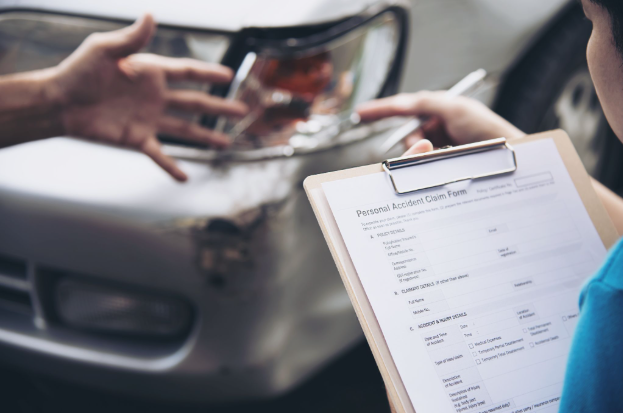
How Do Insurance Companies Handle Repossessed Vehicle Claims?
Insurance adjusters often see repossessed vehicles as a way to lower the amount they have to pay out. They might argue that the vehicle had less value because it was in default. Recent data highlights the scale of this issue across the country:
- According to the Consumer Financial Protection Bureau, the average outstanding balance for consumers who still owed money after a repossession reached over $11,000 by late 2022.
- As of the third quarter of 2025, seasonally adjusted auto loan delinquency rates for households in low and moderate-income areas rose by as much as 70 basis points.
Common Questions About Repossessed Vehicle Wrecks
Can I still sue if my car was repossessed after the accident?
Yes, you can still pursue a claim for your injuries and any equity you had in the car. The repossession does not erase the other driver’s responsibility for hitting you.
Will the insurance money go to me or the bank?
Usually, the money for the car’s physical damage goes to the bank first to pay off your loan. Any money for your medical bills or pain belongs specifically to you.
What happens if I still owe money after the insurance pays?
You are generally responsible for the remaining balance if the insurance payout is lower than your loan. This is often called a deficiency balance and is common in total loss cases.