

TL;DR: Jet Ski, WaveRunner, Sea-Doo, and personal watercraft repos may offer savings compared with dealership inventory. Before buying, inspect the engine, jet pump, impeller, wear ring, hull, cooling system, electronics, steering, reverse system, storage history, and trailer. Most bank-owned PWCs are sold as-is, so calculate transportation, maintenance, registration, and repair expenses before making an offer.
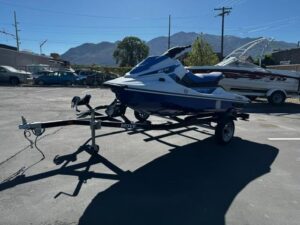 Looking for jet ski repos? Whether you call them Jet Skis, WaveRunners, Sea-Doos, or personal watercraft, buying a repossessed PWC from a bank or credit union may provide an opportunity to save money compared with traditional dealership pricing.
Personal watercraft are compact recreational vessels designed for one or more riders. They are used for cruising, towing, fishing, racing, exploring lakes and coastal areas, and general water recreation.
New personal watercraft can be expensive. Entry-level recreational models may cost several thousand dollars, while premium touring and high-performance machines can cost well over $20,000 after freight, setup charges, accessories, taxes, and trailer expenses.
RepoFinder helps buyers locate bank-owned watercraft offered directly by banks, credit unions, and other financial institutions throughout the United States. Buyers searching for larger vessels can also browse boat repos for sale.
What Is a Repo Personal Watercraft?
A repo personal watercraft is a Jet Ski, WaveRunner, Sea-Doo, or other PWC recovered by a bank, credit union, finance company, or lender after the borrower defaulted on the loan.
After repossession, the lender may sell the watercraft through a direct listing, fixed-price sale, sealed-bid process, dealer, or auction. The lender generally wants to recover part of the unpaid loan balance rather than operate a traditional marine or powersports dealership.
Repossession does not automatically mean the machine is damaged. Some bank-owned PWCs may be late-model units with low operating hours, while others may have saltwater corrosion, collision damage, poor storage history, neglected maintenance, or mechanical problems.
Jet Ski, WaveRunner, Sea-Doo, and PWC: What Is the Difference?
Many buyers use these names interchangeably, but they do not technically mean the same thing.
- Jet Ski is Kawasaki’s brand name for its personal watercraft.
- WaveRunner is Yamaha’s brand name for its personal watercraft.
- Sea-Doo is the personal watercraft brand produced by BRP.
- Personal watercraft or PWC is the general industry term for this category of vessel.
People often use “Jet Ski” as a generic term for any personal watercraft, just as they may use “WaveRunner” or “Sea-Doo” when discussing similar machines. This guide covers all major makes and models, regardless of brand.
Why Buy a Repo Jet Ski or WaveRunner?
- Potential savings compared with dealership pricing
- Access to late-model personal watercraft
- Recreational, touring, fishing, and performance models may be available
- Popular brands may appear below typical retail asking prices
- Some lenders accept written offers or sealed bids
- Some financial institutions may offer financing
- Direct bank sales may avoid traditional auction buyer fees
- A trailer or accessories may occasionally be included
A repossessed personal watercraft is not automatically a bargain. Buyers should compare the lender’s asking price with similar used machines and subtract the cost of transportation, registration, maintenance, missing equipment, and needed repairs.
Types of Personal Watercraft
Recreational Personal Watercraft
Recreational PWCs are designed for general riding, family use, and casual cruising. They usually offer manageable power, stable handling, seating for multiple riders, and more affordable pricing than premium performance models.
Common examples include the Sea-Doo Spark, Yamaha EX series, and Kawasaki STX models.
Recreational-Light Models
Recreational-light machines are smaller, lighter, and generally less expensive. They can be easier to tow and may appeal to first-time buyers, younger riders, and families buying multiple units.
Touring Personal Watercraft
Touring PWCs emphasize comfort, stability, storage, fuel capacity, and long-distance riding. They may include larger seats, cruise control, adjustable trim, improved wind protection, navigation equipment, and premium audio systems.
Performance Personal Watercraft
Performance models are designed for acceleration, speed, aggressive cornering, and advanced riders. They may feature supercharged engines, reinforced hulls, adjustable trim systems, launch control, and upgraded suspension or steering components.
Fishing Personal Watercraft
Fishing-oriented PWCs may include rod holders, coolers, fish finders, GPS units, extended rear platforms, fuel storage, and mounting systems for marine accessories.
Some manufacturers sell factory fishing configurations, while other machines are modified by their owners.
Stand-Up Jet Skis
Stand-up personal watercraft are designed for a single rider who stands while operating the machine. They require more balance and skill than sit-down models and are commonly used for competition, freestyle riding, and performance recreation.
Electric Personal Watercraft
Electric PWCs use battery-powered propulsion rather than a gasoline engine. Availability remains more limited than traditional models, but electric machines may occasionally appear in lender inventory.
Popular Personal Watercraft Brands
Sea-Doo
Sea-Doo produces recreational, touring, fishing, and performance personal watercraft. Popular model families include:
- Spark
- GTI
- GTX
- GTR
- RXT-X
- RXP-X
- Explorer Pro
- FishPro
Sea-Doo models may include BRP’s Intelligent Brake and Reverse system, closed-loop engine cooling on many models, adjustable trim, and various touring or fishing accessories.
Yamaha WaveRunner
Yamaha produces recreational, touring, performance, and fishing-oriented WaveRunners. Popular model families include:
- JetBlaster
- EX
- VX
- FX
- GP
- SuperJet
Yamaha WaveRunners are often recognized for their marine engines, stable hull designs, RiDE control system, and broad selection of recreational and touring models.
Kawasaki Jet Ski
Kawasaki manufactures recreational, touring, performance, and stand-up personal watercraft. Popular models include:
- STX 160
- Ultra 160
- Ultra 310
- SX-R 160
Kawasaki’s Ultra series includes some of the most powerful touring and performance personal watercraft available.
Taiga
Taiga has produced electric personal watercraft designed to deliver water recreation without a conventional gasoline engine. Electric models require inspection of the battery, charging system, software, and high-voltage components.
Personal Watercraft Brand Comparison
| Brand | Popular Models | Common Uses |
|---|---|---|
| Sea-Doo | Spark, GTI, GTX, GTR, RXP-X, FishPro | Recreation, touring, fishing, and performance |
| Yamaha WaveRunner | EX, VX, FX, GP, JetBlaster, SuperJet | Recreation, touring, fishing, and performance |
| Kawasaki Jet Ski | STX 160, Ultra 160, Ultra 310, SX-R 160 | Touring, performance, and stand-up riding |
| Taiga | Electric PWC models | Electric recreation |
Typical Repo Jet Ski and WaveRunner Prices
| PWC Type | Typical Used or Repo Price |
|---|---|
| Older Recreational PWC | $2,500-$6,000 |
| Late-Model Entry-Level PWC | $5,000-$10,000 |
| Recreational Three-Seat PWC | $7,000-$14,000 |
| Touring PWC | $9,000-$18,000 |
| Fishing PWC | $10,000-$20,000+ |
| High-Performance or Supercharged PWC | $10,000-$22,000+ |
| Stand-Up Jet Ski | $5,000-$13,000+ |
Prices vary by year, make, model, engine, operating hours, condition, trailer inclusion, accessories, location, and seasonal demand.
What Affects a Repo PWC’s Value?
Model Year
Newer personal watercraft generally sell for more because they may include improved hulls, better fuel economy, modern reverse systems, digital displays, audio equipment, navigation features, and newer engine technology.
Operating Hours
Personal watercraft are commonly evaluated by engine hours rather than mileage. A lower-hour machine may be more desirable, but maintenance and storage history are just as important.
An older PWC with low hours may still have problems caused by stale fuel, corrosion, poor winterization, damaged seals, or outdoor storage.
Engine Type
Naturally aspirated engines are generally simpler, while supercharged engines may produce significantly more power and require additional inspection and maintenance.
Freshwater or Saltwater Use
Saltwater use can increase corrosion risk, particularly when the machine was not flushed, rinsed, and maintained correctly after each ride.
Trailer Inclusion
A properly titled and roadworthy trailer can add meaningful value. Buyers should confirm that the trailer is included and inspect it separately from the watercraft.
Accessories
Audio systems, GPS units, fish finders, coolers, boarding ladders, storage bags, covers, safety equipment, and fishing accessories may add value when properly installed.
Seasonal Demand
Prices and buyer competition may increase before and during warm-weather boating season. Buying during fall or winter may provide better negotiating opportunities in some markets.
Naturally Aspirated vs. Supercharged Personal Watercraft
| Feature | Naturally Aspirated | Supercharged |
|---|---|---|
| Power | Moderate and predictable | Higher acceleration and top speed |
| Fuel Use | Generally lower | Generally higher |
| Mechanical Complexity | Simpler | More complex |
| Maintenance Cost | Usually lower | May be higher |
| Best For | Recreation, family use, touring, and lower operating costs | Performance-focused and experienced riders |
A supercharged PWC is not automatically a poor choice, but buyers should confirm the maintenance history and inspect the supercharger system carefully.
What to Inspect Before Buying a Repo Jet Ski or WaveRunner
Most repossessed personal watercraft are sold as-is without a warranty. A thorough inspection may help identify expensive engine, pump, electrical, cooling, and hull problems.
Engine
- Request a cold start when possible
- Listen for knocking, rattling, ticking, or abnormal vibration
- Check for smoke after startup
- Inspect the engine compartment for oil or water
- Look for leaking hoses, seals, or fittings
- Check the oil level and condition
- Inspect motor mounts
- Look for warning lights or stored fault codes
- Check throttle response
- Ask about prior engine repairs
A warm engine may start more easily and conceal cold-start problems. Ask that the machine remain off before your inspection when possible.
Compression
Compression testing may help identify worn rings, valves, cylinders, or internal engine damage. Readings should be compared across cylinders and evaluated according to the manufacturer’s specifications.
- Check for low compression
- Compare all cylinders
- Ask whether the engine has been rebuilt
- Consider a leak-down test when practical
- Check for water intrusion or corrosion
Supercharger
Supercharged personal watercraft require additional inspection because supercharger problems can lead to reduced performance or expensive engine damage.
- Ask whether the supercharger has been serviced or rebuilt
- Review maintenance records
- Listen for abnormal bearing noise
- Check for delayed or inconsistent boost
- Inspect related hoses and clamps
- Ask whether the machine has aftermarket tuning
- Check for warning codes
Service requirements vary by make, model, and year. Confirm the maintenance schedule for the exact machine you are considering.
Jet Pump
The jet pump draws water through the intake grate and forces it through a steering nozzle to propel the watercraft. Damage or wear can reduce acceleration, speed, and efficiency.
- Inspect the pump housing
- Check for corrosion
- Look for foreign-object damage
- Inspect bearings and seals
- Check for unusual pump noise
- Look for signs of water leakage
Impeller
The impeller is a rotating component inside the jet pump. Rocks, sand, ropes, weeds, and other debris can damage its blades.
- Inspect blades for chips or bends
- Look for corrosion
- Check blade clearance
- Look for signs of repair
- Check for vibration under acceleration
A damaged impeller may cause poor acceleration, cavitation, vibration, and reduced top speed.
Wear Ring
The wear ring surrounds the impeller and helps maintain the small clearance needed for efficient thrust. Excessive clearance can allow water to escape around the impeller.
Possible signs of a worn or damaged wear ring include:
- Weak acceleration
- High engine speed without matching forward movement
- Cavitation
- Poor towing performance
- Reduced top speed
Intake Grate
- Inspect for bends or cracks
- Check for missing hardware
- Look for rope or weed damage
- Inspect the surrounding hull area
- Confirm aftermarket grates are securely installed
Steering Nozzle and Reverse System
- Turn the handlebars fully in both directions
- Confirm the steering nozzle moves smoothly
- Inspect linkage and cables
- Test reverse and braking systems
- Check the reverse bucket for cracks or damage
- Look for warning messages
- Confirm the system engages consistently
Cooling System
Personal watercraft use water-based cooling systems, although exact designs vary by manufacturer and model.
- Inspect cooling hoses and clamps
- Look for blockages
- Check for corrosion around fittings
- Inspect flush ports
- Look for overheating warnings
- Check the exhaust cooling system
- Inspect heat exchangers where equipped
- Ask whether the PWC was properly flushed after use
Hull
- Inspect the entire underside
- Look for deep gouges, cracks, holes, or delamination
- Check the bow and rear corners for impact damage
- Inspect the ride plate
- Look for repaired fiberglass or plastic
- Check for mismatched paint or gelcoat
- Inspect the drain plugs
- Look for water inside the hull
Minor scratches are common, but structural cracks, poorly repaired damage, and water intrusion may require expensive repairs.
Seat, Deck, and Storage Areas
- Inspect the seat covering for tears
- Check hinges and latches
- Look for mildew or standing water
- Inspect storage compartments
- Check footwells and traction mats
- Look for sun damage
- Inspect boarding steps and handles
Electrical System
- Check battery age and condition
- Inspect terminals for corrosion
- Test the starter
- Check the display and gauges
- Test trim controls
- Test audio equipment
- Check navigation or fish-finder equipment
- Inspect wiring modifications
- Confirm all keys and security devices are included
Saltwater vs. Freshwater Jet Skis
Both freshwater and saltwater personal watercraft can be good purchases. The important issue is how the machine was used, cleaned, flushed, stored, and maintained.
Freshwater Use
Freshwater generally creates less corrosion than saltwater. However, freshwater PWCs can still experience problems caused by sand, mud, weeds, rocks, invasive species, poor winterization, and long-term moisture exposure.
Saltwater Use
Saltwater can accelerate corrosion in the engine compartment, pump, fasteners, electrical connections, trailer, cooling passages, and exhaust components.
A saltwater PWC may still be in excellent condition when the owner consistently:
- Flushed the cooling and exhaust systems
- Rinsed the hull, pump, and trailer
- Protected metal parts with corrosion inhibitor
- Maintained sacrificial anodes
- Dried and ventilated the engine compartment
- Performed regular maintenance
Saltwater Inspection Points
- Corrosion on bolts and clamps
- White or green deposits on electrical connections
- Corrosion inside the pump
- Rust around the trailer frame and axle
- Blocked cooling passages
- Damaged sacrificial anodes
- Corrosion around the exhaust system
- Salt deposits inside the engine compartment
- Stiff steering or reverse components
- Corroded battery terminals
Do not reject a personal watercraft solely because it was used in saltwater. Instead, inspect it more carefully and verify that proper flushing and maintenance were performed.
Look for Signs of Poor Storage
Personal watercraft may sit unused for much of the year. Poor storage can create problems even when the machine has low operating hours.
- Stale fuel
- Dead or damaged battery
- Corroded electrical connections
- Rodent-damaged wiring
- Mold or mildew
- Water inside the hull
- Cracked hoses
- Sun-damaged seat material
- Faded or brittle plastics
- Corroded pump components
- Improper winterization
- Freeze damage
Ask where the machine was stored and whether it was winterized according to the manufacturer’s recommendations.
Inspect the Personal Watercraft Trailer
Do not assume the trailer shown in listing photographs is included. The trailer may have a separate loan, title, or owner.
When a trailer is included, inspect:
- Frame and crossmembers
- Rust and corrosion
- Axle and leaf springs
- Wheel bearings
- Tires and date codes
- Wheels and lug nuts
- Lights and wiring
- Safety chains
- Coupler and jack
- Winch and strap
- Bunks and rollers
- License plate and registration
- Vehicle identification number
A heavily corroded trailer can become unsafe and may require extensive repairs or replacement.
Common Personal Watercraft Accessories
- Trailer
- Storage cover
- Dock lines
- Fenders
- Life jackets
- Safety lanyard
- Fire extinguisher
- Rear boarding step
- Audio system
- GPS or chart plotter
- Fish finder
- Rod holders
- Cooler
- Storage bags
- Anchor
- Tow rope
- Wakeboard rack
- Fuel containers
- Spare key
Confirm that all accessories shown in the listing photographs are included in the sale.
Common Jet Ski and WaveRunner Repairs
| Common Repair | Why It Matters |
|---|---|
| Battery Replacement | Weak batteries can cause difficult starting and electrical faults. |
| Wear Ring Replacement | Excessive clearance can cause cavitation and poor acceleration. |
| Impeller Repair | Damaged blades can reduce performance and cause vibration. |
| Jet Pump Service | Worn bearings or seals can lead to pump failure. |
| Supercharger Service | A failing supercharger can reduce performance or damage the engine. |
| Hull Repair | Cracks and structural damage may allow water intrusion. |
| Cooling-System Service | Blocked or leaking components can cause overheating. |
| Fuel-System Repair | Stale fuel and corrosion can damage pumps, injectors, and lines. |
Does a Repo Jet Ski Have a Title?
Personal watercraft ownership documents vary by state. A PWC may have a vessel title, registration certificate, transferable registration, manufacturer certificate of origin, or other documentation.
Before buying, ask the lender:
- What ownership document will be provided?
- Is the document in the lender’s name?
- Are there any remaining liens?
- Can the PWC be registered in your state?
- Does the hull identification number match the paperwork?
- Is the trailer titled separately?
- Are current registration documents included?
Verify the hull identification number before completing the purchase.
Does the Trailer Come With the Repo PWC?
A trailer is included only when the lender specifically lists it as part of the sale. A trailer shown in a photograph may be used only for storage or transportation.
Ask whether the sale includes:
- The trailer
- Trailer title or registration
- Spare tire
- Winch strap
- Tie-down straps
- Storage cover
- Additional keys
- Safety equipment
Dealer vs. Auction vs. Bank Repo PWC
| Buying Method | Advantages | Disadvantages |
|---|---|---|
| Marine or Powersports Dealer | Possible warranty, financing, inspection, and reconditioning | Higher retail pricing |
| Auction | Competitive bidding and varied inventory | Buyer fees and limited inspection opportunities |
| Bank or Credit Union Repo | Direct access and potentially competitive pricing | Usually sold as-is |
| Private Seller | Possible negotiation and maintenance history | Condition, paperwork, and ownership risks vary |
How to Research a Repo PWC’s Value
Before making an offer, compare the watercraft with similar machines advertised by dealers, private sellers, and online marketplaces. Use the exact year, make, model, engine, and trim whenever possible.
Consider:
- Year, make, and model
- Engine displacement
- Naturally aspirated or supercharged engine
- Operating hours
- Recreational, touring, fishing, or performance configuration
- Mechanical and cosmetic condition
- Freshwater or saltwater history
- Maintenance records
- Hull condition
- Included accessories
- Trailer condition and paperwork
- Local and seasonal demand
- Transportation costs
- Estimated repair expenses
Do not compare a basic recreational model with a premium supercharged touring machine simply because they have similar engine hours. Engine power, hull, equipment, storage, and intended use can substantially affect value.
How to Calculate the Total Cost
Common immediate expenses may include:
- Pickup or delivery
- Trailer rental
- Battery replacement
- Engine oil and filter service
- Spark plugs
- Fresh fuel
- Jet pump service
- Impeller repair
- Wear ring replacement
- Supercharger service
- Cooling-system cleaning
- Hull repair
- Trailer tires or bearings
- Registration and title fees
- Required safety equipment
A low asking price can become expensive if the PWC immediately needs engine work, a pump rebuild, hull repairs, and trailer restoration.
Can You Finance a Repo Jet Ski or WaveRunner?
Financing policies vary by lender. Some banks and credit unions may finance repossessed personal watercraft they own, while others require cash, certified funds, or financing through another institution.
Ask the selling lender about:
- Available loan terms
- Minimum loan amount
- Required down payment
- Interest rates
- Credit requirements
- Insurance requirements
- Trailer financing
- Payment deadlines
- Title-transfer procedures
Older or lower-priced machines may fall below a lender’s minimum loan amount, so confirm financing before submitting an offer.
How to Make an Offer on a Repo Personal Watercraft
The buying process depends on the selling bank or credit union. Some lenders publish fixed asking prices, while others accept written offers or sealed bids.
- Review the listing description and photographs.
- Contact the lender to confirm availability.
- Ask what title and registration documents are included.
- Confirm whether the trailer is included.
- Request an inspection and cold start when permitted.
- Ask whether an in-water test is available.
- Research comparable personal watercraft.
- Estimate transportation, maintenance, and repairs.
- Submit an offer according to the lender’s instructions.
- Confirm payment, title-transfer, and pickup requirements.
Do not assume every lender will negotiate. Some institutions reduce asking prices over time, while others accept the highest qualified offer above an internal minimum.
Questions to Ask the Selling Lender
- Is the personal watercraft still available?
- Does it start and run?
- Can it be inspected?
- Can it be tested in the water?
- Are there any known mechanical problems?
- How many operating hours are shown?
- Was it used in freshwater or saltwater?
- Was it properly winterized?
- Are maintenance records available?
- How many keys are included?
- Is the title or registration included?
- Are there any remaining liens?
- Is the trailer included?
- Does the trailer have a title?
- Are all pictured accessories included?
- Is the price fixed or negotiable?
- Are written offers or sealed bids accepted?
- What forms of payment are accepted?
- How quickly must the PWC be removed?
Where to Find Jet Ski, WaveRunner, and Sea-Doo Repos
Banks and credit unions throughout the country advertise repossessed boats and powersports vehicles on their individual websites. Finding those listings can be difficult because the inventory is scattered across hundreds of financial institutions.
RepoFinder helps buyers locate bank-owned personal watercraft offered directly by lenders throughout the United States.
Available inventory may include:
- Sea-Doo repos
- Yamaha WaveRunner repos
- Kawasaki Jet Ski repos
- Recreational personal watercraft
- Touring PWCs
- Performance PWCs
- Fishing PWCs
- Stand-up Jet Skis
- Personal watercraft trailers
- Boats
- ATVs
- UTVs and side-by-sides
- Dirt bikes
- Snowmobiles
Browse current personal watercraft and powersport repos
Buyers interested in larger watercraft can also browse current boat repos from banks and credit unions.
Related Repo Searches
Frequently Asked Questions
Are Jet Ski repos cheaper than dealership personal watercraft?
They can be. Banks and credit unions generally want to recover part of the unpaid loan balance rather than earn a traditional retail profit. Buyers should still compare prices and include transportation, maintenance, registration, repairs, and trailer expenses.
Are Jet Skis, WaveRunners, and Sea-Doos the same thing?
They are all personal watercraft, but the names refer to different brands. Jet Ski is associated with Kawasaki, WaveRunner with Yamaha, and Sea-Doo with BRP. PWC is the general category name.
Can anyone buy a repossessed personal watercraft?
Most bank-owned PWCs are available to individuals and businesses. Each lender establishes its own bidding, payment, financing, and pickup requirements.
Do repo personal watercraft come with warranties?
Most repossessed Jet Skis, WaveRunners, and Sea-Doos are sold as-is without a warranty. Buyers should inspect the machine carefully and understand the lender’s sale terms before purchasing.
Can I test ride a repo Jet Ski?
Inspection and test-ride policies vary. Some lenders may allow an in-water test, while others permit only a visual inspection or engine start. Running a PWC out of water should follow the manufacturer’s procedures.
How many hours is too many for a used personal watercraft?
There is no universal hour limit. Maintenance, storage, saltwater exposure, riding style, and engine design matter as much as the displayed hours. A properly maintained higher-hour machine may be a better purchase than a neglected low-hour PWC.
Is saltwater use a problem?
Saltwater use is not automatically a problem, but it increases corrosion risk. A saltwater PWC should be inspected for evidence of regular flushing, rinsing, corrosion prevention, and proper storage.
What is a PWC wear ring?
The wear ring surrounds the impeller inside the jet pump. Excessive clearance between the wear ring and impeller can cause cavitation, weak acceleration, and reduced performance.
What does a supercharger do on a personal watercraft?
A supercharger forces additional air into the engine to produce more power. Supercharged PWCs can be faster, but the system adds mechanical complexity and may require additional maintenance.
Does a repo Jet Ski include a trailer?
Only when the lender specifically includes the trailer in the sale. Buyers should verify whether the trailer, title, registration, and accessories are included.
Can I finance a repo WaveRunner or Sea-Doo?
Some selling lenders may offer financing, while others require cash or outside financing. Contact the financial institution directly to confirm its policies.
Can I negotiate the price of a repo personal watercraft?
Some lenders accept offers, while others use fixed prices or sealed bids. Contact the selling institution to learn how its sales process works.
Does RepoFinder own or sell the personal watercraft?
No. RepoFinder helps buyers locate repossessed personal watercraft offered directly by banks, credit unions, and other financial institutions. Buyers complete the purchase with the selling lender.
Final Thoughts
Jet Ski, WaveRunner, Sea-Doo, and PWC repos can provide strong value for families, recreational riders, fishermen, touring riders, and performance enthusiasts. However, the lowest asking price is not always the best deal.
Inspect the engine, compression, supercharger, jet pump, impeller, wear ring, cooling system, hull, electrical equipment, steering, reverse system, storage history, and trailer before making an offer. Research comparable machines and calculate transportation, maintenance, registration, and repair expenses to determine the true cost.
Browse Jet Ski, WaveRunner, Sea-Doo, and other powersport repos from banks and credit unions.
Browse larger boat repos for sale directly from financial institutions.