

Want to skip auctions and browse repo cars directly from banks?
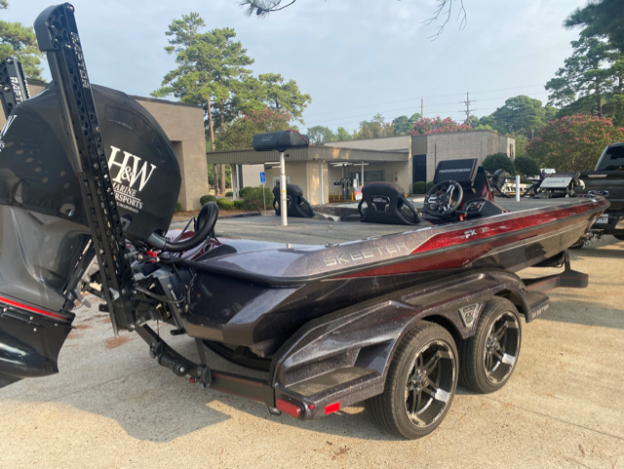
Buying a repossessed boat directly from a bank or credit union can be an excellent way to find quality boats without paying traditional dealership markups. Financial institutions regularly repossess boats after borrowers default on their loans, and because lenders are not in the boat business, they typically sell these assets to recover the remaining loan balance.
Whether you’re shopping for a fishing boat, pontoon, wake boat, cabin cruiser, or personal watercraft, understanding how bank repo sales work can help you make a more informed purchase.
Start your search: Browse current repo boats for sale or use the nationwide repo boat search.
What Is a Bank Repo Boat?
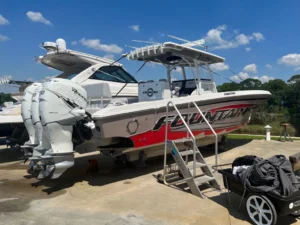
A bank repo boat is a boat that has been repossessed after a borrower stopped making loan payments or voluntarily surrendered the collateral. Once the lender takes possession, it will typically sell the boat to recover as much of the outstanding loan balance as possible.
Common repossessed boats include:
- Fishing boats
- Pontoon boats
- Wake and ski boats
- Center console boats
- Deck boats
- Cabin cruisers
- Jet boats
- Personal watercraft
- Boat trailers
Why Do Banks Sell Repossessed Boats?
Banks earn money by making loans, not by storing boats. Every repossessed boat creates additional expenses such as storage, insurance, transportation, maintenance, and administrative costs. Selling the boat allows the lender to recover funds and remove the asset from its books.
Because of this, financial institutions are generally motivated to sell repossessed inventory in a timely manner.
How Banks Sell Repo Boats
Every lender has its own process, but repossessed boats are commonly sold through one of four methods.
Direct Sales
Some banks and credit unions advertise boats directly to the public and accept offers without using a dealership.
Sealed Bid Sales
Rather than negotiating with buyers, some institutions accept written offers until a specified deadline.
Public Auctions
Many lenders use local or online auction companies to liquidate repossessed inventory.
Recovery or Liquidation Companies
Some financial institutions hire third-party companies to manage repossessions and conduct the sale on their behalf.
Buying Directly From a Bank vs. Buying From a Dealer
| Buying Directly From a Bank | Buying From a Dealer |
|---|---|
| The lender owns the collateral. | The dealer purchased inventory for resale. |
| Boats are commonly sold as-is. | Some dealers inspect or recondition inventory. |
| Pricing may be fixed, negotiated, or bid-based. | Dealer pricing varies by market conditions. |
| Documentation comes from the selling institution. | Documentation is handled by the dealership. |
Potential Advantages of Buying a Repo Boat
- Opportunity to purchase directly from the lender.
- Inventory that may not appear on traditional dealership lots.
- Access to boats from banks and credit unions throughout the country.
- Ability to compare listings from multiple financial institutions.
Not every repossessed boat is a bargain. Buyers should compare condition, equipment, repairs, transportation costs, and market value before making an offer.
Things to Watch For
Most bank repo boats are sold as-is. Before purchasing, consider:
- Hull condition
- Engine hours and maintenance history
- Electrical systems
- Trailer condition
- Title and registration documents
- Signs of water intrusion or improper storage
- Transportation costs
Hiring a qualified marine surveyor may be worthwhile for larger or higher-value boats.
Questions to Ask the Seller
- Who currently owns the boat?
- Can I inspect it before purchasing?
- Is the trailer included?
- Does the boat have a clear title?
- Are maintenance records available?
- How long has it been stored?
- Is a sea trial permitted?
- Are there buyer fees or auction premiums?
Can You Finance a Repo Boat?
Some financial institutions offer financing on repossessed boats, while others require buyers to arrange financing independently. If financing is important, ask about available loan options before submitting an offer.
How RepoFinder Helps
Searching individual bank websites can be time-consuming because every lender uses a different system. RepoFinder helps buyers locate repossessed boats offered by banks, credit unions, auctions, and other sellers across the United States.
Start by browsing the Repo Boat listings or search nationwide using the RepoFinder boat search.
Looking for your next boat?
Browse current repo boat listings or search available boats nationwide.
Frequently Asked Questions
Are repo boats sold below market value?
Some are competitively priced, while others are closer to market value. Compare each boat individually after considering repairs, fees, and condition.
Can anyone buy a bank repo boat?
Many lender sales are open to the public, although auction companies may require registration.
Do repo boats include warranties?
Most repossessed boats are sold as-is unless the seller specifically provides a written warranty.
Can I inspect a repo boat before buying?
Inspection policies vary. Many sellers permit inspections by appointment.
Do banks negotiate prices?
Some do, while others use fixed prices, sealed bids, or public auctions.
What paperwork should I receive?
Requirements vary by state but commonly include a bill of sale, title or registration documents, and any applicable lien releases.
Start Your Search Today
Buying directly from a bank or credit union can be an effective way to find quality repossessed boats while expanding your purchasing options beyond traditional dealerships. Understanding how lender sales work, inspecting each boat carefully, and comparing multiple listings can help you make a confident buying decision.
Browse the latest repo boats for sale or use the nationwide boat search to find available inventory near you.