

TL;DR: Forklift repos can provide warehouses, contractors, manufacturers, farms, and small businesses with an affordable alternative to dealer inventory. Before buying, inspect the engine or battery, hydraulic system, mast, chains, forks, tires, brakes, steering, hour meter, and rated lift capacity. Most bank-owned forklifts are sold as-is, so include repairs, transportation, and battery replacement costs in your budget.
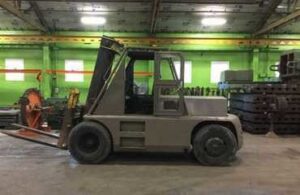 Forklifts are essential equipment for warehouses, manufacturing plants, construction companies, farms, lumber yards, distribution centers, and other businesses that regularly move heavy materials.
However, even a used forklift can represent a substantial investment. Newer machines with high lift capacities, specialized attachments, or large industrial batteries may cost tens of thousands of dollars.
One alternative is to search for forklift repos offered by banks, credit unions, and equipment lenders. When a borrower defaults on an equipment loan, the lender may repossess the forklift and sell it to recover part of the unpaid balance.
This guide explains how bank repo forklifts work, what they may cost, what to inspect before buying, and how to compare electric, propane, gasoline, and diesel models.
What Is a Repo Forklift?
A repo forklift is a lift truck that has been repossessed by a bank, credit union, finance company, or commercial equipment lender after the borrower stopped making payments.
After recovering the equipment, the lender generally sells it through a direct listing, local equipment dealer, sealed-bid process, or commercial auction.
Repossession describes the forklift’s financial history. It does not necessarily indicate mechanical problems. Some repossessed forklifts were operating regularly before recovery, while others may have deferred maintenance, worn components, or storage-related issues.
Why Buy a Bank Repo Forklift?
Buying a repossessed forklift may offer several potential advantages:
- Competitive pricing compared with some dealer inventory
- Access to commercial and industrial-grade equipment
- Direct purchasing opportunities from financial institutions
- Possible financing through the selling lender
- Gasoline, propane, diesel, and electric models
- Different lift capacities and mast configurations
- Equipment suitable for warehouses, farms, shops, and construction sites
Banks and credit unions generally want to sell repossessed equipment rather than store and maintain it. That can create opportunities for informed buyers who understand forklift values and inspection requirements.
Common Types of Forklift Repos
Electric Forklifts
Electric forklifts are commonly used indoors because they produce no exhaust at the point of operation and generally run more quietly than internal-combustion machines.
They are popular in warehouses, food distribution facilities, manufacturing plants, and retail storage operations. Buyers should pay close attention to battery age, battery condition, charger compatibility, and electrical controls.
Propane Forklifts
Propane forklifts are versatile machines commonly used both indoors and outdoors. They can be refueled quickly by replacing the propane cylinder and generally provide consistent power throughout a work shift.
Inspect the fuel system, regulator, hoses, tank mount, engine condition, and emissions-related components before purchasing.
Diesel Forklifts
Diesel forklifts are often used outdoors in construction yards, lumber yards, farms, shipping facilities, and heavy industrial environments. They typically provide strong torque and higher lift capacities.
Buyers should inspect the diesel engine, fuel system, cooling system, exhaust, transmission, and hydraulic components.
Gasoline Forklifts
Gasoline forklifts are less common than propane or electric models in some industries, but they are still used in shops, yards, and light industrial operations.
As with any internal-combustion forklift, check engine performance, fuel delivery, exhaust, cooling, and transmission operation.
Rough Terrain Forklifts
Rough terrain forklifts are designed for uneven outdoor surfaces. They often feature larger tires, higher ground clearance, stronger frames, and increased lift capacity.
These machines are commonly used on construction sites, farms, and material yards. Inspect the drivetrain, axles, tires, frame, boom or mast, and four-wheel-drive system when equipped.
Electric vs. Propane vs. Diesel Forklifts
| Power Type | Best Uses | Main Considerations |
|---|---|---|
| Electric | Warehouses, manufacturing, indoor use | Battery life, charger, runtime, charging space |
| Propane | Indoor and outdoor commercial use | Fuel system, ventilation, engine maintenance |
| Diesel | Outdoor yards, construction, heavy lifting | Exhaust, fuel system, engine and transmission condition |
| Gasoline | General-purpose outdoor and shop use | Fuel cost, emissions, cooling system, engine wear |
Popular Forklift Brands
Toyota
Toyota forklifts are widely used in warehouses, manufacturing plants, distribution centers, and industrial facilities. They are known for broad dealer support and strong resale demand.
Hyster
Hyster produces forklifts ranging from warehouse machines to heavy-duty industrial lift trucks. Buyers often find propane, diesel, and electric Hyster models in the used-equipment market.
Yale
Yale forklifts are common in warehousing, manufacturing, and material-handling operations. The company offers electric and internal-combustion machines in multiple lift capacities.
Caterpillar
Caterpillar forklifts are used in industrial, construction, warehouse, and outdoor applications. Some models are designed for demanding material-handling environments.
Clark
Clark is one of the most recognizable names in forklift manufacturing. Used Clark forklifts are available in electric, propane, gasoline, and diesel configurations.
Komatsu
Komatsu manufactures dependable industrial forklifts used in warehouses, plants, yards, and logistics operations.
Other Common Forklift Brands
- Mitsubishi
- Doosan
- Nissan
- UniCarriers
- Crown
- Raymond
- Hyundai
- TCM
- Linde
- Jungheinrich
- Case
- JCB
How Much Do Repo Forklifts Cost?
Forklift prices vary according to age, hours, lift capacity, mast height, fuel type, tire type, condition, and attachments.
| Forklift Type | Typical Used or Repo Price Range |
|---|---|
| Older Warehouse Forklift | $4,000-$10,000 |
| Mid-Age Propane or Electric Forklift | $8,000-$20,000 |
| Late-Model Industrial Forklift | $18,000-$40,000+ |
| Heavy-Duty or Rough Terrain Forklift | $25,000-$80,000+ |
These are broad estimates. Actual prices depend on the forklift’s make, model, lift rating, mast configuration, hours, battery condition, attachments, and local demand.
What Affects a Forklift’s Value?
Rated Lift Capacity
Common forklift capacities include 3,000, 5,000, 6,000, 8,000, and 10,000 pounds. Larger industrial machines may lift substantially more.
Choose a forklift based on the heaviest load you expect to handle, the load center, and the height at which the load must be lifted.
Mast Height
A forklift’s mast determines how high it can raise a load. Common configurations include simplex, duplex, triplex, and quad masts.
Buyers should verify both maximum lift height and collapsed mast height. A forklift may need to pass through low warehouse doors while still reaching high storage racks.
Operating Hours
Hour meters provide useful information, but they do not tell the entire story. A well-maintained forklift with higher hours may be a better purchase than a neglected low-hour machine.
Battery Condition
On an electric forklift, the industrial battery may represent a major portion of the machine’s value. An old or damaged battery can be expensive to replace.
Tire Type
Forklifts may use cushion, pneumatic, solid pneumatic, or non-marking tires. The correct choice depends on floor surfaces, outdoor use, traction needs, and operating environment.
Attachments
Fork positioners, side shifters, clamps, rotators, extended forks, and other attachments can add value. However, attachments may also reduce the forklift’s rated lifting capacity.
Maintenance History
Service records can help verify regular fluid changes, hydraulic repairs, battery maintenance, brake service, chain inspections, and other preventive maintenance.
Forklift Inspection Checklist
Most bank-owned equipment is sold as-is, making a thorough inspection especially important.
Verify the Data Plate
- Confirm the manufacturer and model
- Check the serial number
- Verify rated lifting capacity
- Confirm maximum lift height
- Review attachment information
- Check the load center rating
Do not rely only on the seller’s description. The forklift’s data plate provides critical information about its capacity and configuration.
Inspect the Forks
- Look for cracks
- Check for bending or twisting
- Inspect fork heels for excessive wear
- Make sure both forks match
- Check locking pins
- Inspect fork tips for damage
Damaged or excessively worn forks should be replaced rather than repaired informally.
Inspect the Mast and Lift Chains
- Raise and lower the mast through its full range
- Listen for grinding or binding
- Inspect mast rails and rollers
- Check lift chains for corrosion, stretching, and damaged links
- Look for hydraulic leaks
- Test mast tilt
- Test the side shifter if equipped
The mast should operate smoothly without excessive vibration, binding, or uneven movement.
Inspect the Hydraulic System
- Check cylinders for leaks
- Inspect hoses for cracks and abrasion
- Look for damaged fittings
- Test lift, tilt, and attachment functions
- Listen for pump noise
- Check hydraulic fluid condition
Inspect the Engine and Transmission
For gasoline, propane, or diesel forklifts:
- Start the engine cold when possible
- Listen for knocking or unusual noise
- Watch for smoke
- Inspect for oil, coolant, and fuel leaks
- Test forward and reverse operation
- Check for delayed engagement
- Test acceleration under load
- Inspect the cooling system
Inspect an Electric Forklift Battery
- Determine the battery’s age
- Inspect the battery case for swelling or cracks
- Check cables and connectors
- Look for corrosion
- Verify electrolyte levels when applicable
- Test runtime under load
- Confirm that a compatible charger is included
- Review battery service records
A forklift may appear inexpensive until the buyer discovers that it needs a replacement industrial battery and charger.
Test Steering and Brakes
- Drive forward and backward
- Make tight turns in both directions
- Check for excessive steering play
- Test the service brake
- Test the parking brake
- Listen for wheel bearing or axle noise
Inspect Tires and Wheels
- Check for chunking and flat spots
- Inspect pneumatic tires for sidewall damage
- Look for uneven wear
- Check wheel nuts
- Verify that tire type suits the intended surface
Check Safety Equipment
- Horn
- Seat belt
- Backup alarm
- Lights
- Mirrors
- Operator presence system
- Overhead guard
- Warning labels
- Parking brake
Understanding Forklift Lift Capacity
A forklift’s advertised capacity is not necessarily the amount it can safely lift in every situation.
Capacity can be reduced by:
- Higher lifting heights
- Long or uneven loads
- Attachments
- Extended load centers
- Damaged or modified components
- Incorrect forks
Buyers should select a forklift with enough reserve capacity for their normal loads rather than operating continuously at the machine’s maximum rating.
Common Forklift Attachments
- Side shifter
- Fork positioner
- Paper roll clamp
- Carton clamp
- Bale clamp
- Rotator
- Push-pull attachment
- Carpet pole
- Drum handler
- Extended forks
- Work platform
Confirm that any attachment is included in the sale and listed on the forklift’s data plate. An unapproved attachment may change the machine’s safe lift rating.
Common Forklift Repairs
A used or repossessed forklift may require routine service before returning to work.
- Hydraulic hose replacement
- Mast roller replacement
- Lift chain service
- Brake repairs
- Steering repairs
- Tire replacement
- Fork replacement
- Starter or charging system repairs
- Cooling system repairs
- Propane regulator service
- Battery cable replacement
- Industrial battery replacement
- Charger repair or replacement
Before making an offer, estimate both immediate repairs and expected maintenance during the first year of ownership.
Dealer vs. Auction vs. Bank Repo Forklift
| Buying Method | Advantages | Potential Drawbacks |
|---|---|---|
| Forklift Dealer | Inspection, service, financing, possible warranty | Higher purchase price |
| Equipment Auction | Large inventory and competitive bidding | Buyer fees, limited inspection, quick decisions |
| Bank Repo | Direct lender sale and potentially competitive pricing | Usually sold as-is with limited service history |
| Private Seller | Negotiable price and possible operating history | Condition and ownership require careful verification |
Calculate the Total Purchase Cost
The asking price is only one part of the investment.
Total Cost = Purchase Price + Taxes + Transportation + Repairs + Maintenance + Battery or Fuel Equipment
Potential additional expenses include:
- Flatbed or equipment-hauling costs
- Loading and unloading fees
- Sales tax
- Fluid and filter service
- Tires
- Forks
- Hydraulic repairs
- Industrial battery replacement
- Battery charger
- Propane cylinders
- Safety inspections
- Operator training
A low-priced electric forklift may not be a bargain if it needs an expensive battery, charger, tires, and mast repairs.
Can You Finance a Repo Forklift?
Financing depends on the selling financial institution, the forklift’s value, and the buyer’s qualifications. Some banks and credit unions may finance their repossessed equipment. Others may require cash, certified funds, or financing through a separate lender.
Before submitting an offer, ask:
- Whether financing is available
- How much deposit is required
- What forms of payment are accepted
- How quickly payment must be completed
- Whether offers below the asking price are accepted
- When the forklift must be removed
- Whether loading assistance is available
How to Make an Offer on a Repo Forklift
- Identify the exact make, model, year, serial number, and operating hours.
- Verify the rated capacity and mast height.
- Determine whether the listed attachment is included.
- Inspect the forklift or hire an experienced technician.
- Compare similar used forklifts in your region.
- Estimate repairs, transportation, battery, and charger costs.
- Review the lender’s payment and removal requirements.
- Submit an offer based on condition and total ownership cost.
A lower offer may be justified when the forklift has weak hydraulics, worn tires, damaged forks, no maintenance records, a failing battery, or other significant repair needs.
Where to Find Forklift Repos
Banks and credit unions may list repossessed forklifts on their own websites, but finding individual lender listings can take considerable time.
RepoFinder helps buyers locate repossessed assets offered by banks, credit unions, and other financial institutions. Available equipment listings may include:
- Electric forklifts
- Propane forklifts
- Diesel forklifts
- Rough terrain forklifts
- Telehandlers
- Pallet jacks
- Warehouse equipment
- Skid steers
- Mini excavators
- Backhoes
- Zero turn mowers
- Tractors
Browse current repo forklift and equipment listings
Tips for Buying a Bank-Owned Forklift
- Verify the forklift’s rated capacity
- Check the serial number and data plate
- Inspect the mast, chains, forks, and hydraulics
- Test the forklift under load when permitted
- Confirm the maximum lift height
- Measure doorways and warehouse clearances
- Inspect an electric forklift’s battery and charger
- Check tire type and condition
- Estimate hauling and unloading costs
- Review workplace safety and training requirements
- Do not assume every repo is priced below market value
The best forklift is not necessarily the machine with the lowest asking price. A more expensive forklift with a strong battery, good tires, documented maintenance, and no major hydraulic problems may provide much better long-term value.
Frequently Asked Questions
Are repo forklifts worth buying?
They can be. A bank repo forklift may cost less than comparable dealer inventory, but buyers should inspect it carefully and account for repairs, transportation, and maintenance.
Are repossessed forklifts damaged?
Not necessarily. Repossession typically results from missed loan payments rather than equipment failure. However, the mechanical condition and maintenance history can vary considerably.
Do bank repo forklifts come with warranties?
Most lender-owned forklifts are sold as-is without a warranty. Buyers should read the sales terms and arrange an inspection whenever possible.
Can an individual buy a repo forklift?
Yes. Many repossessed forklifts are available to individuals, farms, small businesses, contractors, warehouses, manufacturers, and other commercial buyers.
How many hours are too many for a forklift?
There is no universal maximum. Usage conditions, maintenance history, machine type, and power source matter as much as the hour meter. A maintained higher-hour forklift may be more dependable than a neglected low-hour machine.
How long does an electric forklift battery last?
Battery life varies according to age, charging practices, maintenance, workload, temperature, and battery type. Buyers should have an industrial battery tested rather than judging it only by appearance.
Can I test a repo forklift before buying?
That depends on the selling institution and storage location. Some sellers permit inspection and operation, while others provide limited access. Contact the lender before traveling.
Does RepoFinder own or sell the forklifts?
No. RepoFinder helps buyers locate repossessed equipment offered by banks, credit unions, and other financial institutions. Buyers complete the transaction directly with the seller shown in the listing.
Final Thoughts
Forklift repos can provide warehouses, manufacturers, farms, contractors, and small businesses with access to commercial equipment at competitive prices.
Before buying, verify the rated lift capacity, mast height, fuel type, tire configuration, and included attachments. Inspect the engine or battery, hydraulics, mast, chains, forks, steering, brakes, and safety equipment.
Most importantly, calculate the total cost rather than focusing only on the asking price. Transportation, tires, hydraulic repairs, maintenance, batteries, chargers, and safety requirements can materially affect the value of a used forklift.
With careful research and inspection, a bank-owned forklift may provide years of productive service while costing less than comparable equipment from a traditional dealer.
Browse repo forklifts and other equipment from banks and credit unions.